Arete vs Eudaimonia: Key Differences in Greek Philosophy
Arete and eudaimonia are the two foundational pillars of Greek ethics, and they are deeply intertwined. Arete is how you get there. Eudaimonia is what emerges when you do. Treating them as interchangeable obscures the critical relationship between the quality of your daily actions and the trajectory of your life.
Definitions
Arete
(ἀρετή)
ah-reh-TAY
Excellence of function. Not achievement or outcome, but becoming excellent through consistent action and the full expression of your capabilities.
Eudaimonia
(εὐδαιμονία)
yoo-dye-moh-NEE-ah
Human flourishing. The deep satisfaction of functioning as you were meant to function, living in alignment with your nature and purpose.
Key Differences
| Aspect | Arete | Eudaimonia |
|---|---|---|
| What It Describes | Arete describes the quality of your actions and character. It is the standard of excellence you bring to everything you do. | Eudaimonia describes the overall condition of your life. It is the flourishing that results from sustained virtuous activity. |
| Scope | Arete can be assessed in individual actions, skills, and character traits. You can exhibit arete in a single decision. | Eudaimonia can only be assessed across a complete life. A single moment of flourishing does not constitute eudaimonia. |
| Cause vs Effect | Arete is the cause. Aristotle argued that consistent virtuous activity is the primary ingredient of a flourishing life. | Eudaimonia is the effect. It emerges as the natural consequence of living with sustained excellence. |
| Practicality | Arete gives you something to do today. You can practice excellence in your next conversation, your next task, your next decision. | Eudaimonia gives you something to aim for across your life. It provides the overarching purpose that organizes your daily efforts. |
What It Describes
Arete describes the quality of your actions and character. It is the standard of excellence you bring to everything you do.
Eudaimonia describes the overall condition of your life. It is the flourishing that results from sustained virtuous activity.
Scope
Arete can be assessed in individual actions, skills, and character traits. You can exhibit arete in a single decision.
Eudaimonia can only be assessed across a complete life. A single moment of flourishing does not constitute eudaimonia.
Cause vs Effect
Arete is the cause. Aristotle argued that consistent virtuous activity is the primary ingredient of a flourishing life.
Eudaimonia is the effect. It emerges as the natural consequence of living with sustained excellence.
Practicality
Arete gives you something to do today. You can practice excellence in your next conversation, your next task, your next decision.
Eudaimonia gives you something to aim for across your life. It provides the overarching purpose that organizes your daily efforts.
When to Apply Each Concept
When to Choose Arete
Focus on arete when you need immediate guidance for action. When facing a decision, ask: ‘What does excellence look like here?’ Arete is the operational concept, the one you can apply in the moment. It transforms abstract flourishing into concrete daily practice.
When to Choose Eudaimonia
Focus on eudaimonia when you need perspective on your life’s direction. When assessing whether your current path serves your long-term development, eudaimonia is the measuring stick. It prevents you from optimizing individual actions while neglecting the larger trajectory of your life.
Frequently Asked Questions
What is the difference between arete and eudaimonia?
Arete is excellence of character and function. Eudaimonia is human flourishing, the condition of living well and doing well across a complete life. Aristotle argued that arete is the primary means to eudaimonia: consistent virtuous activity produces the flourishing life. The relationship is causal, not identical. You practice arete daily; eudaimonia is what your life becomes as a result.
Can you have arete without eudaimonia?
Aristotle acknowledged that a person can practice virtue and still face terrible misfortune, suggesting that arete alone does not guarantee eudaimonia. External goods like health, resources, and community play a supporting role. However, he maintained that arete is the most important factor and that a truly virtuous person retains a form of dignity and purpose even in adversity.
How are arete and eudaimonia connected?
Arete is the engine and eudaimonia is the destination. Aristotle defined eudaimonia as 'activity of the soul in accordance with arete' in the Nicomachean Ethics, making the connection explicit. You do not choose between them. You pursue arete in each moment, and eudaimonia emerges across the arc of your life as the accumulated result of that pursuit.
Articles Exploring Arete or Eudaimonia (128)
Cutting 'Toxic People' Out of Your Life Is the Laziest Form of Self-Care
Greene says avoid the unhappy and unlucky. The ancients say build yourself strong enough to sit with someone else's pain without losing your center. One protects your comfort. The other builds your character.
Why Arguing Your Point Is Always a Losing Strategy
For the second time in this series, Greene and the ancient philosophers agree. Demonstrate, don't argue. But they agree for different reasons, and the difference reveals whether you're performing power or practicing excellence.
Self-Sufficiency Isn't Isolation. Most People Confuse the Two.
Greene says make others come to you. The Stoics say build a foundation so solid that who moves first becomes irrelevant. One is a tactic. The other is character.
Taking Credit for Your Team's Work Will Destroy Everything You've Built
Greene says get others to do the work and take the credit. The Greeks say earn your honor through what you actually contribute. One builds empires that depend on resentful people staying. The other builds teams that grow stronger because people choose to stay.
If You Have to Assert Your Authority, You've Already Lost It
The meeting goes quiet when a leader pulls rank. They think they won. The room knows better. The ancient Stoics understood that the highest expression of power isn't exercising it. It's choosing not to. The Greek concept of prohairesis reveals why the leaders with the most authority are the ones who almost never use it.
Your Modesty Is Costing Everyone Around You
Greene says court attention at all costs. The Greeks say build something worth seeing, then refuse to hide it. One manufactures spectacle. The other practices megalopsychia, the discipline of being exactly as capable as you are, in public, where it counts.
You Stopped Growing and Didn't Even Notice
You can look back ten years and barely recognize who you were. You can acknowledge enormous personal transformation. And yet, right now, you believe you're basically done becoming. Psychology calls this the end of history illusion. The Greeks called it the opposite of flourishing.
Why Building Your Reputation Is a Waste of Time
Greene says guard your reputation with your life. The Greeks say build character worth remembering. One requires constant maintenance. The other requires consistent choices. The difference explains why some reputations survive scrutiny and others collapse the moment the spotlight shifts.
Why Staying Silent Is the Most Expensive Thing You'll Ever Do
Every swallowed truth is a down payment on becoming someone you don't recognize. The Greeks had a word for what's missing: parrhesia.
The Most Powerful Thing You Can Say Is Nothing
For the first time in this series, Greene and the ancient philosophers agree. Say less. Mean more. But they agree for different reasons, and the difference reveals everything about power versus virtue.
You're Not Too Intense. Everyone Else Is Too Comfortable.
What society labels 'crazy' or 'too intense' is actually the natural fulfillment of human purpose. The real madness is accepting a diminished life. Normal isn't sanity. It's collective surrender.
Your Wins Aren't About You. That's Why They Matter.
Achievement for its own sake is accumulation, not excellence. The Greeks understood that individual flourishing and communal contribution aren't separate goals. Your wins matter precisely because they're not about you.
Your Best Days Aren't Behind You. Unless You Keep Looking Back.
The glory days trap isn't about memory. It's about identity. Living in the past is a form of self-protection that guarantees self-limitation.
Your Friends Aren't Your Weakness. Your Inability to Trust Them Is.
Greene's second law of power tells you to distrust friends and hire enemies. The tactical truth is real: friends can betray you. But the solution isn't strategic isolation. It's wisdom about who to let close.
Your Integrity Isn't Holding You Back. Your Fear Is Hiding Behind It.
There's a story people tell themselves about why they haven't succeeded. It sounds like integrity. It's actually fear dressed in virtue's clothing.

Most People Need a Crisis to Try Their Hardest. That's a Character Flaw.
Crisis unlocks extraordinary performance. But needing crisis to access your best means your best isn't really yours. It belongs to whatever circumstances happen to arrive.
Should You Hide Your Excellence to Protect Your Boss's Ego?
Greene's first law of power tells you to never outshine the master. The tactical truth is real: insecure leaders punish excellence. But the solution isn't dimming your light. It's knowing when to deploy it. The Greeks called it kairos.

Why Authenticity Has Nothing to Do With Being Yourself
Authenticity has become a personal branding buzzword. The Greeks knew better. True authenticity isn't about expressing your real self. It's about refusing to fragment into different versions for different audiences. Wholeness, not performance.
What Do You Actually Want? (Most People Never Answer This)
You're not anxious. You're unclear. The mind that hasn't decided what it wants will constantly point out what's missing. Clarity isn't a luxury. It's the foundation.

Stop Asking 'What Should I Do?' Start Asking 'Who Should I Become?'
Everyone optimizes their actions. Almost no one optimizes who they're becoming. The obsession with tactics keeps people trapped while the strategic question goes unanswered.

Your Goals Aren't Too Big. Your Sacrifices Are Too Small.
You don't have an ambition problem. You have a payment problem. Everyone wants the dream. Almost no one wants to pay what it actually costs.

Comfort Killed More Dreams Than Failure Ever Did
Everyone fears failure. Almost nobody fears comfort. The ancients understood why that's backwards. Comfort doesn't protect dreams. It suffocates them slowly while you're too numb to notice.
Your Confidence Is Fake. Here's How to Build the Real Thing.
The modern confidence industry sells shortcuts that produce fragile leaders. Real confidence follows the ancient sequence: courage first, then competence, then confidence.
Why Do Most New Year's Resolutions Die Before February?
I watched a man fail his resolution in an ice cream shop parking lot. Not because he ate ice cream. Because he was already negotiating with Monday. The timing was wrong before he started.
What If Your 'Personal Best' Is Actually Your Personal Belief?
Everyone treats their personal best as an objective measurement. But what if it's actually a prophecy? What if the limit you keep hitting is the limit you keep expecting to hit?
The Elimination Discipline: Why Cutting the Good Unlocks the Great
Most people stay mediocre not because they lack talent, but because they refuse to give up anything. The hardest cut isn't the bad work. It's the good work that's in the way.
The Boring Truth About Excellence: Why Mastery Looks Ordinary Until It Doesn't
We expect excellence to look impressive. But the most exceptional people spend most of their time doing things that look completely ordinary. Here's the boring truth about how mastery is actually built.
Stop Defending Yourself: Most Arguments Don't Deserve Your Energy
The instinct to defend yourself is older than language. But in the modern world, this instinct has become a trap that drains the energy you need for your actual work.
Why Your Parents Were Right: Nobody Ever Said Life Was Fair
Want in one hand and shit in the other. See which gets fuller faster. Working-class America didn't read the Stoics. They lived them.

Why Voluntary Struggle Prepares You for Involuntary Battles
The conditions you train in are the conditions you're prepared for. Every voluntary struggle is a deposit against the involuntary battles life doesn't schedule.
The Momentum Machine: How Relentless Reps Turn Impossible into Routine
The difference between extraordinary achievement and constant restarting isn't talent or luck. It's whether you've built a momentum machine that runs even when motivation dies.
Want Better Leaders? Stop Naming Them.
The best coaches figured this out decades ago. Saban's Process. Belichick's expectations. Cignetti's explicit no-captains policy. When you designate leaders, everyone else stops leading.

Most Success Is Just Avoiding Obvious Mistakes
Everyone's chasing brilliance while tripping over obvious errors. The uncomfortable truth about success isn't that you need to be smarter. You need to stop being dumb.
The Luck Delusion: Why 'Lucky' People Just Execute Better
Everyone knows someone who seems impossibly lucky. Right place, right time, every time. What looks like fortune is actually something else entirely. And it's available to anyone willing to see it.
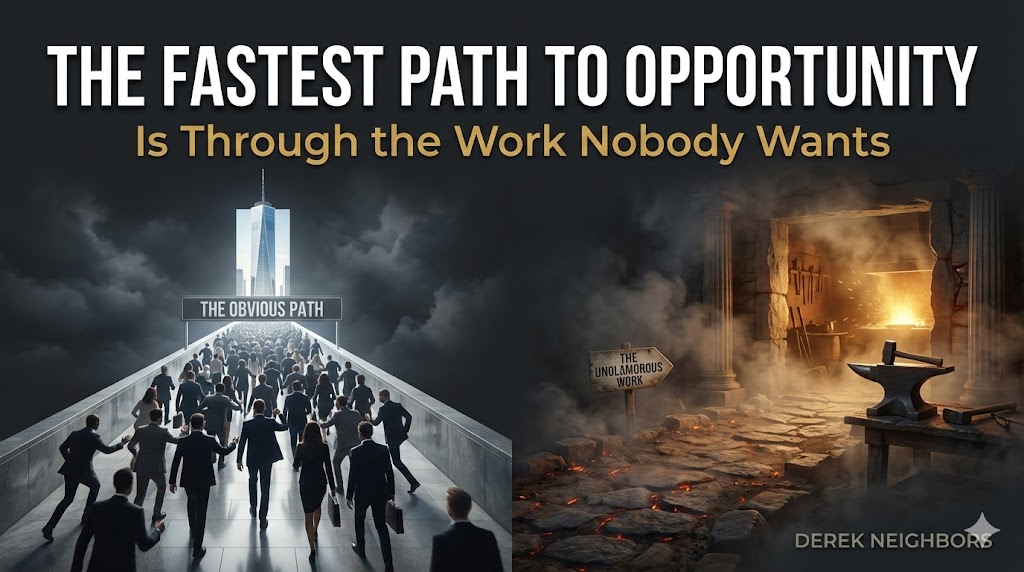
The Fastest Path to Opportunity Is Through the Work Nobody Wants
Everyone's competing for the spotlight. Meanwhile, opportunity waits in the tasks everyone avoids. The dirty work doorway isn't just a path to success. It's the only path that isn't crowded.
The Most Dangerous Thing You Can Do Is Become Excellent
Your pursuit of excellence isn't neutral. It's an act of rebellion against every force that profits from your weakness, distraction, and mediocrity.

The Couples Who Fight Are the Couples Who Last
Happy couples don't fight. That's the story we tell ourselves. Then we watch peaceful marriages end without warning. The truth? Antifragile bonds are forged through navigated conflict, not polished harmony.

You're Working Hard. On the Wrong Things.
The myth of 'work on your weaknesses' has created generations of well-rounded mediocrity. What if the thing that comes easily to you is exactly where your leverage lives?

If Money Is Why They Stay, Money Is Why They'll Leave.
Pay them well and they'll stay. Pay them more and they'll work harder. It sounds logical until you watch your highest-paid people leave for less money. The myth of compensation-driven loyalty is destroying teams.
When You're Dying, Who Will You Wish You'd Become?
Nobody eulogizes your revenue growth. The metrics that feel urgent today will be irrelevant the moment you're gone. The people you developed will carry your impact for decades.
You're Not Getting Ready. You're Hiding.
Preparation is the most sophisticated form of procrastination. It feels productive. It looks responsible. And it keeps you exactly where you are.

Hard Work Stops Some People. Uncertainty Stops Everyone Else.
Andy Weir posted chapters of The Martian to his blog for 10 years. 3,000 readers. No validation. No proof it mattered. Then the breakthrough. The separator isn't talent or work ethic, it's tolerance for uncertainty.
Stop Asking Why This Is Happening. Start Asking What It's Teaching.
The ancient Greeks understood something we've forgotten—every difficulty is training when you ask the right question. The shift from 'why me?' to 'what's this teaching?' changes everything.

Stop Babying Your Team. Start Building Them.
The ancient concept of paideia required both challenge and care. High expectations without support breaks people. High support without expectations keeps them small. Real leadership integrates both.
You're Better Off Missing Moon Shots Than Hitting Layups
You think success is about the win. It's actually about what the attempt makes you become. The goals you miss build more character than the ones you hit.

You Don't Get Fewer Problems. You Get Better Ones.
Your problems aren't proof you're failing. They're proof of where you've climbed. Each level of success doesn't reduce difficulty, it upgrades it.
Your Life Right Now Is Just Your Last 90 Days Playing Out
Your fitness, your bank account, your relationships, your opportunities right now aren't revealing your identity. They're showing you what you've been doing for the past 30-90 days. That's not philosophy. That's physics.
Forgiveness Isn't About Them. It's the Most Selfish Thing You Can Do.
Every minute you spend resenting someone is energy you're not using to build your life. The Stoics knew what we forgot: forgiveness releases you from the prison, not them from consequences.
Stop Chasing Happiness. It's Making You Miserable.
The more directly you pursue happiness, the more it evades you. Kant knew what we forgot: happiness only arrives as a byproduct of living virtuously, not as a target to optimize for.
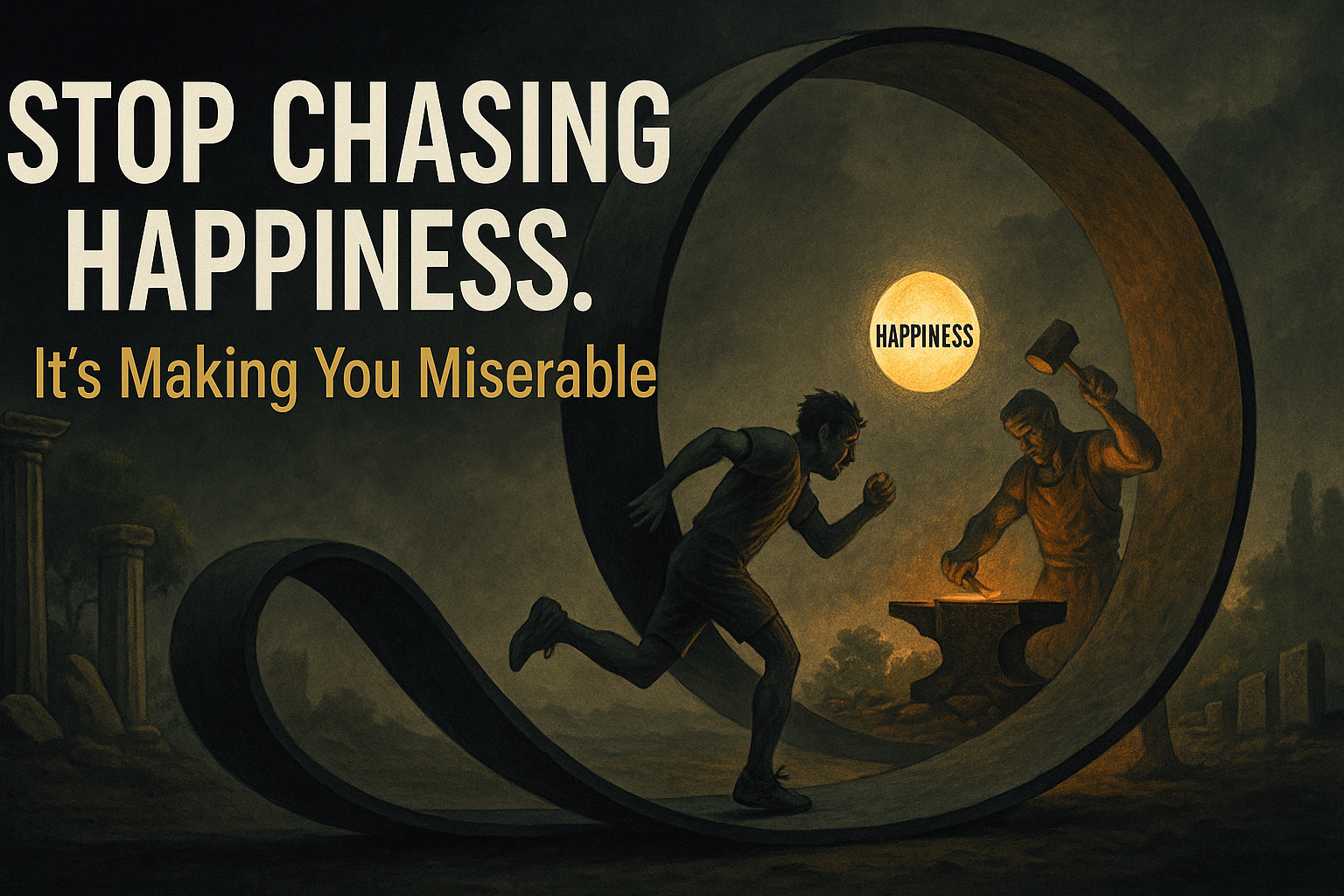
Stop Chasing Job Security. Build Skills They Can't Take Away.
Job security is dead. The people who recover fastest from layoffs aren't the ones with the best titles, they're the ones who built skills that travel. Here's what autarkeia teaches us about real security.
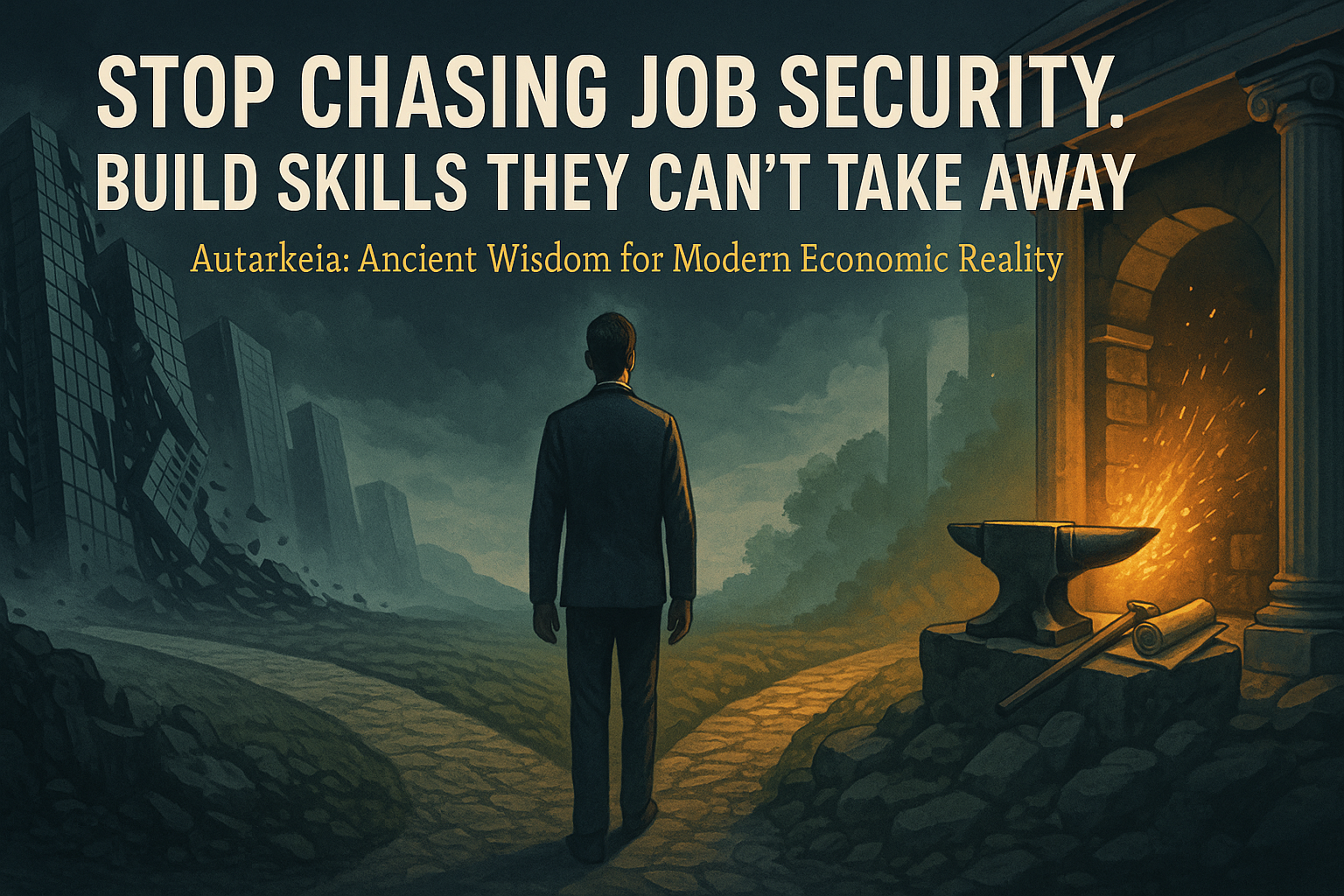
Getting Consumed by Your Work Isn't the Problem. What It's Making You Into Is.
Work-life balance won't save you from being consumed. Everything significant consumes you. The question isn't whether work will consume you, but what you're becoming through that consumption. Choose the fire that forges you.
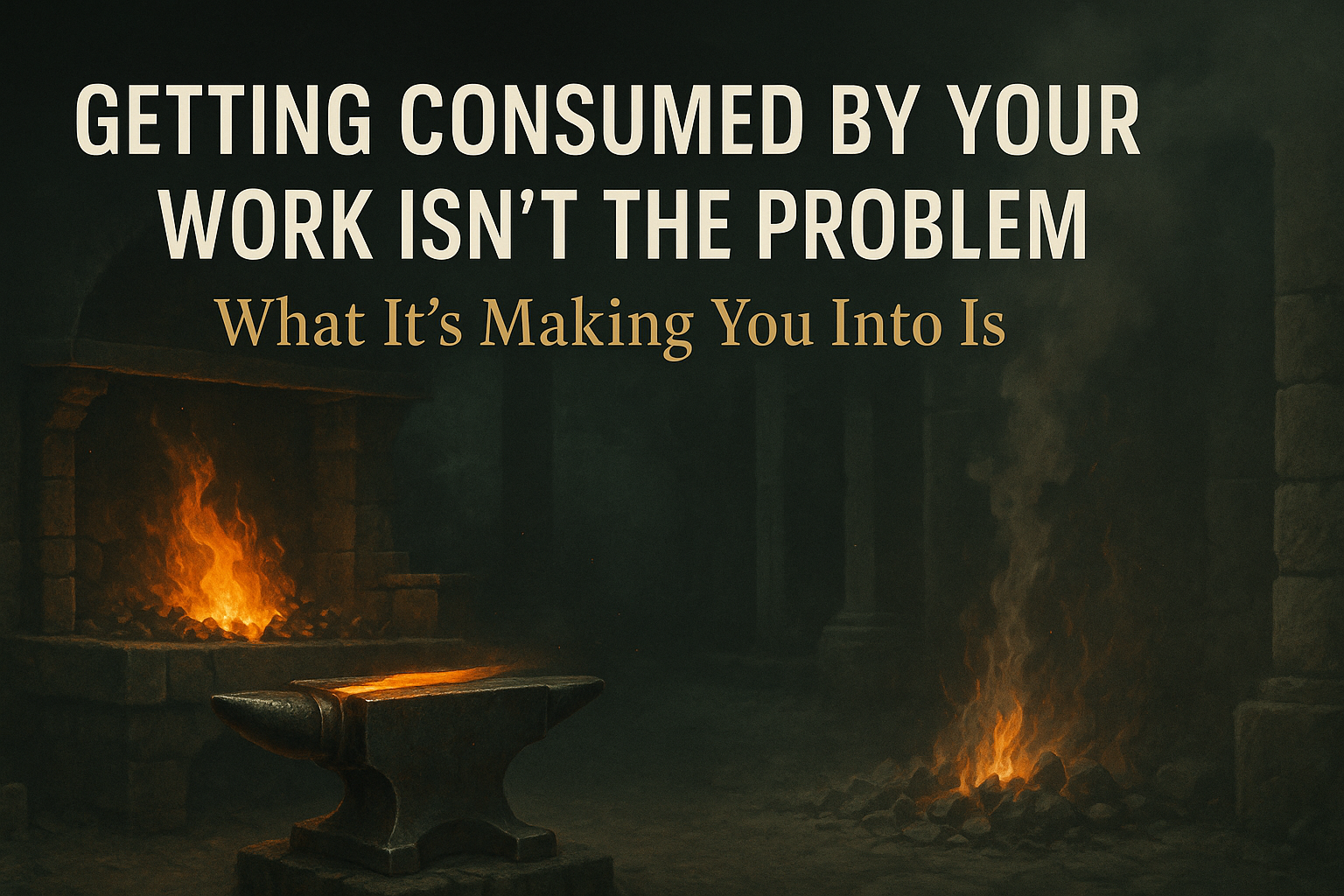
Everyone Owes Excellence. You Just Have No Excuse.
Epictetus was a slave and chose philosophy. Marcus Aurelius was emperor and chose duty. Excellence is owed regardless of circumstances. Your advantages don't create the obligation. They just eliminate every excuse for avoiding it.
Good Vibes Only Will Keep You Weak Forever
Good vibes only doesn't protect you from negativity. It protects you from growth. Every time you positive-think your way past difficult emotions, you're training yourself to be weaker.
Stop Counting Other People's Money: It's Making You Poor
Every moment you spend obsessing over others' achievements is a moment not creating your own. Envy doesn't just feel bad, it actively steals the fuel you need for your own work.

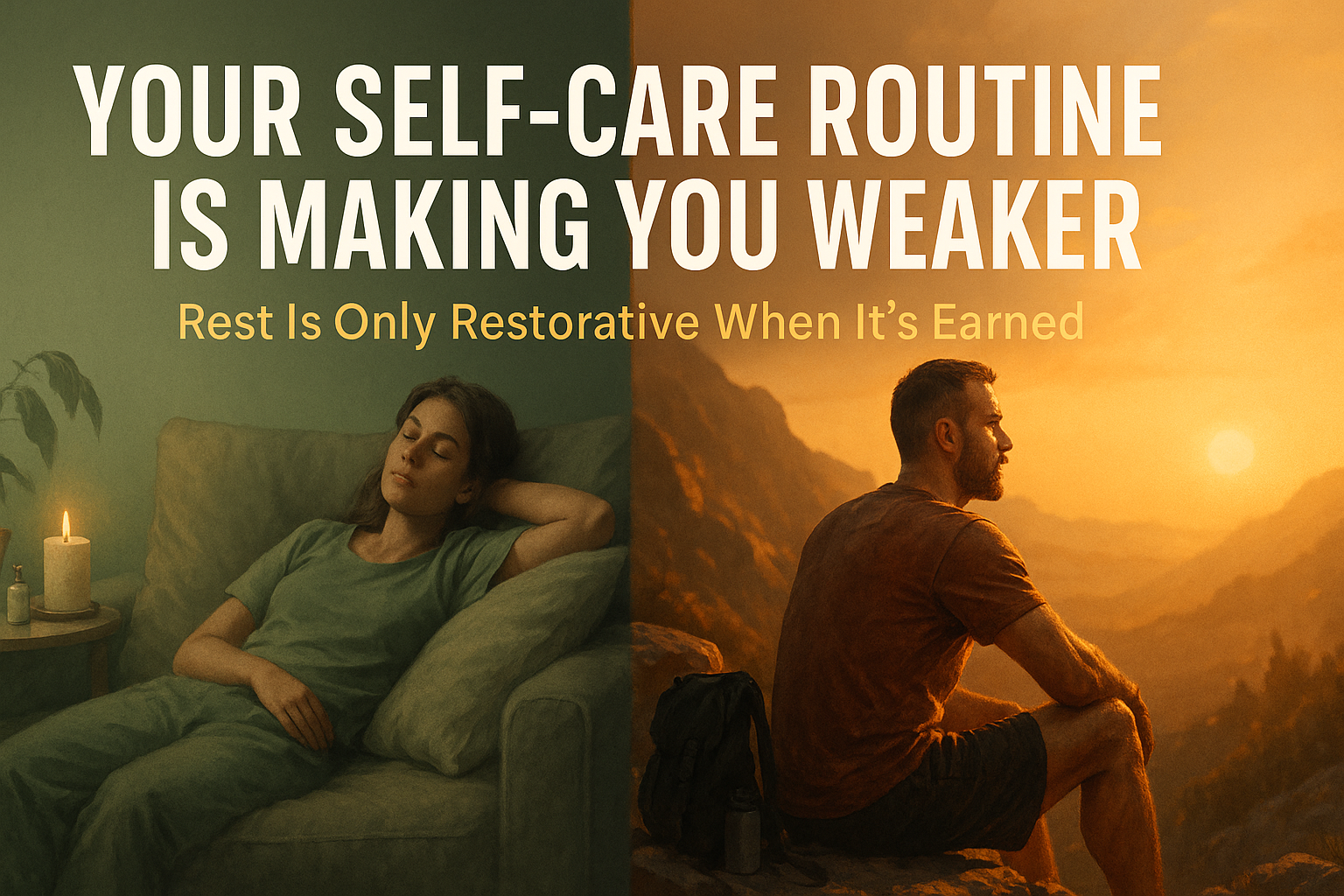
Your Self-Care Routine Is Making You Weaker
Modern self-care culture produces people who need more support to handle less challenge. Rest is only restorative when preceded by genuine exertion. Without the depletion, there's nothing to restore.
Your Team Isn't Aligned. They're Just Too Scared to Speak Up
When teams nod along in meetings, we celebrate alignment. But what if everyone's privately disagreeing? The Abilene Paradox shows how silence becomes performative agreement and why andreia (courage) matters more than consensus.

You're Not Less Talented. You're Less Focused.
What looks like exceptional talent is usually exceptional attention. The people crushing it aren't more gifted, they've just built the character discipline to ignore everything except what matters most.
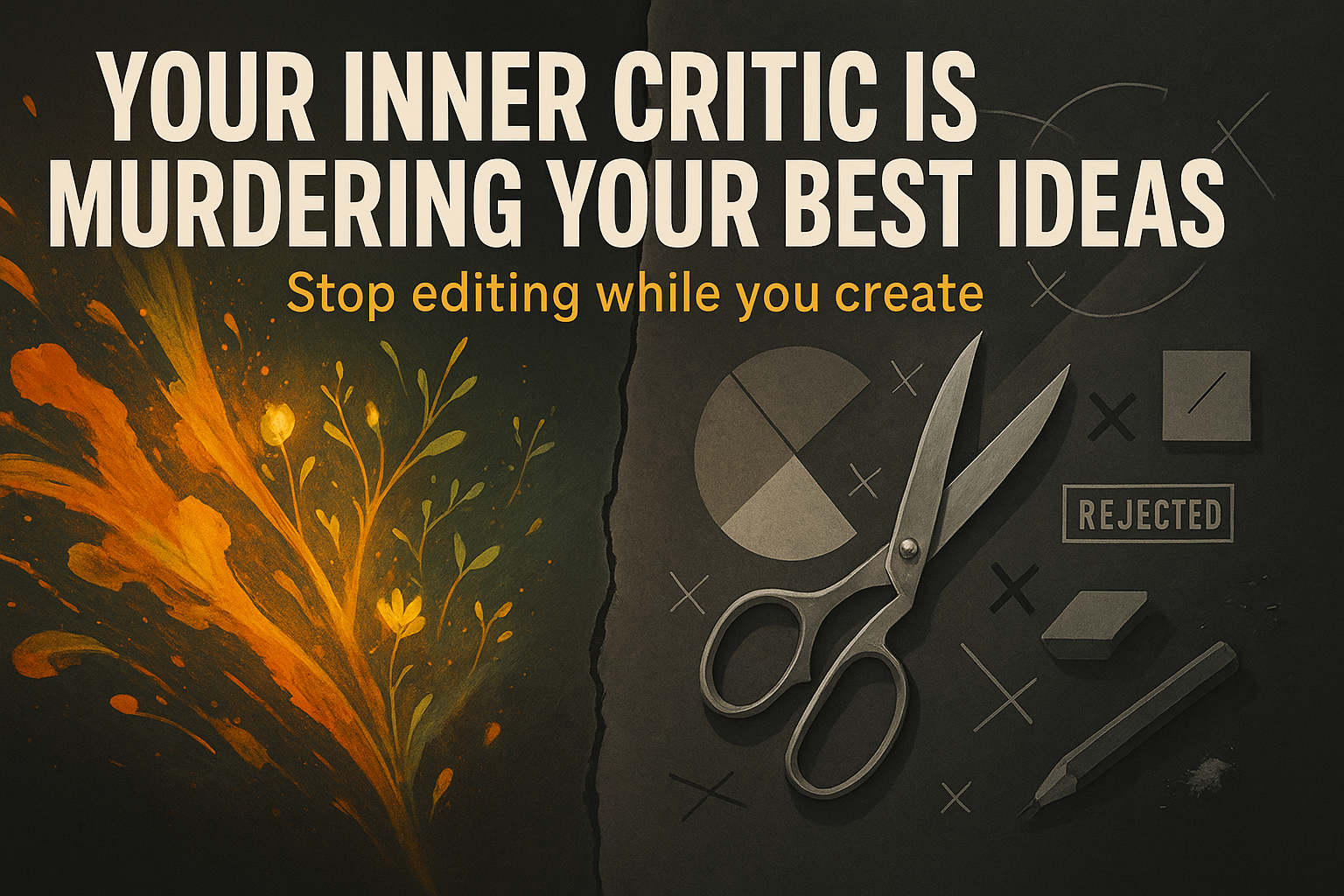
Your Inner Critic Is Murdering Your Best Ideas in the Crib
Your inner critic isn't the enemy. But letting it judge while you create guarantees mediocrity. Excellence requires opposite mindsets—and knowing when to deploy each.
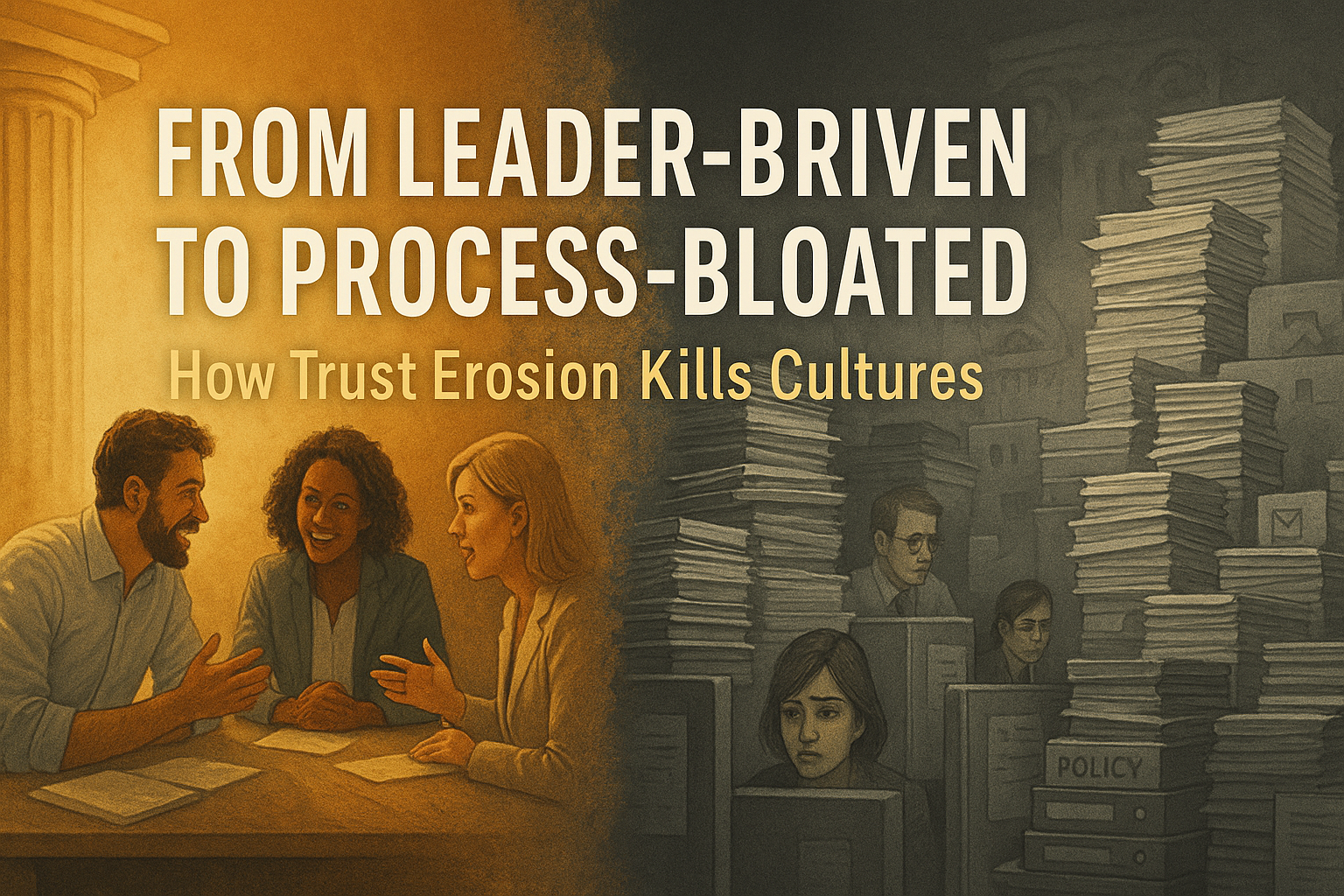
From Leader Driven to Process Bloated: How Trust Erosion Kills Cultures
Nobody chooses bureaucracy. But every approval layer you add is proof you chose fear over trust, rules over judgment, and protecting yourself over building excellence.
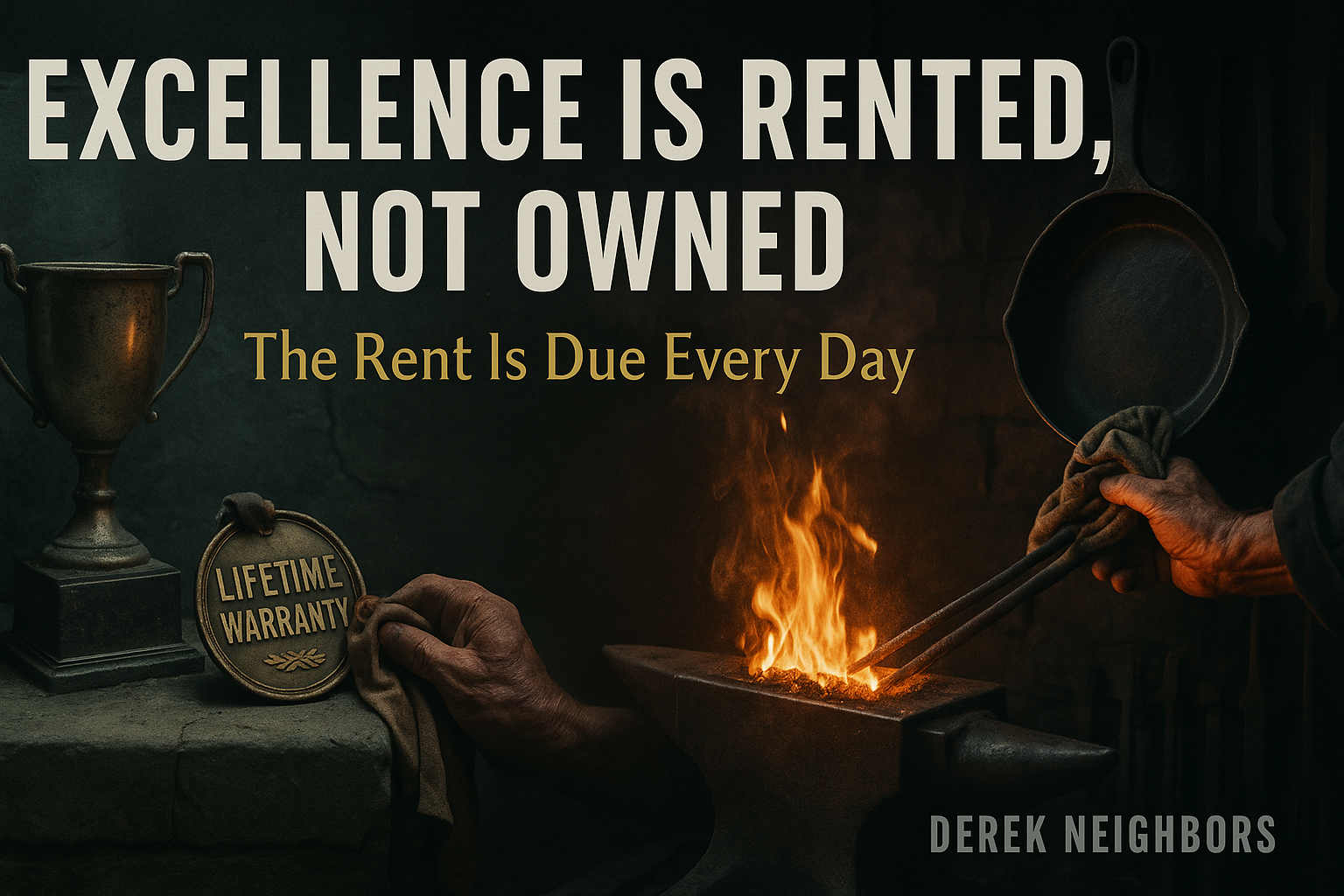
Excellence Is Rented, Not Owned: The Rent Is Due Every Day
Grandma's cast iron pan lasted 60 years with daily care. My 'lifetime warranty' pan died in 18 months with neglect. Excellence isn't owned—it's rented. And the rent is due every single day.
Stop Waiting for Flow - Start Training It Like Every Other Skill
You can spend another year waiting for flow to happen, or you can spend the next 12 weeks training it like the ancient Greeks did, systematically, progressively, relentlessly.

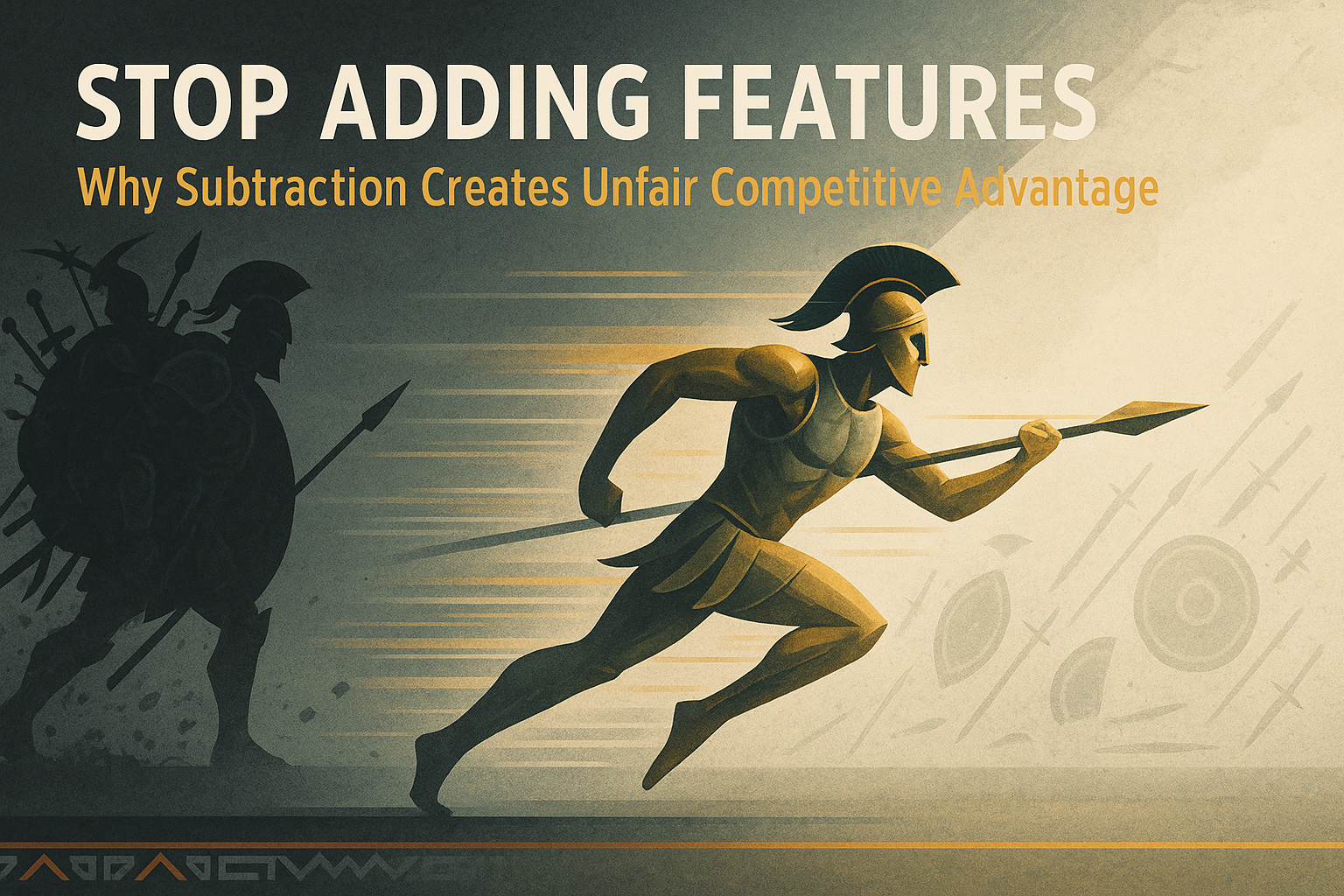
Stop Adding Features: Why Subtraction Creates Unfair Competitive Advantage
Every feature you add slows every decision. Every process you maintain steals focus. While everyone accumulates complexity, strategic subtraction creates unfair competitive advantage. The lighter you are, the faster you move.
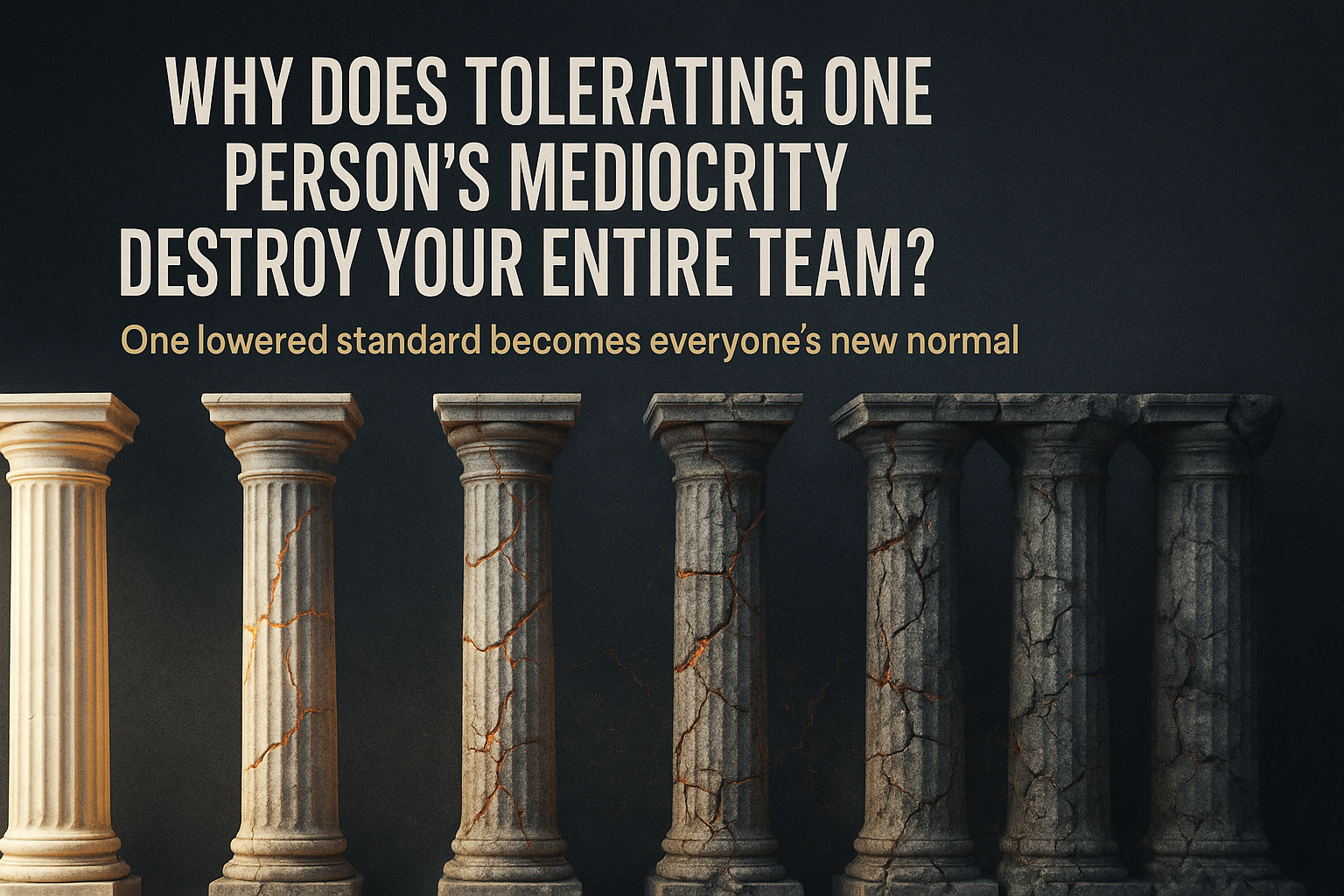
Why Does Tolerating One Person's Mediocrity Destroy Your Entire Team?
Mediocrity spreads like wildfire once you signal it's acceptable. Leaders who tolerate good enough from one person send a message to everyone that standards are negotiable. Excellence demands eliminating compromises at the source before they become cultural norms.
Your People Are Telling You What They Need. You're Just Not Listening.
Your people are already telling you what they need. They're showing you where the problems are. But you're not hearing them because listening requires something you don't want to give: your certainty, your expertise, your agenda, your ego.

Your Focus App Isn't Working: Stop Tracking Distractions, Start Training Focus
Your focus app was never designed to make you focused. It was designed to make you dependent. Real focus comes from training attention like a muscle, not from tracking every distraction and optimizing dashboards.
Stop Following Your Passion. Start Building Excellence.
Passion is self-focused and fleeting. Excellence through service is other-focused and enduring. The Greeks never told anyone to follow their passion. They built character through craft. Here's why that matters for your work.
Akrasia: Why You Sabotage What You Know Is Right
You know exactly what you should do. You've known for months. So why aren't you doing it? The ancient Greeks had a word for this: akrasia, acting against your better judgment. And they understood it's the ultimate killer of excellence.
Why Trying Harder Makes You Worse (And How to Let Excellence Flow)
You built the conditions. You trained your attention. Now stop trying so hard. The excellence you're forcing toward shows up when you allow it to emerge.
Why Real Learning Only Happens Under Pressure
Real competence emerges when comfort dies and stakes are real. The professionals who thrive in crisis weren't trained in safe environments, they were forged under pressure.
The Organizational Excellence Delusion
Most companies aren't consciously choosing mediocrity. They're living in a complete fantasy about their own capabilities while demanding breakthrough results from infrastructure designed for average performance.
Why Leaders Who Don't Need Applause Get All the Respect
The leaders who command the most respect don't need your applause to do the work. And that's exactly why you can't stop watching them.

Strategic Imperfection: Why Good Enough Beats Perfect Every Time
Perfectionism isn't high standards. It's fear management. Strategic imperfection creates more progress than perfect ever could.
The Discipline Gateway: Why Real Freedom Costs More, Not Less
The brutal truth about freedom: it's not the absence of constraints, it's the wisdom to choose the right ones.
AI-First Leadership: Guiding Organizational Transformation
Most leaders want AI transformation results without undergoing the leadership metamorphosis it requires. Here's what AI-first leadership actually demands.
Why Leaders Who Don't Endorse Others Stay Relationally Poor
Your willingness to risk your reputation for someone else's growth reveals everything about your actual confidence in your leadership.
AI First Culture: Organizational and Process Transformation
Culture doesn't just eat strategy for breakfast. Culture will devour your AI transformation, shit out the bones, and ask for seconds.
The Internal Locus Revolution: Why Everything Is On You (And That's Your Advantage)
Most people spend their lives as victims of circumstances they created. Here's why accepting that you're both the source and solution to your problems is the ultimate advantage.
Scaling AI First Collaboration Across the Organization
Scaling AI First isn't 'more tools for more teams.' It's mode discipline, runnable playbooks, and iteration systems that make capability compound across functions.
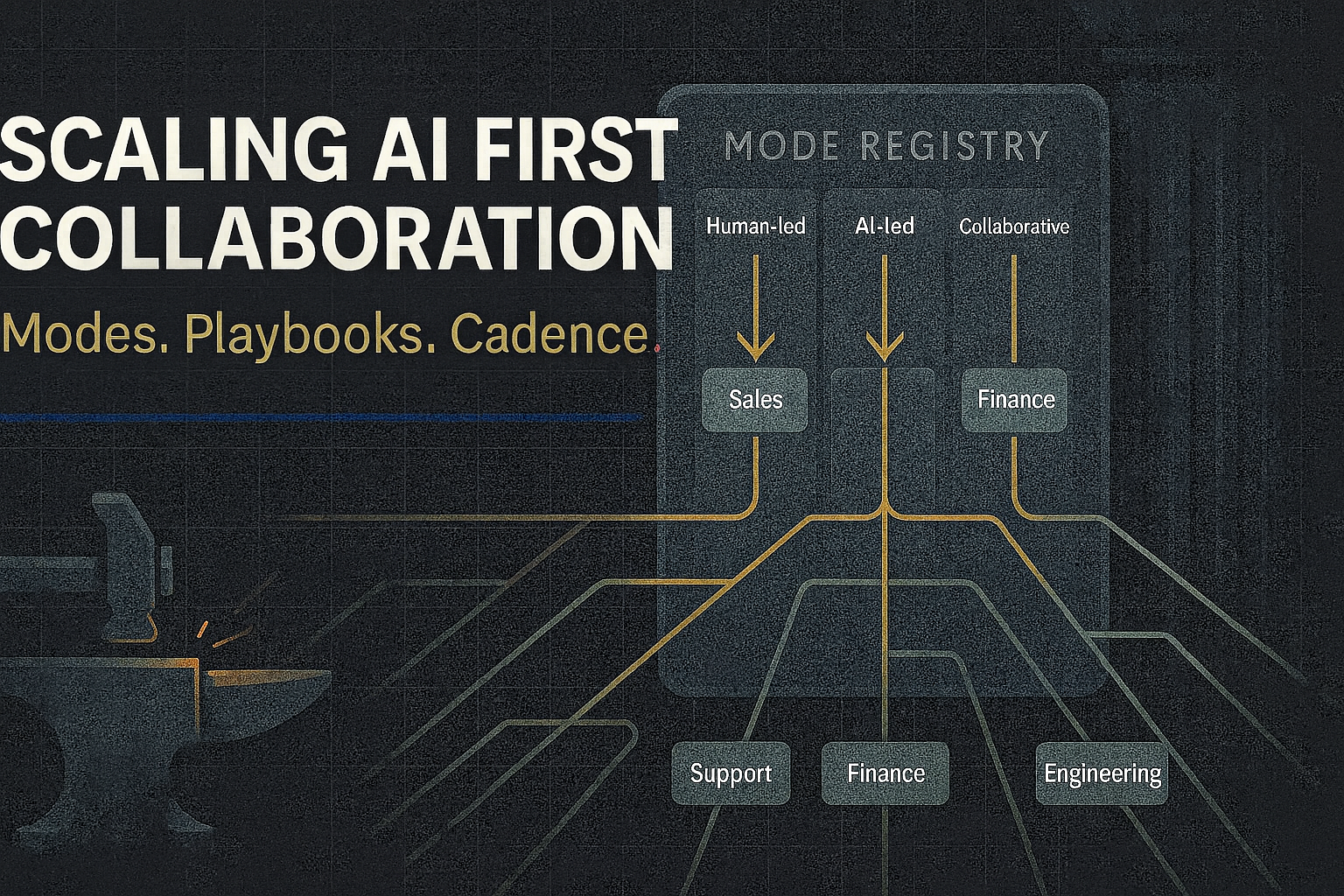
The Architecture of Human AI Collaboration
Most leaders add AI tools to human workflows. The breakthrough is designing collaboration architecture where human judgment and AI capability compound each other from the ground up.

Why Greatness Demands Imbalance
True greatness cannot be evenly distributed across all areas of life simultaneously. Excellence requires strategic imbalance, knowing when and where to concentrate your full intensity, and having the wisdom to let other areas temporarily receive less attention.
AI First: The Identity Revolution
The real AI revolution isn't about the technology. It's about who you become when you stop fighting it and start forging yourself in its fire.
The Madness of Excellence: Why Every Exceptional Person Gets Called Crazy
The madness of excellence has two faces: seeing what others can't and doing what others won't. Both will get you called crazy. Both are required for greatness.
The Vibe Code Fallacy: Why Playing It Safe Is the Riskiest Strategy
When smart engineers choose the safety of understanding over the risk of adaptation, they're not avoiding debt, they're accumulating it. The compound cost of caution might be the riskiest strategy of all.
The Output Stage: Where Excellence Meets Impact (Arete)
Output (Arete) is where internal mastery becomes external transformation. Discover how to bridge personal excellence to world-changing impact through systematic application of ancient wisdom.
The Craft Stage: When Skill Becomes Second Nature (Techne)
You don't have a knowledge problem. You have a craft problem. Most people understand excellence intellectually but lack the embodied competence to execute it consistently. Techne bridges the gap between knowing and doing.
The False Path Trap: Why Clear Roads to Lesser Goals Kill Excellence
I chose government safety over startup fire, and it didn't just stall my career, it eroded my soul. The trap of 'practical' choices that kill excellence.
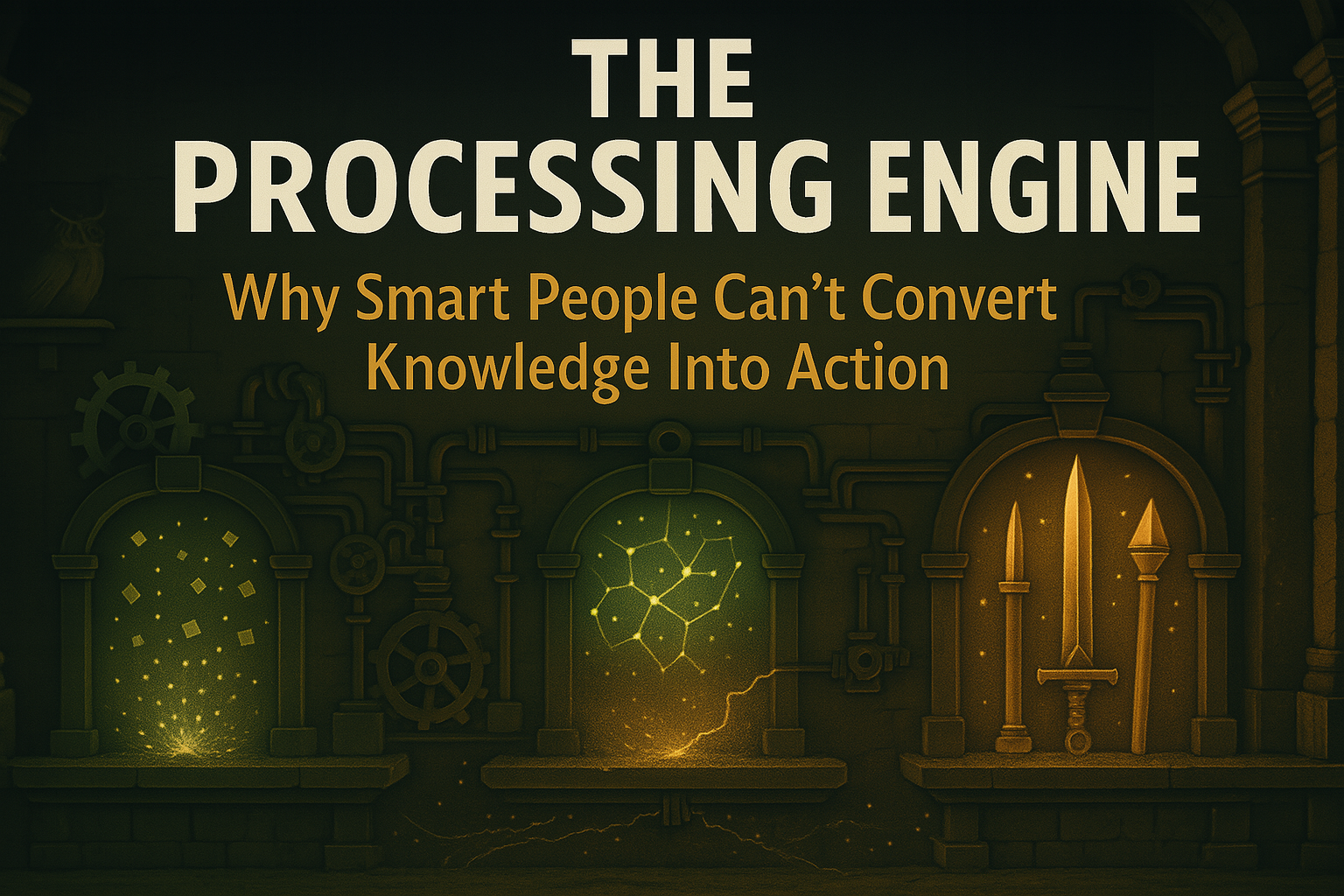
The Processing Engine: Why Smart People Can't Convert Knowledge Into Action
You consume endless information but produce mediocre results. The problem isn't what you know, it's how you process what you know. Smart people excel at input but fail at transformation. Time to build your Processing Engine.
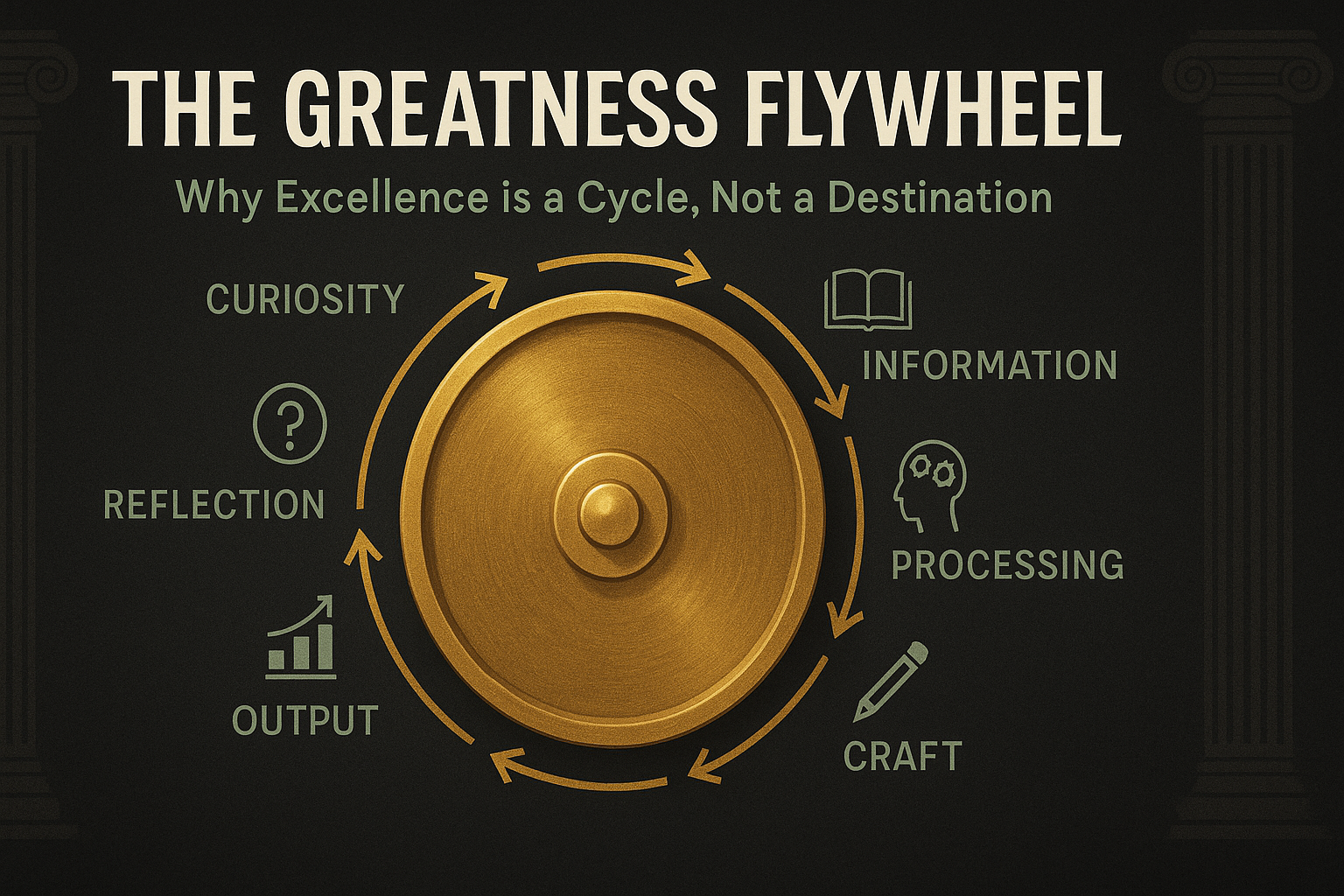
The Greatness Flywheel: Why Excellence is a Cycle, Not a Destination
Excellence isn't a destination you arrive at once and maintain through willpower. Excellence is a flywheel. The six-stage cycle that transforms ancient Greek wisdom into systematic excellence methodology.
The Unlimited Courage Question: The Single Test That Cuts Through All Self-Deception
Most people disguise cowardice as prudence. Here's the single question that cuts through all self-deception and reveals what you're really running from.
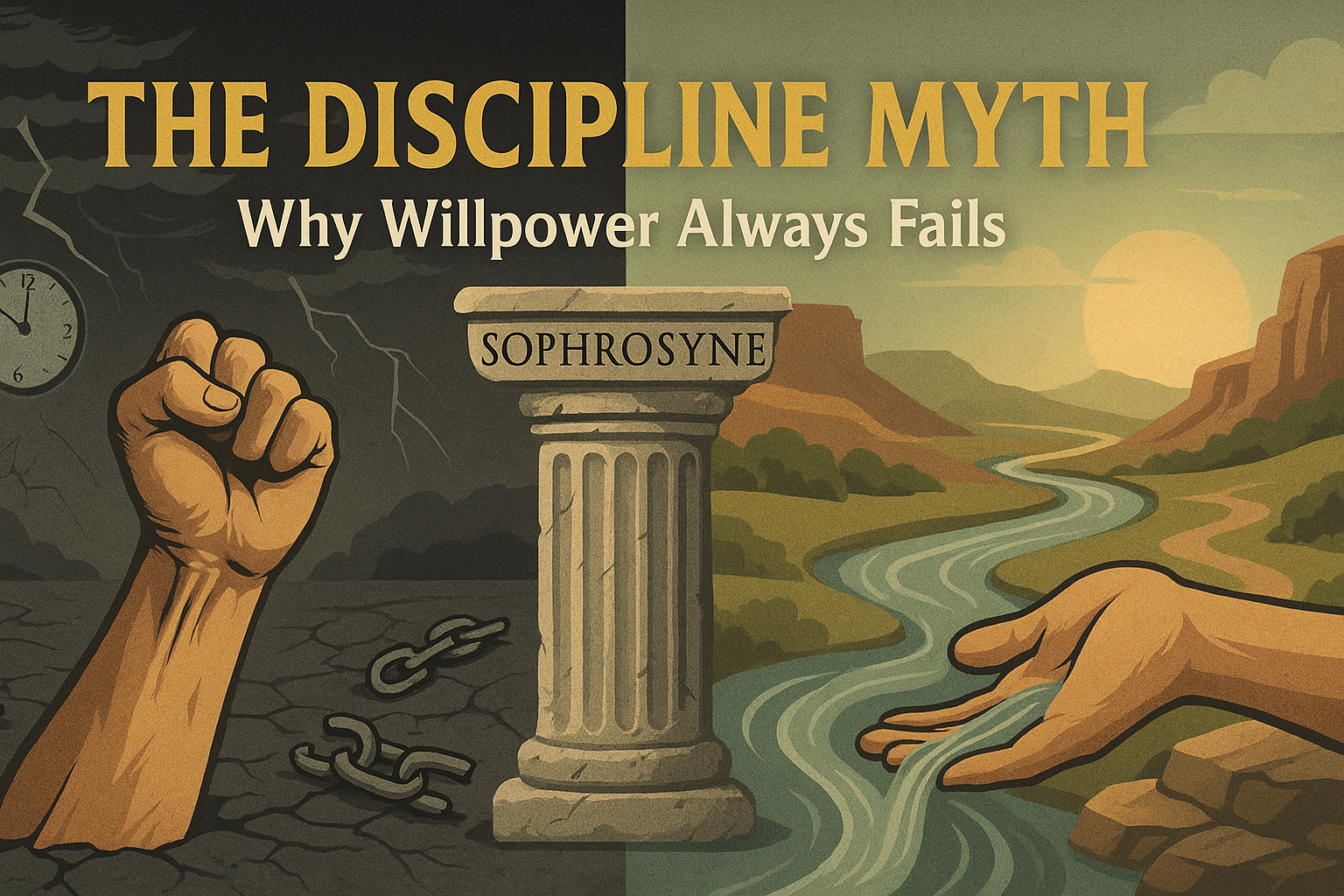
The Discipline Myth: Why Willpower Always Fails
Most people think discipline means forcing yourself to do things you don't want to do. This fundamental myth keeps people trapped in cycles of failure and self-recrimination.
The Philosopher King: Ancient Wisdom for Modern Leadership Integration
Plato's most radical leadership idea wasn't about power or position, it was about character. The philosopher king represents the ultimate integration of wisdom, excellence, courage, and transformation. Here's how to stop managing systems and start transforming people.
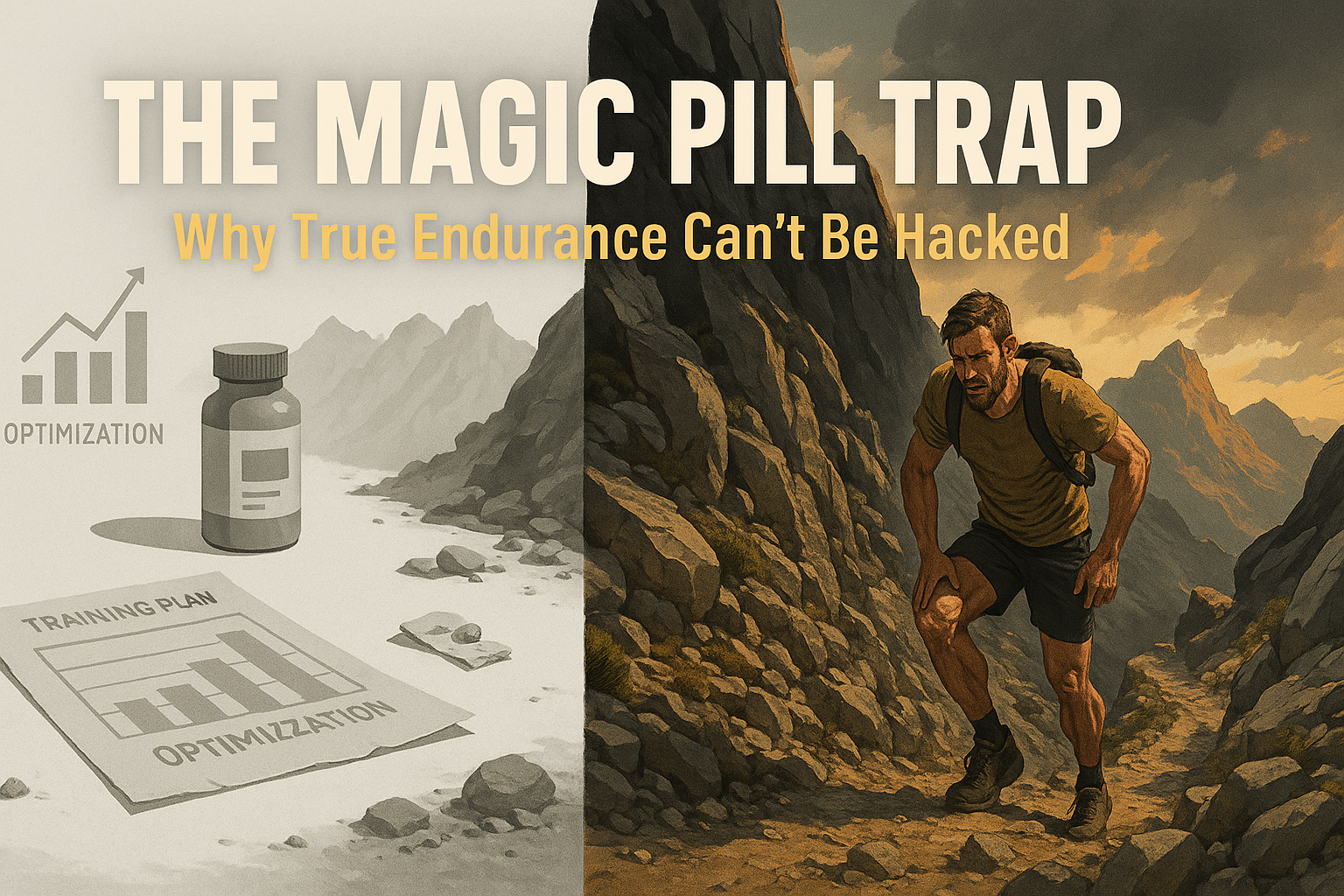
The Magic Pill Trap: Why True Endurance, in Running, Leadership, and Life, Can't Be Hacked
Trail running exposes the magic pill trap poisoning all growth: Want endurance? Embrace sustained discomfort, no hacks allowed.
Metanoia: The Transformation Mindset for Leaders
The Greeks understood that lasting change requires complete transformation of mind, heart, and character. Most organizational change fails because leaders try to change everything except themselves. Here's the ancient solution.
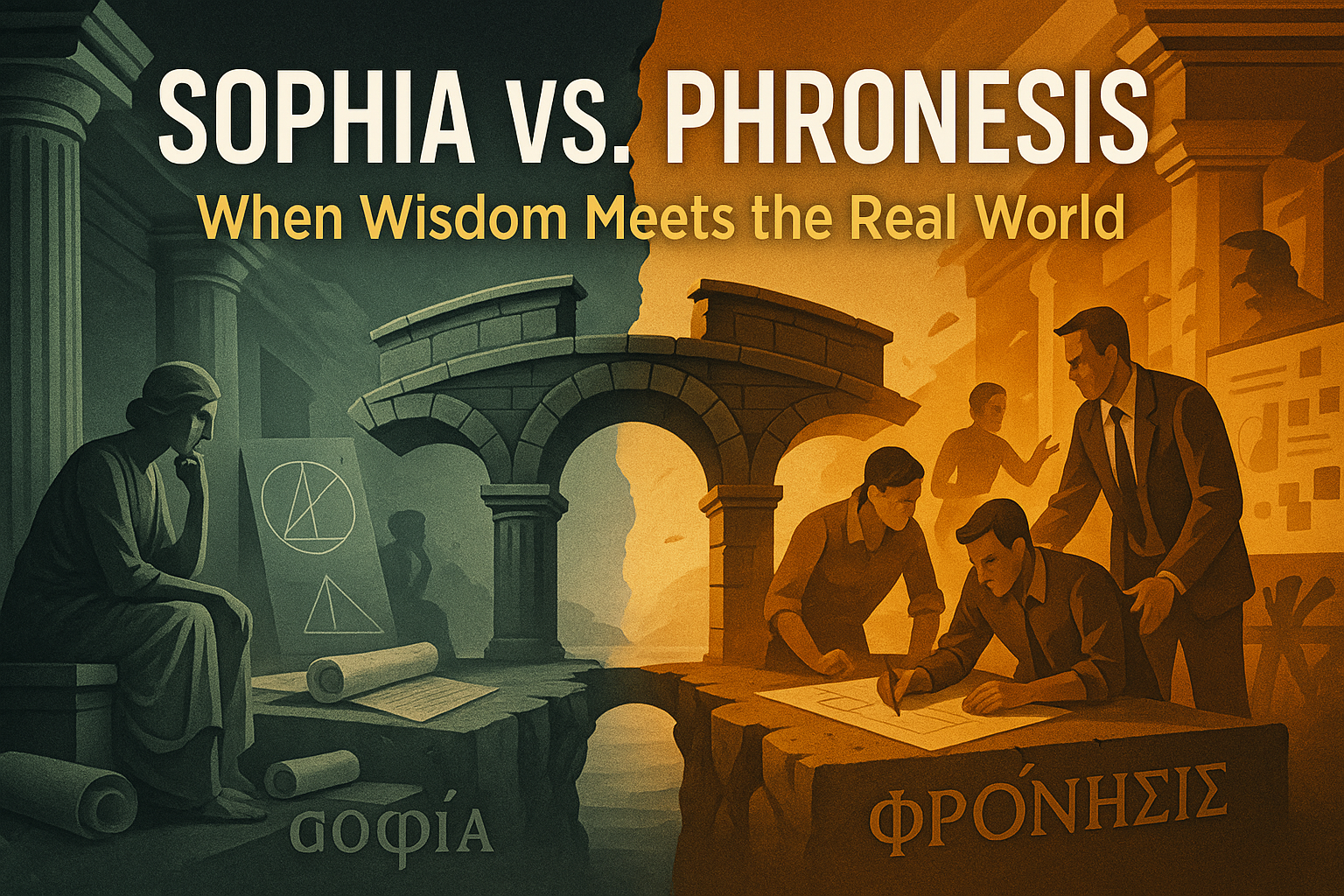
Sophia vs. Phronesis: When Wisdom Meets the Real World
Why brilliant strategies fail and how ancient Greek wisdom provides the solution through integrating theoretical and practical wisdom.
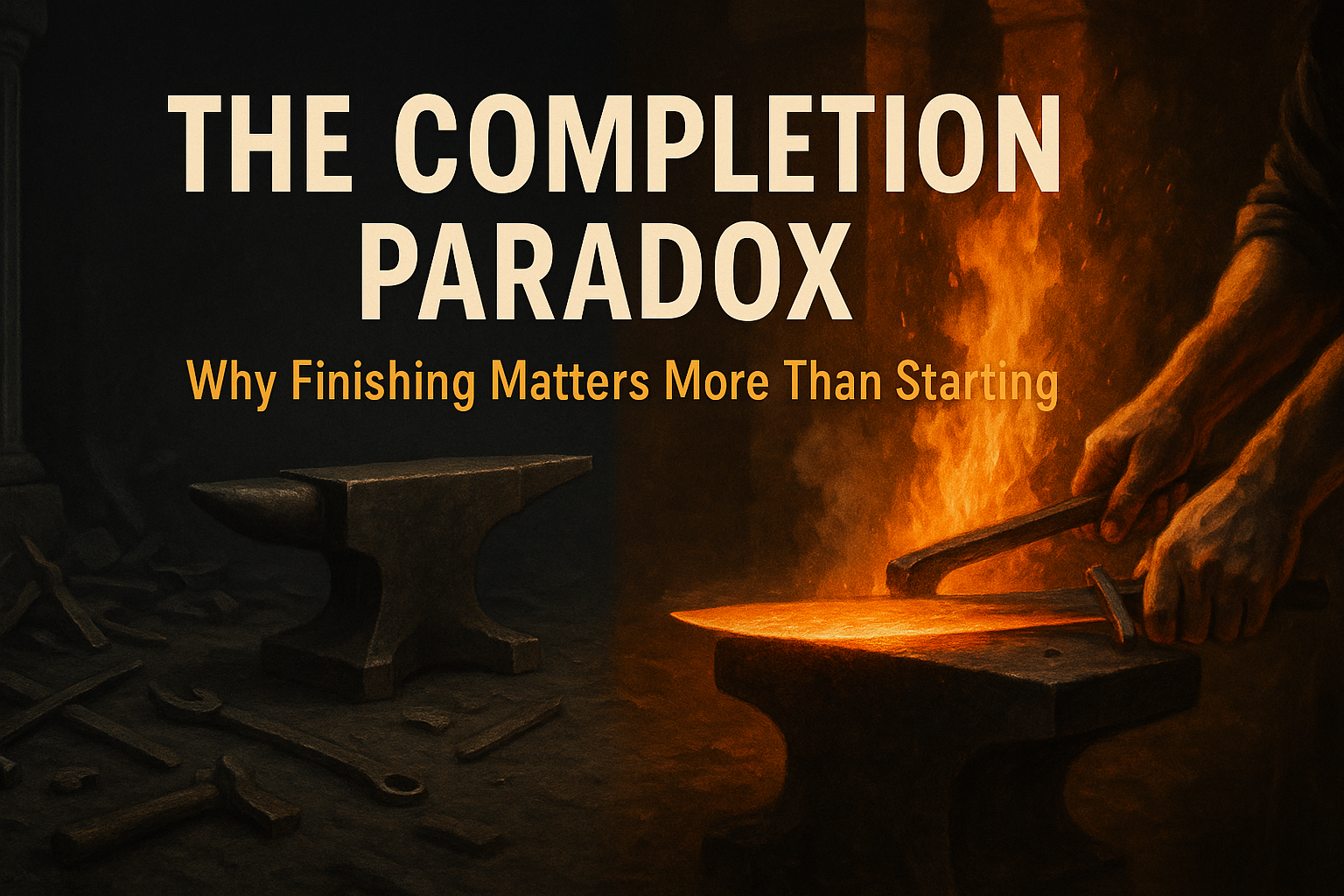
The Completion Paradox: Why Finishing Matters More Than Starting
You don't have a motivation problem. You have a completion problem. Every unfinished project is evidence that you can't trust yourself to follow through. Here's how to build the character that finishes what it starts.
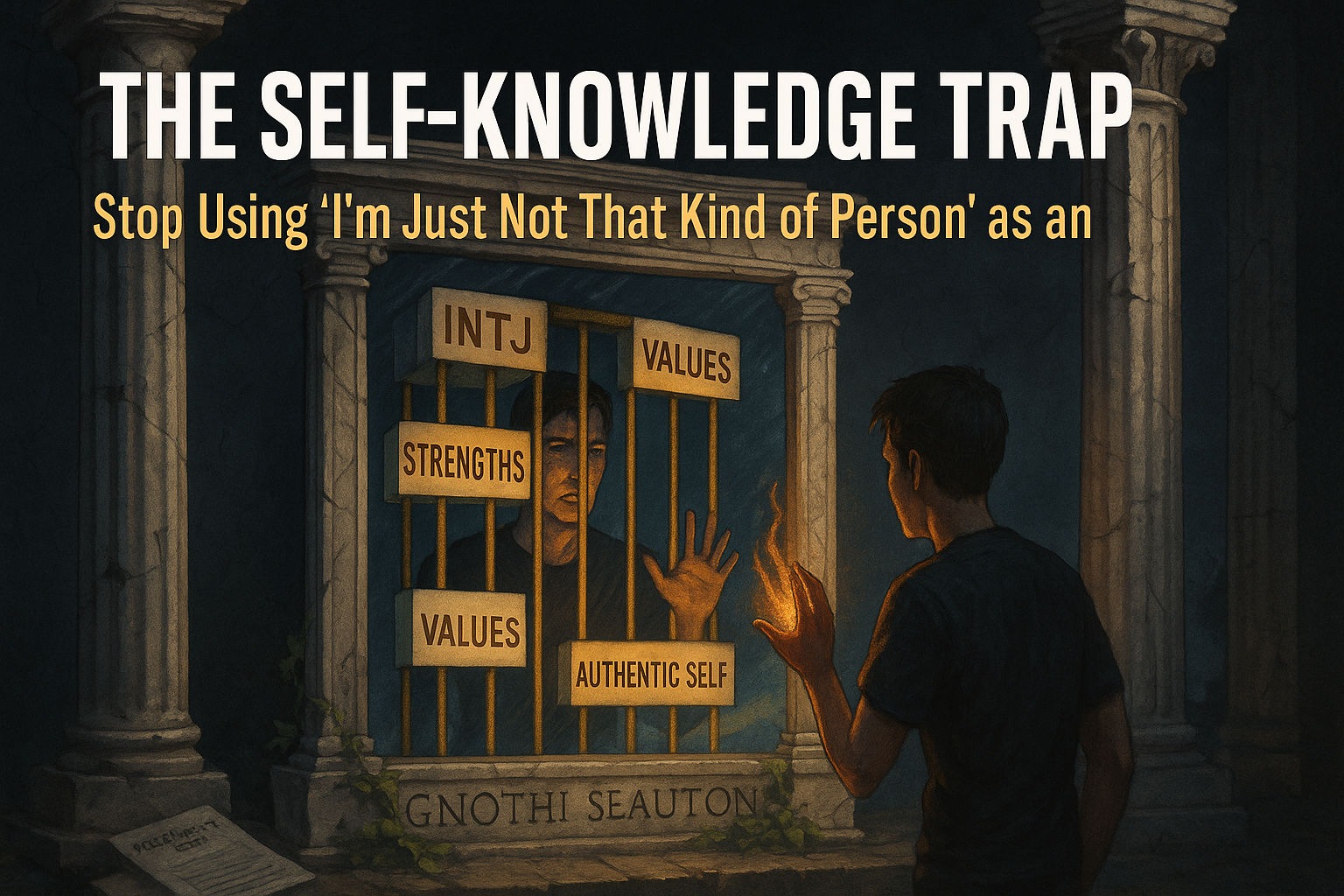
The Self-Knowledge Trap: Stop Using 'I'm Just Not That Kind of Person' as an Excuse
We turn personality tests and strengths into excuses for staying small. 'I'm just not that kind of person' sounds authentic but kills growth. Here's how to stop bullshitting yourself.
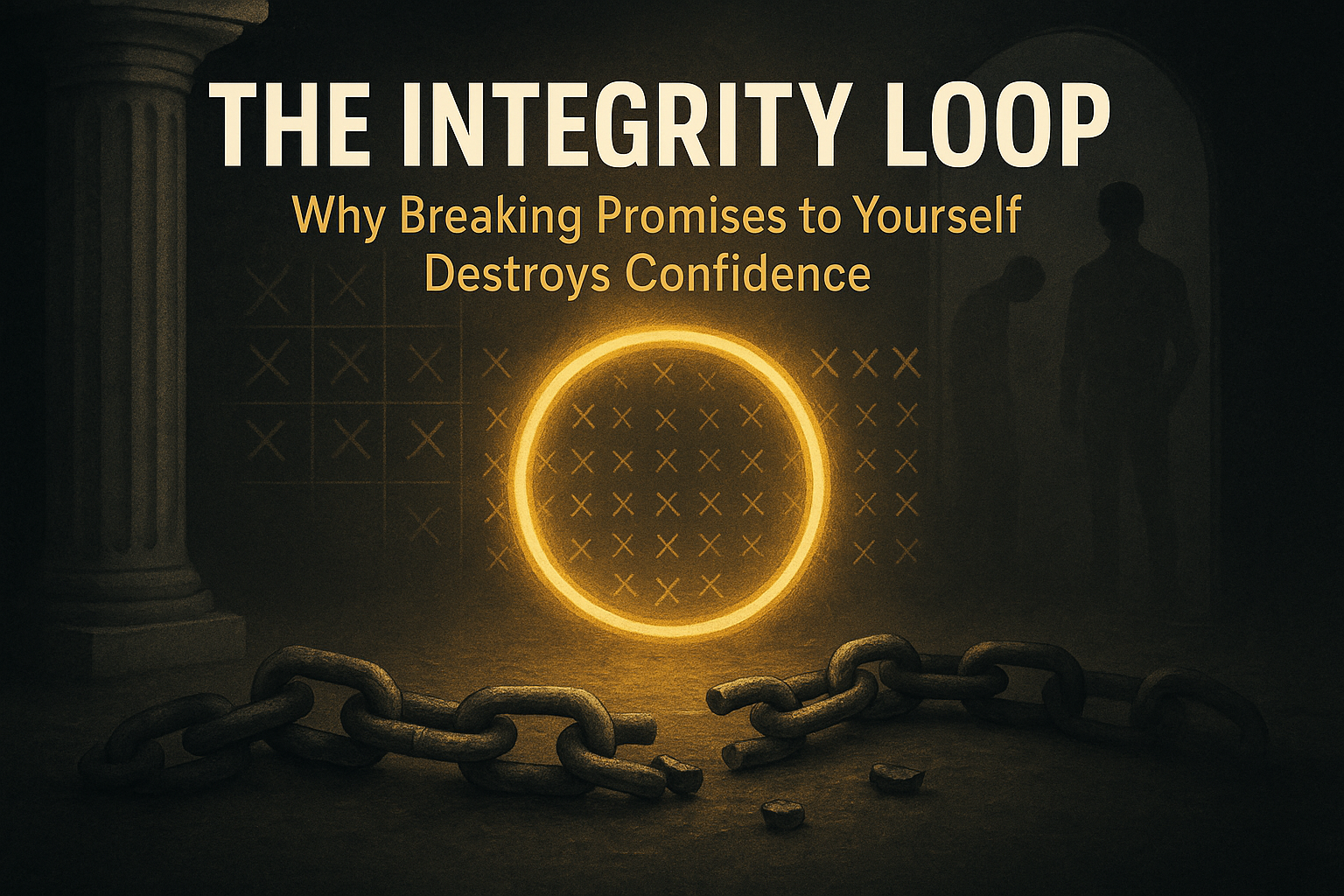
The Integrity Loop: Why Breaking Promises to Yourself Destroys Confidence
Your word is your bond, including the word you give yourself. Every broken promise to yourself erodes your confidence. Every kept promise builds it. This isn't productivity, it's character work.
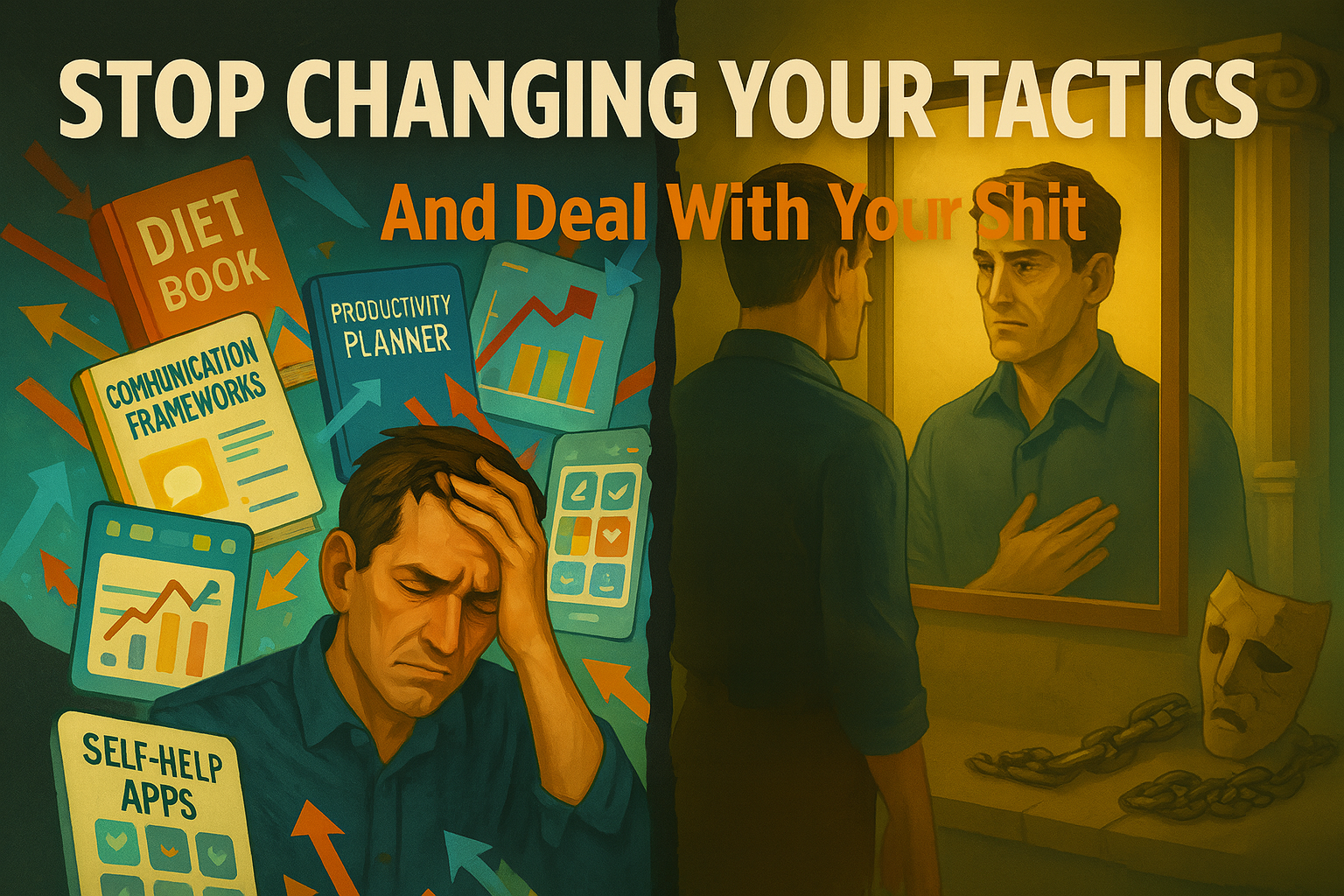
Stop Changing Your Tactics and Deal With Your Shit
You're not struggling with willpower. You're not lacking the right system. You're protecting the disease by treating the symptoms.
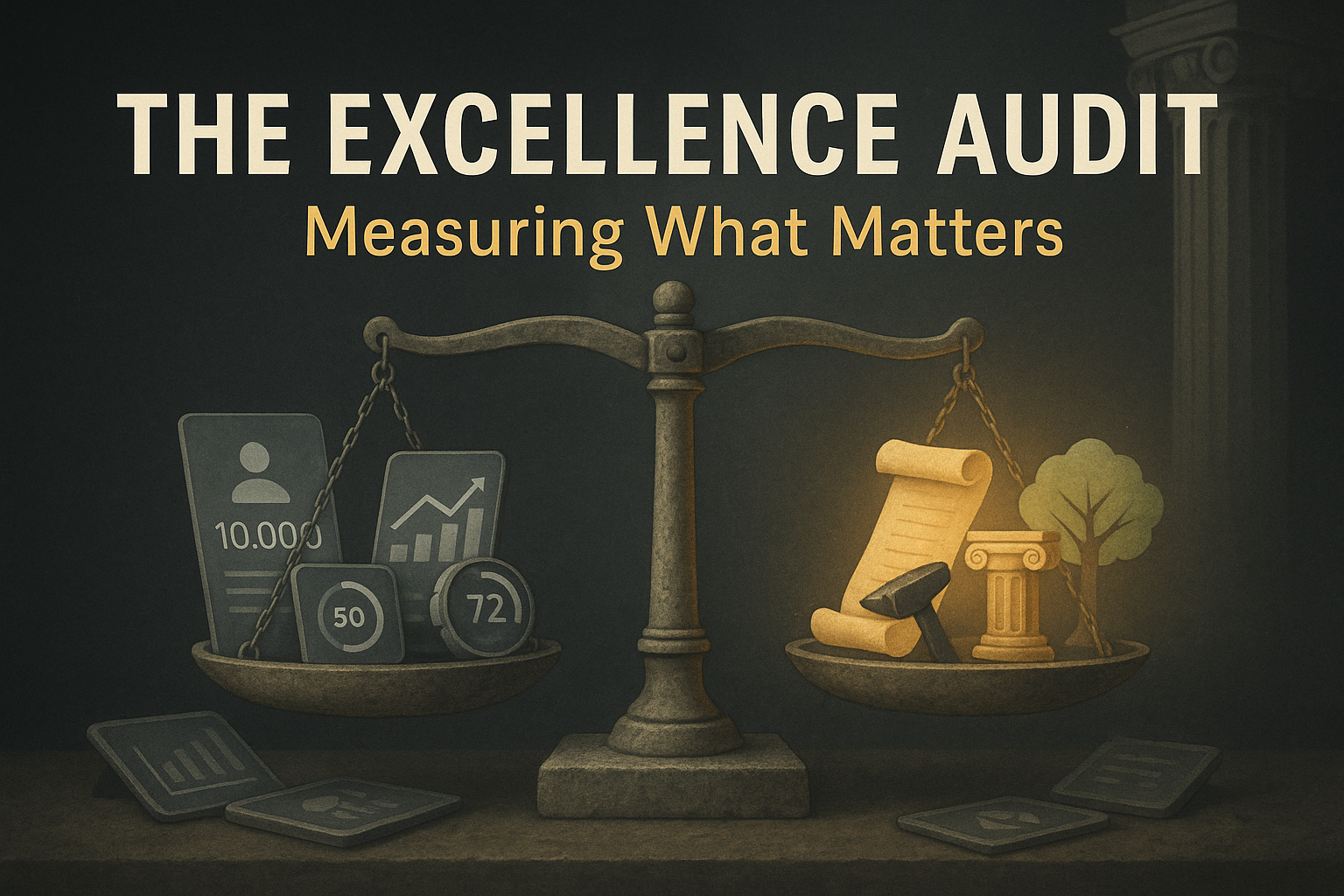
The Excellence Audit: Measuring What Matters
Most people track what's easy to measure rather than what actually drives excellence. Learn how to audit your metrics and ensure you're measuring character development, not just performance theater.
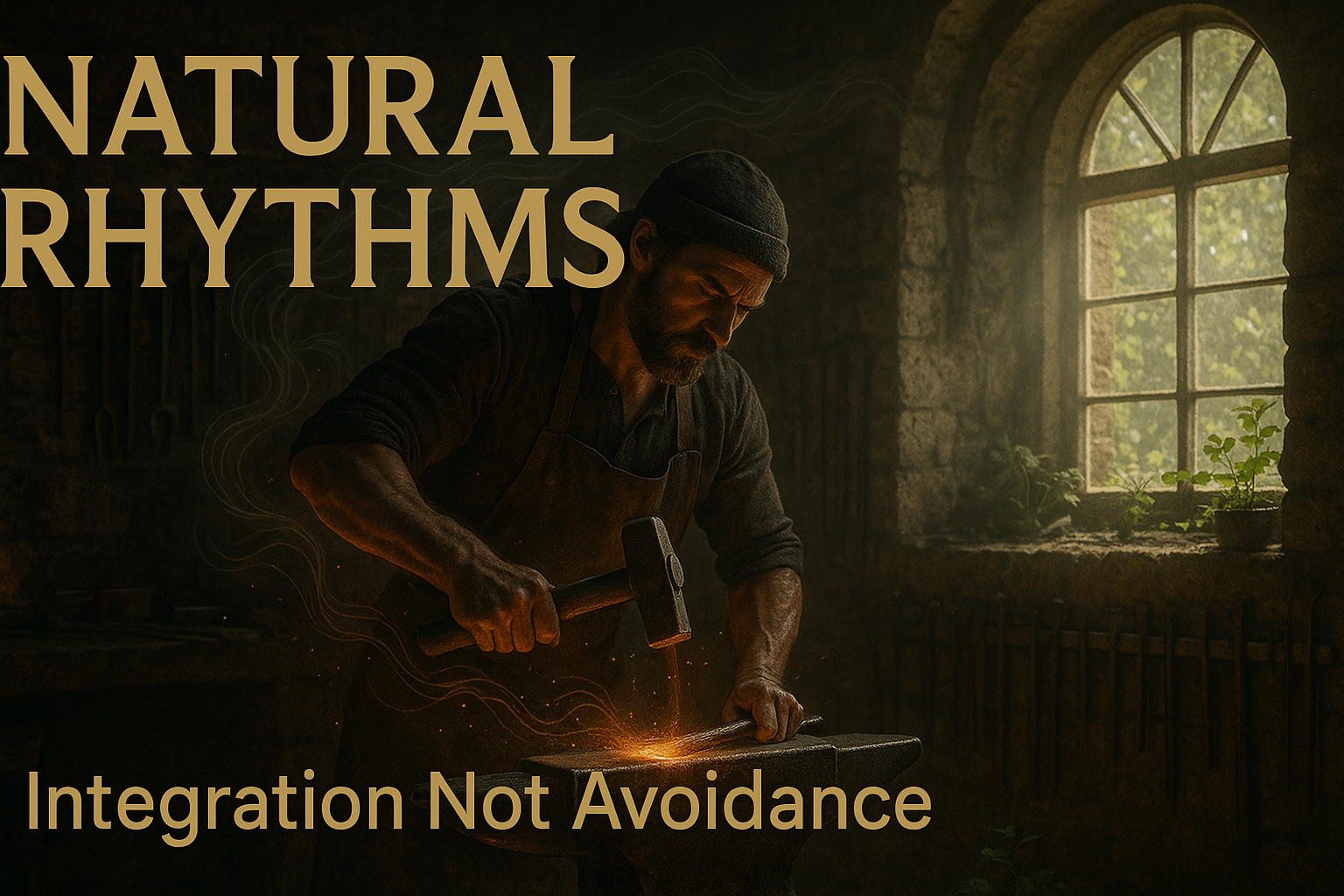
The Natural Rhythms vs. Discipline False Choice: Integration Not Avoidance
Most productivity advice forces you to fight your authentic rhythms, creating internal conflict and unsustainable systems. Here's the Natural Rhythms Integration Model that honors both authenticity and growth.
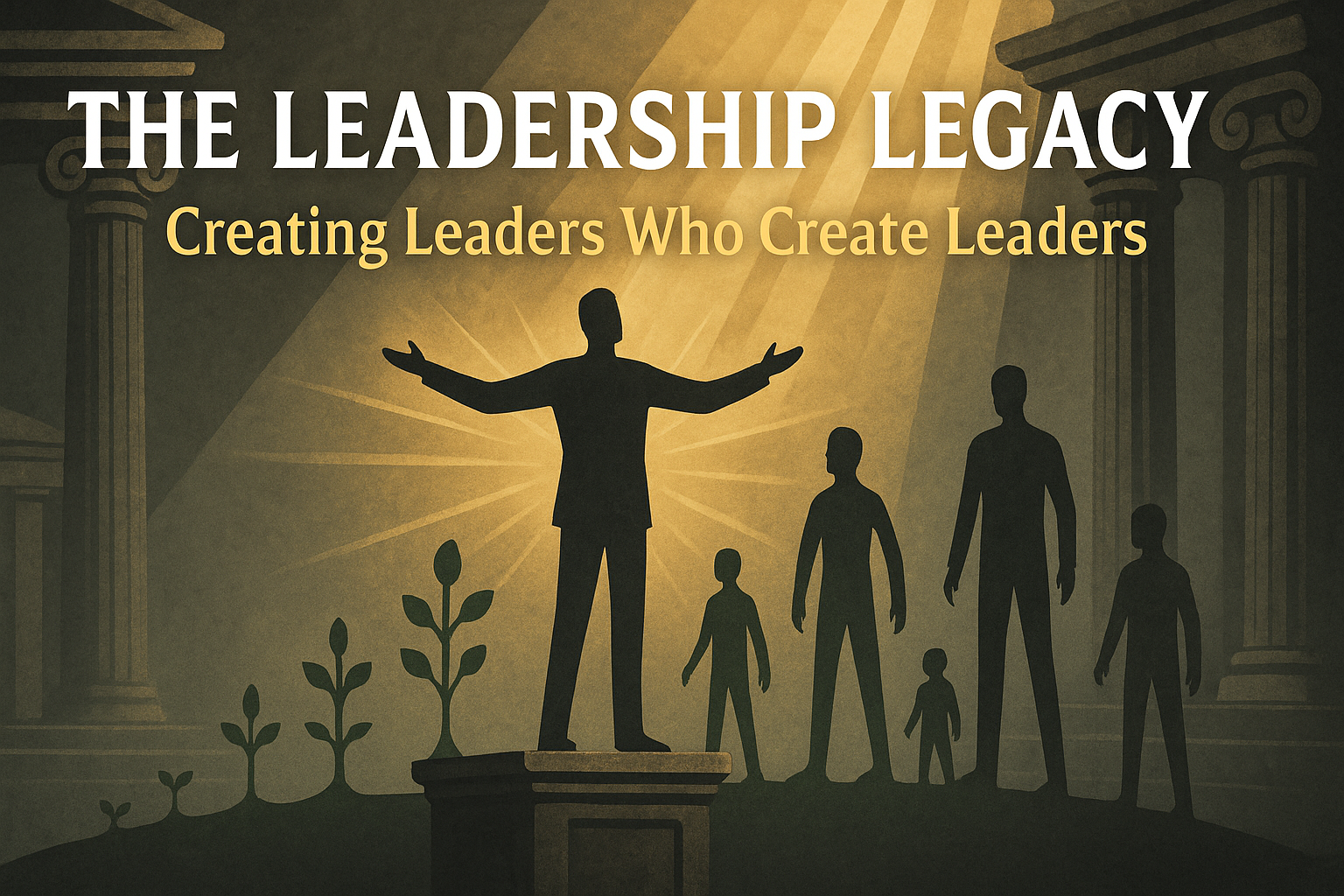
The Leadership Legacy: Creating Leaders Who Create Leaders
The ultimate test of leadership isn't what you accomplish, it's what continues after you're gone. Here's how exceptional leaders create legacies by developing other leaders who develop leaders.
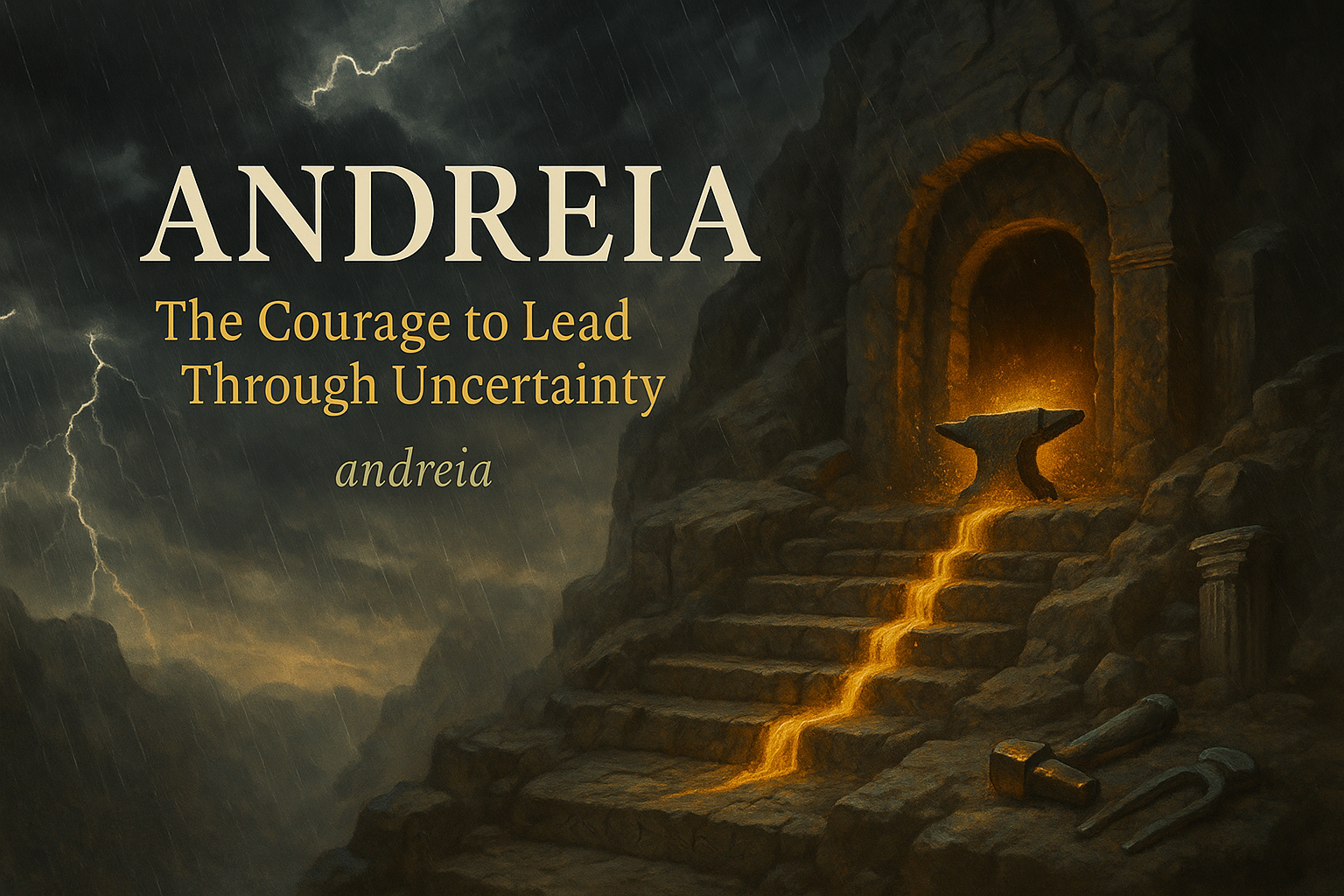
Andreia: The Courage to Lead Through Uncertainty
The Greeks understood that courage isn't the absence of fear, it's the commitment to excellence despite uncertainty. This ancient virtue transforms how you lead through risk, change, and the unknown.
The Stretch Paradox: Why Safety Enables Greater Challenge
The greatest challenges require the greatest safety. Great leaders understand this paradox: the more psychological safety you create, the more difficult challenges your team will tackle. Here's the framework that makes it work.

The Character Multiplier: How Authentic Leaders Create More Leaders
Most leaders create followers. Great leaders create leaders. But the rarest leaders create character—and character creates everything else. Here's how authentic leaders systematically develop character in others.
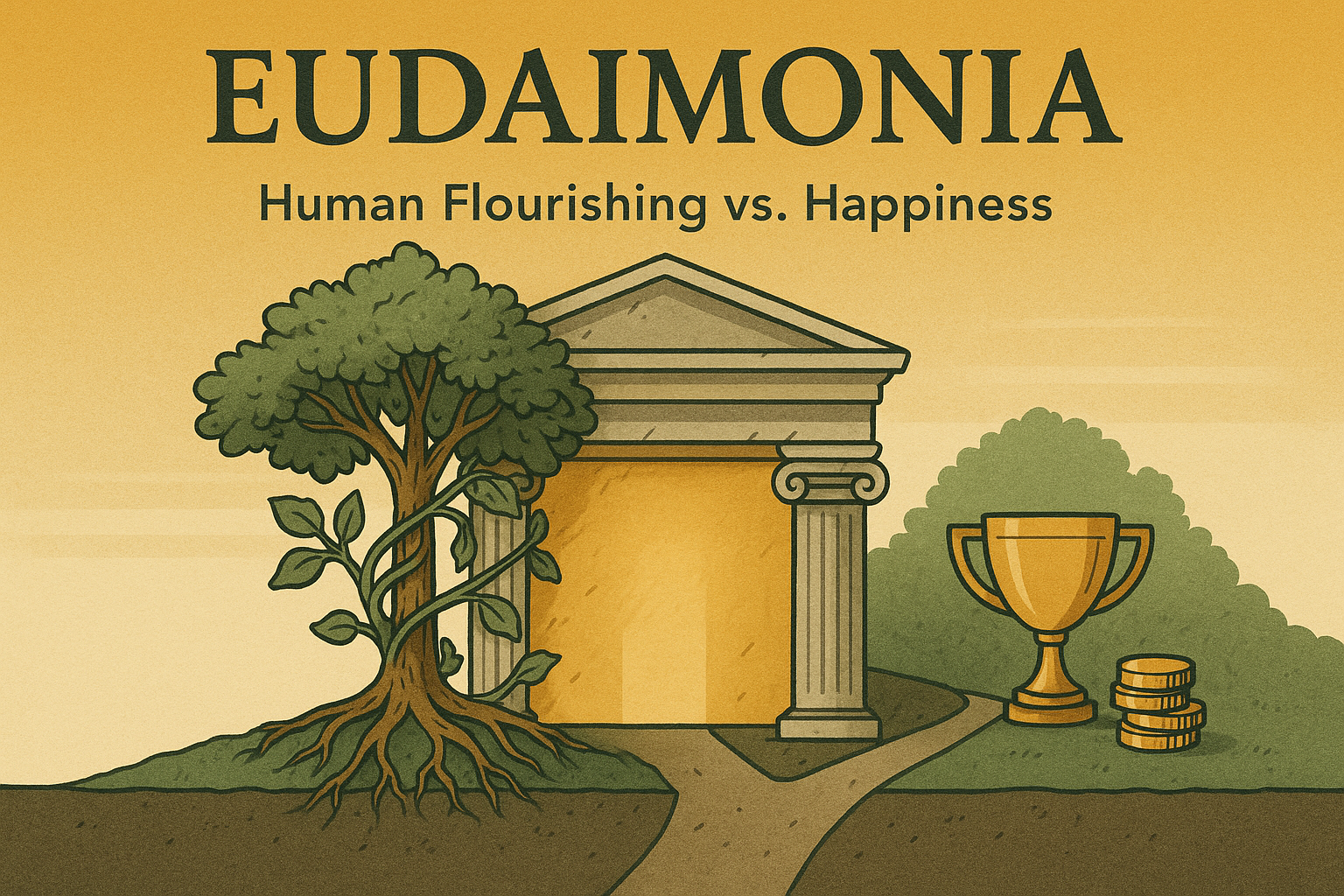
Eudaimonia: Human Flourishing vs. Happiness in Modern Leadership
Most leaders chase happiness and end up empty. Ancient wisdom reveals why: they're pursuing the wrong goal. Eudaimonia, human flourishing, transforms everything about how you lead and why it matters.
The Team Leader Transformation: Why Organizational Change Isn't About Size
Companies obsess over team size while ignoring the fundamental truth: transformation happens at the leader level, not the team level. Size is a symptom, leadership is the cause.
The Skinner's Law Productivity Revolution: Hacking Motivation Through Pain and Pleasure
Discover how B.F. Skinner's revolutionary insights into pain and pleasure can engineer unstoppable motivation. Learn the five-method framework that turns behavioral psychology into practical productivity mastery.
The Problem Solver's Paradox: How Winners Create Value Through Solutions
The most indispensable people aren't those who avoid problems, they're those who actively seek them out and solve them effectively. Here's the framework for building that rare and valuable skill.
Building AI-First Teams: The Leadership Transformation
The future belongs to leaders who can build teams that don't just use AI tools, but think AI-first. This requires a fundamental transformation in how we hire, develop, and structure technical teams.
Creating Environments for Excellence: The SPACE Model
Excellence isn't just about individual character, it's about creating environments where excellence becomes natural, inevitable, and sustainable for everyone. Here's how leaders architect the conditions for human flourishing.
Arete: Why Excellence is a Way of Being, Not Achieving
The Greeks understood something we've forgotten: excellence isn't something you achieve, it's something you become. This fundamental shift changes everything about how you approach work, leadership, and life.
The Validation Trap: Why Seeking Approval Kills Excellence
The most liberating realization: those people you're trying to win over aren't worth winning over. Energy spent seeking approval is energy not spent building excellence. Time to break free from the validation trap.
The Disney Churro Effect: Why Context Kills Quality Judgment
Your 5-star vacation restaurant would get 2 stars at home. Context isn't an excuse for mediocrity, it's a test of your standards. The Disney Churro Effect is killing your judgment, and you don't even know it's happening.

The Information Trap: Why Knowledge Without Action Is Just Entertainment
Most of your learning is actually entertainment in disguise. Here's why information without action is intellectual hoarding, and how to transform from consumer to creator through practical implementation.
The Execution Advantage: Why Imperfect Action Beats Perfect Planning
Perfect plans are usually perfectly wrong. Here's why imperfect action creates better results than perfect planning, and how to build the execution advantage through courage and rapid iteration.
Creating Environments for Excellence: The Ultimate Leadership Leverage
Most leaders try to control people. Great leaders design environments. Here's why environmental design is the ultimate leadership leverage and how to create conditions where excellence becomes inevitable.
The Freedom Paradox: Why Real Independence Is Terrifying
The social media mythology of entrepreneurship sells a comfortable lie: that anyone can bet on themselves and become a millionaire working a few hours per week. The reality is far more terrifying, and far more rewarding for those with the courage to accept it.
Phronesis: The Lost Art of Practical Wisdom
The ancient Greeks had a word for the leadership skill we desperately need today: phronesis. It's not about having all the answers, it's about acting wisely when you don't.
The Authority of Example: Leading Without Position
The most influential people don't have the biggest titles. They have something more powerful, the authority of example. Here's how to lead through character, not position.

The FSD Paradox: Why We Resist the Future We Actually Want
I'm a motorsports enthusiast who loves manual transmissions. So why do I hate driving rental cars now? The rental car experience taught me something uncomfortable about human nature, and why we resist the very technologies that would improve our lives.
Andreia: Courage in the Age of Fear
The Greeks had a word for the kind of courage we desperately need today: andreia. It's not about being fearless, it's about being fear-full and acting anyway.
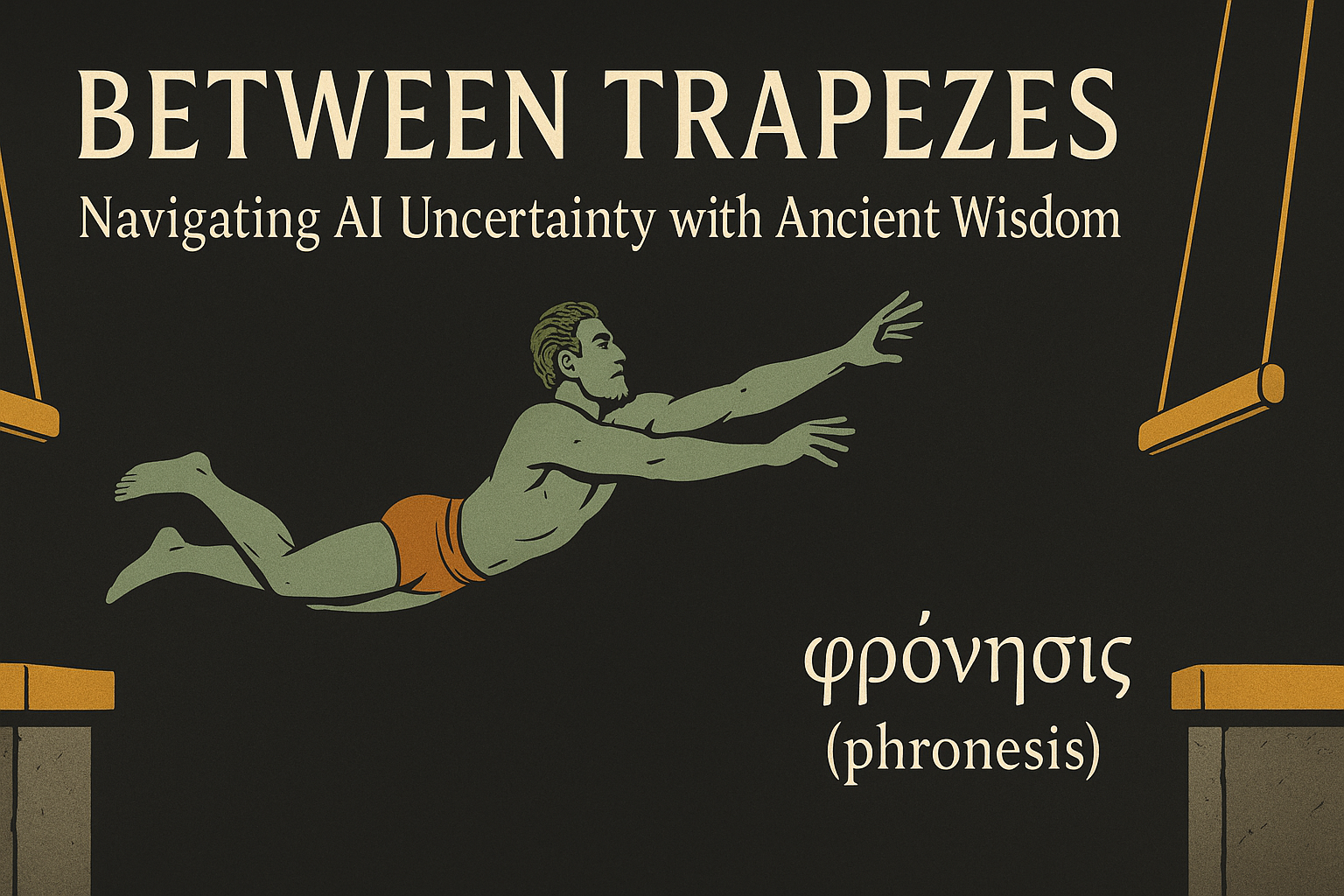
Between Trapezes: Navigating AI Uncertainty with Ancient Wisdom
In the moment between letting go of one trapeze and grasping the next, there's a space where everything depends on trust, timing, and practical wisdom. For leaders navigating AI transformation, this moment isn't a crisis, it's where excellence is forged.
Breaking Through: How Resistance Shapes Your Transformation
Every breakthrough begins with a breakdown. Resistance isn't blocking your transformation, it's forging it.

Learning Velocity: The Compound Advantage
The speed at which you can absorb, process, and apply new information becomes the ultimate edge in today's fast-paced world.
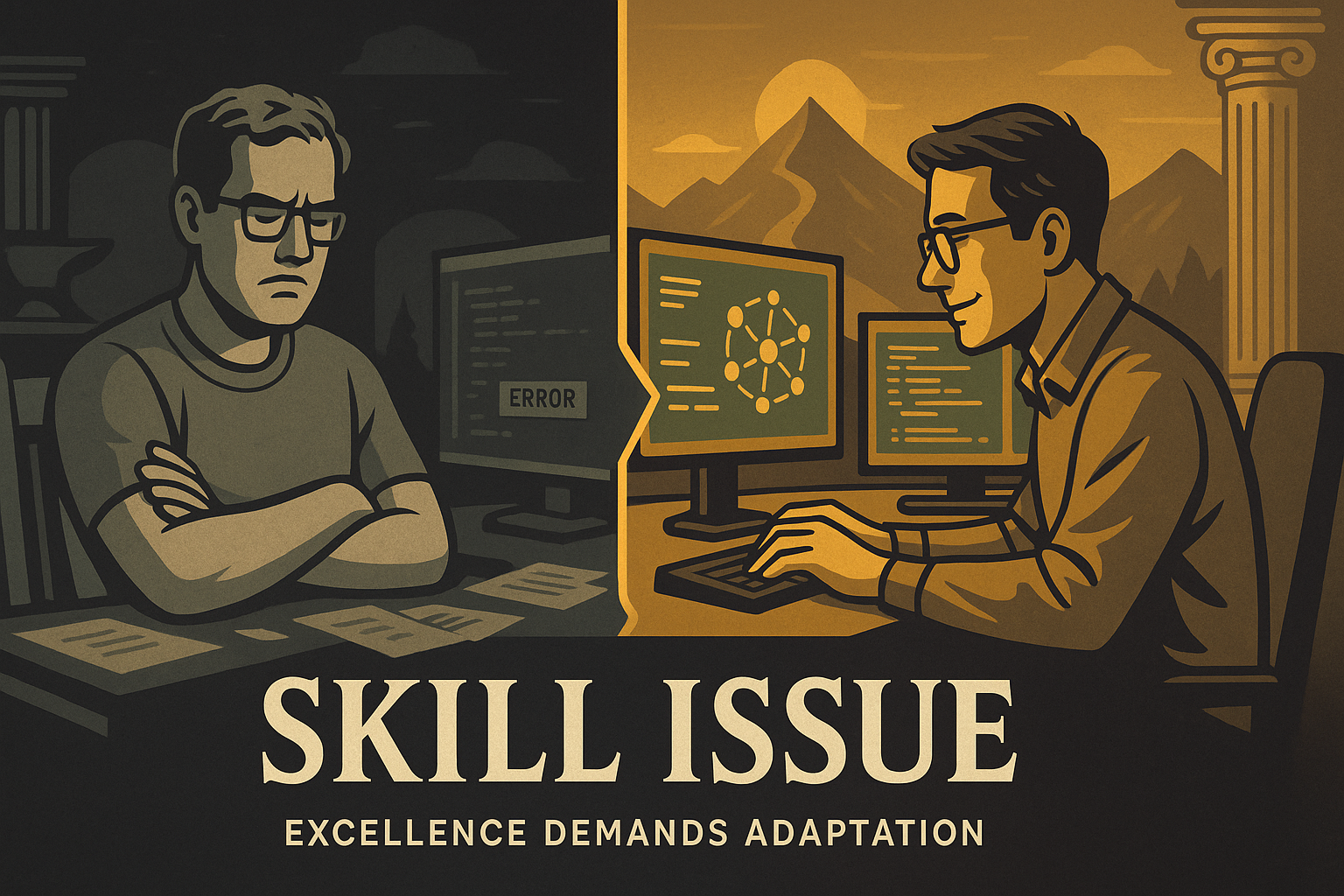
The Skill Issue: Why Engineers Who Dismiss AI Won't Make It
When you see others achieving 4-minute miles with new tools while you're stuck at 8 minutes making excuses, you don't have a tool problem, you have a skill issue.
The Discipline of Arete: Trust the Work, Not the Moment
Frustration comes when we judge ourselves by a single moment. But true growth—true excellence—comes from trusting the work, not the moment.

The Path to Excellence and Fulfillment: Areté and Eudaimonia in Modern Life
True success isn't about external achievements—it's about mastering yourself. Learn how to integrate Areté and Eudaimonia into your daily life for deep fulfillment.

Arete & Eudaimonia: The Cornerstone Philosophy of Excellence
The path to true excellence isn't found in quick fixes or surface, level achievements. It's discovered through the ancient wisdom of arete and eudaimonia, principles that have guided the greatest minds for over 2,000 years.