The Most Powerful Thing You Can Say Is Nothing
By Derek Neighbors on February 9, 2026
Power vs. Virtue: The 48 Laws Examined
A year-long examination of Robert Greene's 48 Laws of Power through the lens of ancient virtue ethics. Some laws we affirm, some we reframe, some we reject entirely.
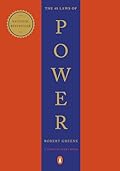
Law 4 of Robert Greene’s The 48 Laws of Power:
Always say less than necessary. When you are trying to impress people with words, the more you say, the more common you appear, and the less in control. Even if you are saying something banal, it will seem original if you make it vague, open-ended, and sphinxlike. Powerful people impress and intimidate by saying less. The more you say, the more likely you are to say something foolish.
For the first time in this series, Greene’s recommendation aligns with ancient virtue. Not because his reasoning matches theirs. Because the behavior he prescribes happens to be genuinely wise, even if he arrives at it for the wrong reasons.
The Tactical Truth
Greene is right about the mechanics.
Silence creates presence. The person who speaks deliberately commands attention in ways the constant talker never will. Words gain weight through scarcity. When someone known for restraint finally speaks, the room shifts.
Silence protects position. Every word you say is information someone else can use. In negotiations, the first person to fill silence usually concedes ground. In conflicts, the person who says more reveals more, and every revelation is a potential vulnerability.
Silence projects confidence. Nervous people talk. Insecure people over-explain. The compulsion to fill every pause with sound is a tell, a signal that you need the other person’s engagement to feel valid. Silence communicates that you don’t need approval, don’t need to justify, don’t need to perform.
But here’s what makes this law different from the previous three. Greene frames this as manipulation, a way to appear more powerful than you are. He advises being “vague, open-ended, and sphinxlike,” which crosses from restraint into deliberate obscurantism. Being sphinxlike isn’t sophrosyne. It’s theater. The virtue isn’t in cultivating mystery. It’s in having the discipline to speak only when you have something earned to say.
The reality of this law runs deeper than Greene takes it. This isn’t about appearing powerful. This is about being disciplined. The tactical benefit is real, but the character benefit is the actual prize.
The Cost of Ignoring This
Watch what happens when someone can’t stop talking.
In meetings, the person who speaks most often has the least impact. Their words become background noise. When they do say something valuable, it disappears in the flood of everything else. Volume and significance work inversely. The more you talk, the less any individual sentence matters.
In relationships, over-explaining erodes trust. When someone asks a simple question and receives a five-minute answer, the listener starts wondering what’s being defended. Defensiveness lives in the details. The person who answers directly and then stops communicates clarity. The person who keeps going communicates anxiety.
In leadership, talking too much reveals a need for control that undermines the very authority you’re trying to establish. The leader who explains every decision signals that they need buy-in to feel confident. The leader who makes the decision, states it briefly, and moves on signals that they trust their own judgment. One invites debate. The other invites action.
The compulsion to speak is almost always a compulsion to be seen, validated, or reassured. Examine the moments when you feel the urge to fill silence. What are you actually seeking? Usually it’s confirmation that the other person is still engaged, still approving, still paying attention. That need is the problem, not the silence. Most arguments don’t deserve your energy, and most silences don’t need filling.
But the deepest cost isn’t social. It’s internal. Every time you speak from impulse rather than intention, you cede sovereignty over your own mind. The person who cannot govern their speech cannot govern themselves. That loss of self-mastery damages the soul whether or not anyone is listening, whether or not a single meeting suffers for it.
And there’s a practical consequence of that lost sovereignty. Constant talking prevents you from hearing what others are telling you, both in words and in what they choose not to say. The person who can’t stop performing can’t receive information. They’re broadcasting when they should be receiving. This creates a blindness that compounds over time. People are telling you things. Silence is how you hear them.
The ARETE Alternative
For Laws 1 through 3, the arete alternative offered a different path than Greene’s recommendation. Law 4 is different. This IS the path of arete.
sophrosyne, self-restraint, is one of the four cardinal virtues in Greek philosophy. It encompasses moderation, temperance, and sound-mindedness. Applied to speech, it means understanding that restraint amplifies rather than diminishes you. This is the same foundation of delayed gratification that underlies all virtue.
The Pythagoreans required five years of silence from new students before they were allowed to speak in discussion. Not because silence was punishment, but because they understood that the capacity to speak wisely requires first developing the discipline to remain quiet. The habit of silence trains the mind to observe, process, and select rather than react and broadcast.
This isn’t suppression. It’s curation. The master craftsman doesn’t display every sketch. The musician doesn’t perform every practice session. The wise person doesn’t voice every thought. Selection is evidence of mastery, not limitation.
Epictetus taught that we have two ears and one mouth for a reason: to listen twice as much as we speak. This isn’t clever phrasing. It’s a prescription for character development. Listening forces humility. It requires accepting that the world might contain information you don’t already have. It demands enough self-possession to sit with uncertainty rather than filling it with sound.
One critical distinction: sophrosyne is the mean between excess and deficiency, not the minimum. There is a vice of too much speech, and the article you’re reading addresses it. But there is also a vice of too little. Silence becomes cowardice when injustice demands you speak, when your team needs honest feedback, when truth requires a voice. The discipline isn’t silence at all costs. It’s knowing which moments demand your words and which don’t, then having the restraint to honor that distinction.
The arete alternative to silence-as-manipulation is silence-as-discipline. Greene says be quiet to seem powerful. Virtue says be quiet because the discipline of restraint builds the kind of character that doesn’t need to perform.
Ancient Wisdom Connection
prosoche, attention or mindfulness, was central to Stoic practice. It meant maintaining awareness of your own thoughts, impulses, and reactions before they became actions or words. Marcus Aurelius practiced it daily. Epictetus considered it the foundation of all virtue.
Applied to speech, prosoche means catching the impulse to talk before it reaches your mouth. It means the brief pause between stimulus and response where you ask: does this need to be said? Does it need to be said by me? Does it need to be said now?
Try applying those three tests to your next conversation. You’ll find that much of what gets said doesn’t need saying at all. Most of what does need saying doesn’t need to come from them. And most of what’s both necessary and personal doesn’t need to happen right now.
Seneca warned against being “carried away by the pleasure of speaking.” The pleasure is real, and that’s the problem. Speaking activates the same reward as any other performance. The applause of attention, the satisfaction of holding a room, the comfort of hearing your own perspective reinforced. These pleasures can become addictive. The person who loves talking can become dependent on an audience, which means their emotional stability depends on other people’s attention. That dependency is the opposite of the self-sufficiency the Stoics considered essential.
sophrosyne in speech isn’t about withholding. It’s about recognizing that silence is its own form of communication. When you don’t respond to provocation, you communicate self-mastery. When you don’t fill every pause, you communicate comfort with yourself. When you say exactly what’s needed and nothing more, you communicate respect for both the listener’s time and the weight of your own words.
The Test
Ask yourself these questions:
-
When was the last time you stayed silent and wished you’d spoken? Compare that to the last time you spoke and wished you’d stayed silent. Most people can barely remember the first. The second happens weekly.
-
In your most recent important conversation, what percentage of your words were necessary? Not enjoyable, not interesting, but necessary. If you’re honest, the number is lower than you’d like.
-
Can you sit in silence with another person for five minutes without feeling compelled to speak? The urge to fill silence reveals your relationship with yourself. If silence is uncomfortable, ask why.
-
Do the people around you lean in when you speak, or do they wait for you to finish? This tells you everything about whether your words carry weight or simply occupy space.
-
Are you speaking to contribute, or to be seen? The honest answer determines whether your speech is virtue or performance.
Final Thoughts
For the first time in this series, Greene’s prescription and ancient virtue converge. Say less. Mean more.
But they converge for different reasons. Greene recommends silence as a power strategy, a way to intimidate, mystify, and control perception. The Greeks recommended silence as a character discipline, a way to develop sophrosyne, practice prosoche, and ensure that when you do speak, your words carry the weight of careful thought rather than the anxiety of needing to be heard.
The tactical benefits are real. Silence creates authority. Restraint commands respect. Fewer words carry more weight.
The character benefits run deeper. The person who masters their speech masters something fundamental about their relationship to the world. They learn to observe rather than perform. They develop the capacity to sit with discomfort rather than covering it with noise. They build the kind of presence that doesn’t require an audience to feel real.
But even this understates it. Silence isn’t valuable only for what it produces. It’s the condition in which the soul can encounter truth. The rational mind requires stillness to operate properly. Noise, including the noise of your own voice, is interference. The deepest reason to practice silence isn’t that it builds character or commands respect. It’s that silence is where clarity lives. You cannot think clearly while performing. You cannot hear truth while generating noise.
Greene tells you to say less so people will think you’re powerful. The Greeks say speak less so you’ll actually become wise.
One is a performance. The other is a practice.
The most powerful thing you can say is nothing. Not because silence manipulates. Because silence reveals who you are when you’re not performing. And for most people, that revelation is the one they’re most afraid of.
If you’re building the kind of character that doesn’t need an audience to feel complete, MasteryLab.co is where leaders develop sophrosyne, the discipline of restraint that transforms mere talent into genuine wisdom.