The Difference Between Grit and Stubbornness (One Builds Character, One Destroys It)
By Derek Neighbors on February 4, 2026
Angela Duckworth’s research made “grit” a virtue. What she didn’t clarify is when grit becomes something else entirely.
From the outside, grit and stubbornness look identical. Both involve continuing when it’s hard. Both require tolerating discomfort. Both get celebrated as “not giving up.”
But one builds character. The other destroys it.
We’ve made persistence a moral absolute. “Never quit” sounds noble. The Stoics knew something we’ve forgotten: some things aren’t worth persisting in, and continuing anyway isn’t virtue. It’s ego refusing to accept reality.
The Grit Path
Grit is sustained effort toward goals that are difficult but achievable, and worthy of the effort. Not just achievable, because you can persist toward trivial goals. Worthy. The pursuit develops character when the object of pursuit matters.
When you’re practicing grit, there’s alignment between your effort and the potential outcome. The goal stretches you but doesn’t break you. Progress is measurable, even if slow. The difficulty is in the work, not in the impossibility.
Training for years to master a craft is grit. The skill compounds. Building a business in a market that rewards what you offer is grit. The feedback loops exist. Developing a relationship with someone equally invested is grit. The reciprocity is real.
phronesis, practical wisdom, guides grit. The practically wise person assesses reality accurately and directs effort toward achievable excellence. They ask: Would a wise mentor encourage this pursuit? Is the goal within the realm of what effort can achieve?
The character payoff is real even when the specific goal isn’t reached, but only if the goal was worth pursuing. Grit toward mastering a craft forms different character than grit toward winning a video game tournament. The object matters. The person who practiced grit toward excellence becomes more capable, more disciplined, more resilient. The pursuit itself was worthwhile because it formed them into someone better. Finishing what you start builds a different kind of character than abandoning every hard thing.
The Stubbornness Path
Stubbornness is continued investment in goals that evidence suggests are unachievable, driven by ego’s refusal to accept sunk costs.
When you’re practicing stubbornness, there’s disconnection between your effort and any realistic outcome. The goal requires things outside your control to change. Evidence accumulates that this path is closed. The difficulty isn’t in the work. It’s in the impossibility.
Pursuing someone who has clearly rejected you isn’t grit. It’s stubbornness. Investing more in a business the market has rejected isn’t persistence. It’s denial. Trying to change someone who doesn’t want to change isn’t determination. It’s ego protection dressed as love.
prohairesis, moral choice, reveals stubbornness. The Stoics taught that our sphere of control is limited. Stubbornness is attempting to control what was never ours to control.
The character cost compounds. The person who practices stubbornness becomes more rigid, more defensive, more disconnected from reality. They develop elaborate justifications. They surround themselves with people who won’t challenge the delusion. The pursuit itself corrupts them.
The deeper corruption is this: stubbornness is fundamentally a refusal to see what is true. It’s not just misdirected effort. It’s the soul turning away from reality because reality threatens the ego. Every day the stubborn person persists, they practice lying to themselves. They get better at not seeing. The damage isn’t just wasted time or resources. It’s the erosion of the soul’s capacity for truth. Eventually, they can’t see clearly even when they want to.
The Questions That Reveal the Truth
Both paths require “not quitting” in the short term. The difference reveals itself through honest assessment.
The Evidence Question
Is there any evidence that would change your mind? Grit can answer this clearly and specifically. Stubbornness answers too, but vaguely or with constant goalpost-moving. The stubborn person has reasons, but those reasons shift whenever evidence threatens them. The tell isn’t silence. It’s the quality of the answer.
The Mentor Question
Would someone wise and honest encourage this pursuit? Not someone who loves you, because love enables. Not someone invested in your success, because investment blinds. Someone who sees clearly and tells truth without flinching. Grit passes this test. Stubbornness avoids it.
The Control Question
Is the outcome primarily within your influence? Grit focuses on controllables, on effort and skill development and showing up consistently. Stubbornness fights uncontrollables, trying to force outcomes that depend on other people’s choices or circumstances that can’t be willed into existence.
The Sunk Cost Question
If you were starting fresh today with no history in this pursuit, would you begin it? Ignore what you’ve already invested. Just ask whether the path forward makes sense. Grit says yes. Stubbornness hesitates, because the only reason to continue is what’s already been spent.
How do you distinguish a closed path from a merely difficult one? Closed paths have structural barriers that effort cannot remove: the person isn’t interested, the market doesn’t exist, the skill ceiling is reached, the opportunity has passed. Difficult paths have barriers that yield to sustained effort: the skill is hard but learnable, the market is competitive but real, the goal is distant but directionally possible. The stubborn confuse “I haven’t succeeded yet” with “success is possible.” The gritty ask whether the barrier is the kind that effort can move.
The Character Question
Is this pursuit making you better or worse as a person? Not whether it’s hard. Hard is irrelevant. Is the struggle forming virtue or eroding it? Grit builds. Stubbornness corrodes.
The Solution: Kill Criteria
Here’s what transforms quitting from emotional reaction to wisdom-driven choice: set the criteria before you begin. This is the elimination discipline applied to persistence itself.
Before starting any significant pursuit, define what success would look like at meaningful intervals. What evidence would indicate this path is closed? What resources represent the maximum reasonable investment? What would a wise advisor tell you to watch for?
Write it down. Make it specific. Create checkpoints.
At each checkpoint, assess honestly against the criteria you set when your ego wasn’t invested. Separate “this is hard” from “this is impossible.” Consult trusted advisors who aren’t invested in protecting your feelings. Make the decision based on evidence, not emotion.
A warning: kill criteria can become sophisticated excuse-making. Set them too easy, and you’ve just pre-authorized quitting when things get uncomfortable. Adjust them when convenient, and you’ve learned nothing. The discipline isn’t just setting criteria. It’s honoring them when your ego wants to renegotiate.
This isn’t planning to fail. This is practicing sophrosyne, self-restraint. The discipline to stop when stopping is wise requires more character than the reflex to continue.
And here’s the paradox: people who master this discipline rarely need to use it. Why? Because phronesis guided their initial choices. They pursued goals that were achievable. They practiced grit where grit was appropriate. The kill criteria were insurance they never needed to cash in.
Final Thoughts
Grit builds character when it serves achievable goals. Stubbornness destroys character when it protects sunk costs.
The Stoics didn’t teach “never quit.” They taught discernment. Know what’s in your control. Work with fierce dedication on what you can influence. Accept with equanimity what you cannot change.
One exception: stubbornness toward virtue itself is not the same as stubbornness toward external outcomes. The person who refuses to compromise their character despite pressure isn’t stubborn in the sense this article critiques. That’s integrity. The distinction is whether you’re persisting in what you control (your will, your choices, your character) or fighting to control what was never yours (other people’s decisions, market forces, outcomes that depend on circumstances beyond you).
Angela Duckworth gave us a valuable concept. But grit without phronesis becomes stubbornness. Persistence without wisdom becomes denial. Determination without discernment becomes ego protection.
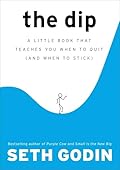
The truly gritty aren’t the ones who never quit. They’re the ones who know the difference between a dip worth pushing through and a dead end worth abandoning. They set criteria before emotion gets involved. They pursue achievable excellence with relentless dedication, and they walk away from impossible pursuits with clear eyes.
That takes more character than stubbornness ever will.
If you’re building the discernment to know when to persist and when to pivot, MasteryLab.co is where leaders develop the practical wisdom to pursue what matters.