You're Working Hard. On the Wrong Things.
By Derek Neighbors on December 3, 2025
October 1993. Michael Jordan retires from basketball.
Three consecutive championships. Three Finals MVPs. Widely considered the greatest player to ever touch a basketball. At his absolute peak, he walks away.
To play baseball.
His father had dreamed of him becoming a major leaguer. Jordan wanted to honor that dream. Noble. Admirable. Everyone applauded the pursuit.
In 1994, he played for the Birmingham Barons in Double-A. He hit .202. Struck out 114 times. Committed 11 errors in the outfield. The greatest basketball player ever was a mediocre minor leaguer who couldn’t hit a curveball.
The narrative at the time praised his work ethic. Here was a champion humbling himself, grinding at something difficult, refusing to coast on his gifts. Real growth, people said. Character development.
He returned to basketball in March 1995. Won three more championships. Cemented himself as the undisputed greatest of all time.
Those baseball years? One reading says they didn’t make him better. They just made him older. That the myth of “work on your weaknesses” cost the world two years of prime Jordan basketball.
But there’s another reading. Maybe he needed the rest. Maybe honoring his father’s memory was worth more than two more seasons. Maybe the perspective he gained fueled those final three championships. We can’t know.
What we can observe: he was mediocre at baseball and transcendent at basketball. The question isn’t whether his detour was “worth it” by some cosmic accounting. It’s whether the culture that celebrated his weakness-pursuit over his gift-development points people in the right direction. It doesn’t.
The Myth
“Work on your weaknesses.” It’s everywhere.
Every performance review has a section for “areas of development.” Every self-help book tells you growth happens outside your comfort zone. Every leadership program emphasizes becoming “well-rounded.”
The logic seems airtight. Weakness equals gap. Gap equals problem. Problem requires fixing. You’re terrible at public speaking? Get coaching. You struggle with analytics? Take a course. Your networking is weak? Force yourself to more events.
It sounds humble. Hardworking. Responsible.
And it’s created generations of people who are adequate at many things and exceptional at nothing.
The culture worships the grind. The struggle. The visible effort of conquering something difficult. What comes naturally gets dismissed. “That’s just talent.” “It doesn’t count if it’s easy.” “Real growth means suffering.”
So people abandon the things they could be world-class at to spend decades becoming passable at things that will never be their strength. The issue isn’t talent, it’s focus.
The Reality Check
Look at anyone who’s reached the top of their field. They don’t have balanced skill sets. They have spikes.
Warren Buffett doesn’t code. Steve Jobs didn’t do accounting. Serena Williams didn’t diversify into golf to become “well-rounded.” They identified what they were built for and went all in.
The developer who’s naturally brilliant at system architecture spends years in management training, trying to become a “people person.” She never becomes great at managing. And her architecture skills atrophy from neglect.
The salesperson with natural charisma grinds away at analytical skills, building spreadsheet models he’ll never love and never excel at. Meanwhile, his gift for reading people and closing deals sits underutilized.
The strategist who sees patterns others miss forces herself into execution roles because she’s been told good leaders need to be hands-on operators. She becomes a mediocre operator. And nobody benefits from her strategic vision anymore.
Here’s what nobody tells you: what comes easily to you is hard for others.
That thing you dismiss as “not real work” because it doesn’t feel like struggle? Other people would kill for that ability. They grind for years and never get close to where you started.
Your natural advantage IS the leverage point. And you’re treating it like a consolation prize.
The Hidden Cost
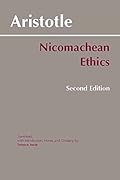
Aristotle argued that everything has an ergon: a proper function. The excellence of a knife is cutting well. The excellence of a horse is running well. The knife doesn’t become excellent by learning to hammer. It becomes excellent by becoming sharper.
What’s your ergon? What is the thing you were designed to do?
Here’s where most people get confused. A human’s ergon isn’t “what you’re good at.” It’s what a human IS. Aristotle defined humans as rational animals. Our ergon is the excellent exercise of that rational nature. This is universal. Every human shares it.
But the specific form this takes varies. Your natural gifts are the particular capacities, inclinations, and aptitudes you were born with or developed early. The things that come easier to you than to others. They’re not your ergon. They’re the medium through which you fulfill it. The question isn’t “what’s my unique purpose?” It’s “given my nature and capacities, how do I pursue excellence most effectively?”
The “work on your weaknesses” myth tells you to ignore that question. It optimizes for gap-filling instead of strength-amplification. The result is predictable.
You spend decades becoming “okay” at things that don’t matter. Real competence requires thousands of hours of deliberate practice. You can’t put those hours into everything. So you spread thin. You become a generalist in a world that rewards specialists.
Your natural gifts atrophy from neglect. The thing that could have made you exceptional gets a few hours a week while you dedicate serious time to your deficits. Skills decay without investment. Your advantage shrinks while your weaknesses improve from terrible to mediocre.
You arrive at 50 with a balanced portfolio of mediocrity. Good enough at many things to be trusted with any of them. Not good enough at anything to be sought out for it. Replaceable. Interchangeable. Adequate.
The flow states that come from operating in your zone of genius? Gone. The compounding returns of deep expertise? Forfeited. The market differentiation that comes from being exceptional? Traded for the comfort of being “well-rounded.”
The myth sold you balanced development. It delivered expensive mediocrity. And it works because your backup plan gives you permission to never commit.
The Truth
Natural gift plus deliberate practice equals world-class capability.
The path isn’t to abandon struggle. Developing your natural strengths to exceptional levels is brutally hard work. The difference is you’re applying that effort where it has leverage. Where you start from advantage instead of deficit. Where the returns compound instead of diminish.
What feels easy to you often looks impossible to others. That’s not cheating. That’s signal. The thing that comes naturally points toward your ergon. Toward what you were built for.
When you work hard on the right things, several shifts happen.
Compound interest works in your favor. Each hour of practice builds on a foundation that’s already strong, creating a greatness flywheel that accelerates over time. You’re not spending years getting to baseline. You’re spending years becoming exceptional.
Flow states become accessible. Operating in your zone of genius produces the kind of deep engagement that makes work feel like play. Not because it’s easy, but because it fits. The struggle is still there. It’s just the right kind of struggle.
Market differentiation becomes possible. Nobody seeks out the well-rounded generalist. They seek out the person who’s genuinely excellent at the specific thing they need. Exceptional capability in one area creates more value than adequacy across many.
But these are byproducts, not the goal. Plato would call them shadows. The substance is the soul’s pursuit of the Good: wisdom, justice, excellence of character. Market differentiation and career success are temporal. The development of your rational and moral nature is eternal.
Excellence is its own justification. You pursue it because it’s the proper exercise of your rational nature, not because it leads to market advantage. If developing your strengths produced no external benefit whatsoever, the pursuit would still be owed. The outcomes are welcome. They’re not the point.
The paradox resolves: working hard on what comes easily creates the greatest difficulty. Because now you’re competing at elite levels. Now you’re pushing the boundaries of what’s possible. Now the struggle is worthy of your effort.
The Shift
Start by identifying what actually comes naturally to you.
What did you excel at before anyone taught you? What do people keep asking you for help with? What problems do you solve almost automatically that others seem to struggle with? What activities put you in flow states where hours feel like minutes?
What if you’re wrong about your gift? You might be. The only way to know is to test it. Invest seriously in what seems like a natural advantage and see if it compounds. If you put in a thousand hours and remain mediocre, you misread the signal. That’s not failure. That’s information. Adjust and try again. The process of discovering your gifts IS the pursuit of excellence.
And if no obvious gift appears? Excellence is still owed. The obligation is universal. What varies is the form. Someone without a clear natural advantage pursues excellence through virtue, character, service. The path differs. The destination doesn’t.
One distinction matters here: talent is given, virtue is chosen. Your natural gifts are circumstance. What you do with them is character. Developing talent without developing virtue produces skilled monsters.
Someone who becomes world-class at their gift while becoming arrogant, unjust, or corrupt hasn’t achieved arete. They’ve achieved technical proficiency in service of a diminished soul. The goal isn’t just world-class capability. It’s world-class capability in service of something worthy, wielded by someone pursuing wisdom and justice alongside skill.
Stop apologizing for ease. The cultural programming runs deep. You’ll feel guilty for “taking the easy path.” Others may call it unfair. Resist the pull to discount your gifts because they don’t involve visible suffering.
Apply the discipline you’d give to weakness-remediation to strength-amplification instead, remembering that excellence is rented, not owned. Deliberate practice on natural gifts creates exceptional capability. Find the edge of your current ability in your area of strength. Push it. Get coaching. Study the masters. Put in the hours where they’ll actually compound.
Practice the elimination discipline and delegate your weaknesses or stay bad at them. Hire for your gaps. Partner with people who are strong where you’re weak. Or simply accept that you’ll never be good at certain things. It’s okay. Nobody is good at everything. The people pretending otherwise are just hiding their deficits better.
Audit your time honestly. How much of your development energy goes toward your natural strengths versus your weaknesses? For most people, the ratio is inverted. All that effort poured into areas that will never differentiate you. Meanwhile, the thing that could make you exceptional gets whatever’s left over.
What would change if you flipped that ratio?
The Diagnostic
Here’s the test. Look at where you spend most of your development time. Now look at what people consistently come to you for help with.
How much overlap is there?
For most professionals, those two lists barely touch. The development plan targets weaknesses. The reputation is built on strengths. All that effort going in one direction while the value creation happens in another.
Think about the natural gift you’ve been neglecting because it felt “too easy.” The thing you dismissed because it didn’t involve struggle. The advantage you’ve been treating as a consolation prize.
What would happen if you went all in on that instead?
Final Thoughts
Whatever Jordan’s baseball years meant to him personally, the cultural narrative around them was misdirection. The celebration of grinding at something that would never be his strength. The praise for abandoning his gift. That’s the myth in action.
The myth tells you struggle is the point. That suffering indicates growth. That working on weakness builds character.
But arete isn’t about becoming adequate at everything. It’s about fulfilling your proper function with excellence. The blade doesn’t become excellent by learning to hammer. It becomes excellent by becoming sharper.
What natural gift have you been neglecting because it felt too easy? What weakness have you been grinding on that will never become a strength? What would happen if you stopped apologizing for what comes naturally and started developing it into something world-class?
The grind isn’t the goal. Exceptional capability is. And that comes from working hard on the right things.
Ready to identify your natural advantages and develop them into exceptional capability? MasteryLab provides the framework and community for people serious about genuine mastery.