Eudaimonia (εὐδαιμονία): Meaning, Definition & Modern Application
yoo-dye-moh-NEE-ah
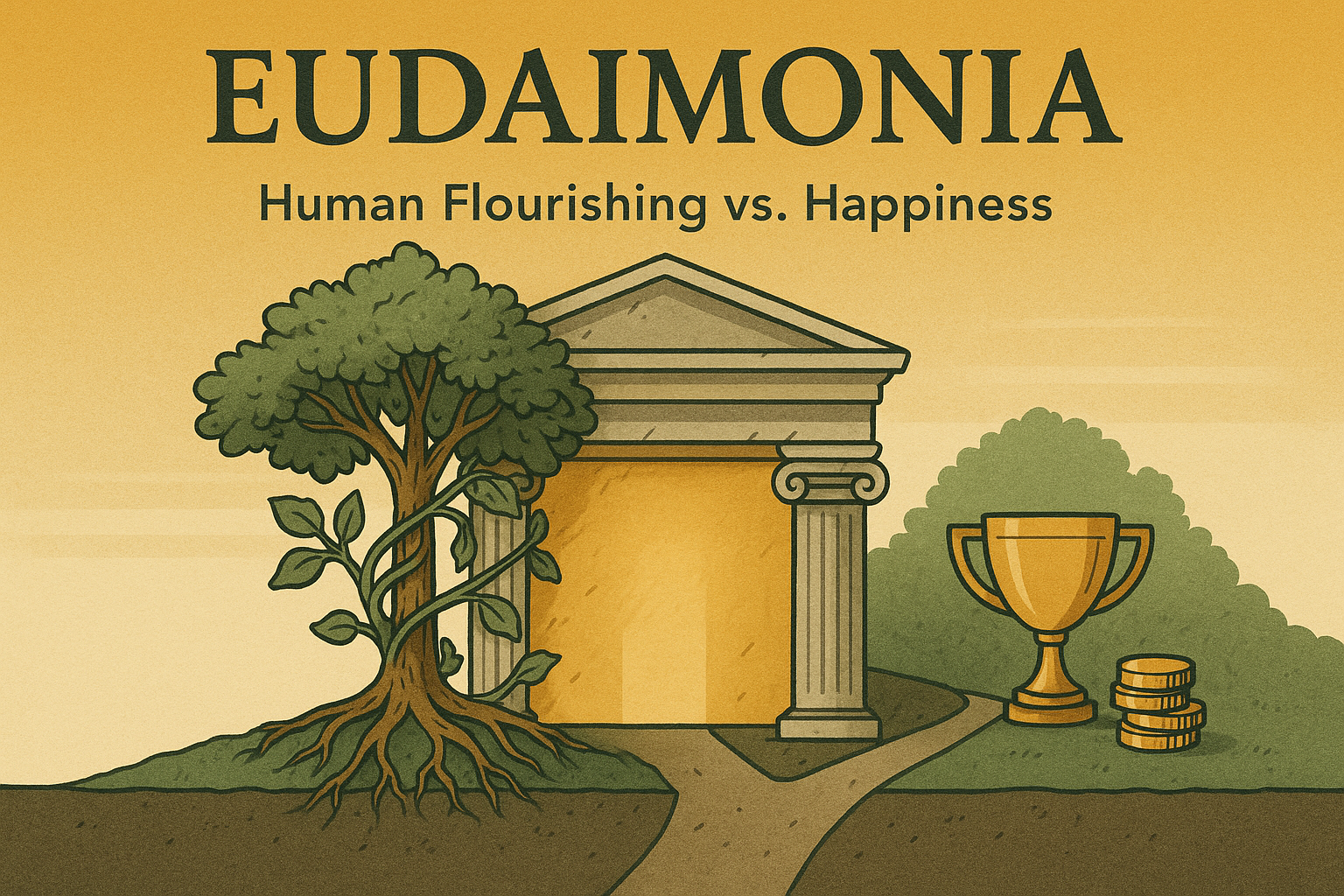
Human flourishing. The deep satisfaction of functioning as you were meant to function, living in alignment with your nature and purpose.
Etymology
From eu (good, well) and daimon (spirit, guiding force). Literally “having a good spirit” or “being well-spirited.” The ancient Greeks believed each person had an inner daimon, a guiding genius that represented their true nature. Eudaimonia meant living in harmony with this inner guide. Aristotle made it the central aim of his ethics, defining it not as a feeling but as an activity of the soul in accordance with virtue.
Modern Application
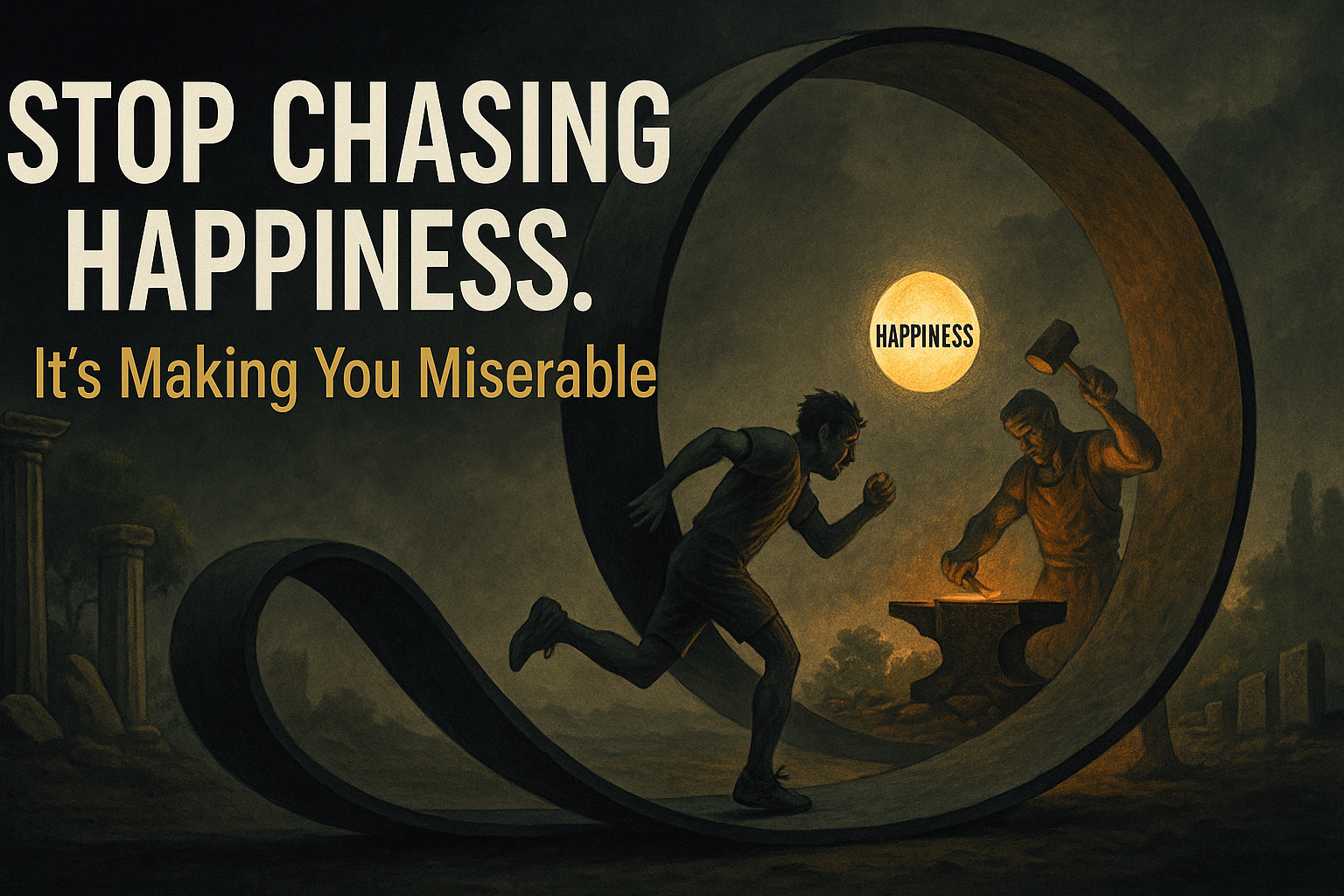
Eudaimonia isn't happiness in the shallow sense. You experience it when your work connects to meaning, when you're developing your full potential, and when your daily actions align with your deepest values. It's what you're actually pursuing when you think you're chasing success.
How to Practice Eudaimonia
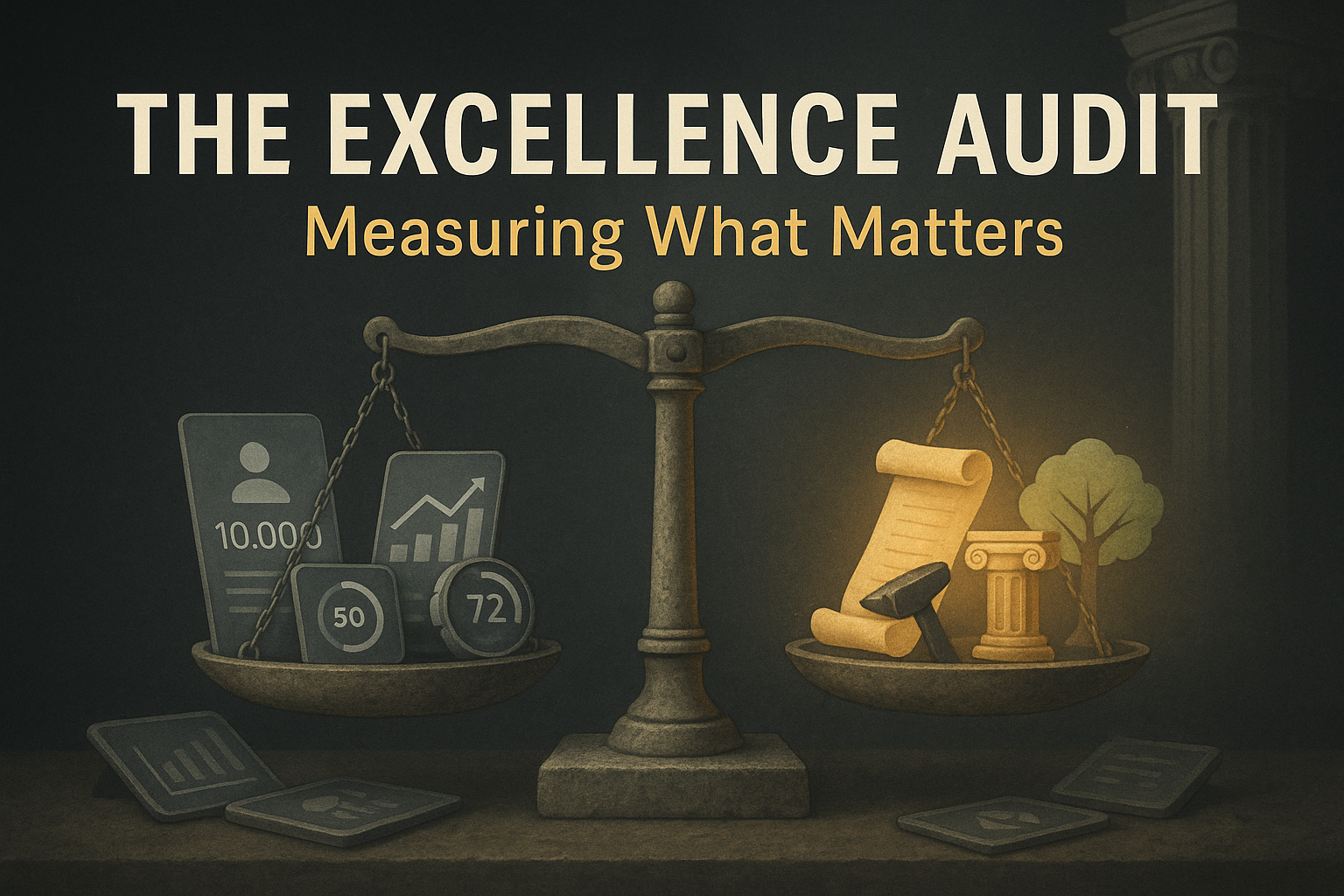
Define your three deepest values in writing, then audit your last week’s calendar against them. Where do they align? Where do they conflict? Make one concrete schedule change this week to close the gap. Each evening, rate the day on a simple scale: did your actions move you toward flourishing or away from it? Over a month, patterns will emerge showing which activities feed your sense of purpose and which drain it. Eliminate or reduce one draining activity per month. Build relationships with people who challenge you to grow, and distance yourself from those who encourage you to settle. Create a personal flourishing scorecard that tracks not only productivity but also depth of engagement, quality of relationships, and alignment with purpose. Review this scorecard weekly and use it to make one deliberate adjustment to how you spend your time. Aristotle taught that eudaimonia is an activity, not a feeling, so focus on what you do rather than how you feel.
Frequently Asked Questions
What is eudaimonia in Greek philosophy?
Eudaimonia is the Greek concept of human flourishing or living well. For Aristotle, it represents the highest human good, achieved through a life of virtuous activity in accordance with reason. It describes deep fulfillment rather than momentary pleasure. Aristotle devoted much of the Nicomachean Ethics to defining eudaimonia, concluding that it requires a complete life of virtue, not isolated moments of happiness.
What does eudaimonia mean?
Eudaimonia literally means "having a good spirit," from eu (good) and daimon (spirit or guiding force). It refers to the state of living in alignment with your true nature and purpose, functioning as you were designed to function. The ancient Greeks believed each person had an inner daimon representing their truest self, and eudaimonia meant living in harmony with that guiding force.
How do you practice eudaimonia?
You pursue eudaimonia by aligning your daily actions with your deepest values, developing your full potential through virtuous activity, and building meaningful relationships. It requires ongoing self-reflection and the courage to prioritize purpose over pleasure. Start by defining what flourishing looks like for you specifically, then audit your weekly schedule to identify where your time investment contradicts that vision.
What is the difference between eudaimonia and happiness?
Happiness in the modern sense often refers to a pleasant emotional state. Eudaimonia is deeper: it describes the objective condition of a life well-lived through virtue, purpose, and the full realization of human potential. You can experience eudaimonia during periods of difficulty if your struggle serves a worthy purpose. Aristotle would say a person living courageously through hardship in service of something meaningful is flourishing, while a person experiencing constant pleasure without purpose is not.