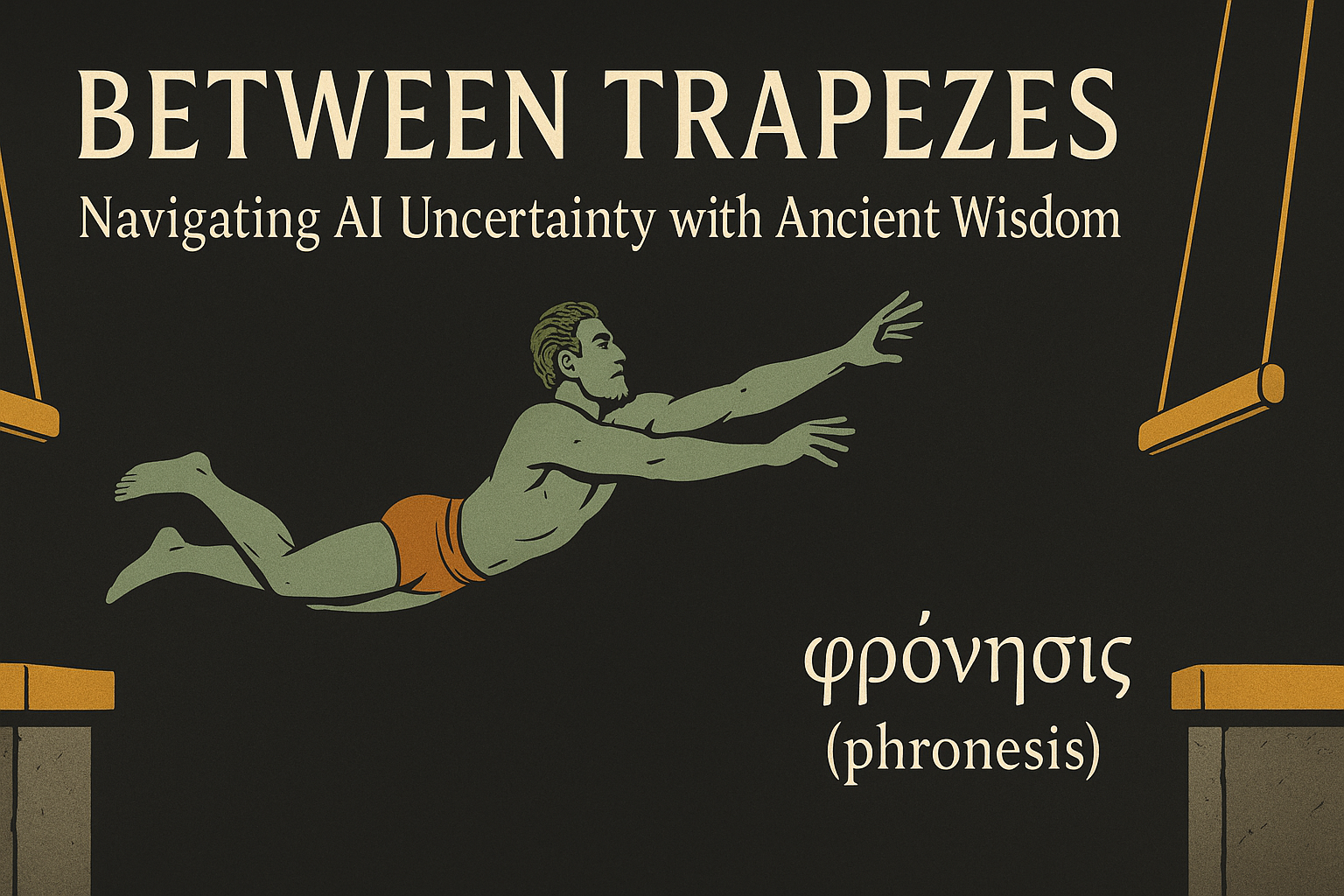
Phronesis (φρόνησις): Meaning, Definition & Modern Application
FROH-neh-sis
Practical wisdom. The capacity to discern the right action in specific situations, particularly knowing what not to do.
Etymology
From the Greek verb phronein, meaning “to think” or “to have understanding.” Related to phren (mind, diaphragm), reflecting the ancient belief that thought resided in the chest. Aristotle distinguished phronesis from theoretical wisdom (sophia), insisting that practical wisdom could only be acquired through lived experience. It became the intellectual virtue most essential to ethical action in his Nicomachean Ethics.
Modern Application
Phronesis can only be developed through action and reflection on action. You can't think your way into wisdom. It manifests more in restraint than activity, helping you avoid the obvious mistakes that derail most people's progress.
How to Practice Phronesis
After every significant decision this week, write a brief post-mortem: what did you consider, what did you choose, and what happened? Review these at month’s end to spot where your judgment was sharp and where it was clouded. When facing a dilemma, consult someone with more experience before acting, not to follow their advice blindly, but to see the situation through a different lens. Practice the discipline of restraint: before every meeting, identify one thing you could say but should not. Wisdom grows fastest at the boundary between knowing and doing. Build a personal case library of decisions and outcomes that you review quarterly, noting which types of situations still trip up your judgment. Seek out moral complexity rather than avoiding it. When you encounter a situation with no clean answer, sit with the tension and resist the urge to simplify. The discomfort of genuine dilemmas is the soil in which practical wisdom takes root.
Frequently Asked Questions
What is phronesis in Greek philosophy?
Phronesis is Aristotle's concept of practical wisdom, the intellectual virtue that enables you to discern the right course of action in specific, concrete situations. It differs from theoretical wisdom in that it can only be developed through lived experience and reflection. Aristotle considered phronesis the most essential virtue for ethical action, arguing that without it, even courage and generosity can misfire and cause harm.
What does phronesis mean?
Phronesis means practical wisdom or prudence. It comes from the Greek verb phronein (to think, to have understanding) and describes the capacity to judge what is good and beneficial in particular circumstances, especially knowing what to avoid. The related word phren originally referred to the diaphragm, reflecting the ancient Greek belief that thought and understanding had a bodily seat in the chest rather than the head.
How do you practice phronesis?
You develop phronesis through a cycle of action, reflection, and adjustment. Make decisions, examine their outcomes honestly, seek counsel from experienced mentors, and practice restraint. Wisdom accumulates through this iterative process over years, not through study alone. Keep a decision journal where you record your reasoning before acting, then revisit it after outcomes become clear to calibrate your judgment over time.
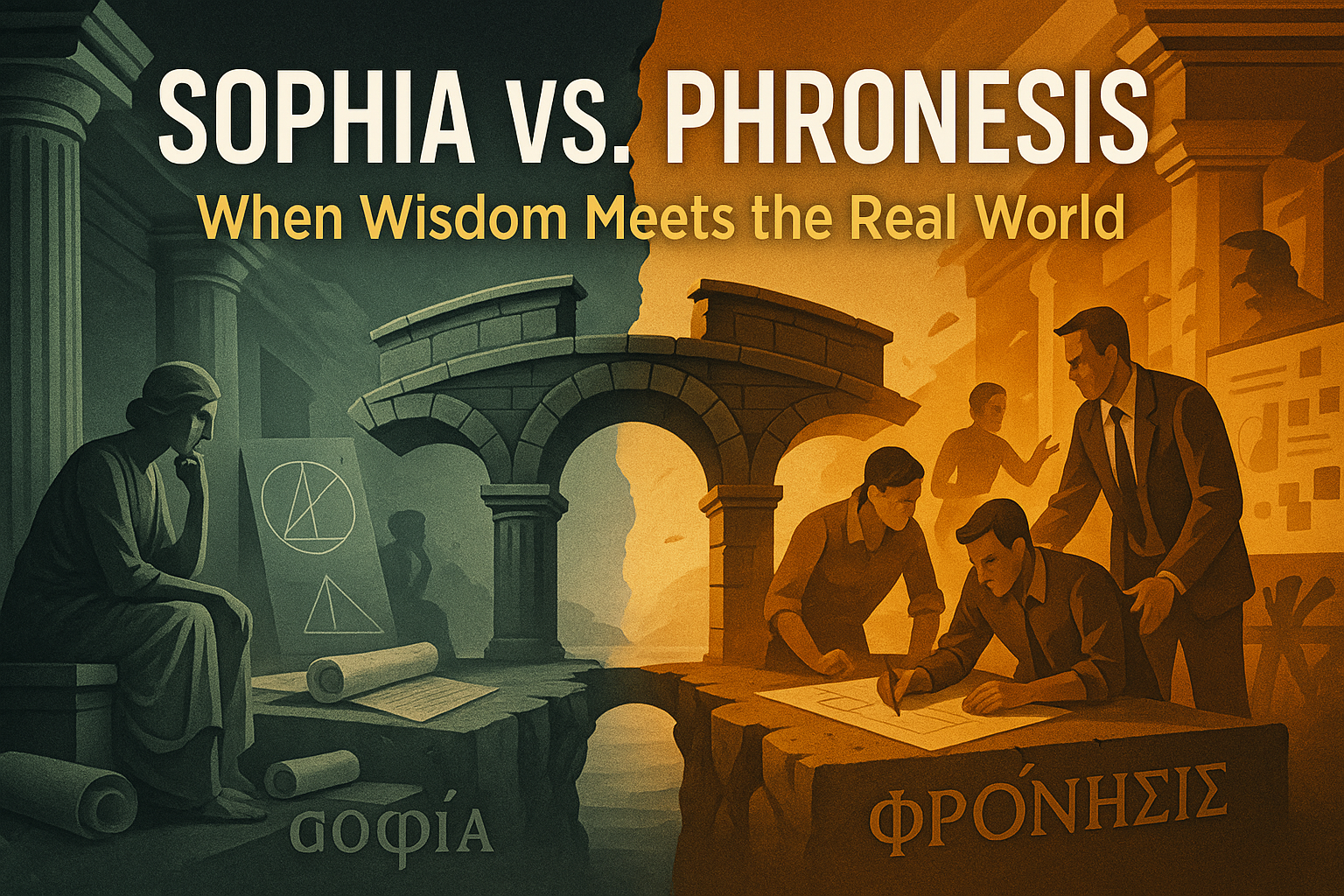
What is the difference between phronesis and sophia?
Phronesis is practical wisdom concerned with particular situations and right action. Sophia is theoretical wisdom concerned with universal truths and first principles. Aristotle valued both but argued that phronesis was more essential for living well, since it directly guides ethical choices in daily life. A person could possess profound sophia about the nature of the universe while still making disastrous personal decisions due to a lack of phronesis.