Eudaimonia vs Happiness: Key Differences in Greek Philosophy
When you translate eudaimonia as ‘happiness,’ you lose almost everything the Greeks meant by the word. Modern happiness is a feeling you have. Eudaimonia is a life you build. Confusing these two concepts leads to pursuing comfort when you should be pursuing growth, and measuring your life by how you feel rather than who you are becoming.
Definitions
Eudaimonia
(εὐδαιμονία)
yoo-dye-moh-NEE-ah
Human flourishing. The deep satisfaction of functioning as you were meant to function, living in alignment with your nature and purpose.
Happiness
Modern Concept
A pleasant emotional state characterized by feelings of contentment, satisfaction, and subjective well-being. In modern usage, happiness typically refers to a positive mood or life satisfaction measured by how good you feel at a given moment.
Key Differences
| Aspect | Eudaimonia | Happiness |
|---|---|---|
| Nature | Eudaimonia is an activity of the soul in accordance with excellence. It describes a way of living, not a feeling. | Happiness is a subjective emotional state. It describes how you feel at a moment or across a period. |
| Duration | Eudaimonia is assessed across a complete life. Aristotle argued you cannot call a person eudaimon based on a single day or season. | Happiness fluctuates daily, hourly, even by the minute. A pleasant meal can increase it; bad traffic can decrease it. |
| Relationship to Difficulty | Eudaimonia requires struggle, discipline, and confronting hard truths. The path to flourishing passes directly through challenge. | Happiness is typically undermined by difficulty. Pain, stress, and hardship reduce subjective well-being in the short term. |
| Source | Eudaimonia arises from living virtuously, exercising your highest capacities, and contributing to something beyond yourself. | Happiness arises from pleasurable experiences, the satisfaction of desires, and favorable circumstances. |
| Measurement | Eudaimonia is measured by the quality of your character, the depth of your relationships, and the trajectory of your growth. | Happiness is measured by self-reported feelings, life satisfaction surveys, and hedonic assessments. |
Nature
Eudaimonia is an activity of the soul in accordance with excellence. It describes a way of living, not a feeling.
Happiness is a subjective emotional state. It describes how you feel at a moment or across a period.
Duration
Eudaimonia is assessed across a complete life. Aristotle argued you cannot call a person eudaimon based on a single day or season.
Happiness fluctuates daily, hourly, even by the minute. A pleasant meal can increase it; bad traffic can decrease it.
Relationship to Difficulty
Eudaimonia requires struggle, discipline, and confronting hard truths. The path to flourishing passes directly through challenge.
Happiness is typically undermined by difficulty. Pain, stress, and hardship reduce subjective well-being in the short term.
Source
Eudaimonia arises from living virtuously, exercising your highest capacities, and contributing to something beyond yourself.
Happiness arises from pleasurable experiences, the satisfaction of desires, and favorable circumstances.
Measurement
Eudaimonia is measured by the quality of your character, the depth of your relationships, and the trajectory of your growth.
Happiness is measured by self-reported feelings, life satisfaction surveys, and hedonic assessments.
When to Apply Each Concept
When to Choose Eudaimonia
Pursue eudaimonia when making long-term life decisions: choosing a career, building relationships, or determining what kind of person you want to become. When a choice feels difficult but aligns with your values and stretches your capabilities, you are on the path of eudaimonia. Choose it when the question is ‘What life is worth living?’ rather than ‘What will make me feel good?’
When to Choose Happiness
Attend to happiness when assessing your immediate well-being and self-care needs. If you are consistently miserable, that signal matters and should not be ignored. Happiness serves as useful feedback about whether your daily experience is sustainable, even if it should not be the sole measure of a life well-lived.
Frequently Asked Questions
What is the difference between eudaimonia and happiness?
Eudaimonia is the Greek concept of human flourishing through virtuous activity across a complete life. Happiness, in its modern sense, is a subjective emotional state of feeling good. Aristotle would argue that a person living courageously through hardship possesses eudaimonia even while experiencing unhappiness. The two concepts operate on different timescales and measure fundamentally different things.
Is eudaimonia the same as happiness?
No. Translating eudaimonia as happiness is one of the most consequential mistranslations in philosophy. Eudaimonia involves virtuous action, character development, and a life aimed at excellence. Happiness refers to pleasant feelings and life satisfaction. You can be happy without flourishing, and you can flourish through periods of genuine difficulty and discomfort.
Why do philosophers distinguish eudaimonia from happiness?
Philosophers distinguish these terms because conflating them distorts ethical reasoning. If eudaimonia means happiness, then the good life becomes the pleasant life, and virtue becomes merely instrumental. The distinction preserves the Greek insight that a meaningful life requires more than good feelings. It demands courage, wisdom, and sustained commitment to excellence.
Can you be happy without eudaimonia?
Yes. A person can experience consistent pleasant feelings through comfort, entertainment, and the avoidance of difficulty, without ever developing their character or exercising their highest capabilities. Aristotle would consider such a life pleasant but incomplete. Conversely, a person actively pursuing eudaimonia may experience significant discomfort and difficulty while building a life of genuine depth and purpose.
Articles Exploring Eudaimonia or Happiness (55)
You Stopped Growing and Didn't Even Notice
You can look back ten years and barely recognize who you were. You can acknowledge enormous personal transformation. And yet, right now, you believe you're basically done becoming. Psychology calls this the end of history illusion. The Greeks called it the opposite of flourishing.
You're Not Too Intense. Everyone Else Is Too Comfortable.
What society labels 'crazy' or 'too intense' is actually the natural fulfillment of human purpose. The real madness is accepting a diminished life. Normal isn't sanity. It's collective surrender.
Your Wins Aren't About You. That's Why They Matter.
Achievement for its own sake is accumulation, not excellence. The Greeks understood that individual flourishing and communal contribution aren't separate goals. Your wins matter precisely because they're not about you.
Your Friends Aren't Your Weakness. Your Inability to Trust Them Is.
Greene's second law of power tells you to distrust friends and hire enemies. The tactical truth is real: friends can betray you. But the solution isn't strategic isolation. It's wisdom about who to let close.
Should You Hide Your Excellence to Protect Your Boss's Ego?
Greene's first law of power tells you to never outshine the master. The tactical truth is real: insecure leaders punish excellence. But the solution isn't dimming your light. It's knowing when to deploy it. The Greeks called it kairos.

Why Authenticity Has Nothing to Do With Being Yourself
Authenticity has become a personal branding buzzword. The Greeks knew better. True authenticity isn't about expressing your real self. It's about refusing to fragment into different versions for different audiences. Wholeness, not performance.
What Do You Actually Want? (Most People Never Answer This)
You're not anxious. You're unclear. The mind that hasn't decided what it wants will constantly point out what's missing. Clarity isn't a luxury. It's the foundation.
Stop Asking 'What Should I Do?' Start Asking 'Who Should I Become?'
Everyone optimizes their actions. Almost no one optimizes who they're becoming. The obsession with tactics keeps people trapped while the strategic question goes unanswered.
What If Your 'Personal Best' Is Actually Your Personal Belief?
Everyone treats their personal best as an objective measurement. But what if it's actually a prophecy? What if the limit you keep hitting is the limit you keep expecting to hit?
Want Better Leaders? Stop Naming Them.
The best coaches figured this out decades ago. Saban's Process. Belichick's expectations. Cignetti's explicit no-captains policy. When you designate leaders, everyone else stops leading.

Most Success Is Just Avoiding Obvious Mistakes
Everyone's chasing brilliance while tripping over obvious errors. The uncomfortable truth about success isn't that you need to be smarter. You need to stop being dumb.
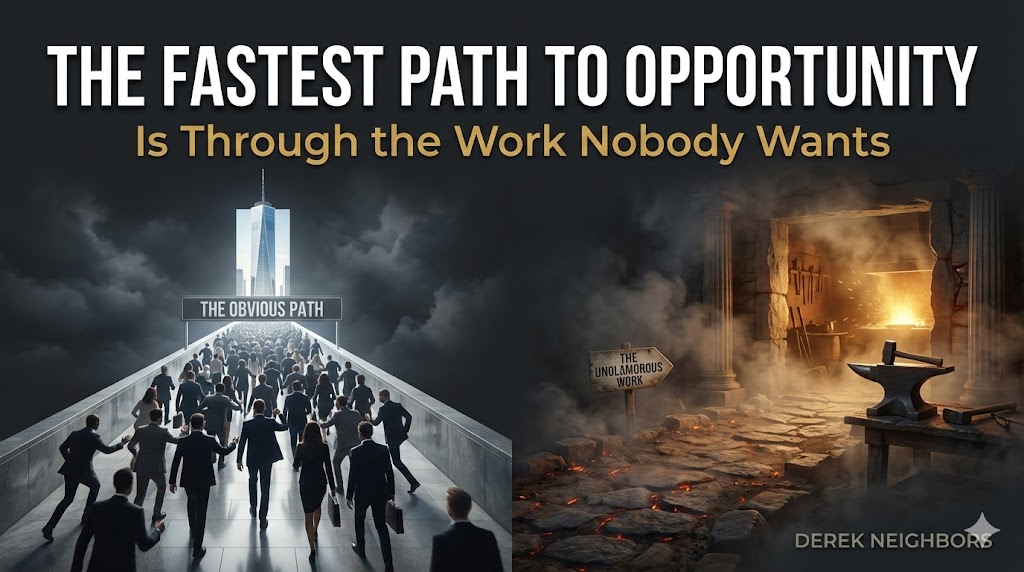
The Fastest Path to Opportunity Is Through the Work Nobody Wants
Everyone's competing for the spotlight. Meanwhile, opportunity waits in the tasks everyone avoids. The dirty work doorway isn't just a path to success. It's the only path that isn't crowded.
The Most Dangerous Thing You Can Do Is Become Excellent
Your pursuit of excellence isn't neutral. It's an act of rebellion against every force that profits from your weakness, distraction, and mediocrity.

The Couples Who Fight Are the Couples Who Last
Happy couples don't fight. That's the story we tell ourselves. Then we watch peaceful marriages end without warning. The truth? Antifragile bonds are forged through navigated conflict, not polished harmony.

If Money Is Why They Stay, Money Is Why They'll Leave.
Pay them well and they'll stay. Pay them more and they'll work harder. It sounds logical until you watch your highest-paid people leave for less money. The myth of compensation-driven loyalty is destroying teams.
Stop Asking Why This Is Happening. Start Asking What It's Teaching.
The ancient Greeks understood something we've forgotten—every difficulty is training when you ask the right question. The shift from 'why me?' to 'what's this teaching?' changes everything.

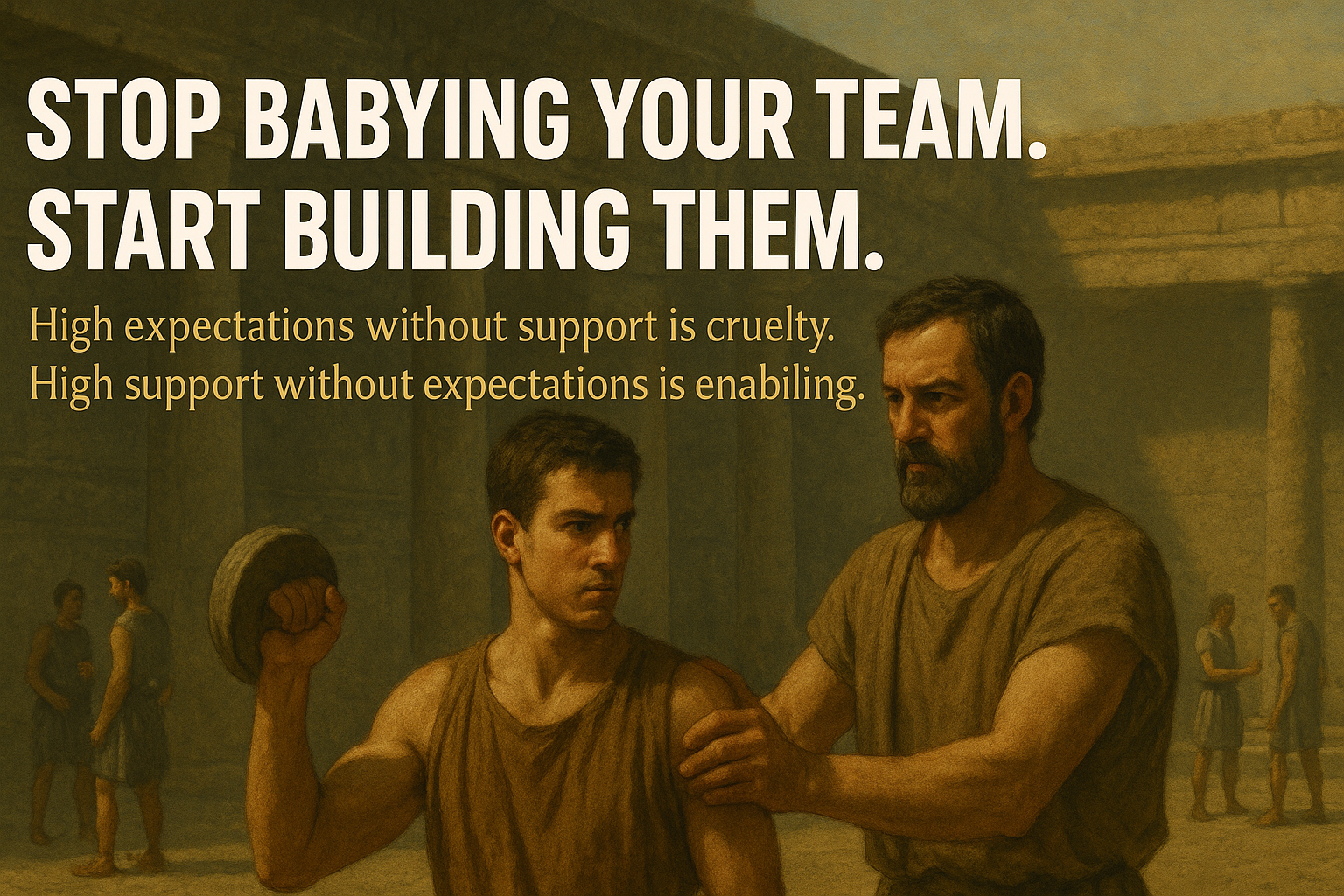
Stop Babying Your Team. Start Building Them.
The ancient concept of paideia required both challenge and care. High expectations without support breaks people. High support without expectations keeps them small. Real leadership integrates both.
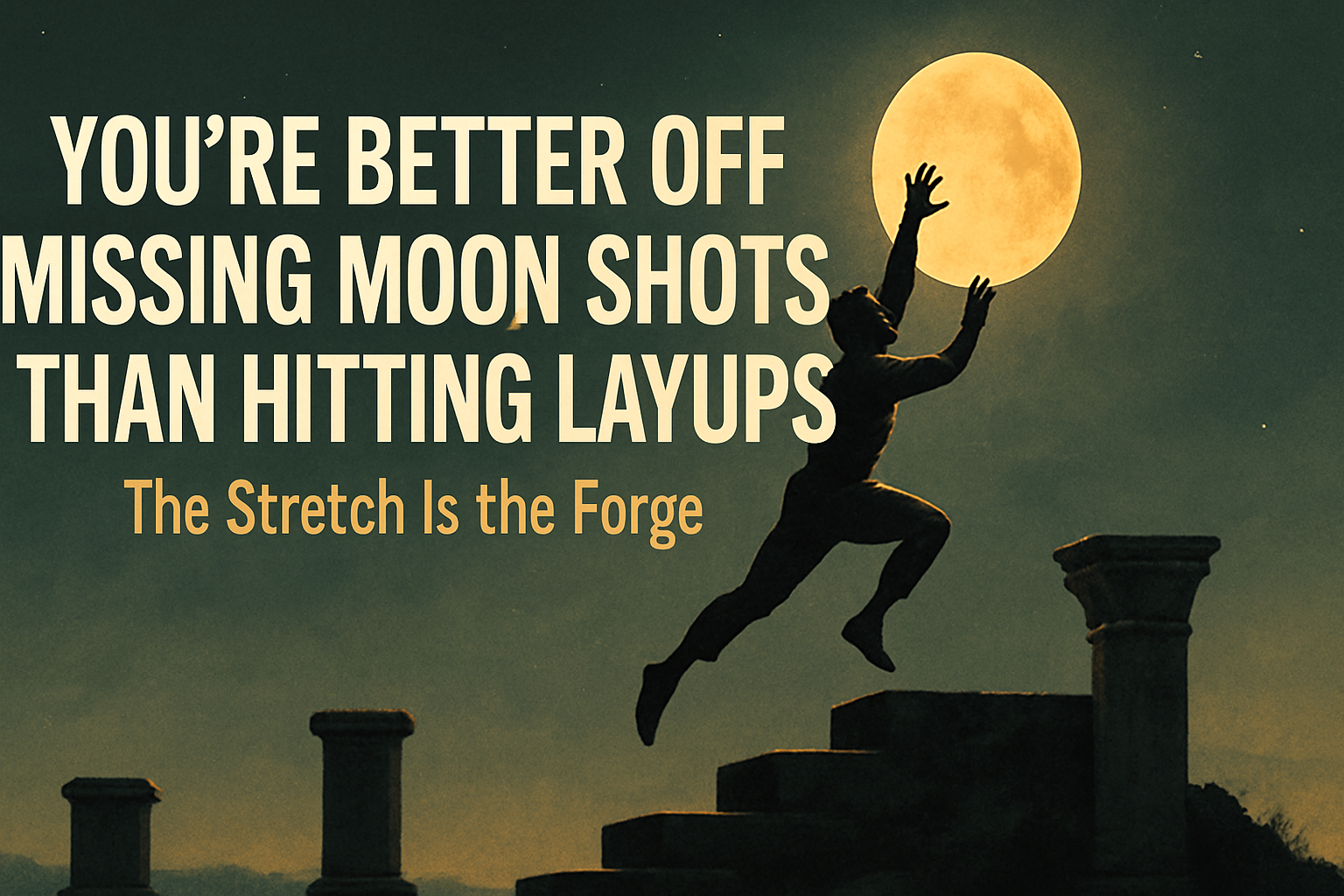
You're Better Off Missing Moon Shots Than Hitting Layups
You think success is about the win. It's actually about what the attempt makes you become. The goals you miss build more character than the ones you hit.
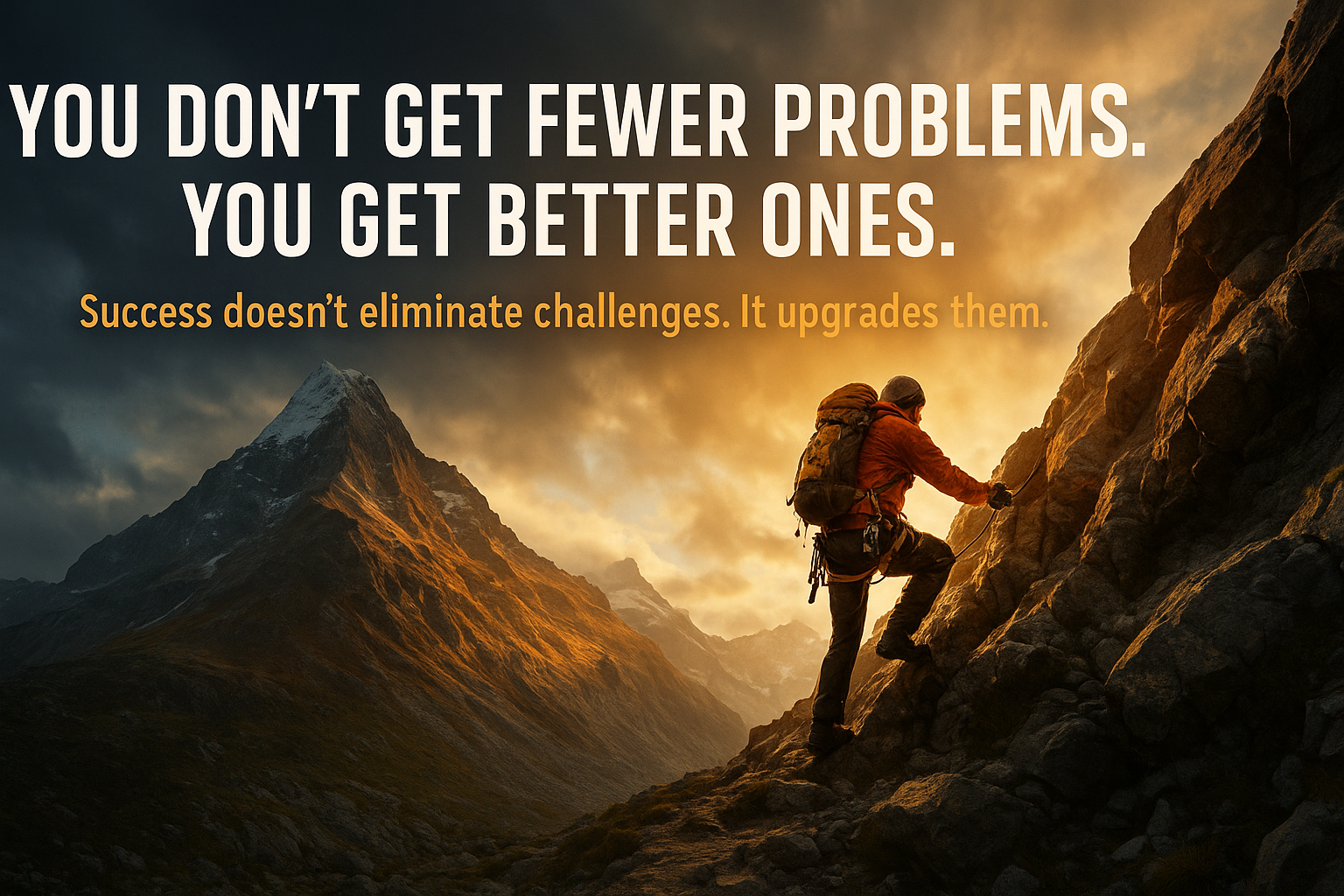
You Don't Get Fewer Problems. You Get Better Ones.
Your problems aren't proof you're failing. They're proof of where you've climbed. Each level of success doesn't reduce difficulty, it upgrades it.
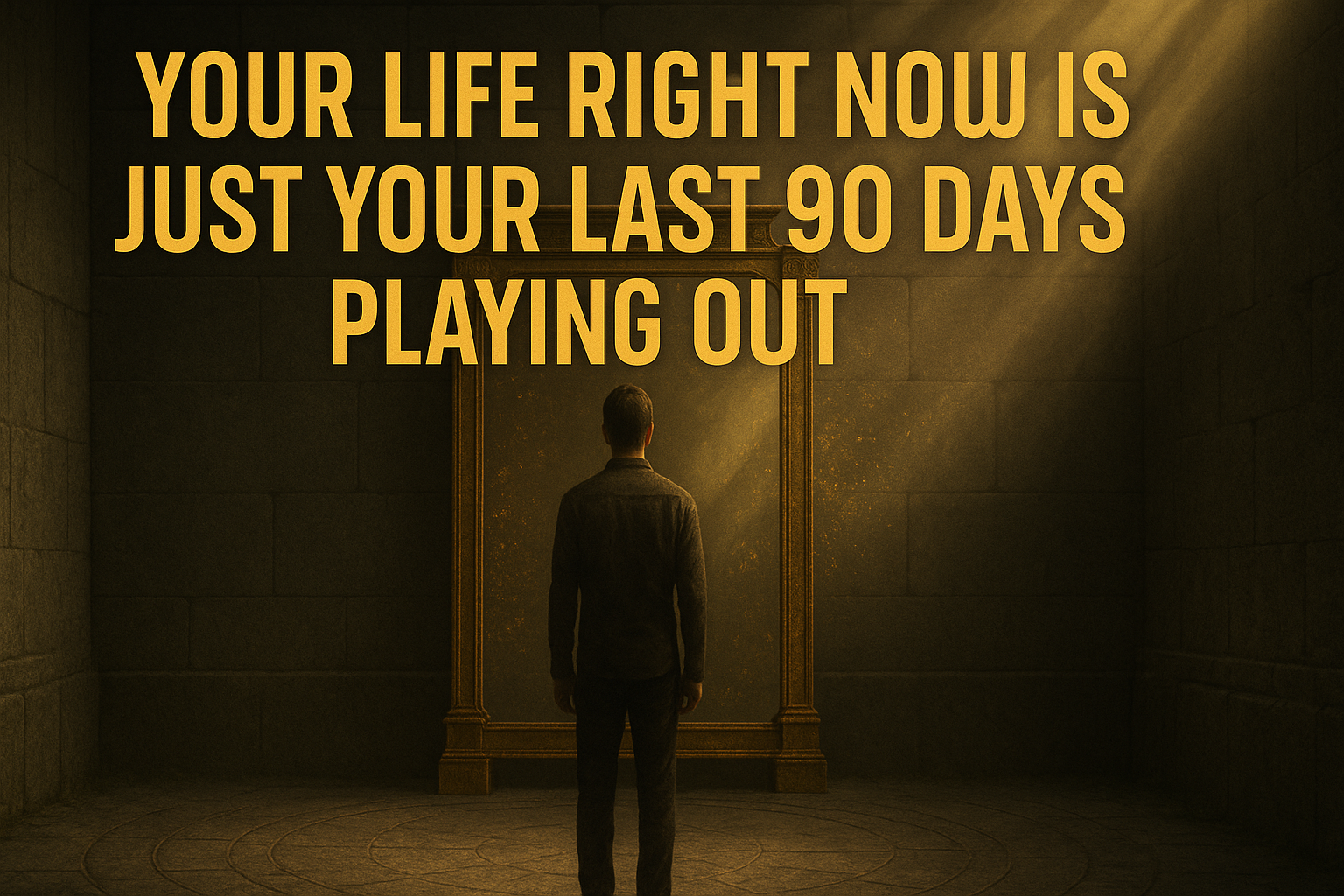
Your Life Right Now Is Just Your Last 90 Days Playing Out
Your fitness, your bank account, your relationships, your opportunities right now aren't revealing your identity. They're showing you what you've been doing for the past 30-90 days. That's not philosophy. That's physics.
Forgiveness Isn't About Them. It's the Most Selfish Thing You Can Do.
Every minute you spend resenting someone is energy you're not using to build your life. The Stoics knew what we forgot: forgiveness releases you from the prison, not them from consequences.
Stop Chasing Happiness. It's Making You Miserable.
The more directly you pursue happiness, the more it evades you. Kant knew what we forgot: happiness only arrives as a byproduct of living virtuously, not as a target to optimize for.
Stop Chasing Job Security. Build Skills They Can't Take Away.
Job security is dead. The people who recover fastest from layoffs aren't the ones with the best titles, they're the ones who built skills that travel. Here's what autarkeia teaches us about real security.
Good Vibes Only Will Keep You Weak Forever
Good vibes only doesn't protect you from negativity. It protects you from growth. Every time you positive-think your way past difficult emotions, you're training yourself to be weaker.
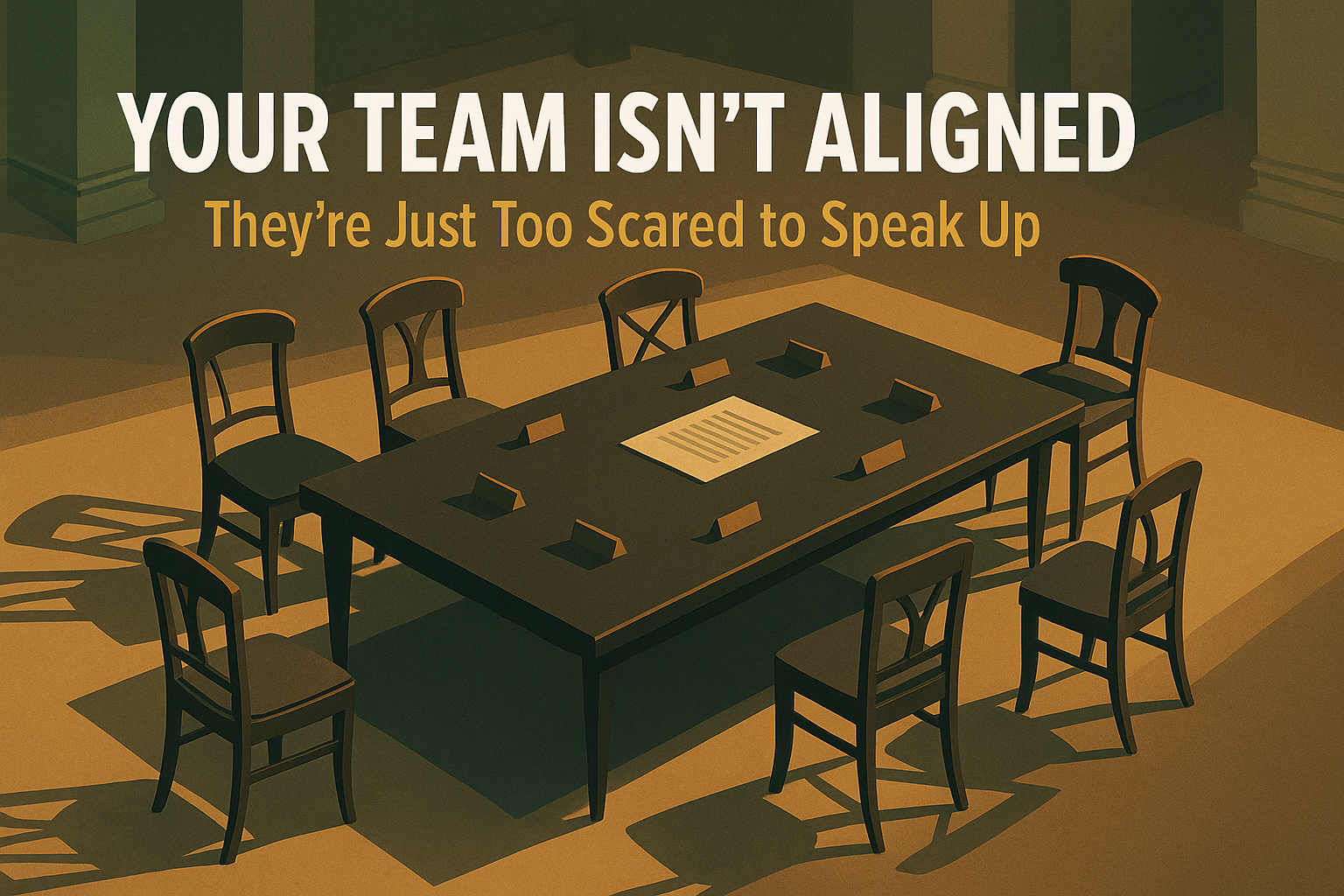
Your Team Isn't Aligned. They're Just Too Scared to Speak Up
When teams nod along in meetings, we celebrate alignment. But what if everyone's privately disagreeing? The Abilene Paradox shows how silence becomes performative agreement and why andreia (courage) matters more than consensus.
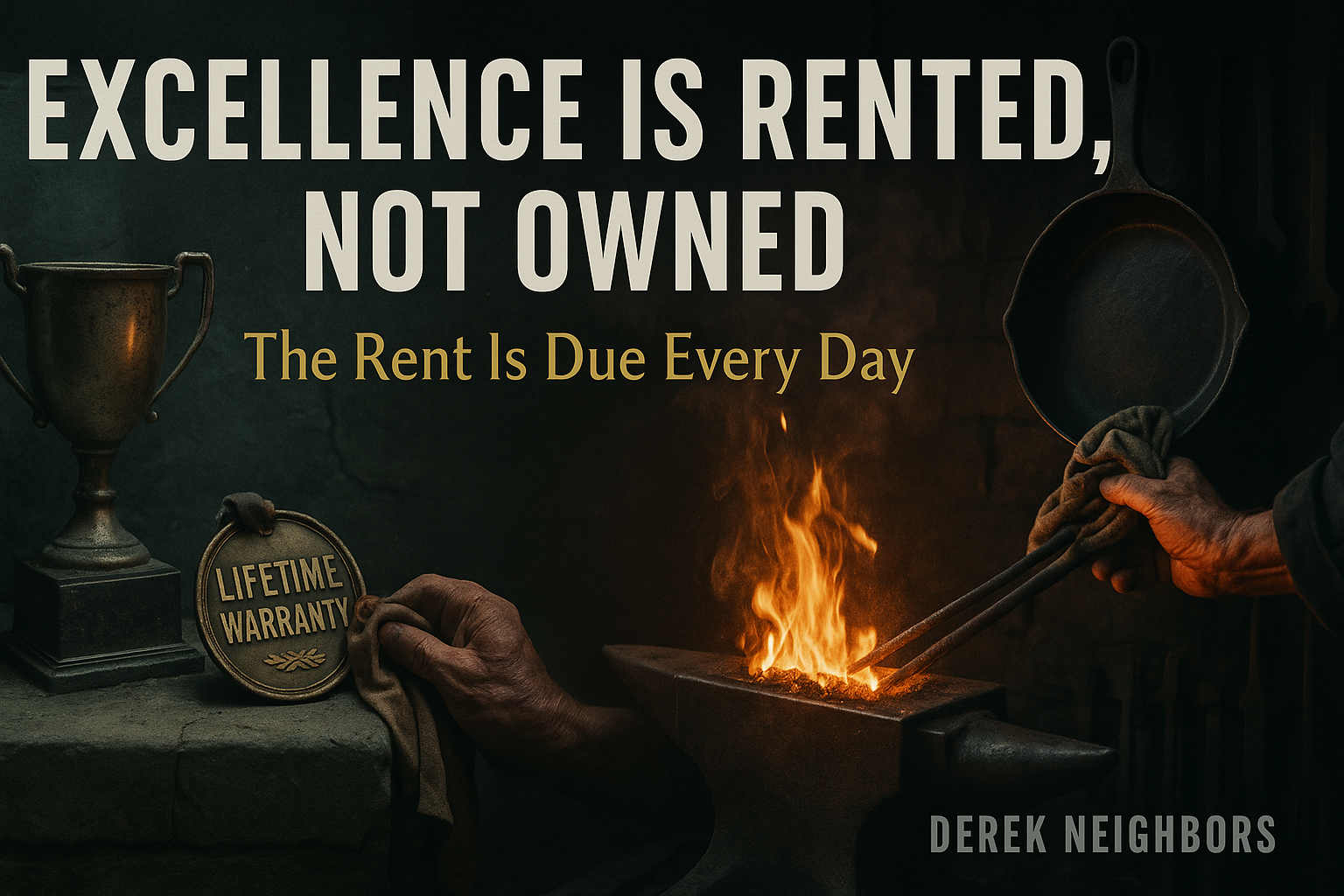
Excellence Is Rented, Not Owned: The Rent Is Due Every Day
Grandma's cast iron pan lasted 60 years with daily care. My 'lifetime warranty' pan died in 18 months with neglect. Excellence isn't owned—it's rented. And the rent is due every single day.
Stop Waiting for Flow - Start Training It Like Every Other Skill
You can spend another year waiting for flow to happen, or you can spend the next 12 weeks training it like the ancient Greeks did, systematically, progressively, relentlessly.

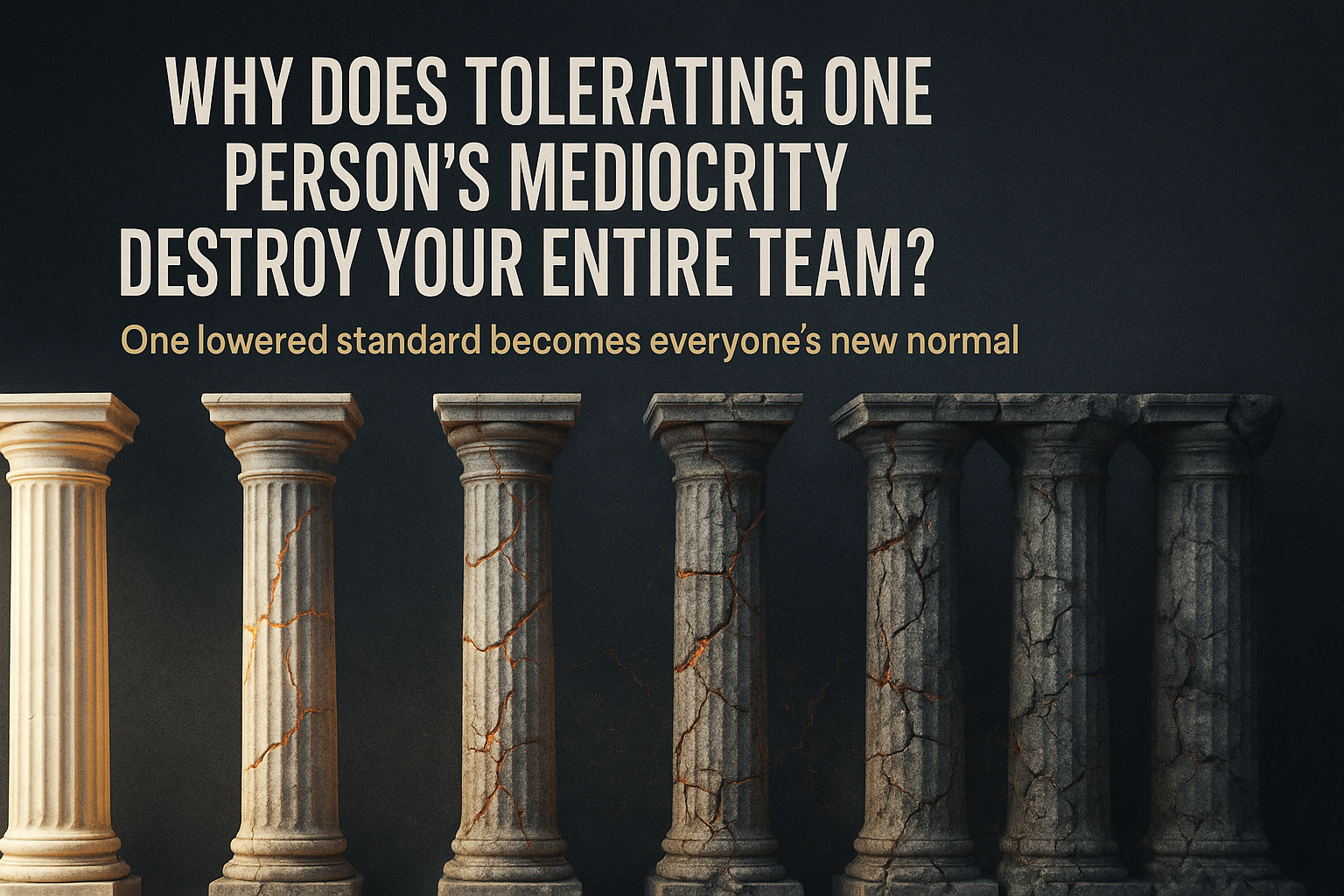
Why Does Tolerating One Person's Mediocrity Destroy Your Entire Team?
Mediocrity spreads like wildfire once you signal it's acceptable. Leaders who tolerate good enough from one person send a message to everyone that standards are negotiable. Excellence demands eliminating compromises at the source before they become cultural norms.
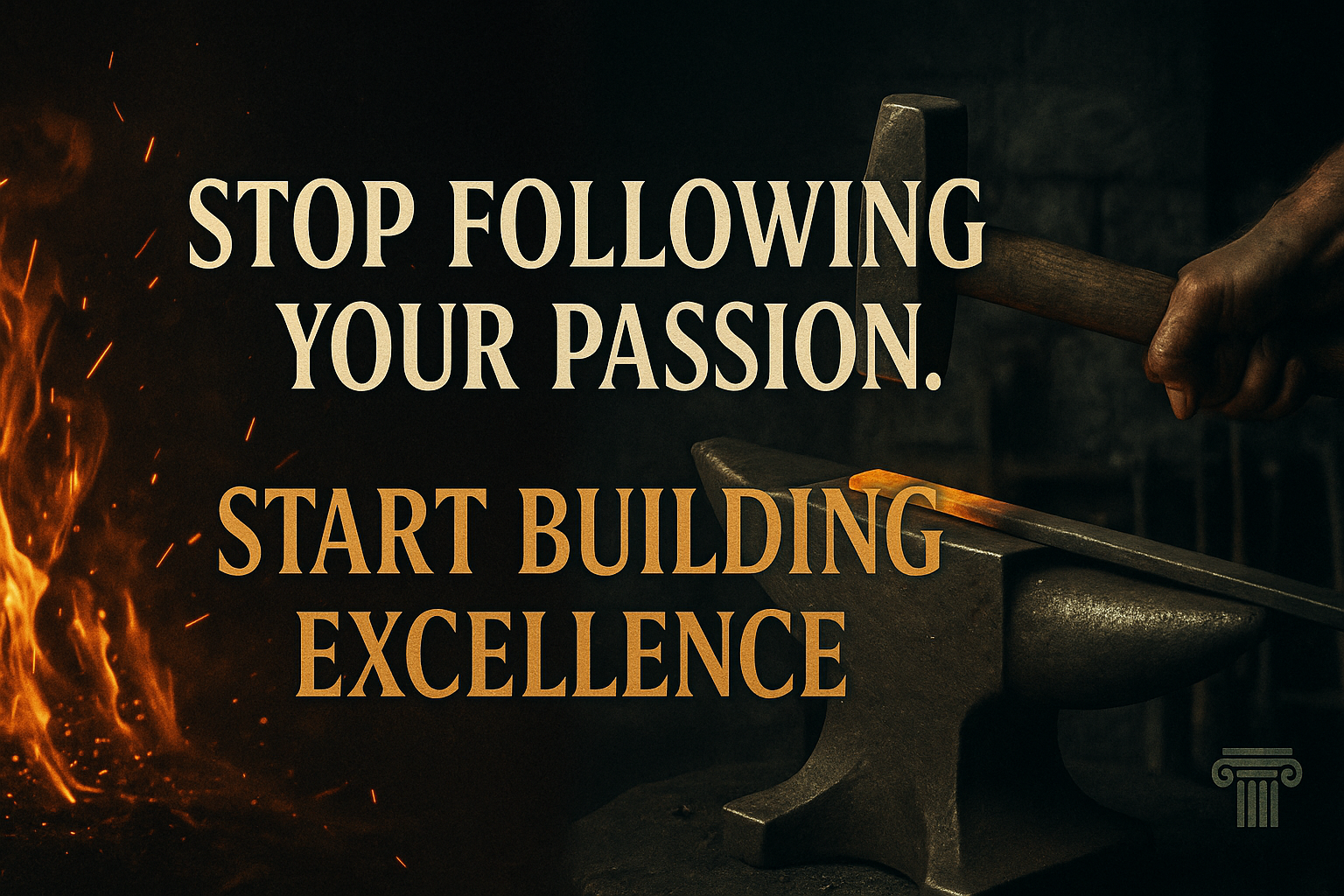
Stop Following Your Passion. Start Building Excellence.
Passion is self-focused and fleeting. Excellence through service is other-focused and enduring. The Greeks never told anyone to follow their passion. They built character through craft. Here's why that matters for your work.
Akrasia: Why You Sabotage What You Know Is Right
You know exactly what you should do. You've known for months. So why aren't you doing it? The ancient Greeks had a word for this: akrasia, acting against your better judgment. And they understood it's the ultimate killer of excellence.
Why Trying Harder Makes You Worse (And How to Let Excellence Flow)
You built the conditions. You trained your attention. Now stop trying so hard. The excellence you're forcing toward shows up when you allow it to emerge.
The Organizational Excellence Delusion
Most companies aren't consciously choosing mediocrity. They're living in a complete fantasy about their own capabilities while demanding breakthrough results from infrastructure designed for average performance.
Why Leaders Who Don't Need Applause Get All the Respect
The leaders who command the most respect don't need your applause to do the work. And that's exactly why you can't stop watching them.
Strategic Imperfection: Why Good Enough Beats Perfect Every Time
Perfectionism isn't high standards. It's fear management. Strategic imperfection creates more progress than perfect ever could.
The Discipline Gateway: Why Real Freedom Costs More, Not Less
The brutal truth about freedom: it's not the absence of constraints, it's the wisdom to choose the right ones.
Why Leaders Who Don't Endorse Others Stay Relationally Poor
Your willingness to risk your reputation for someone else's growth reveals everything about your actual confidence in your leadership.
The Vibe Code Fallacy: Why Playing It Safe Is the Riskiest Strategy
When smart engineers choose the safety of understanding over the risk of adaptation, they're not avoiding debt, they're accumulating it. The compound cost of caution might be the riskiest strategy of all.
The Output Stage: Where Excellence Meets Impact (Arete)
Output (Arete) is where internal mastery becomes external transformation. Discover how to bridge personal excellence to world-changing impact through systematic application of ancient wisdom.
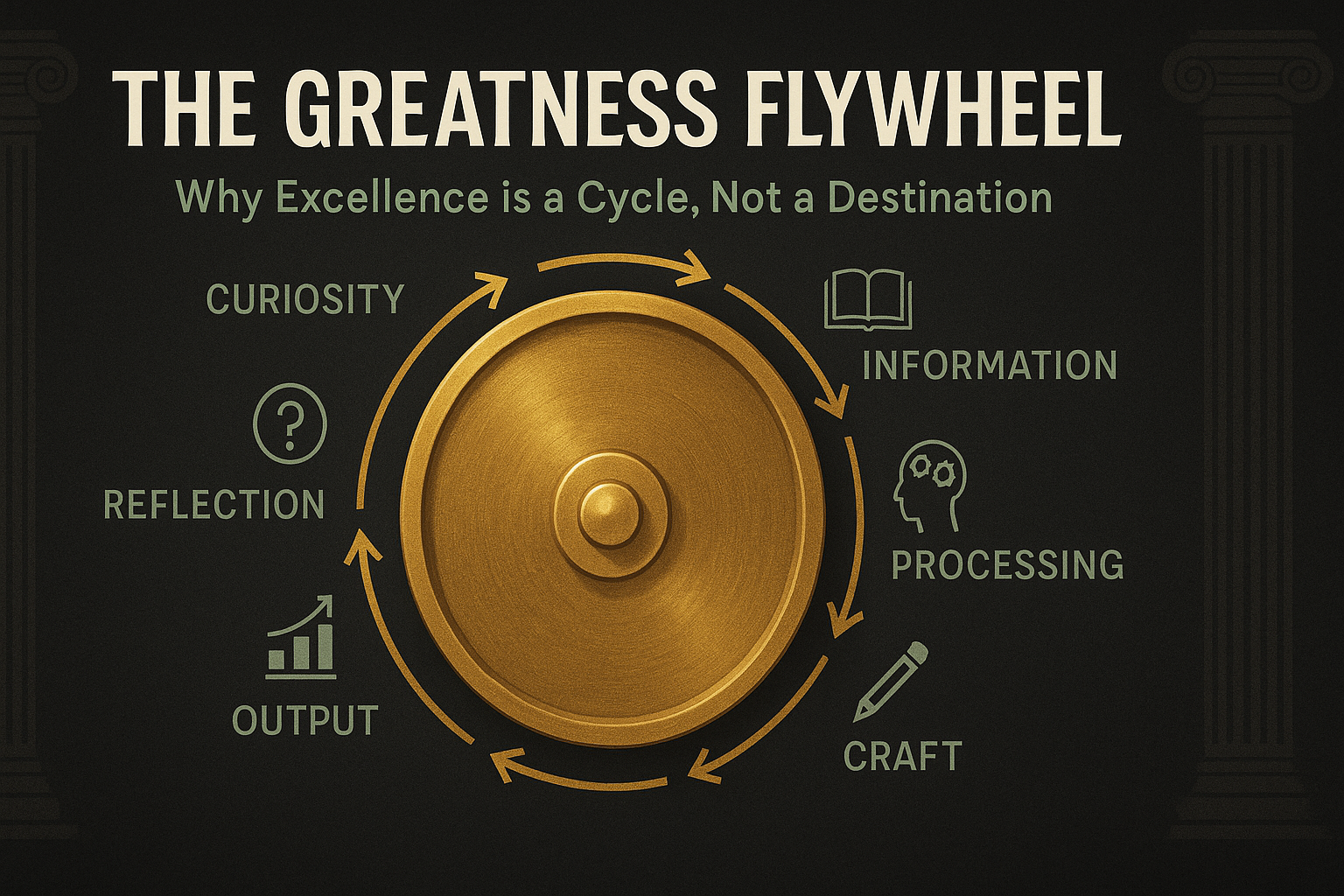
The Greatness Flywheel: Why Excellence is a Cycle, Not a Destination
Excellence isn't a destination you arrive at once and maintain through willpower. Excellence is a flywheel. The six-stage cycle that transforms ancient Greek wisdom into systematic excellence methodology.
The Unlimited Courage Question: The Single Test That Cuts Through All Self-Deception
Most people disguise cowardice as prudence. Here's the single question that cuts through all self-deception and reveals what you're really running from.
The Philosopher King: Ancient Wisdom for Modern Leadership Integration
Plato's most radical leadership idea wasn't about power or position, it was about character. The philosopher king represents the ultimate integration of wisdom, excellence, courage, and transformation. Here's how to stop managing systems and start transforming people.
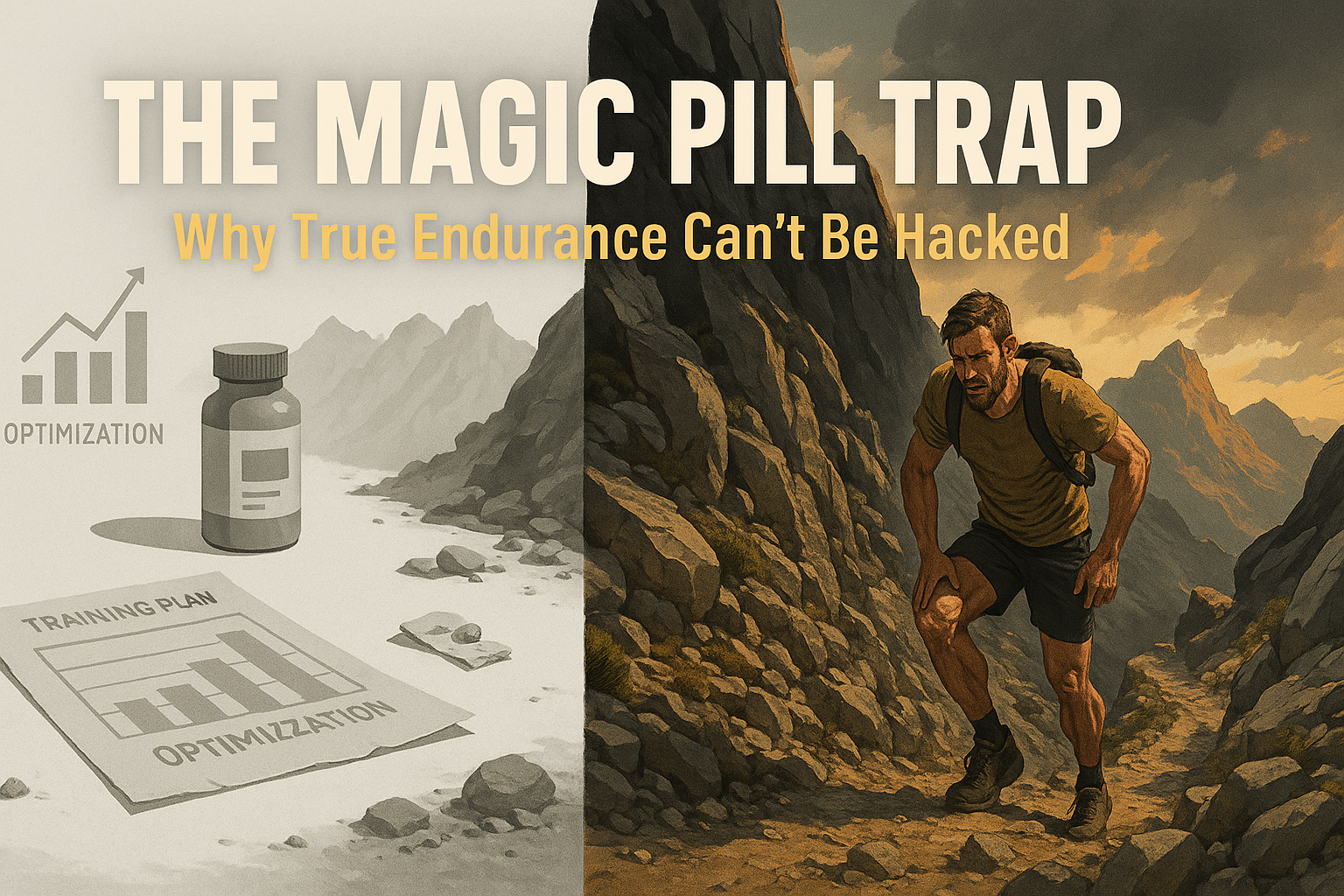
The Magic Pill Trap: Why True Endurance, in Running, Leadership, and Life, Can't Be Hacked
Trail running exposes the magic pill trap poisoning all growth: Want endurance? Embrace sustained discomfort, no hacks allowed.
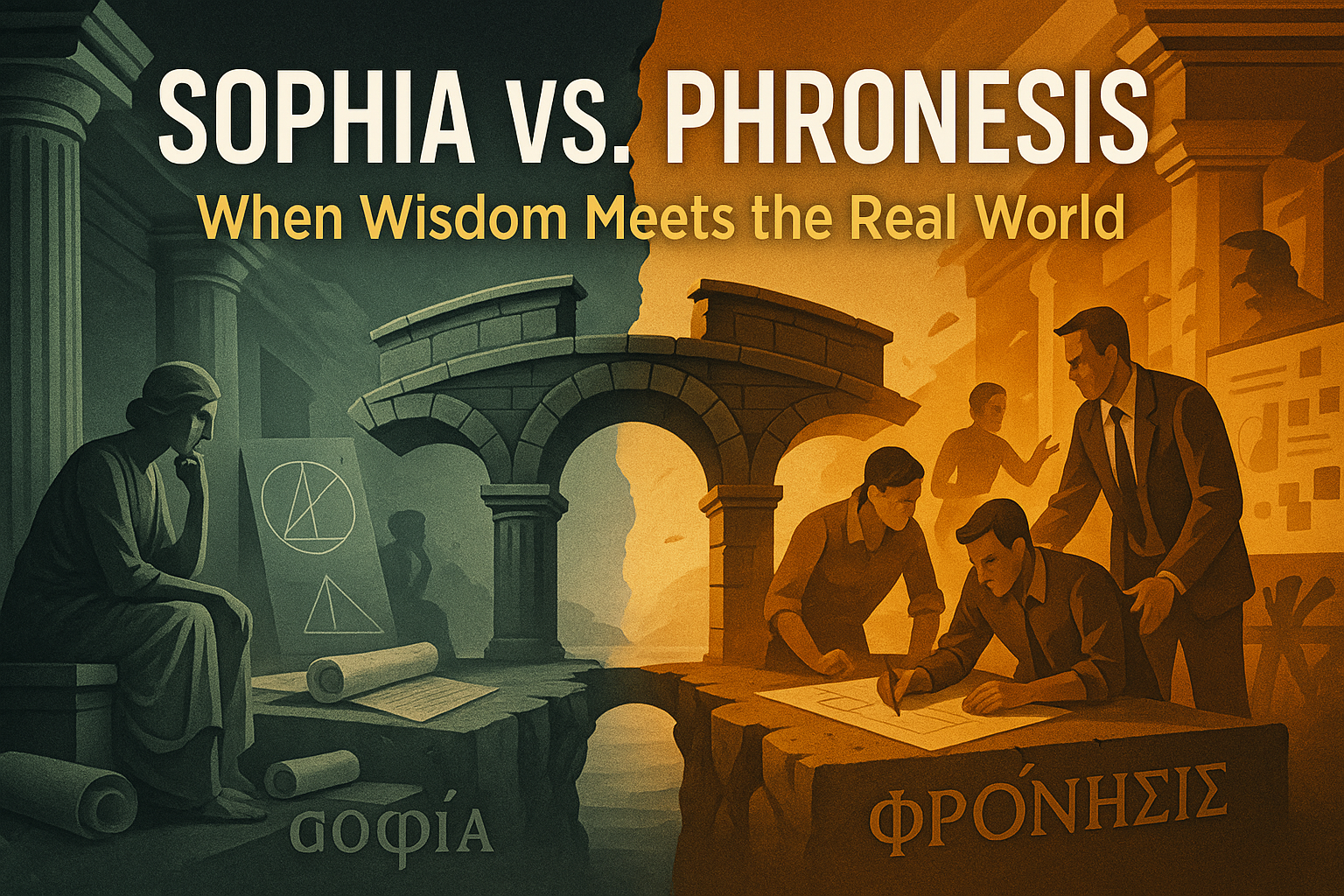
Sophia vs. Phronesis: When Wisdom Meets the Real World
Why brilliant strategies fail and how ancient Greek wisdom provides the solution through integrating theoretical and practical wisdom.
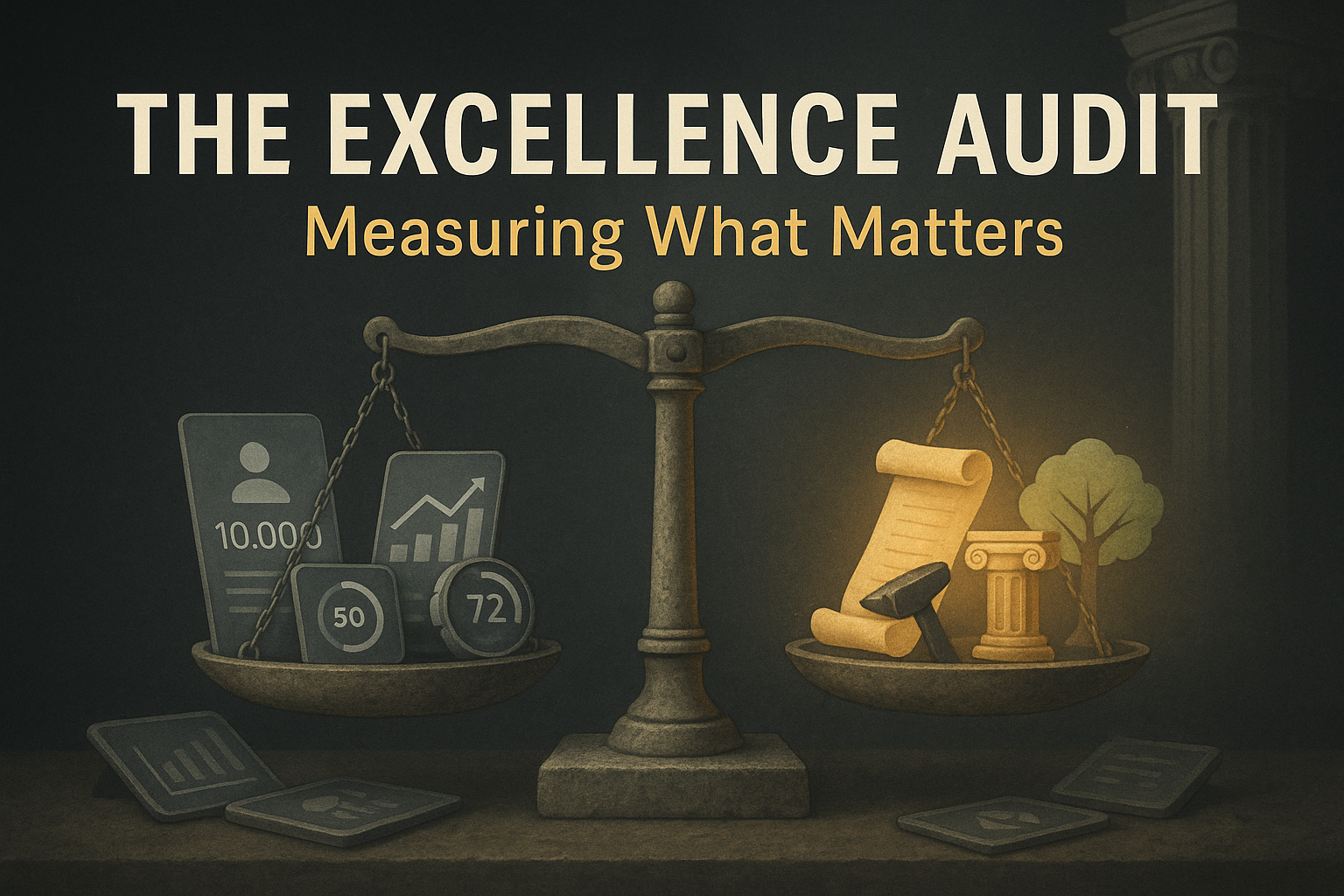
The Excellence Audit: Measuring What Matters
Most people track what's easy to measure rather than what actually drives excellence. Learn how to audit your metrics and ensure you're measuring character development, not just performance theater.
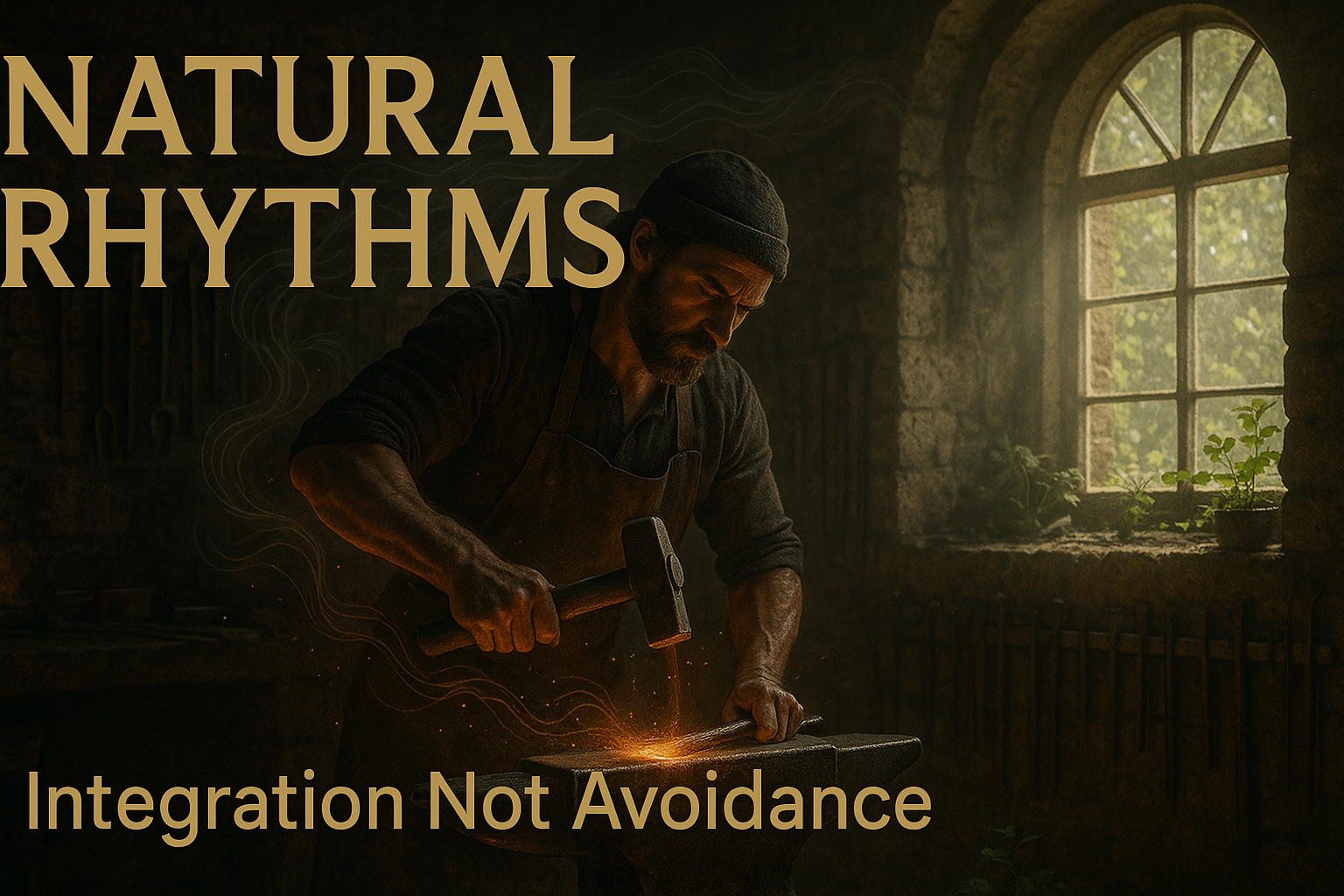
The Natural Rhythms vs. Discipline False Choice: Integration Not Avoidance
Most productivity advice forces you to fight your authentic rhythms, creating internal conflict and unsustainable systems. Here's the Natural Rhythms Integration Model that honors both authenticity and growth.
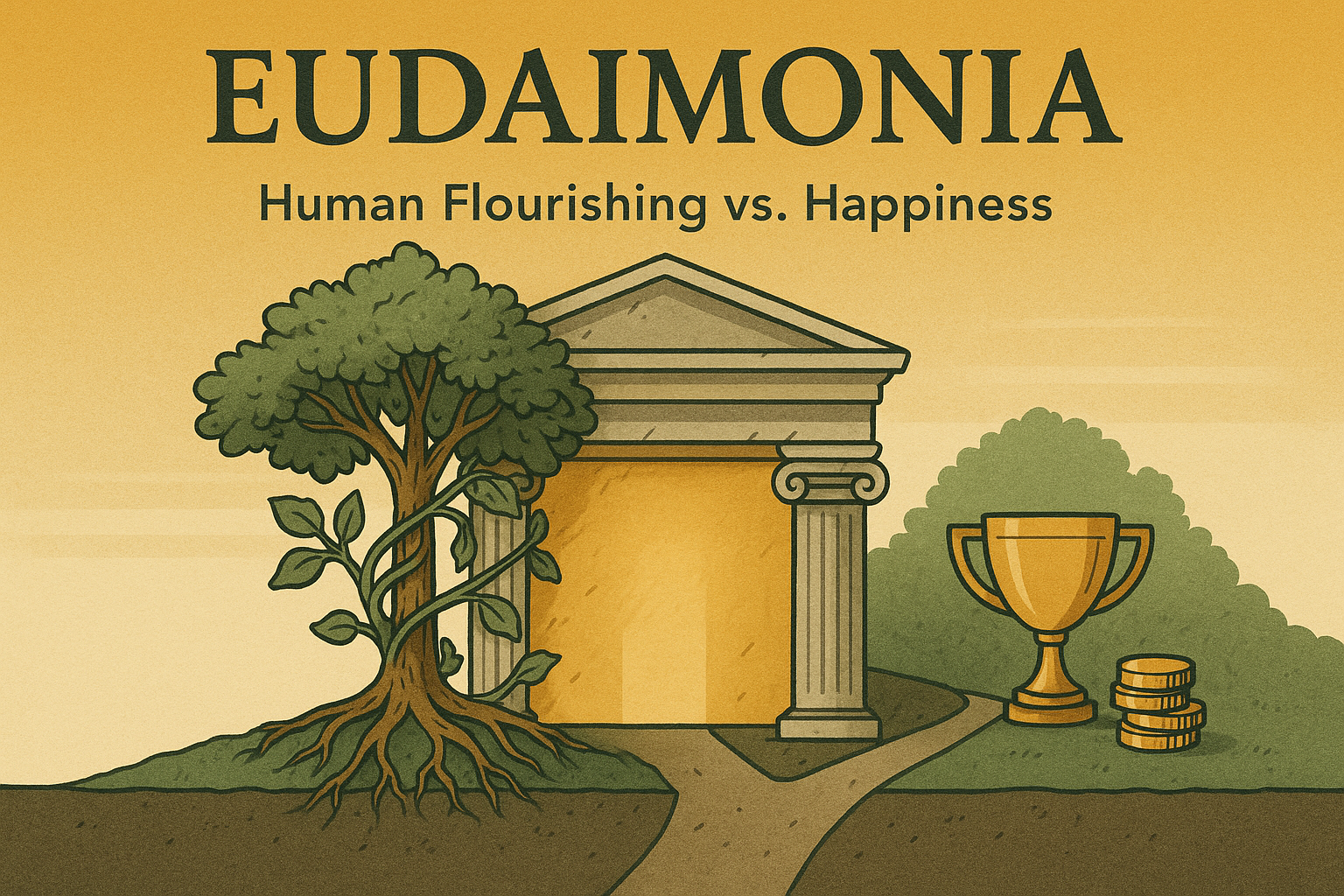
Eudaimonia: Human Flourishing vs. Happiness in Modern Leadership
Most leaders chase happiness and end up empty. Ancient wisdom reveals why: they're pursuing the wrong goal. Eudaimonia, human flourishing, transforms everything about how you lead and why it matters.
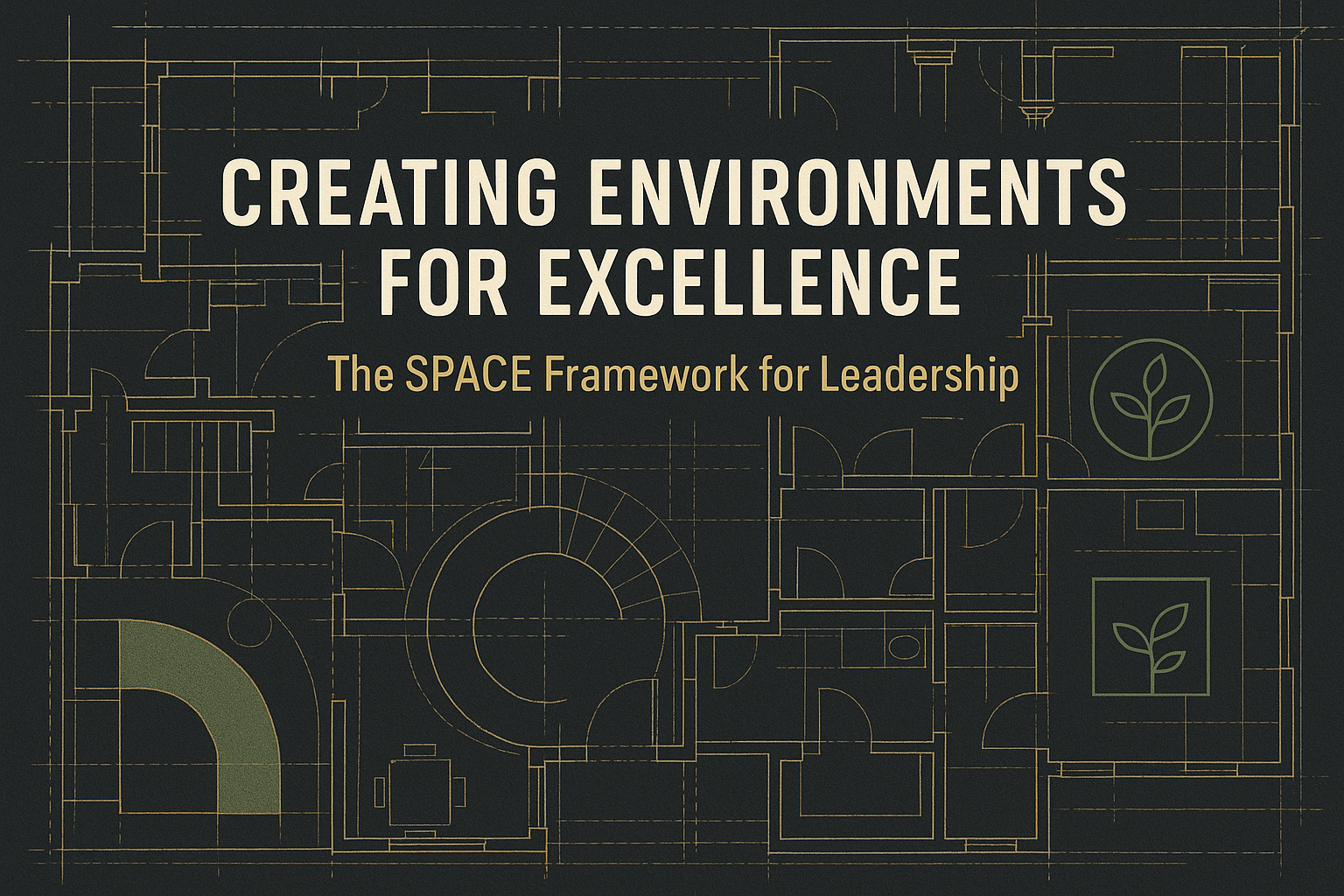
Creating Environments for Excellence: The SPACE Model
Excellence isn't just about individual character, it's about creating environments where excellence becomes natural, inevitable, and sustainable for everyone. Here's how leaders architect the conditions for human flourishing.
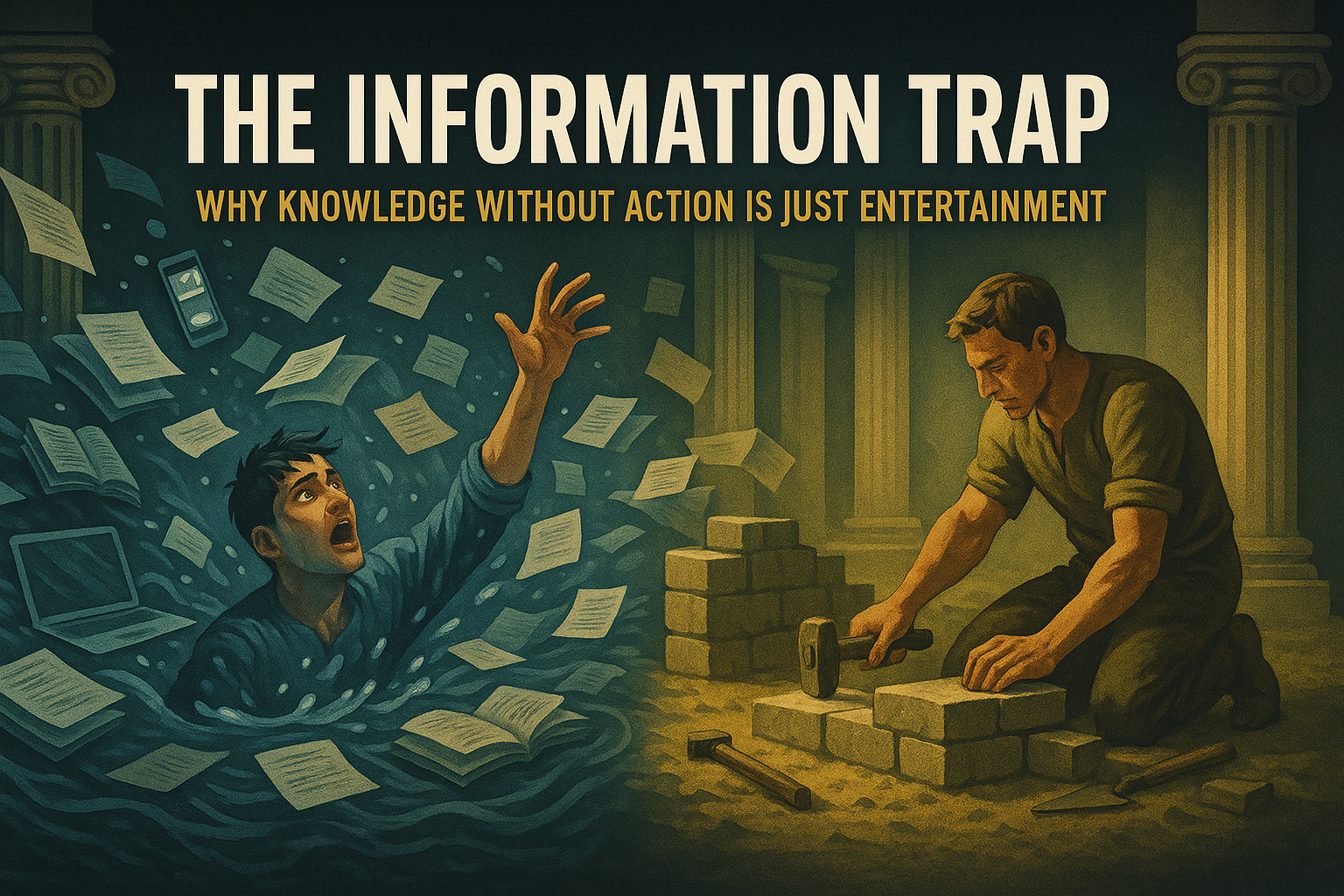
The Information Trap: Why Knowledge Without Action Is Just Entertainment
Most of your learning is actually entertainment in disguise. Here's why information without action is intellectual hoarding, and how to transform from consumer to creator through practical implementation.
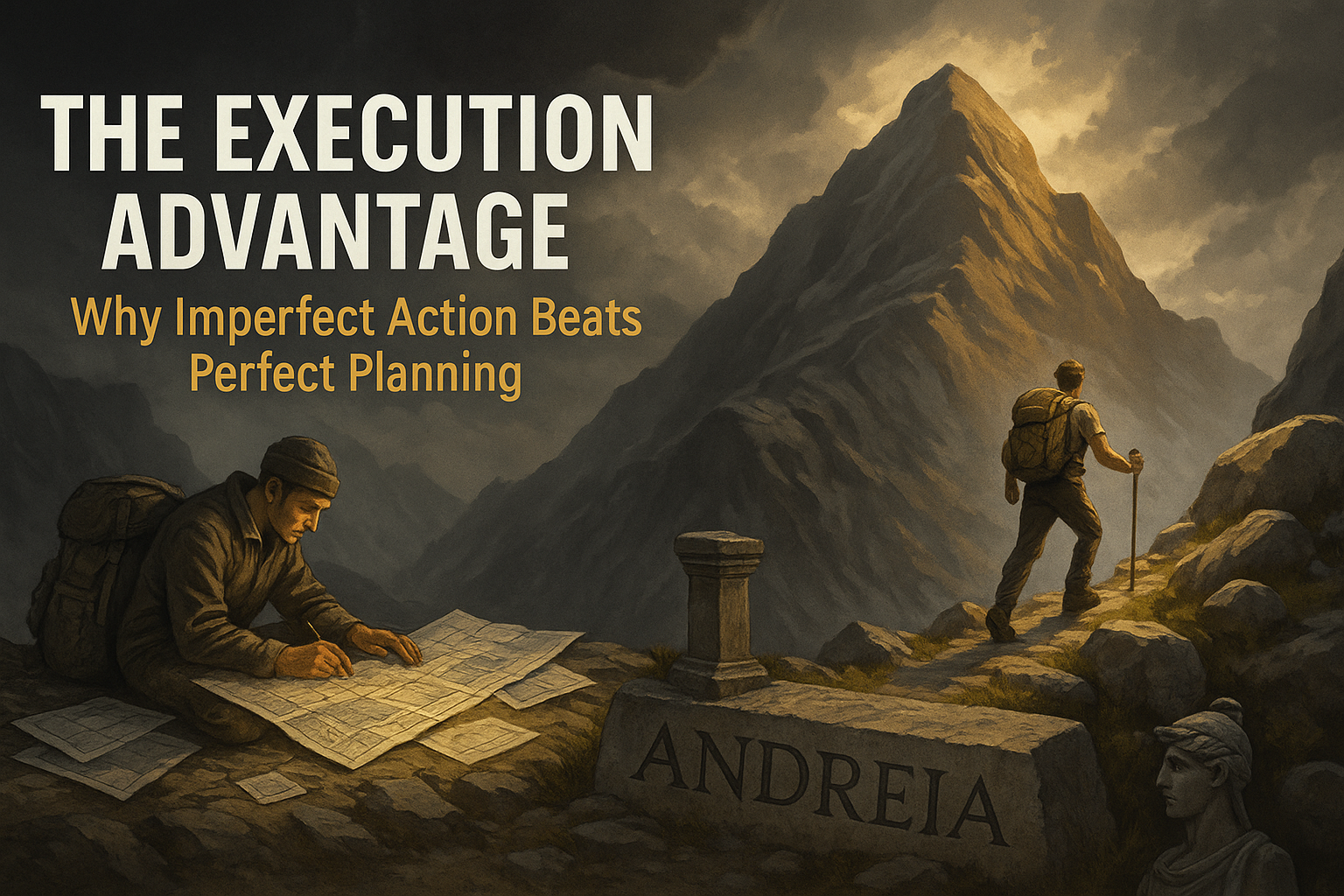
The Execution Advantage: Why Imperfect Action Beats Perfect Planning
Perfect plans are usually perfectly wrong. Here's why imperfect action creates better results than perfect planning, and how to build the execution advantage through courage and rapid iteration.
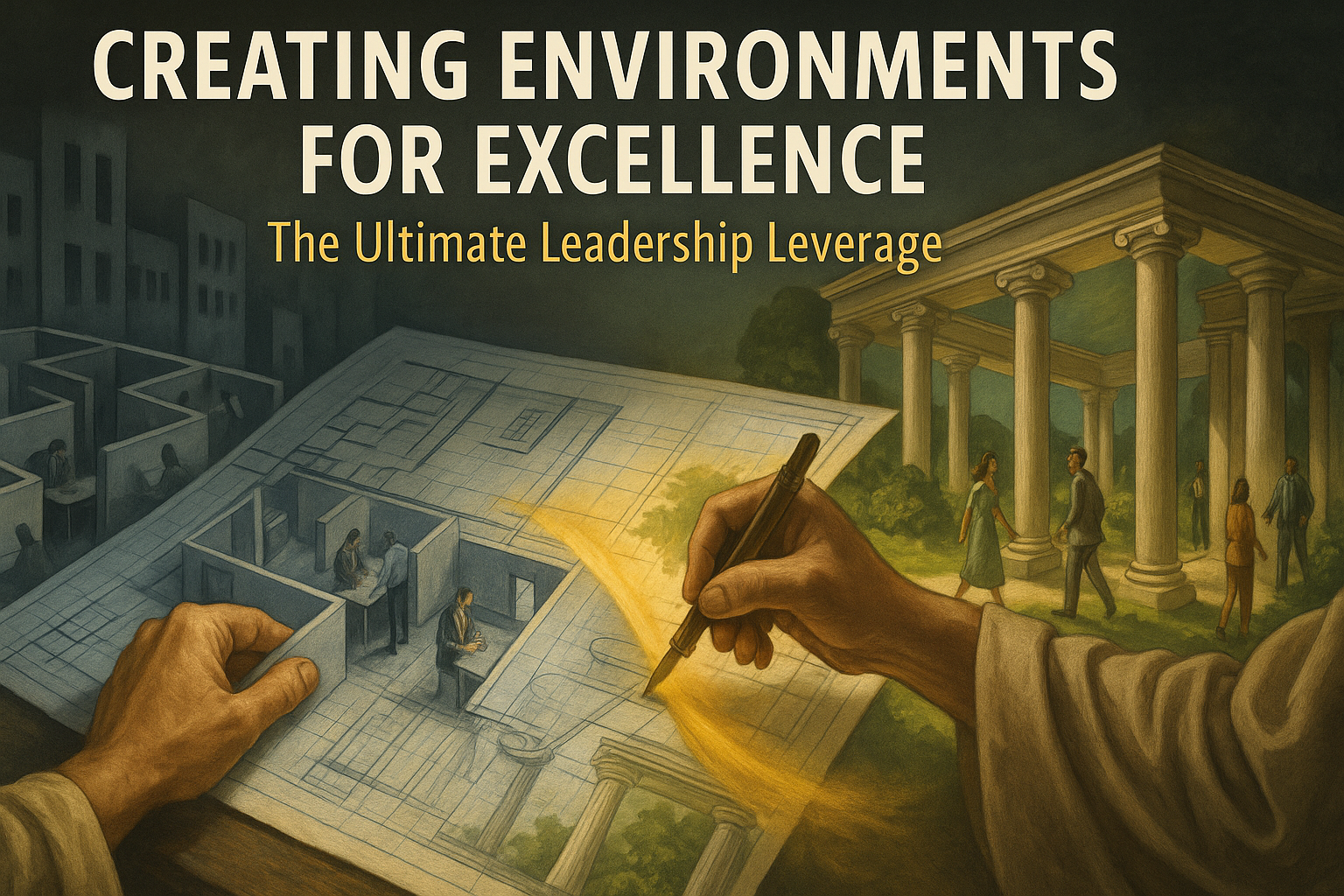
Creating Environments for Excellence: The Ultimate Leadership Leverage
Most leaders try to control people. Great leaders design environments. Here's why environmental design is the ultimate leadership leverage and how to create conditions where excellence becomes inevitable.
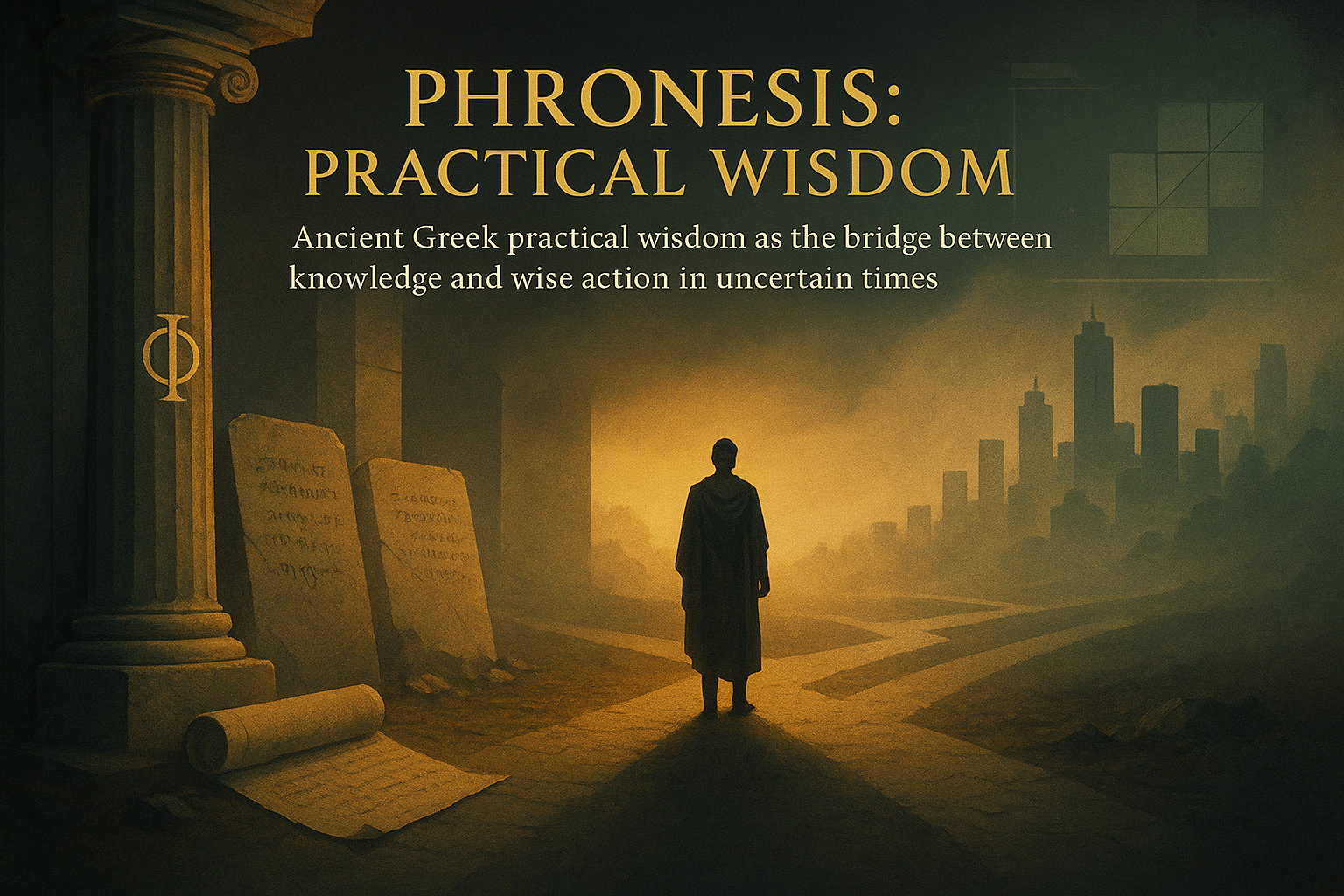
Phronesis: The Lost Art of Practical Wisdom
The ancient Greeks had a word for the leadership skill we desperately need today: phronesis. It's not about having all the answers, it's about acting wisely when you don't.
The Authority of Example: Leading Without Position
The most influential people don't have the biggest titles. They have something more powerful, the authority of example. Here's how to lead through character, not position.

Breaking Through: How Resistance Shapes Your Transformation
Every breakthrough begins with a breakdown. Resistance isn't blocking your transformation, it's forging it.

The Path to Excellence and Fulfillment: Areté and Eudaimonia in Modern Life
True success isn't about external achievements—it's about mastering yourself. Learn how to integrate Areté and Eudaimonia into your daily life for deep fulfillment.

Arete & Eudaimonia: The Cornerstone Philosophy of Excellence
The path to true excellence isn't found in quick fixes or surface, level achievements. It's discovered through the ancient wisdom of arete and eudaimonia, principles that have guided the greatest minds for over 2,000 years.