Ergon vs Telos: Key Differences in Greek Philosophy
You can perform your function perfectly and still miss your purpose entirely. This is the core tension between ergon and telos, two concepts that sit at the center of Aristotle’s thinking about what anything, including you, is for. Ergon is characteristic function, what something does by its nature. The ergon of a knife is to cut. The ergon of an eye is to see. The ergon of a human being, Aristotle argued in the Nicomachean Ethics, is rational activity, the exercise of reason in accordance with virtue. Telos is ultimate purpose, the final end toward which something is directed. The telos of an acorn is to become an oak. The telos of medical practice is health. The telos of human life, on Aristotle’s account, is eudaimonia, a condition of flourishing that encompasses an entire life lived well. The distinction matters because function and purpose can come apart. A heart surgeon whose ergon is performing surgery with technical excellence might have a telos of building wealth, gaining prestige, or advancing medical knowledge. The function stays the same. The purpose changes everything about how that function is exercised, what tradeoffs are acceptable, and what counts as success. In organizations, this separation is epidemic. Teams execute their functions with precision while the larger purpose remains undefined or disconnected from daily work. The engineering team ships features (ergon) without clarity on what the product is ultimately for (telos). The marketing team generates leads (ergon) without alignment on what the company is building toward (telos). You can diagnose most cases of excellent execution producing mediocre outcomes by looking for this gap. The ergon argument in Book I of the Nicomachean Ethics works by connecting function to purpose. Aristotle reasons that if every craft and function has a characteristic excellence, then the human function of rational activity must also have a characteristic excellence. That excellence, exercised across a complete life, produces eudaimonia. Function, exercised well, achieves purpose. But only if you have identified both correctly. The failure to distinguish these concepts explains why so many high-performing individuals and organizations experience a peculiar emptiness at the height of their competence. They have optimized ergon without interrogating telos. They execute brilliantly in service of a purpose they have never articulated, and the gap between functional excellence and purposeful direction widens with every successful quarter. For applied follow-through, read the full ergon, telos, and eleutheria guides.
Definitions
Ergon
(ἔργον)
EHR-gon
The characteristic function, task, or work that defines what something is meant to do. In Aristotle’s philosophy, every being has an ergon—and human flourishing depends on performing our distinctive function (rational activity) with excellence.
Telos
(τέλος)
TEH-los
The ultimate end, purpose, or goal toward which something naturally develops and at which it reaches completion. For Aristotle, every action and pursuit aims at some telos, with eudaimonia being the highest telos of human life—that for the sake of which all else is done.
Key Differences
| Aspect | Ergon | Telos |
|---|---|---|
| Scope | Ergon identifies what something does, its characteristic activity or function. It answers: 'What is this thing's proper work?' | Telos identifies what something is ultimately for, its final cause or end state. It answers: 'Where is this thing's activity directed?' |
| How Identified | Ergon is identified through observation of nature and capacity. You determine what something does by examining what it is uniquely equipped to do. | Telos is identified through deliberation about purpose and direction. You determine where something aims by understanding its place in a larger order. |
| Changeability | Ergon is relatively stable. The characteristic function of a thing follows from its nature. A knife's ergon is cutting regardless of who wields it or why. | Telos can shift with context and choice. A person's ultimate purpose may evolve as their understanding deepens, while their characteristic function remains the same. |
| Relationship to Identity | Ergon defines what you are. Your characteristic function is intrinsic to your nature and does not depend on your intentions or goals. | Telos defines what you are becoming. Your ultimate purpose is directional, pointing toward a condition or achievement that may not yet be realized. |
| Practical Application | Ergon guides self-assessment. Ask: 'Am I performing my characteristic function well?' A leader whose ergon is guiding others can measure whether they are actually leading. | Telos guides strategic direction. Ask: 'Is my activity aimed at the right ultimate purpose?' A leader who leads effectively but toward a destructive end has good ergon and bad telos. |
Scope
Ergon identifies what something does, its characteristic activity or function. It answers: 'What is this thing's proper work?'
Telos identifies what something is ultimately for, its final cause or end state. It answers: 'Where is this thing's activity directed?'
How Identified
Ergon is identified through observation of nature and capacity. You determine what something does by examining what it is uniquely equipped to do.
Telos is identified through deliberation about purpose and direction. You determine where something aims by understanding its place in a larger order.
Changeability
Ergon is relatively stable. The characteristic function of a thing follows from its nature. A knife's ergon is cutting regardless of who wields it or why.
Telos can shift with context and choice. A person's ultimate purpose may evolve as their understanding deepens, while their characteristic function remains the same.
Relationship to Identity
Ergon defines what you are. Your characteristic function is intrinsic to your nature and does not depend on your intentions or goals.
Telos defines what you are becoming. Your ultimate purpose is directional, pointing toward a condition or achievement that may not yet be realized.
Practical Application
Ergon guides self-assessment. Ask: 'Am I performing my characteristic function well?' A leader whose ergon is guiding others can measure whether they are actually leading.
Telos guides strategic direction. Ask: 'Is my activity aimed at the right ultimate purpose?' A leader who leads effectively but toward a destructive end has good ergon and bad telos.
When to Apply Each Concept
When to Choose Ergon
Think in terms of ergon when you need to clarify what your role, your team, or your organization actually does. When performance feels off, the first diagnostic question is whether the characteristic function is being executed well. Before asking ‘Are we aimed at the right target?’ ask ‘Are we doing what we are supposed to be doing at all?’
When to Choose Telos
Think in terms of telos when performance is strong but the results feel hollow or misaligned. When you are executing well but the outcomes do not satisfy, the problem is likely one of purpose rather than function. The question telos poses is: ‘Where is all this excellent activity actually going?’ If you cannot answer clearly, no amount of functional excellence will produce fulfillment.
Frequently Asked Questions
What is the difference between ergon and telos?
Ergon is a thing's characteristic function, what it does by nature. Telos is a thing's ultimate purpose, what it is directed toward. A doctor's ergon is healing patients. A doctor's telos might be promoting human health, advancing medical knowledge, or living a life of service. Function tells you what to do. Purpose tells you why it matters and where it is all heading.
How do ergon and telos relate in Aristotle?
Aristotle connects them through his teleological framework: everything has both a function and a purpose, and performing the function excellently is the means by which the purpose is achieved. In the ergon argument of the Nicomachean Ethics, he reasons from the human function (rational activity) to the human telos (eudaimonia). Excellent performance of function, sustained across a life, produces the fulfilled condition that is our ultimate purpose.
What is the ergon argument?
The ergon argument appears in Book I of the Nicomachean Ethics. Aristotle observes that every craft and organ has a characteristic function and a corresponding excellence. He then asks what the characteristic function of a human being is. His answer is rational activity, since reason is what distinguishes humans from other beings. The excellent performance of this function, in accordance with virtue, constitutes eudaimonia. The argument moves from function to excellence to flourishing.
Can ergon and telos conflict?
Yes. A person can perform their function excellently while directed toward the wrong purpose. A brilliant lawyer whose ergon is legal argumentation might deploy that function in the service of injustice. The function is exercised well, but the telos is corrupt. This is why Aristotle insisted that true excellence involves not only skill but also the wisdom to direct that skill toward worthy ends.
Articles Exploring Ergon or Telos (46)
Stop Celebrating Decimals
You are at 0.4 and there is a slide about it. Somebody made a chart. The number moved, so the room claps. A decimal is a position report, and treating it like an achievement pays you in advance for work you have not finished. The opposite error is quieter and more flattering, and it is the one that catches good people.

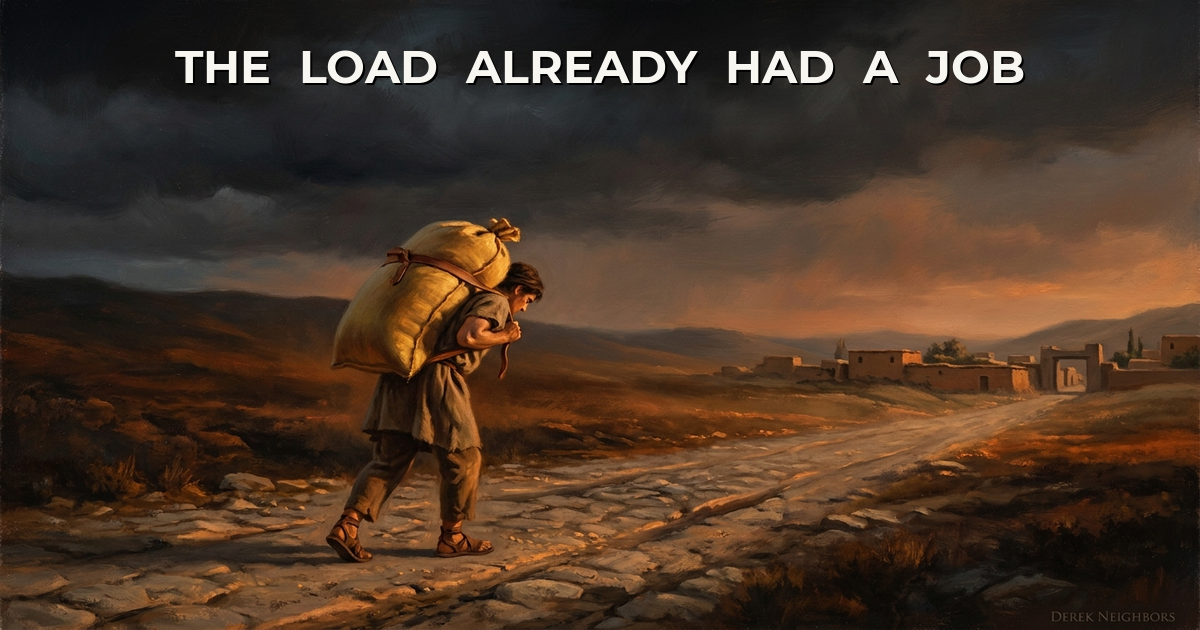
The Load Already Had a Job
I came off a long run and opened the watch before I sat down. The hills did not register. The number did. The old load already had a job. The watch applied for it.
The Right Moment Only Shows Up for People Who Already Decided
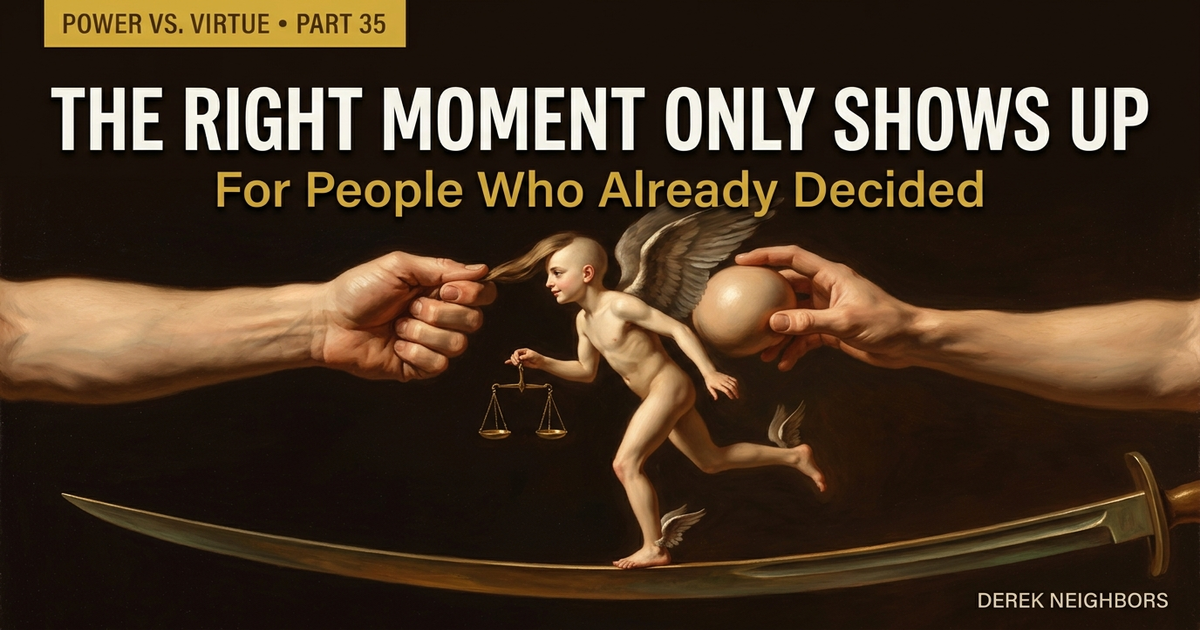
Law 35 of the 48 Laws of Power tells you to master the art of timing, and this series agrees with it. The same move lands or dies on when you make it, hurry reads as fear, and rooms punish people who cannot wait. Then the law tells you to seem patient and to sniff out the spirit of the times, and its hero is a man who survived every regime by standing for nothing. Kairos is the right moment for something. Decide the something first, or the moment never comes.
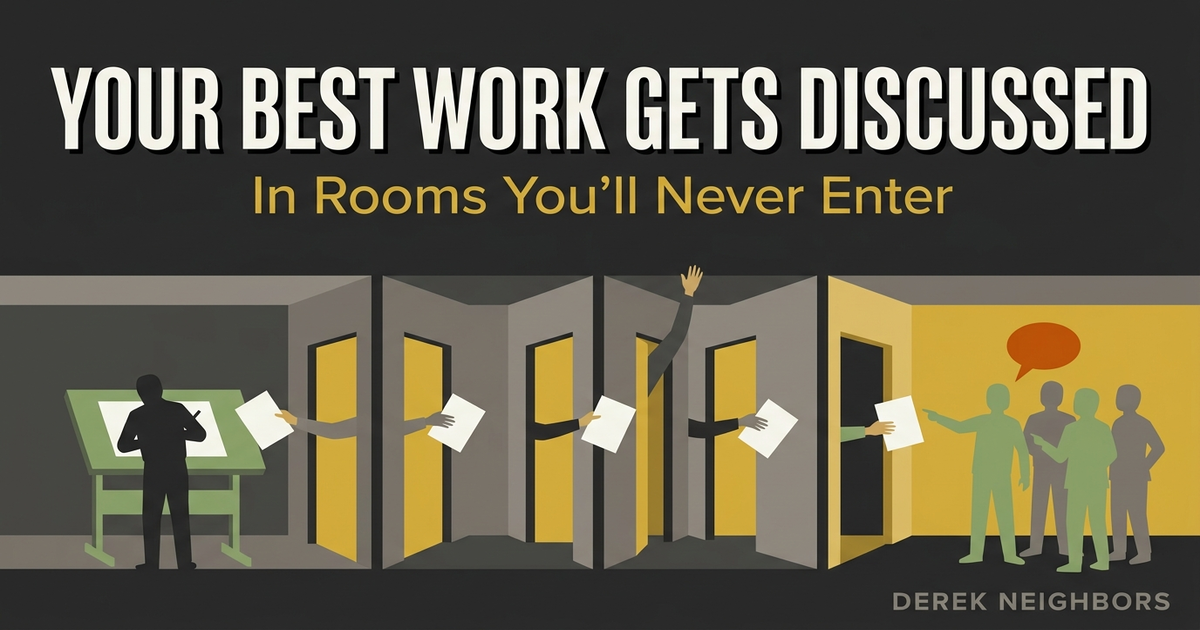
Your Best Work Gets Discussed in Rooms You'll Never Enter
A head of engineering got a call from a CEO he had never met. The new CTO had sat two desks from him four years earlier and remembered one Saturday migration that did not lose a row. It was never on a slide. It was discussed in a room he was not in.
Your Five-Year Plan Is Built From Last Year
I sat through an offsite that wrote 2029 as last year with nicer fonts. The futures worth living stay invisible until you stack skills, relationships, and harder rooms.

Code Got Cheap. Building Did Not.
A ticket used to be the whole job: receive the ask, type the code, argue that you matched it. Cheap code ends that identity before lunch. What remains is deciding whether the thing should exist.

Play to Their Fantasies and You Train Them Off Reality
Law 32 of the 48 Laws of Power tells you to play to people's fantasies: become the oasis of romance in a harsh world, avoid ugly truth, and gain power from the hunger for soft stories. The tactical truth is real. Pleasant pictures gather crowds, and disenchantment makes people angry. The character cost arrives when fantasy becomes your operating system. You train judgment off reality. When the mirage breaks, you earn the rage. The ARETE alternative keeps hope aimed at a hard path people can walk, and restores frank speech that can still lead.

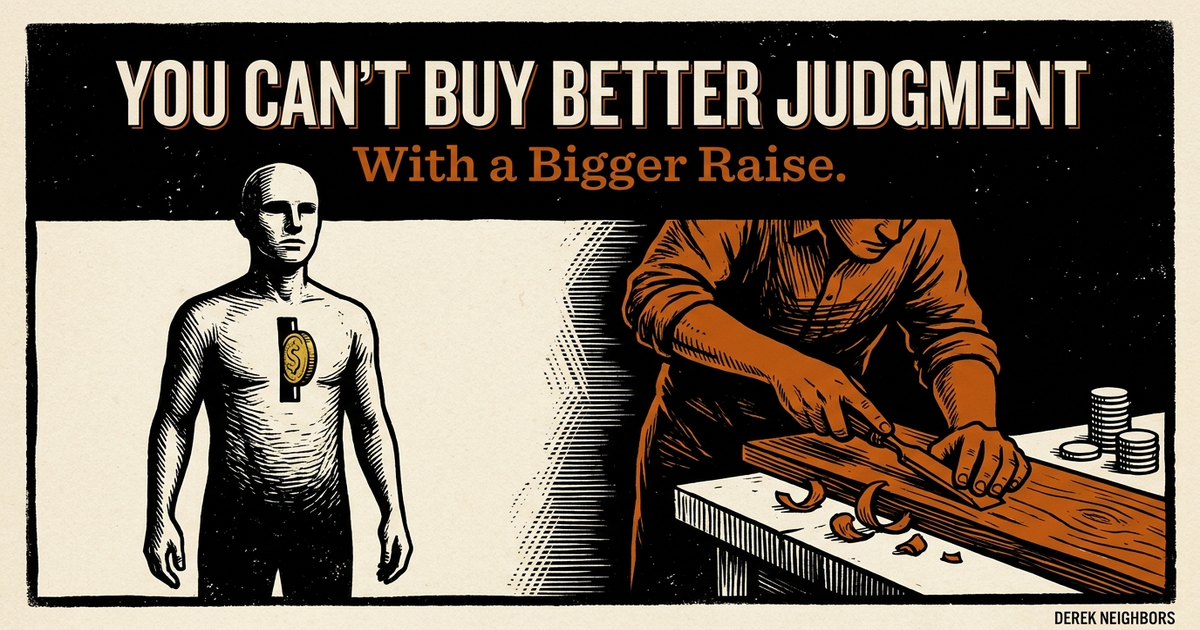
You Can't Buy Better Judgment With a Bigger Raise.
When every task gets read through the paycheck, excellence has already left. Fair pay removes the money crisis. Using raises as a lever for complex work buys worse judgment.
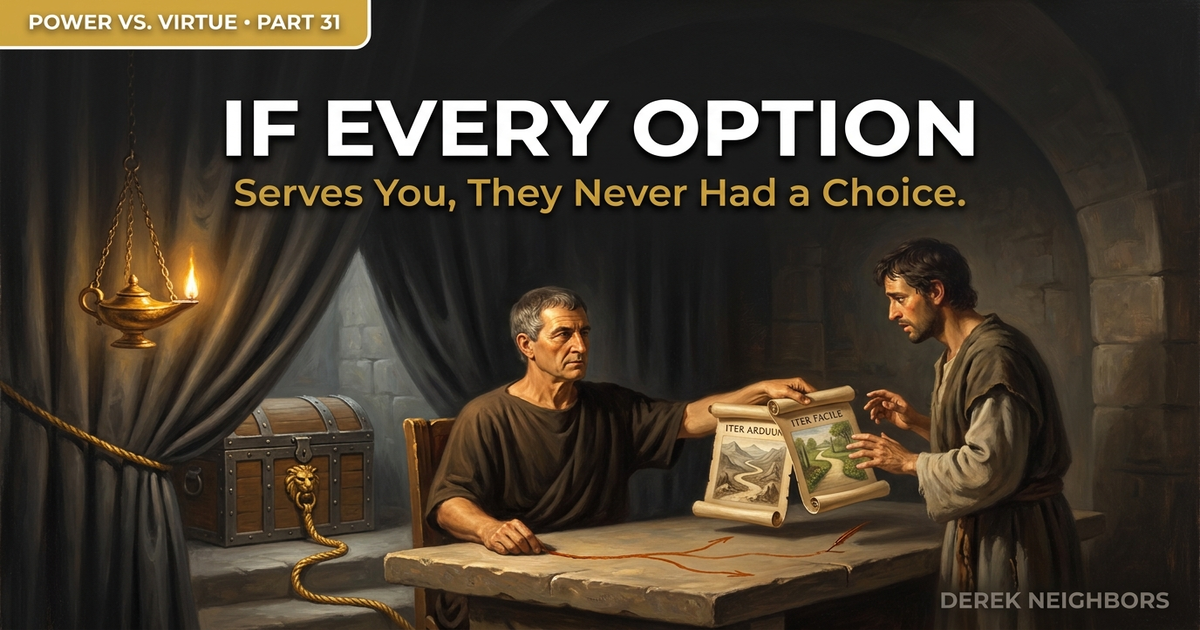
If Every Option Serves You, They Never Had a Choice
Law 31 of the 48 Laws of Power tells you to control the options: get others to play with the cards you deal. The tactical truth is real. Unstructured choice stalls rooms, and people defend outcomes they believe they chose. The character cost arrives when the menu is a rigged deck. Every door already belongs to the dealer. Discovery bankrupts trust. The operator trains contempt for other people's judgment. The ARETE alternative keeps framing as craft and restores real prohairesis: honest constraints, a shared end, and at least one exit that is not already yours.
Nose In, Fingers Out. Know the Work Without Stealing It.
After you promote out of the work, people still expect you to know it. Most leaders answer with one of two failures: fingers in every decision, or a polite disappearance that looks like trust. The craft answer is older and sharper. Stay educated. Stop owning choices that are not yours.
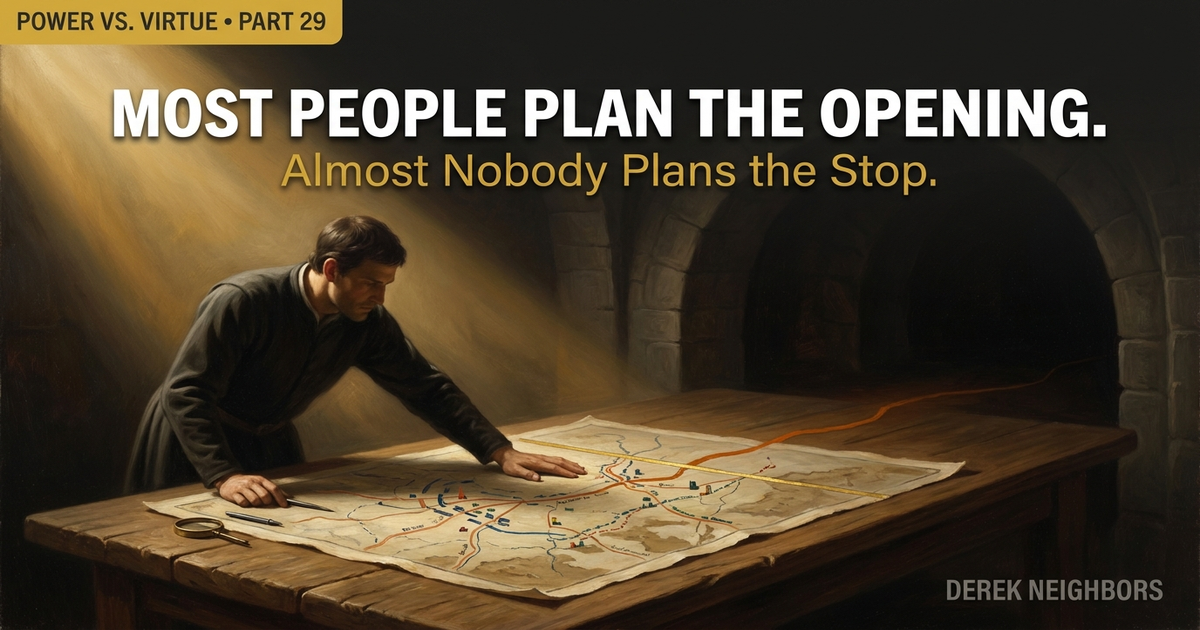
Most People Plan the Opening. Almost Nobody Plans the Stop.
Law 29 of the 48 Laws of Power tells you to plan all the way to the end, and this series agrees with it. Vague plans collapse into improvisation, improvisation is crisis-to-crisis living, and the people who cannot name a stop get owned by whoever can. Greene's evidence is Balboa, who discovered the Pacific and still lost his head, versus Bismarck, who unified Germany and then refused the siren of more. The ancient correction is simple: the ending has to be a worthy end, not just a clever exit, and naming it is what makes bold action safe to start.
The Machines Picked an Operating System. It Wasn't Windows.
For fifty years the operating system argument was a matter of taste, and taste kept Windows on seventy percent of the world's desktops. Then computers got a new user. AI agents work through shell commands, text streams, and small tools chained together, and that describes a design philosophy written down at Bell Labs in 1978. The machines were never going to vote on familiarity. They compose with whatever was built for composition, and the gap between the two kinds of operating system is about to become the gap between working infrastructure and legacy.

People Want Something to Believe In. Don't Make It You.
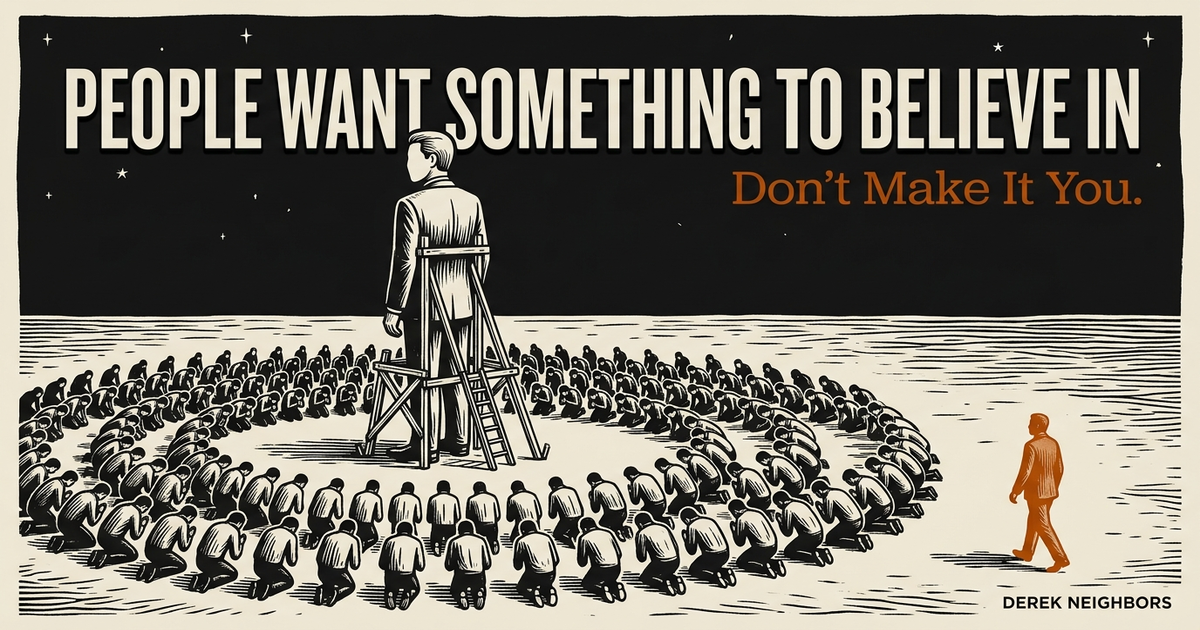
Law 27 of the 48 Laws of Power tells you to play on people's need to believe and create a cultlike following. Keep your words vague, favor enthusiasm over thinking, hand out rituals, collect the devotion. The need Greene identified is real. People are starving for something worth believing in. The law fails at the harvest. The Greeks called his method goeteia, the enchanter's craft that bypasses judgment instead of building it, and they left us a portrait of exactly where it ends: a con man with a puppet snake god who opened his rites by expelling every skeptic in the crowd, because one honest question would have brought the whole thing down.
Polish Got Cheap. That's Why Trust Got Expensive.
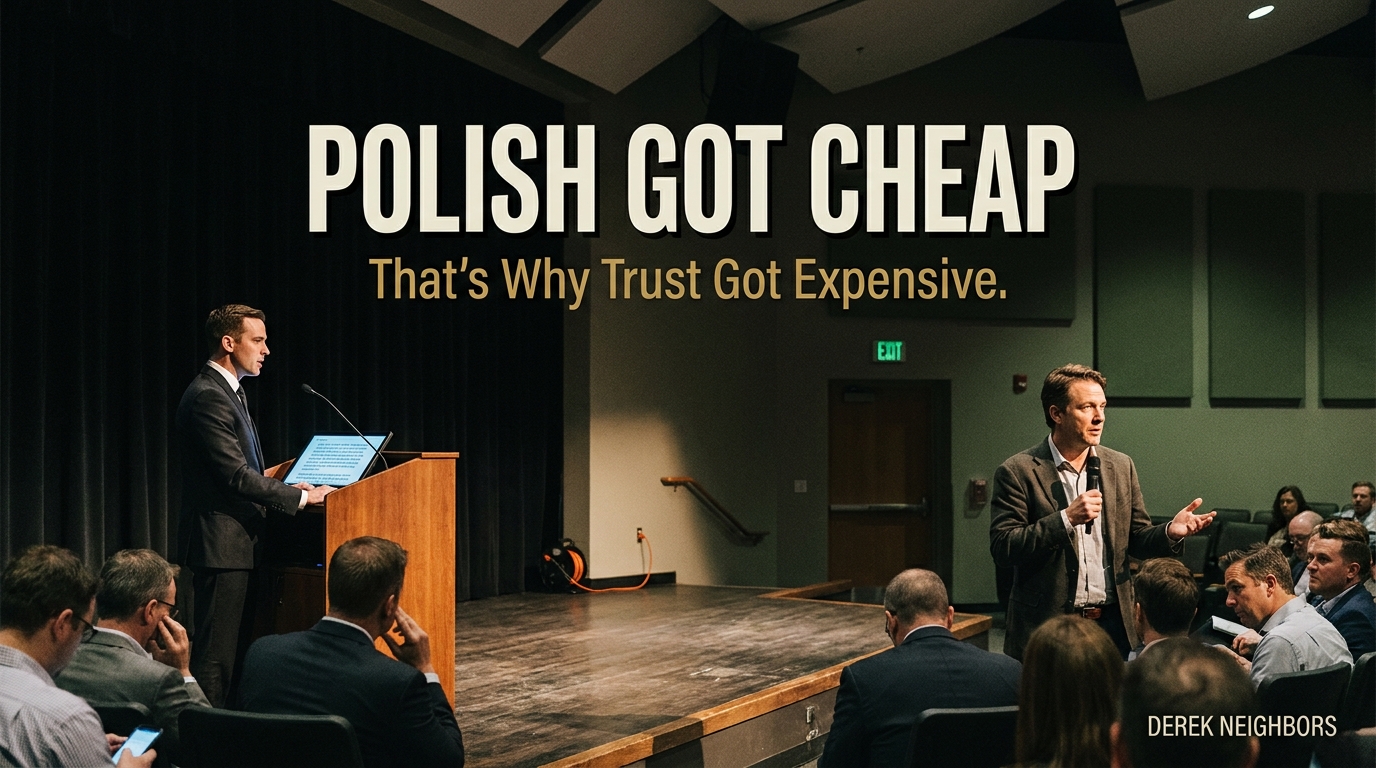
A flawless apology used to mean someone sat with the weight. Now it often means someone was not in the room. AI made sounding right cheap, and audiences rewired what they trust: hesitation, disclosed uncertainty, and speech that could have embarrassed you.
You Consume All Day. Then You Wonder Why You Can't Create Anything.
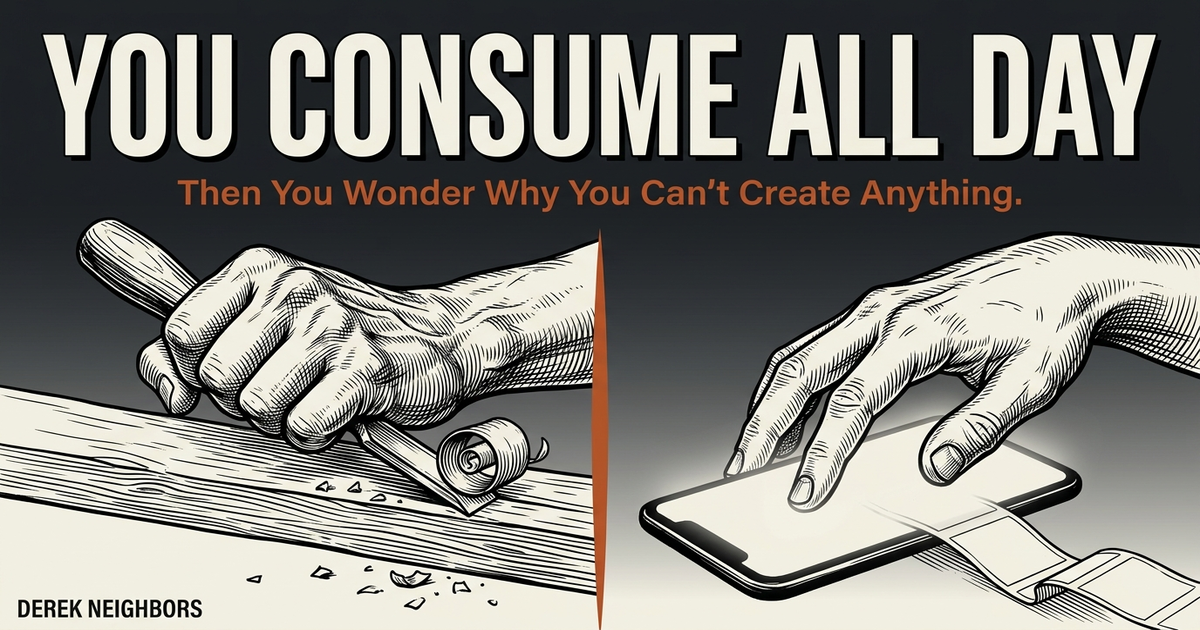
Two people spend the same free evening. One opens a feed and consumes for three hours. The other picks up a tool that fights back and makes something clumsy and real. From the outside both are relaxing. A year later one of them can do a dozen things with their hands and the other can only find things other people made. Every tool trains you. A craft tool demands skill and leaves capability in you. A capture tool demands only your appetite and hands you consumption you rent from an algorithm. The line was never analog versus digital. It is whether the thing in your hand is finishing you into a maker or a consumer.
Recreate Yourself. Just Don't Mistake the Mask for the Self.
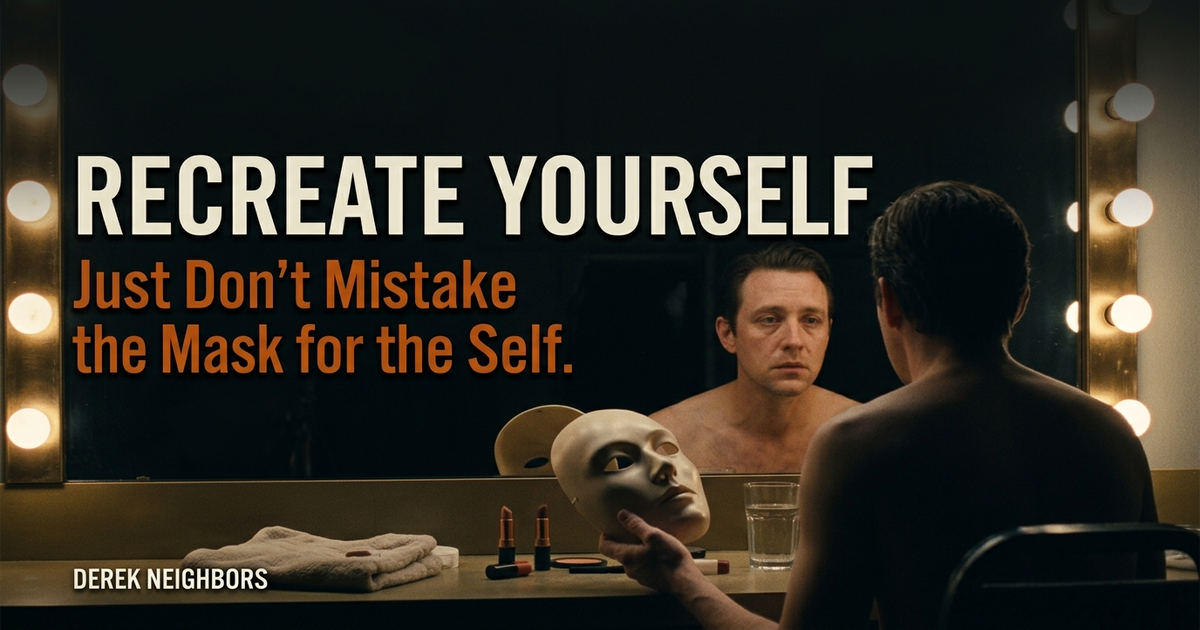
Law 25 of the 48 Laws of Power tells you to recreate yourself by seizing control of your image, becoming a memorable, protean figure who never bores the audience. The Greeks had a word for the thing you put on to face a crowd: prosopon, the mask an actor wore on stage. Greene's reinvention is mask-work, and a mask worn long enough fuses to the face. There is a real kind of self-recreation, but it runs the other direction. You forge the substance and let the appearance follow.
Your Beliefs Are a Pain Tolerance Test. Most People Are Failing It.
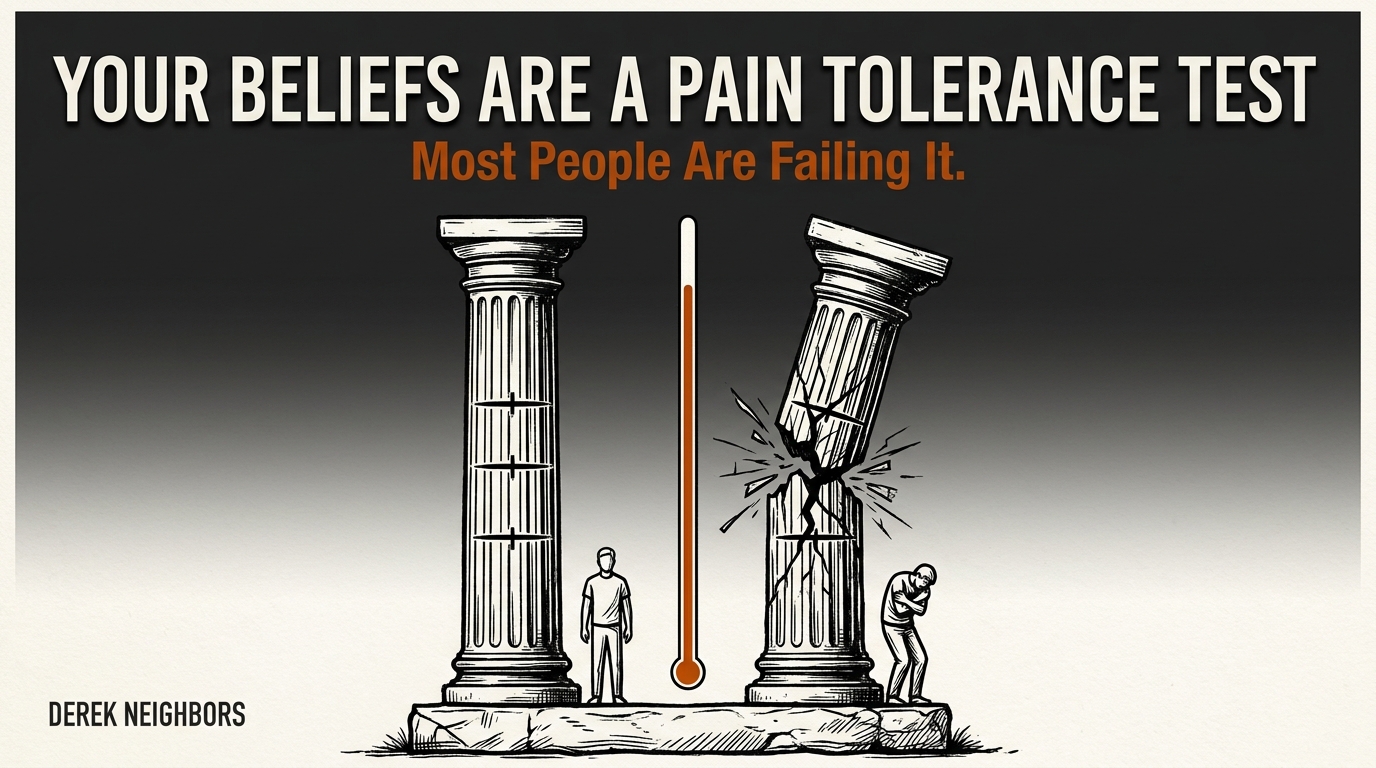
Two people take the same hit. Same diagnosis, same year, same loss of income. One keeps showing up. One disappears into the couch for six months. The difference is rarely willpower. It is the belief system running underneath, and belief systems can be scored. The Stoics built a scorecard without calling it that: internal control, suffering as training material, virtue as something worth the cost. Most modern frameworks fail on all three axes and then wonder why life feels unbearable.
You're Not a Blank Slate. You're a Block of Marble.
The self-development industry treats you as a blank slate waiting for a better blueprint, so you keep importing other people's designs and calling it growth. The Greeks worked from the opposite premise. Pindar told his readers to become who they are, having learned it. The Stoics built a whole theory, oikeiosis, around development as progressive alignment with your own nature. Michelangelo said the figure already lives in the marble. The question isn't who you should become. It's who is already in the stone, and what has to come off.

Concentrate Your Forces. Just Don't Make Them Someone Else's.
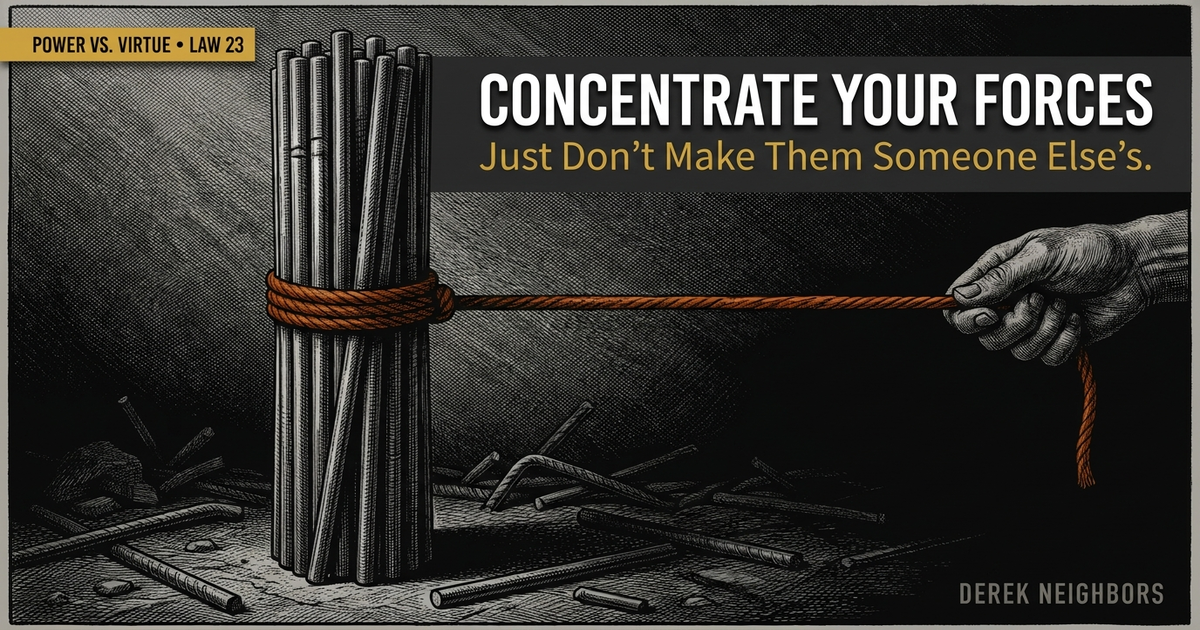
Greene's Law 23 welds two opposite ideas together. Concentrate your forces at their strongest point is some of the most virtue-aligned advice in the book. Find the one patron, the fat cow to milk, is the trap. Both feel like focus. One builds a foundation you own. The other lends your forces to a hand that can drop you.
What You Sacrifice First Is What You Actually Love
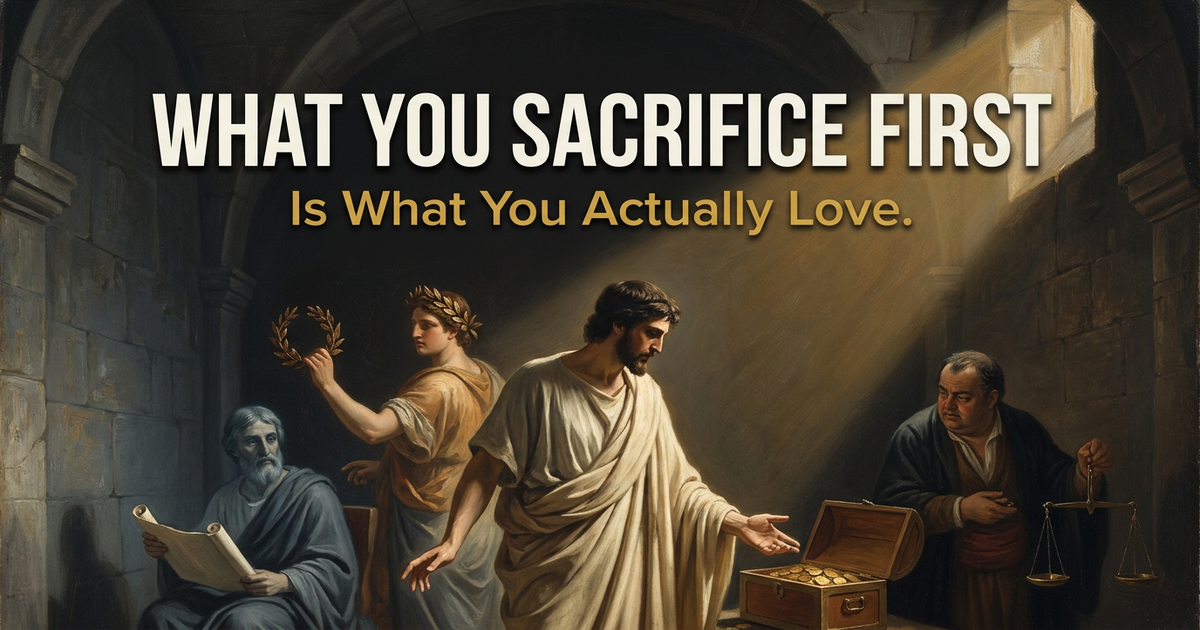
Most people believe they hold their values in balance: family, work, health, growth, all weighted more or less equally. Plato argued that nobody actually lives this way. Every soul is ordered by a single ruling love, and everything else gets ranked beneath it. The proof is not in what you claim to value. The proof is in what you sacrifice first when two of your loves collide, because the thing you protect last is the thing you actually love.
Your Work Family Has an Expiration Date. Most People Discover It Too Late.
The retirement party promise was honest in the moment. The silence three months later is structural. Most workplace bonds rest on four scaffolds that disappear the day the project does, and the bitterness most leaders carry into their late careers comes from expecting utility friendships to behave like virtue friendships. Aristotle mapped three kinds of philia 2,400 years ago. The leadership move is to know which kind you have, identify the one or two candidates for the third kind, and invest on purpose outside the project's calendar.

Surrender Isn't Weakness. Pretending to Surrender Is.
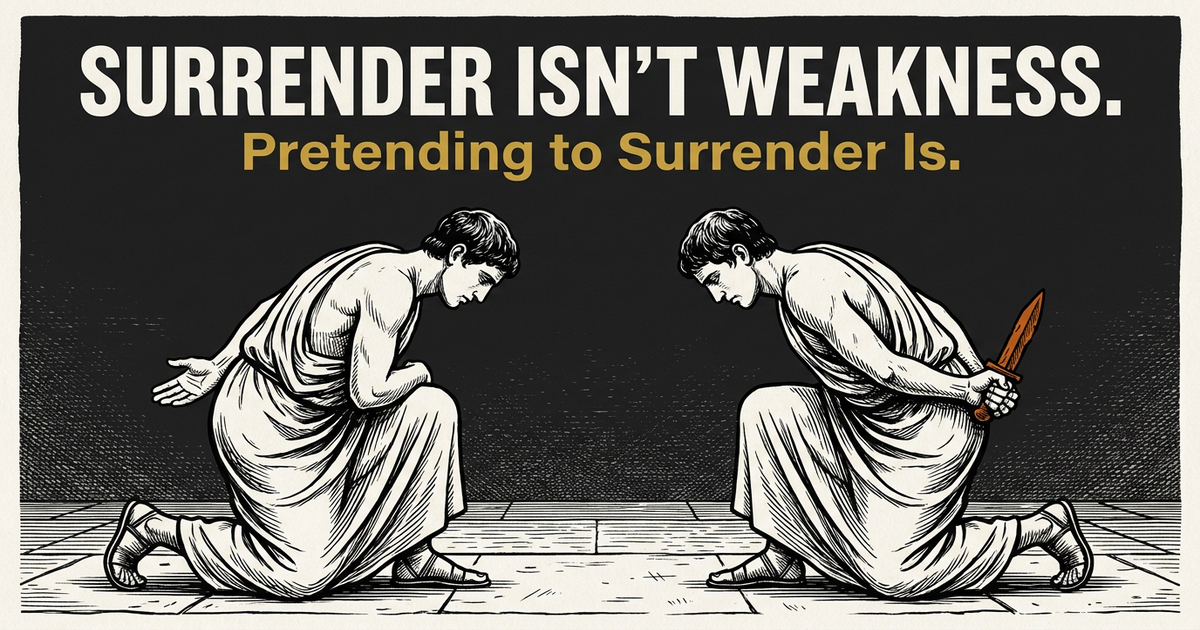
Greene's Law 22 tells you to surrender as a counter-trap. The tactic is real, and the Stoics knew the moves it copies. But Marcus Aurelius yielded to preserve his prohairesis. Greene's reader yields to spring an ambush. The heads can look identical; the ends diverge. The test that separates them is whether you could name, out loud, what you yielded for.
Acting Dumb to Get Ahead Works. Until You Can't Stop Acting.
Greene's Law 21 tells you to play the fool so your marks lower their guard. The tactic is real. The Greeks invented it. But Socrates played dumb to make people wiser, and Greene plays dumb to make people poorer. The mask is identical. The cost of running the wrong one is that you eventually cannot take it off.
The Future You're Killing Yourself For Doesn't Include You
The next milestone always arrives on schedule, but the person it was supposed to arrive for has already moved on to the next pursuit. The engine producing your wins is the engine evicting you from the life they were meant to build. The paradox is structural, not personal, and most ambitious people have been paying for it for decades without noticing the bill.

If Your Team Never Disagrees With You, You're Not Leading. You're Indoctrinating.
A team that always agrees with you is not aligned. It has been worn down. Most leaders are quietly running a sophistic operation, training reciters when they think they are developing thinkers. The Socratic test still applies, and most modern leaders fail it.

You Don't Have to Be the Best. You Just Have to Still Be Here.
You probably aren't the best in your field. That matters far less than you think. Almost everyone you compare yourself to has already quit, or is about to. The strategy that compounds is staying.

The Gladiators Are Becoming the Emperors. Respect the Arena, Not the Audience.
Last week the Daily Stoic guy lost his composure on YouTube because Ivanka Trump praised Marcus Aurelius. The same week, SpaceX offered sixty billion dollars for a company whose 25-year-old CEO does every podcast himself. These are the same story.
Your Potential Isn't Waiting. It's Disappearing.
We talk about untapped potential like it's a savings account, sitting there earning interest while you figure things out. Aristotle had a different word for it. And his version has an expiration date.

If You Need to Destroy Your Enemies, You Were Never Really Winning
Greene says leave nothing to chance and annihilate your opponent completely. But total destruction requires total obsession with another person's existence. The Greeks called this failure of character, not strength. Megalopsychia, greatness of soul, means your purpose is too large for any single enemy to define.
You Know Exactly What You Don't Want. That's Why You're Stuck.
Ask someone what they want and watch them struggle. Ask what they don't want and the words pour out. All that clarity is pointed backwards, and it's the reason you can't move forward.
You Don't Want to Change. You Want to Feel Better.
You've read the books, hired the coach, attended the retreat. Six months later, the same patterns are running. The same conflicts repeat. The vocabulary improved. The behavior didn't. The effort was real. The misunderstanding was deeper: what change actually requires.
Why Arguing Your Point Is Always a Losing Strategy
For the second time in this series, Greene and the ancient philosophers agree. Demonstrate, don't argue. But they agree for different reasons, and the difference reveals whether you're performing power or practicing excellence.
Taking Credit for Your Team's Work Will Destroy Everything You've Built
Greene says get others to do the work and take the credit. The Greeks say earn your honor through what you actually contribute. One builds empires that depend on resentful people staying. The other builds teams that grow stronger because people choose to stay.
You're Not Too Intense. Everyone Else Is Too Comfortable.
What society labels 'crazy' or 'too intense' is actually the natural fulfillment of human purpose. The real madness is accepting a diminished life. Normal isn't sanity. It's collective surrender.
Next Week Is As Far As Most Leaders Can See. That's the Problem.
The inability to see beyond immediate tasks isn't a skill gap. It's a character limitation. Strategic vision is a cultivated virtue, not an innate talent. Small picture thinking is underdeveloped character.
Should You Hide Your Excellence to Protect Your Boss's Ego?
Greene's first law of power tells you to never outshine the master. The tactical truth is real: insecure leaders punish excellence. But the solution isn't dimming your light. It's knowing when to deploy it. The Greeks called it kairos.

Why Authenticity Has Nothing to Do With Being Yourself
Authenticity has become a personal branding buzzword. The Greeks knew better. True authenticity isn't about expressing your real self. It's about refusing to fragment into different versions for different audiences. Wholeness, not performance.

What Do You Actually Want? (Most People Never Answer This)
You're not anxious. You're unclear. The mind that hasn't decided what it wants will constantly point out what's missing. Clarity isn't a luxury. It's the foundation.

The Elimination Discipline: Why Cutting the Good Unlocks the Great
Most people stay mediocre not because they lack talent, but because they refuse to give up anything. The hardest cut isn't the bad work. It's the good work that's in the way.
The Fastest Path to Opportunity Is Through the Work Nobody Wants
Everyone's competing for the spotlight. Meanwhile, opportunity waits in the tasks everyone avoids. The dirty work doorway isn't just a path to success. It's the only path that isn't crowded.
Good Intentions Are Why Most Dreams Die
Everyone celebrates good intentions. 'At least their heart was in the right place.' But intentions aren't neutral. They're a sophisticated form of self-deception that lets you feel virtuous about dreams you're not actually building.
You're Working Hard. On the Wrong Things.
The myth of 'work on your weaknesses' has created generations of well-rounded mediocrity. What if the thing that comes easily to you is exactly where your leverage lives?

If Money Is Why They Stay, Money Is Why They'll Leave.
Pay them well and they'll stay. Pay them more and they'll work harder. It sounds logical until you watch your highest-paid people leave for less money. The myth of compensation-driven loyalty is destroying teams.
You're Not Getting Ready. You're Hiding.
Preparation is the most sophisticated form of procrastination. It feels productive. It looks responsible. And it keeps you exactly where you are.

The Brutal Honesty Test: Do You Really Want What You Say You Want?
Most people torture themselves pursuing goals they don't actually want. The framework for distinguishing authentic desire from sophisticated self-torture.

The Completion Paradox: Why Finishing Matters More Than Starting
You don't have a motivation problem. You have a completion problem. Every unfinished project is evidence that you can't trust yourself to follow through. Here's how to build the character that finishes what it starts.