The Load Already Had a Job
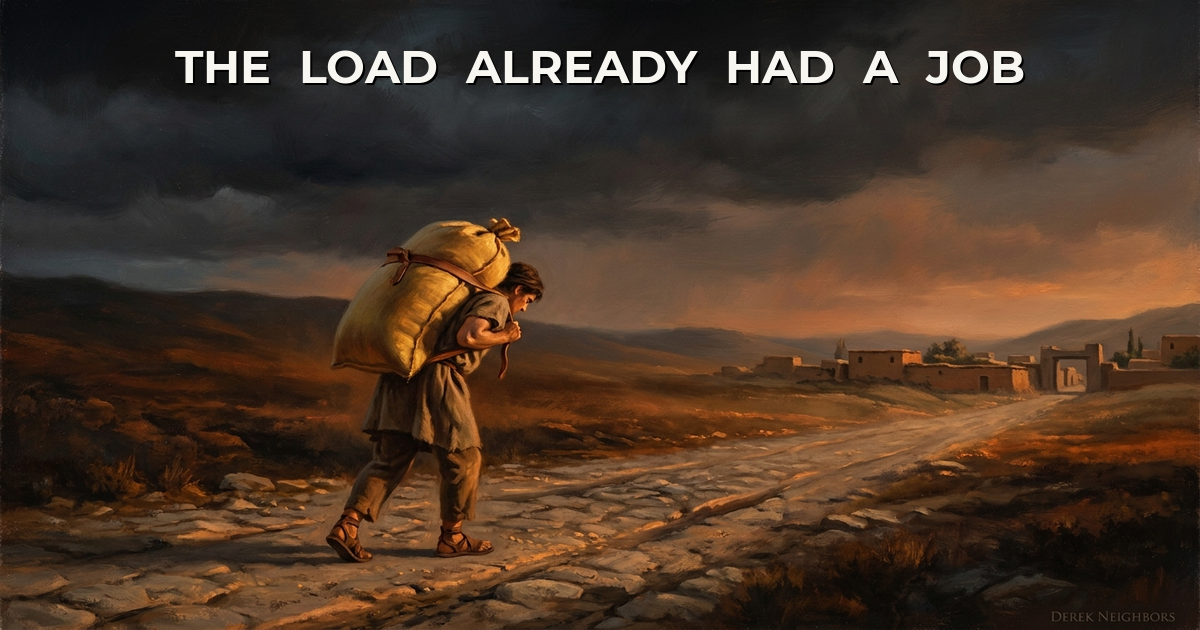
I came off a long run and opened the watch before I sat down. The hills did not register. The number did. The old load already had a job. The watch applied for it.
Browse all articles in the Mastery category. Here you'll find insights, tips, and exploration of topics related to mastery.
Explore diverse perspectives on mastery through practical advice, thought-provoking analysis, and real-world examples.
I came off a long run and opened the watch before I sat down. The hills did not register. The number did. The old load already had a job. The watch applied for it.

Two teams run the same standups, the same review gates, the same dashboards, and both run them correctly. Neither is remarkable. A best practice is what worked in enough other places to survive averaging, written down after the consensus formed and sanded of every edge so it can travel. It will get you to the average of everyone else who follows it. That was always its whole job. The name is the only part that overpromises.
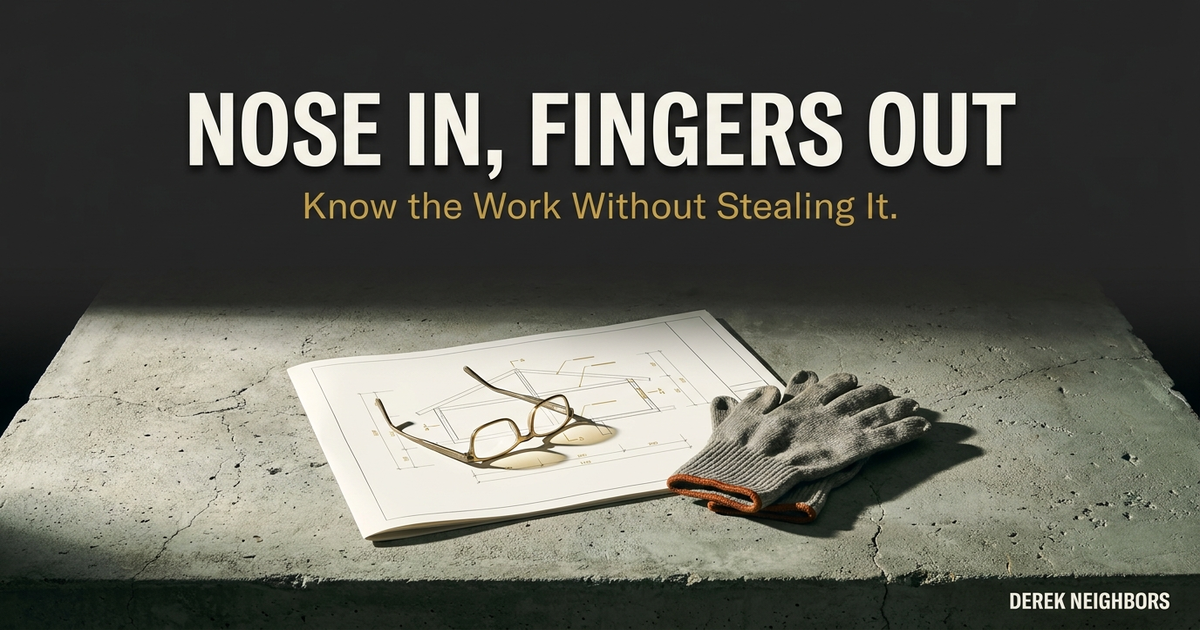
After you promote out of the work, people still expect you to know it. Most leaders answer with one of two failures: fingers in every decision, or a polite disappearance that looks like trust. The craft answer is older and sharper. Stay educated. Stop owning choices that are not yours.
You installed their standup, their OKRs, their hiring scorecard. Six months later you have their vocabulary and none of their results. Excellence rarely transplants as costume. The triangle offense without Jordan collapses. Forced ranking without the culture that could carry it poisons. Stop copying the finished playbook. Steal the reason it worked, then rebuild the practice in your own materials.
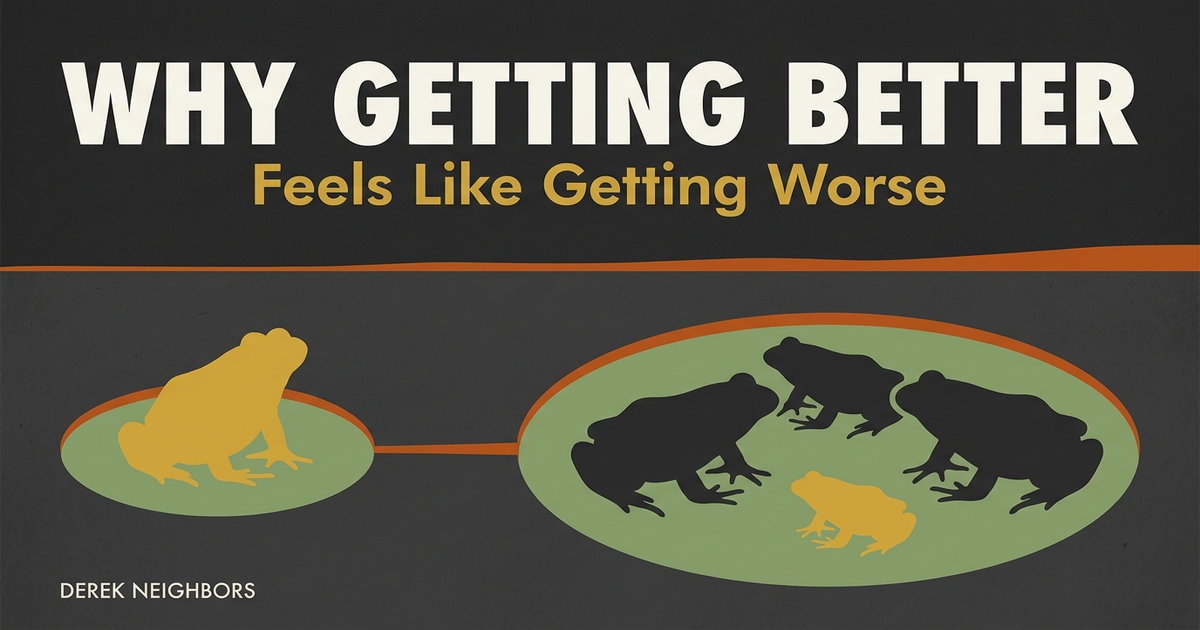
You joined the harder room and suddenly feel slower, smaller, less impressive. Most people read that collapse as proof they got worse. James Davis showed in 1966 that aspiration tracks local rank more than absolute ability. Growth that changes the comparison set re-ranks you before it rewards you. Staying biggest frog in a pond that stopped teaching is the quietest form of quitting.
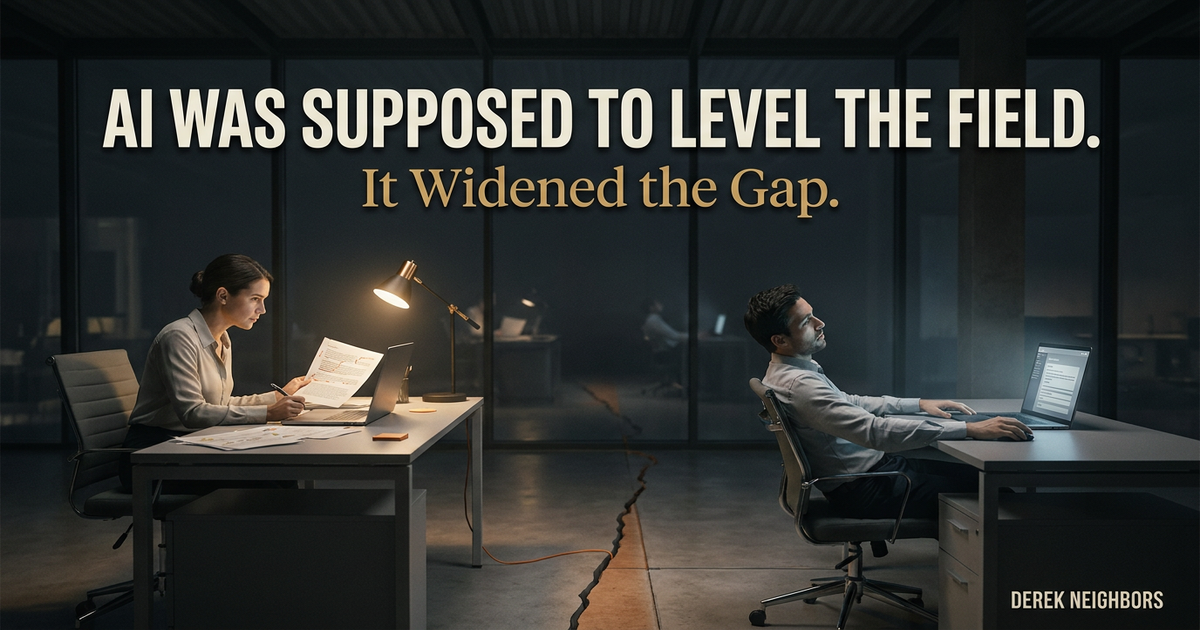
The promise was equal access and a rising bottom. The mechanism runs the other way. AI does not replace discernment. It multiplies whatever quality of judgment already sits in the chair, which means the people who needed a leveler most are often the ones the tool harms first.
For fifty years the operating system argument was a matter of taste, and taste kept Windows on seventy percent of the world's desktops. Then computers got a new user. AI agents work through shell commands, text streams, and small tools chained together, and that describes a design philosophy written down at Bell Labs in 1978. The machines were never going to vote on familiarity. They compose with whatever was built for composition, and the gap between the two kinds of operating system is about to become the gap between working infrastructure and legacy.
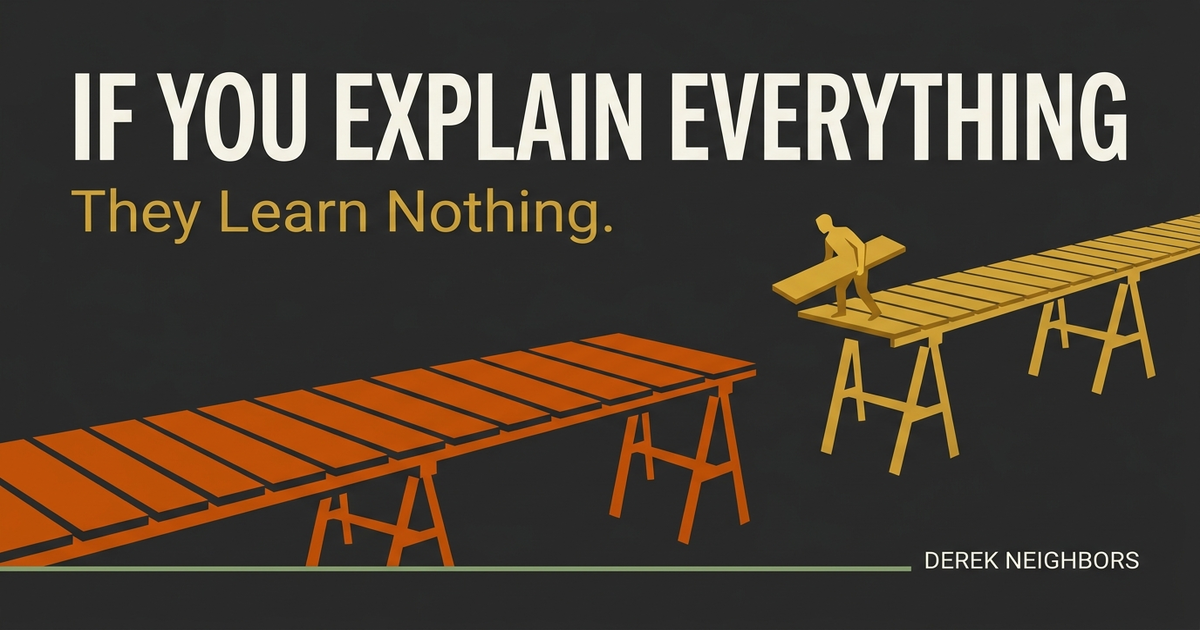
The most patient explainer on the team is often the reason the team can't function without them. Complete answers feel generous, and they quietly train people to wait for the next one. Every procedure you hand over expires with the tool it describes. The thing that transfers is the loop: how to get stuck, stay calm inside the stuck, and work a way out. Aristotle said you can't untie a knot you don't know is there. A teacher who explains everything makes sure the student never meets the knot.
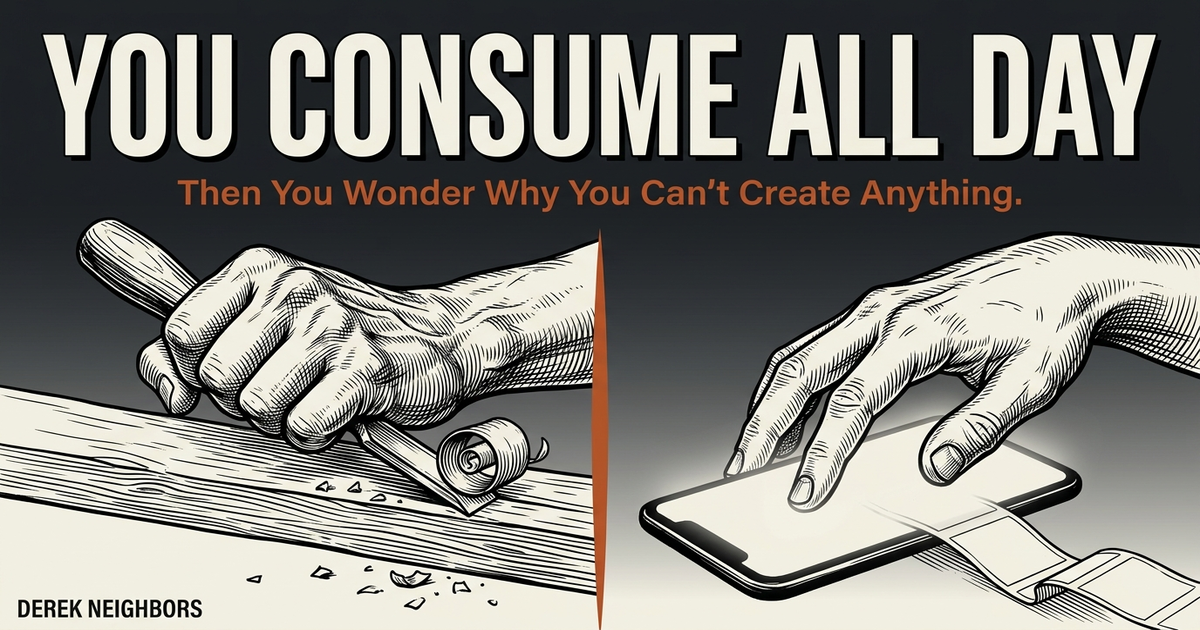
Two people spend the same free evening. One opens a feed and consumes for three hours. The other picks up a tool that fights back and makes something clumsy and real. From the outside both are relaxing. A year later one of them can do a dozen things with their hands and the other can only find things other people made. Every tool trains you. A craft tool demands skill and leaves capability in you. A capture tool demands only your appetite and hands you consumption you rent from an algorithm. The line was never analog versus digital. It is whether the thing in your hand is finishing you into a maker or a consumer.
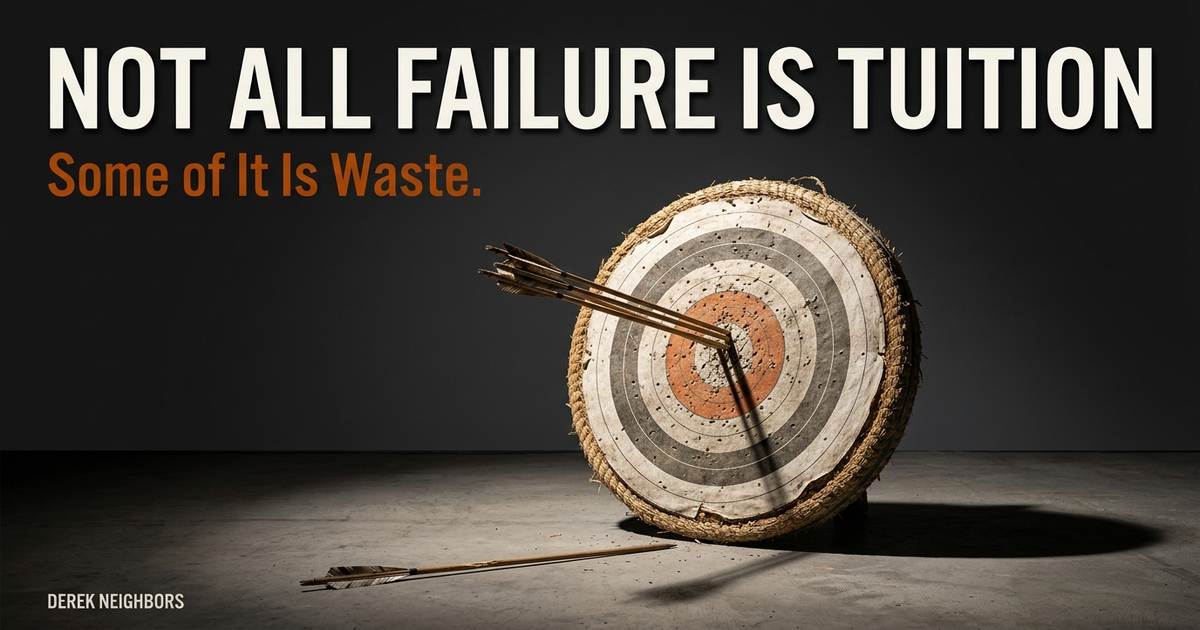
The culture says failure is the best teacher. Most of the time that is a receipt people print to avoid paying for the loss. There are two kinds of miss. The good miss is an honest aim that fell short, and it is the most expensive education available. The bad miss is neglect, drift, or a shot you never really took, and it teaches nothing because there was nothing in it to learn from. The Greeks had one word for both, hamartia, missing the mark, and the whole craft of getting better is learning to tell them apart.
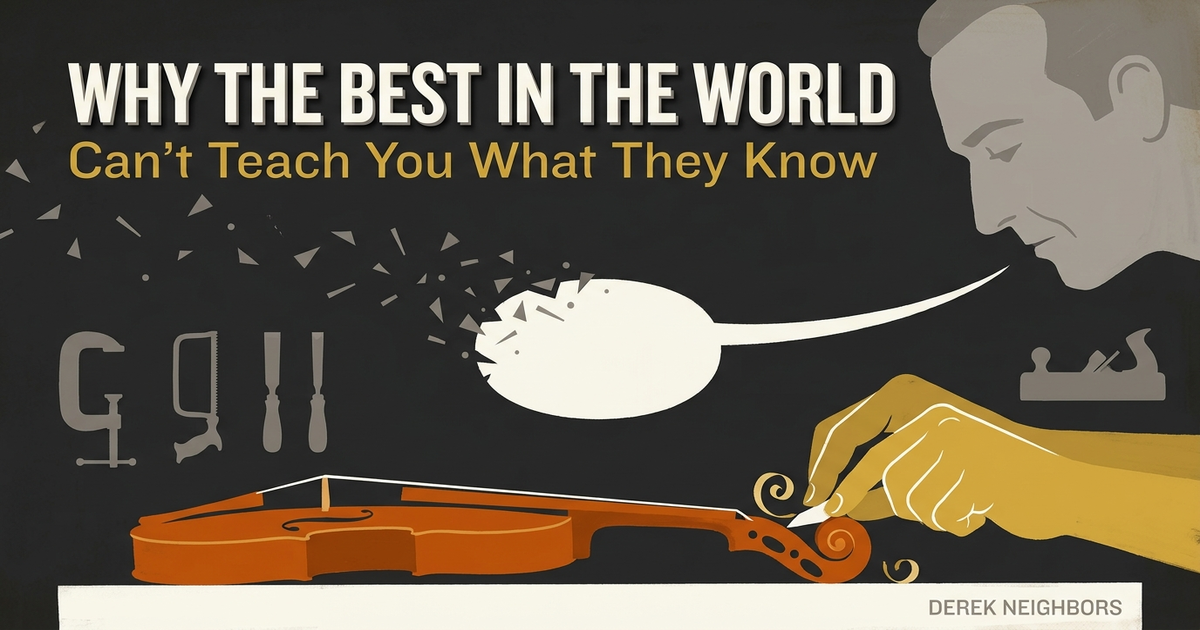
Ask the best performer in any field how they do it and you get a slogan. Trust your gut. See the ball, hit the ball. We assume they're hiding the secret or explaining it badly. The truth is stranger: fluent expertise erases its own steps as it compiles, so the master's explanation is a reconstruction by a narrator who no longer has access to the machinery. The Greeks called the unteachable knack empeiria. Modern research calls it tacit knowledge. Either way, the words are the least transferable thing a master has, and the people who learn fastest stop collecting answers and start watching hands.
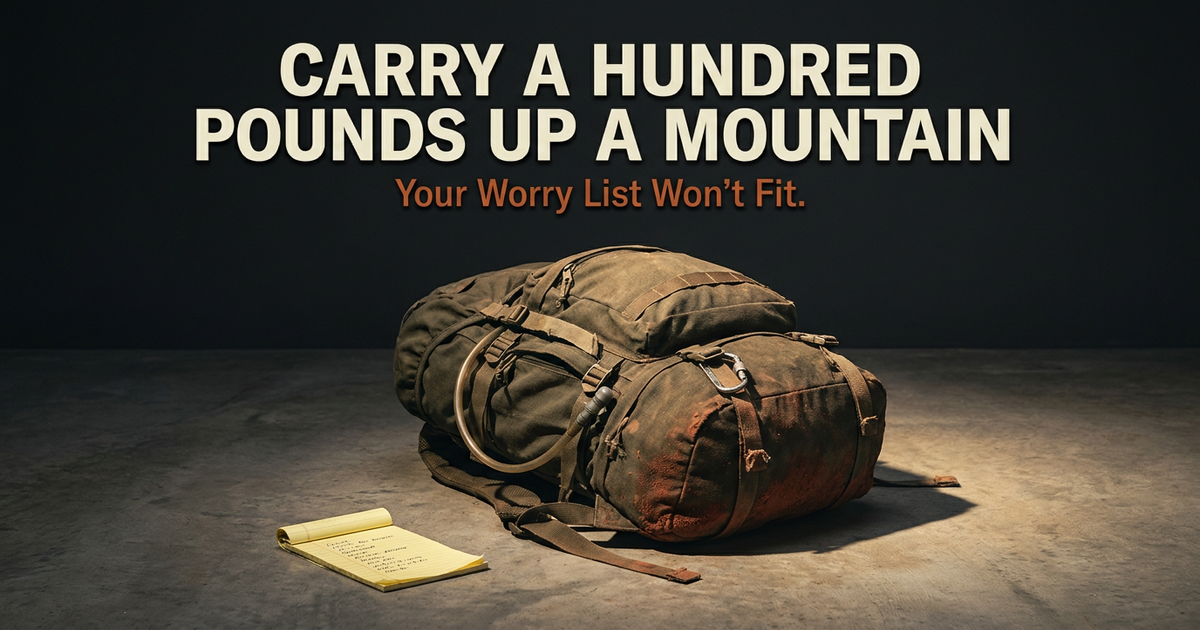
Modern comfort has gifted the average mind enough idle capacity to host a daily inventory of anxieties, resentments, and dreads that primitive life would not have permitted. Malakia is the Greek word for the moral failure this produces, softness as a settled disposition that organizes a life around the avoidance of effort. The cure is not therapy or another book. It is the deliberate, repeated practice of putting a real load on the body, large enough and long enough that the simulated load in the mind cannot fit on the climb. Askesis as training. Ponos as productive toil. The pack on the back is not penance. It is the cure for the part of the mind that was about to be eaten by the surplus capacity comfort produces.
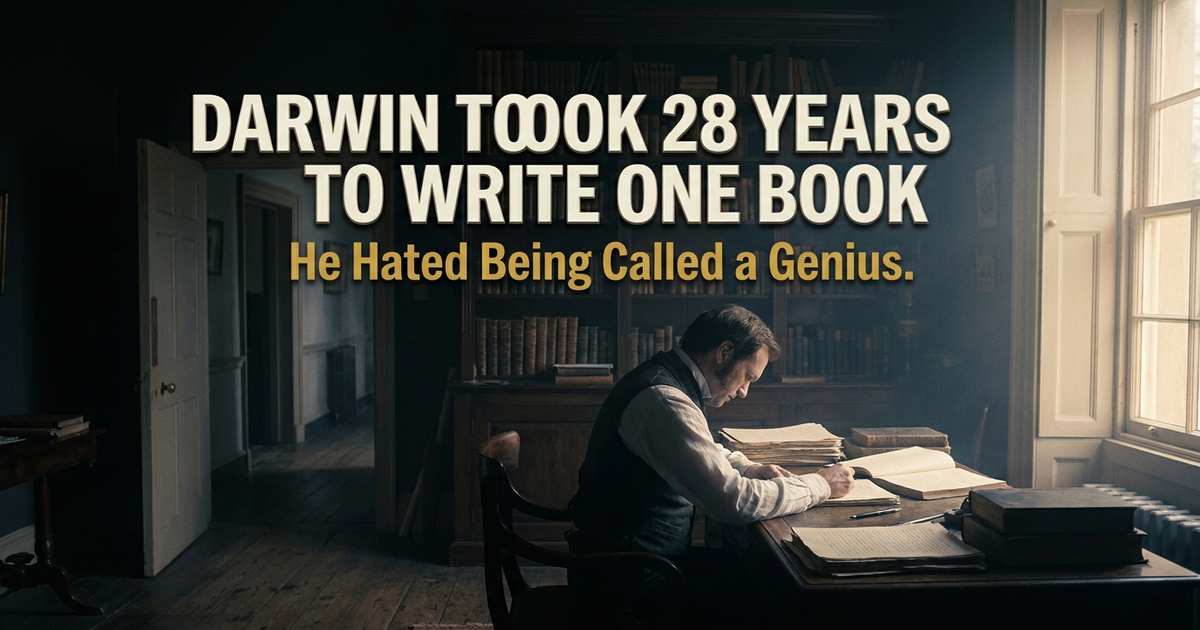
Charles Darwin spent twenty-eight years between the HMS Beagle's return in 1836 and the publication of On the Origin of Species in 1859. Eight of those years he spent classifying barnacles. He described himself in his autobiography as not a quick thinker or writer. The word the public eventually used for him was genius. He hated it. Genius is a hindsight label we paste onto a long, mostly invisible accumulation of patient daily work, and the lightning-bolt myth of insight survives because it lets the rest of us off the hook for not enduring the years of karteria, patient endurance, the actual builders endured.
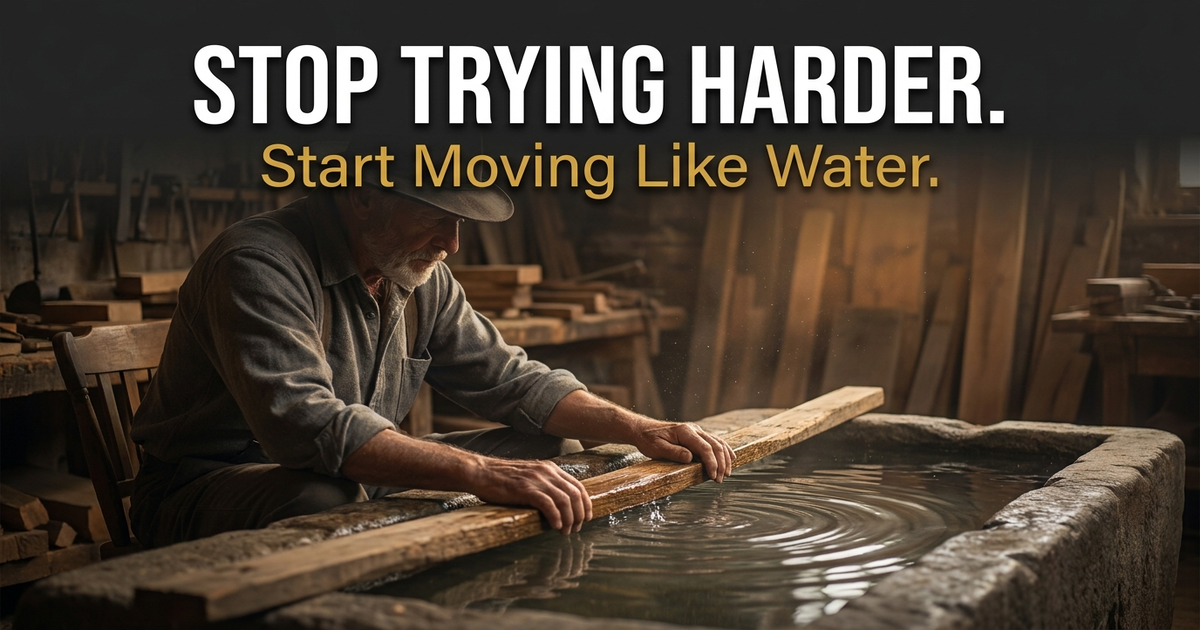
The mythology that says excellence comes from gripping tighter is a Western misread of how skilled humans actually perform. Four hundred years ago, a swordsman named Miyamoto Musashi described the working stance every senior craftsman, surgeon, musician, and distance runner eventually finds: mizu no kokoro, the water mind. Alert without rigidity. Fitted to the moment. Impossible to tense up. The novice grips. The master flows. This is the investigation into why, and the training that gets you across the threshold.
For all of history, scarcity decided what got automated. AI removed the constraint, and the burden quietly flipped: you no longer have to justify automating something, you have to justify keeping it. Most people are answering the wrong question. The ancients named the judgment we now need most, and it has nothing to do with whether the machine can do the work.
The productivity industry has been selling calendar tools to people whose problem was never on the calendar. You can engineer your week perfectly and still arrive at Friday burned alive. The category you are missing has a Greek name and a four-thousand-year track record. Stewardship, not scheduling, is the lever ambitious people keep refusing to pull.
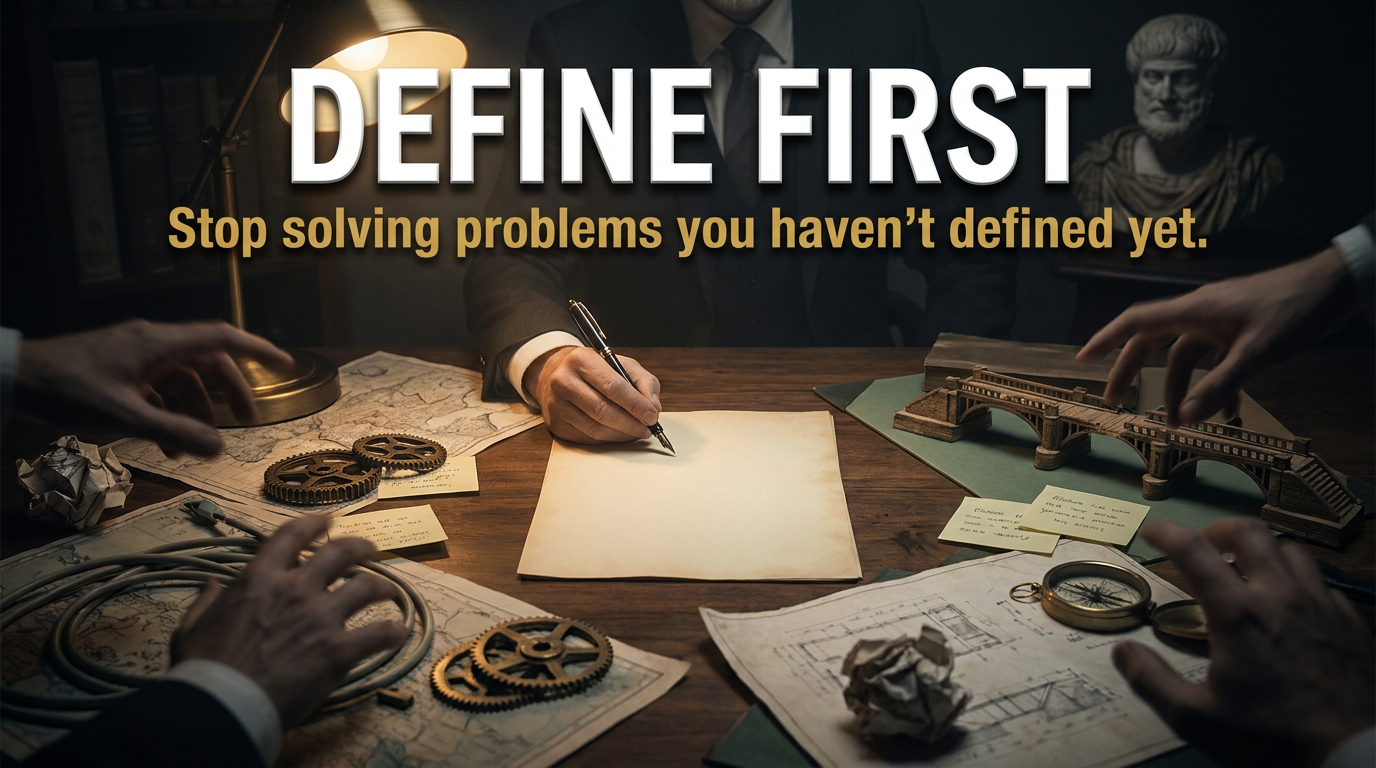
Motion feels responsible. Definition feels slow. That is why so many teams spend weeks solving symptoms with impressive energy while the real problem keeps reproducing itself underneath the work.
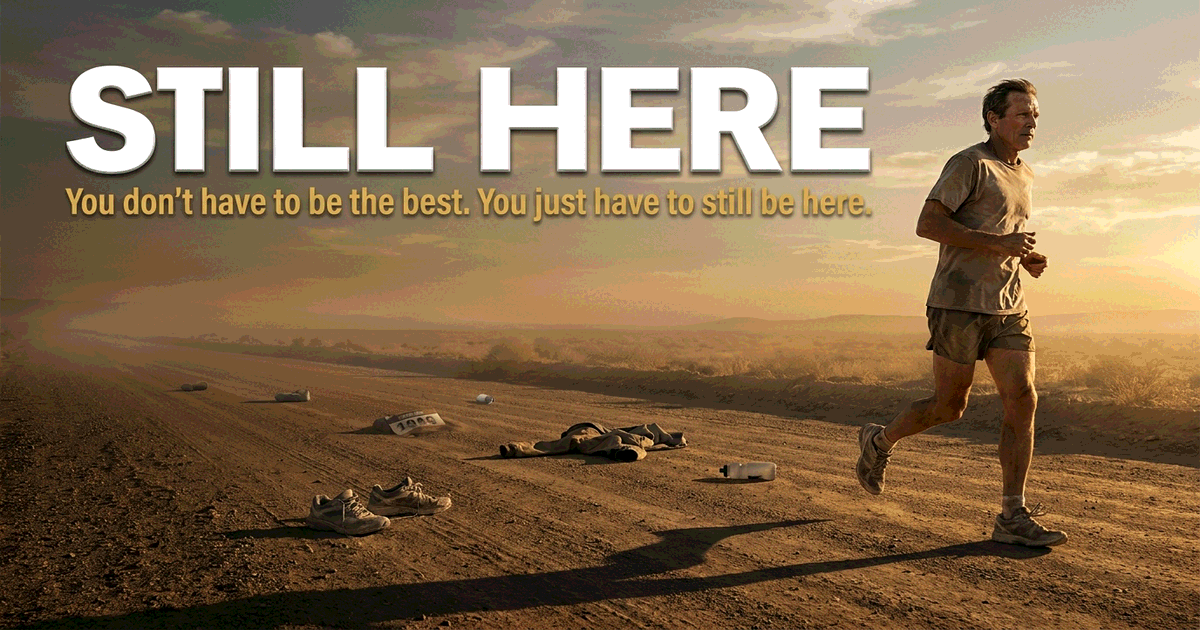
You probably aren't the best in your field. That matters far less than you think. Almost everyone you compare yourself to has already quit, or is about to. The strategy that compounds is staying.
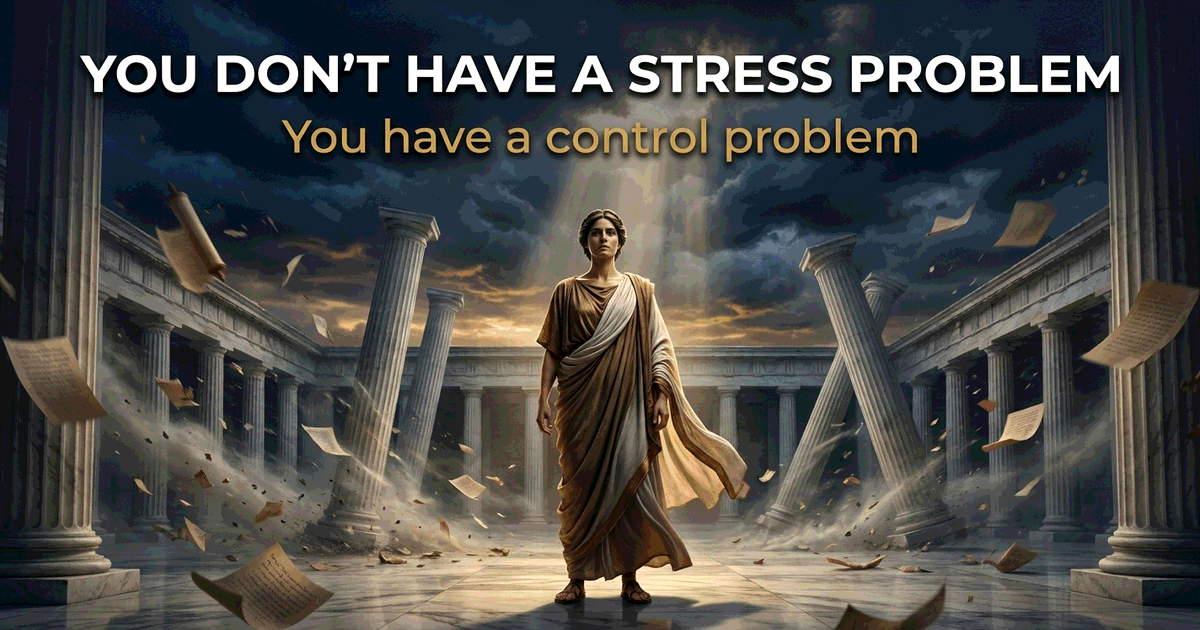
Most people try to engineer their lives down to zero pressure. The Stoics tried something harder. They trained the response so the pressure stopped being decisive.
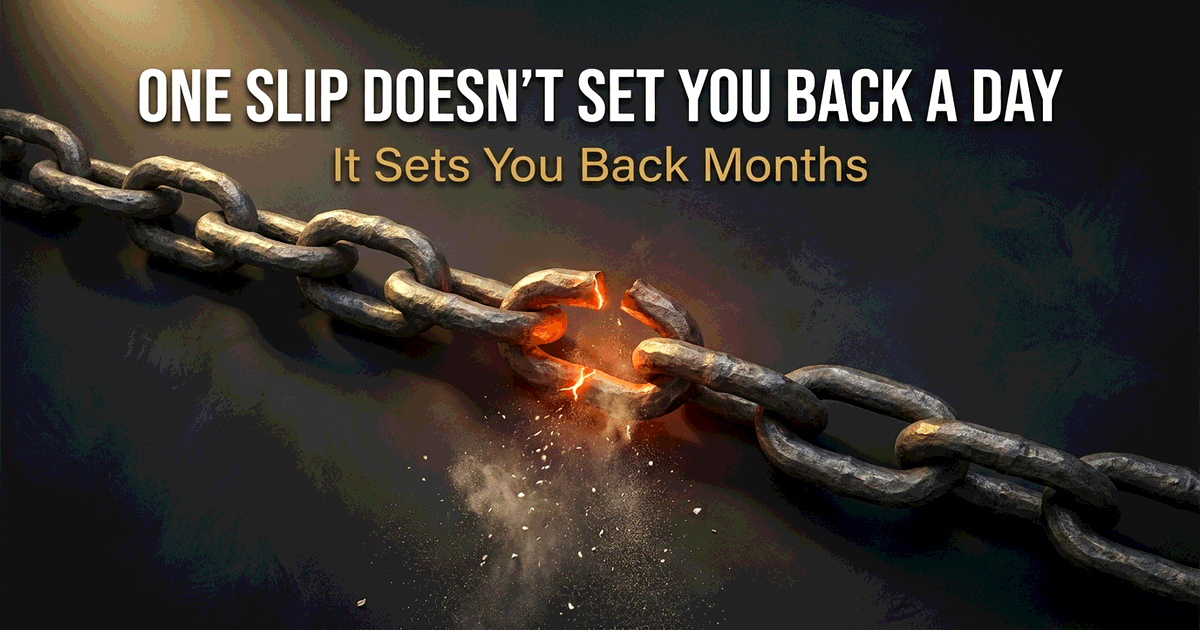
You tell yourself one day off won't matter. But momentum doesn't degrade on a schedule. It collapses. And the rebuild costs more than you think.
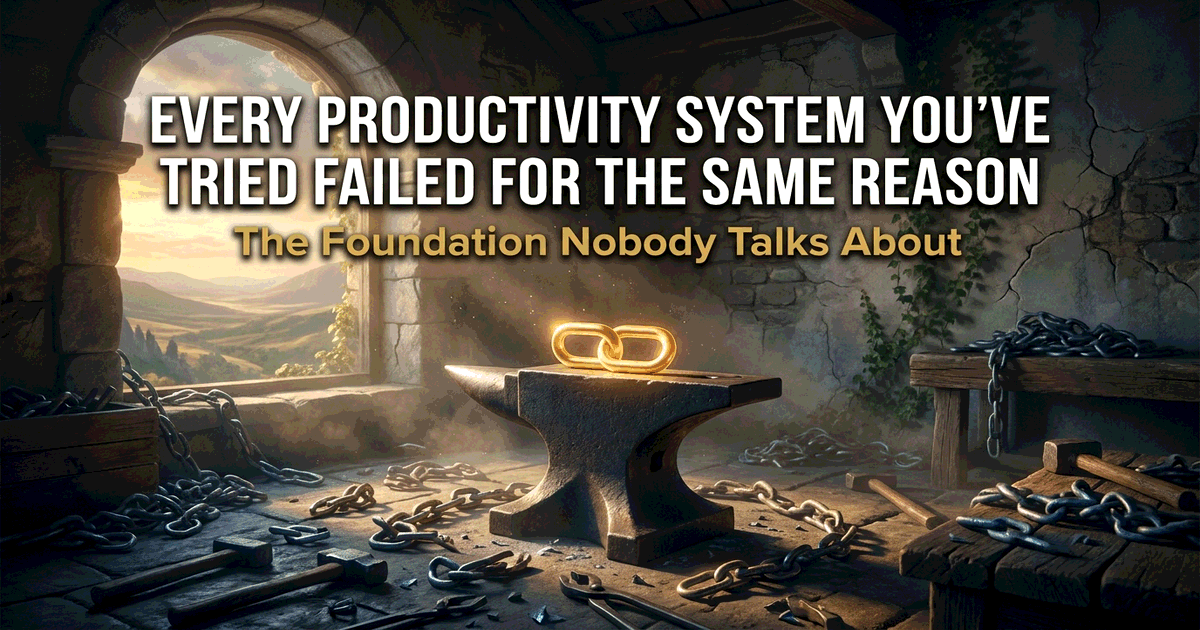
You've tried Todoist, Notion, bullet journals, and time-blocking. They all collapsed the same way. The system was never the problem. The problem is you stopped believing your own word.
The distance between very good and extraordinary isn't incremental. It's a cliff. And the moment you encounter someone who has already climbed it, your response reveals more about your character than your skills ever will.
The meeting where someone asks for more budget, more headcount, more time is almost never about resources. It's about avoiding the harder question of what to cut. The paradox: limitations don't block great work. They force it.
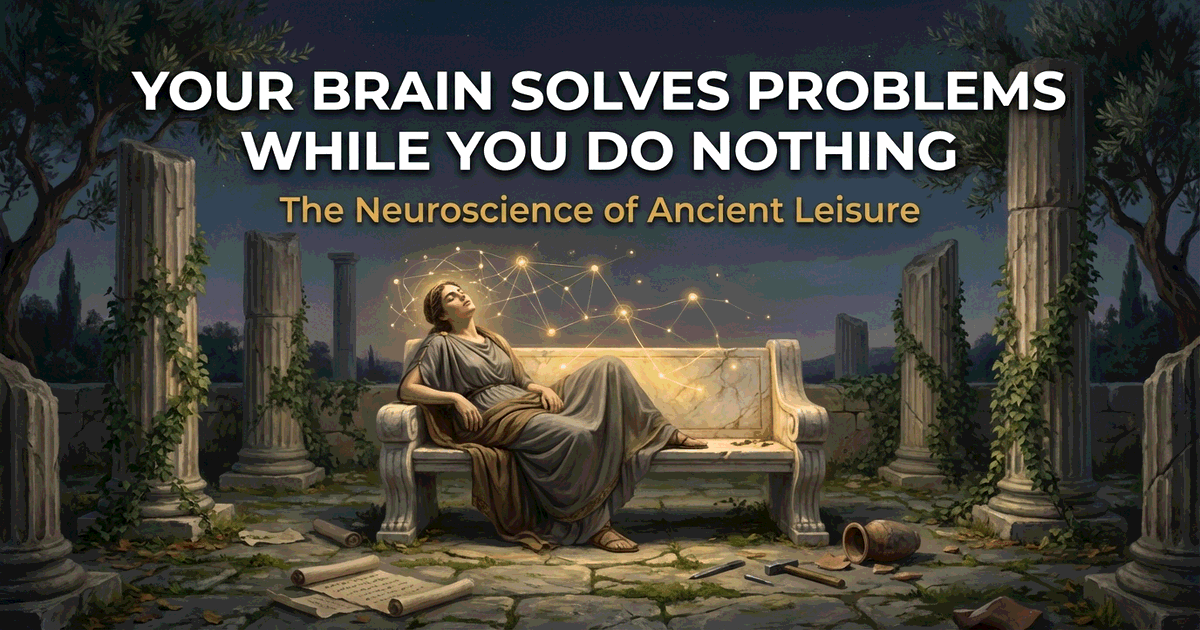
The Default Mode Network does your brain's most sophisticated cognitive work when you stop trying. The ancient Greeks built their civilization around this principle. Modern hustle culture has buried it.
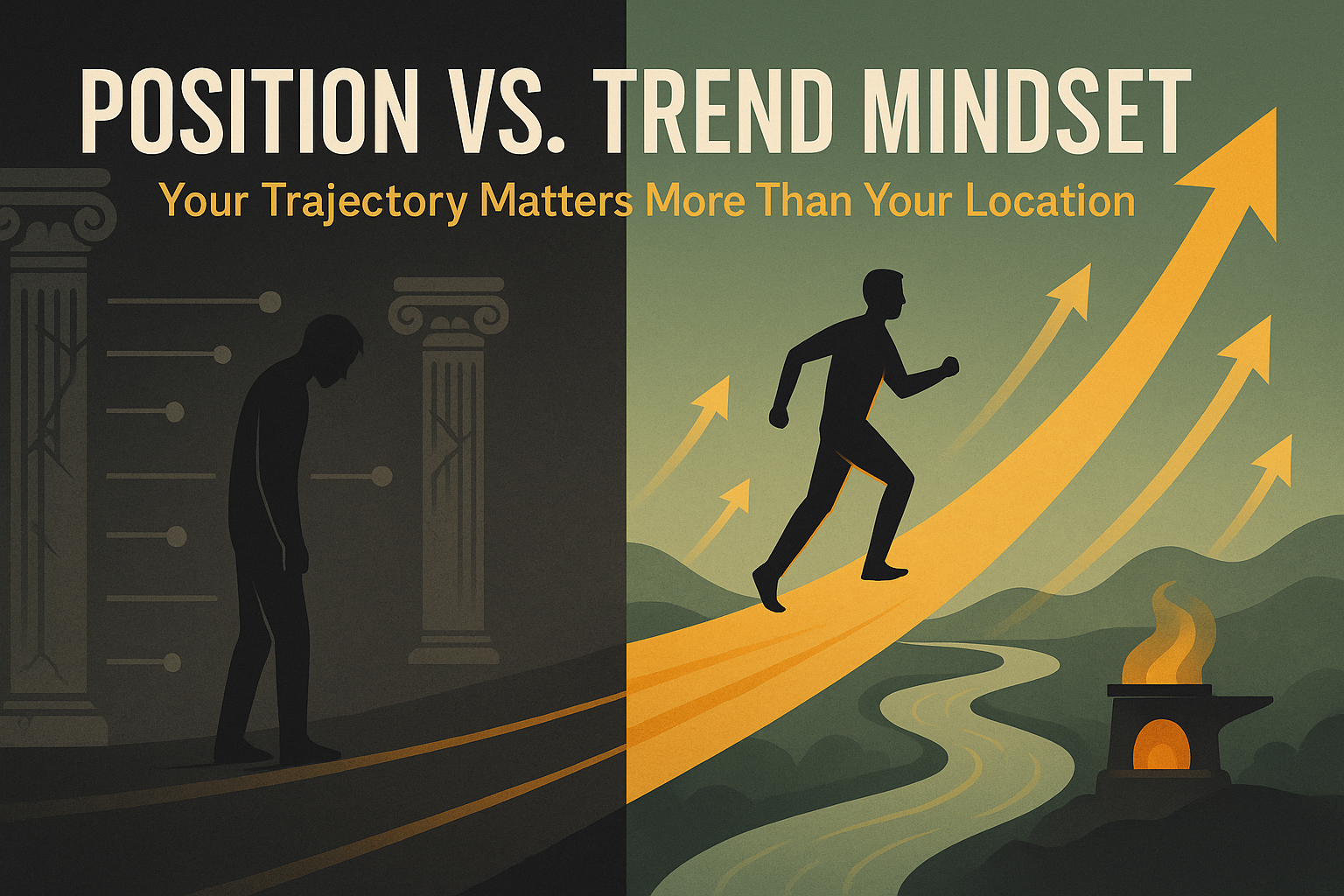
The fundamental difference between position thinking (comparing to others) and trend thinking (tracking your own trajectory). Why your direction matters more than your location.
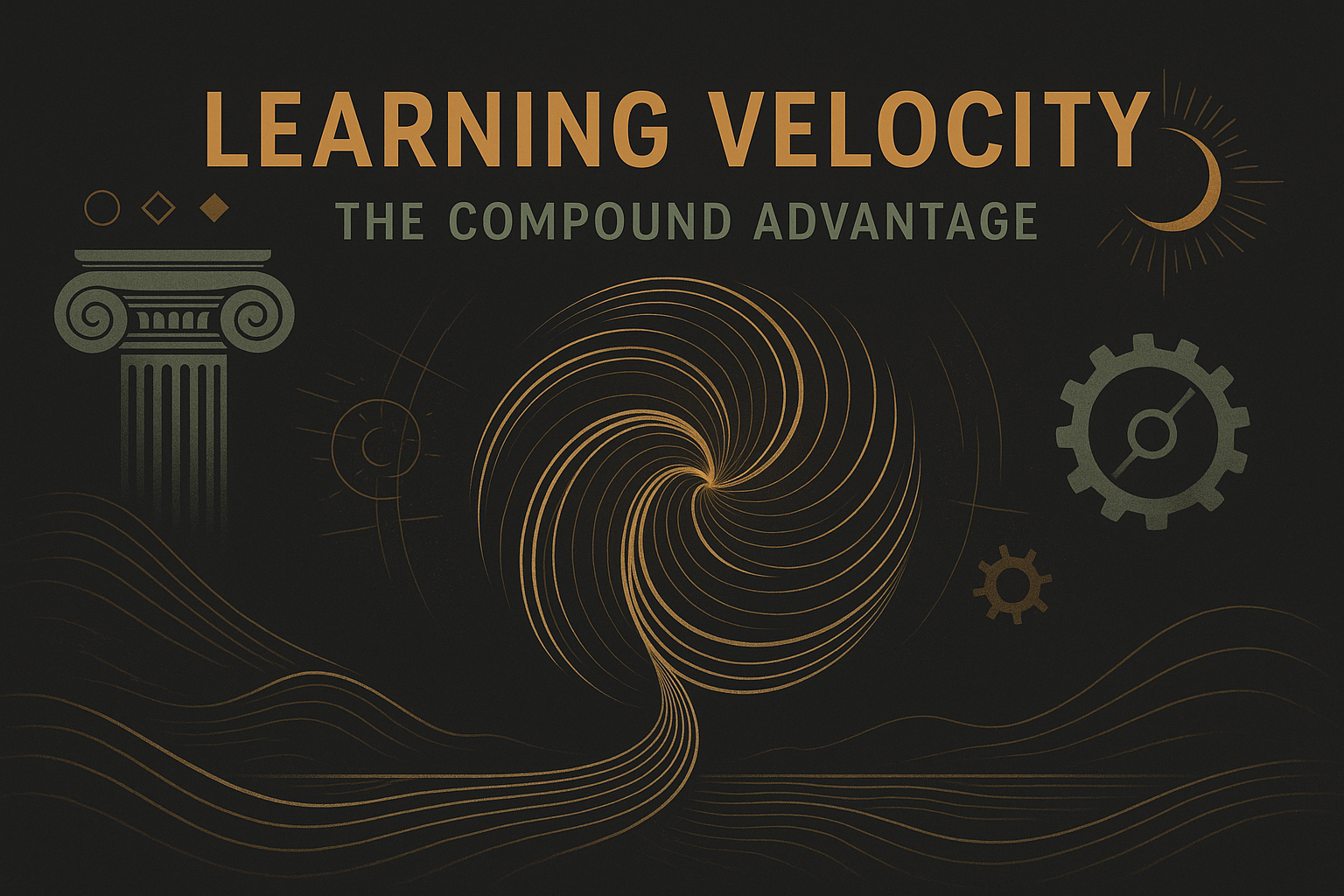
The speed at which you can absorb, process, and apply new information becomes the ultimate edge in today's fast-paced world.