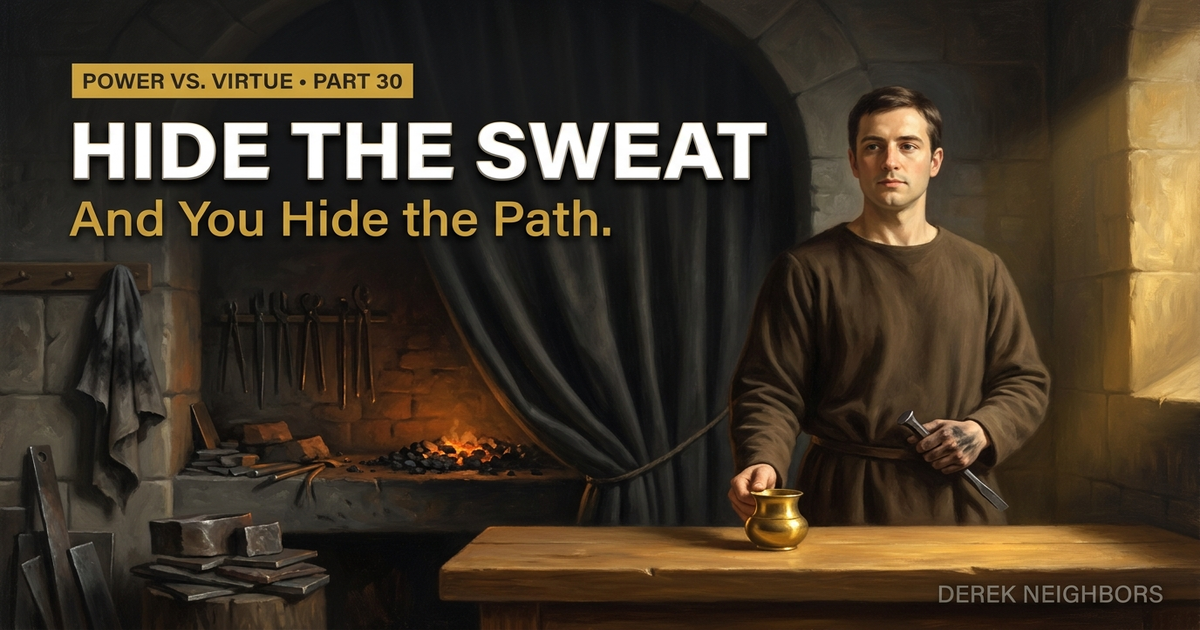
Hide the Sweat and You Hide the Path
By Derek Neighbors on July 28, 2026
Power vs. Virtue: The 48 Laws Examined
A year-long examination of Robert Greene's 48 Laws of Power through the lens of ancient virtue ethics. Some laws we affirm, some we reframe, some we reject entirely.
Law 29 was about naming the stop. Law 30 is about what you let people see before you get there.
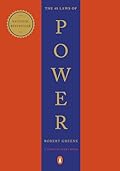
Robert Greene wants your wins to look like weather: no forecast, no construction, just arrival. The ancient world told a harder story about sweat before excellence, disposition built by reps, and craft that can teach its own method. Both can be true in the same life. The question is which one you are serving when you hide the work.
The Law
Law 30: “Make Your Accomplishments Seem Effortless.”
Greene’s judgment is clean. Your actions must seem natural and executed with ease. Conceal the toil, the practice, and the clever tricks. When you act, act as if you could do much more. Never reveal how hard you work. It raises questions. It shrinks the aura. Teach no one your methods or they will be used against you.
That is the whole law: a clean surface, an erased forge, and mystique treated as protection.
The Tactical Truth
Parts of this work, and pretending otherwise is romantic.
Rooms undervalue visible struggle. A presentation that narrates every near-miss and every all-nighter sounds unfinished, even when the speaker thinks they are being humble. A leader who cannot stop explaining how hard the quarter was turns the win into a complaint that somehow still wants a trophy. On a stage, rehearsal belongs backstage. Clean execution reads as competence. Oversharing the grind asks for applause for the suffering instead of respect for the result.
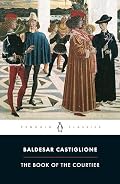
The Renaissance had a name for the court version of this. Baldassare Castiglione called it sprezzatura: a certain nonchalance that conceals art and makes whatever one does or says appear to be without effort. Court culture punished sweat the way some modern cultures punish asking for help. Strain made you look replaceable, and ease made you look inevitable.
I have seen the modern twin for years. The executive who never shows the briefing binder. The engineer who lands the elegant fix and shrugs. The founder whose “overnight” launch had eighteen quiet months underneath. Early in my career I chased that shrug myself. It looked like seniority. Mostly it trained the people around me to stop asking how anything actually got done. Audiences still love the shrug. Junior people still study it and conclude that excellence is a personality type.
So yes: keep the performance clean. Do not make customers, boards, or audiences sit through your workout. That half of Greene is craft.
The Character Cost
Greene does not stop at craft. He turns concealment into strategy against the people who might learn from you.
Mystique starves apprenticeship. Erase the path and the next person has nothing to walk. They get an aura to envy and a vacuum where a curriculum should be. The best in the world often cannot teach what they know because expertise goes tacit. That is a real limit. Law 30 is different. It tells you to make the limit a policy. Deep skill sometimes fails to explain itself. Mystique is the refusal done on purpose.
Contempt for visible effort becomes culture next. When leaders treat struggle as a branding failure, juniors learn to hide the friction that would get them coached. Questions dry up. Help requests start sounding like status risks. I have watched strong teams perform ease in the meeting and then quietly drown after. They protected the image and let the craft drown with them.
Identity fuses to the costume after that. Natural gift is a flattering story until the day the ease fails. Then you have no honest account left. You cannot say “the forge was always there” because you spent years denying the forge. Mistaking the mask for the self is the sibling trap. Law 25 sells a new mask; Law 30 sells the mask of no-effort. Both collapse when the audience leaves or the talent dips.
There is also the opposite counterfeit, and it deserves one hard line. Performing struggle for sympathy is another costume. Drop mystique for a forge the people who need it can actually enter, not for trauma theater.
The ARETE Alternative
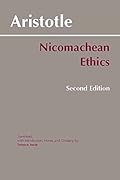
The Greek word for a settled disposition formed by repeated action is hexis. Aristotle’s claim is blunt: you become what you repeatedly do. Ease is what a trained disposition looks like from the outside. Standing only at that angle, you cannot tell whether training happened.
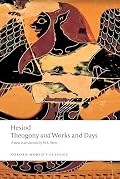
The word for productive toil is ponos. Hesiod said the gods put sweat before excellence. Read that as path literacy. Erase the sweat from the story and you erase the instructions.
Craft knowledge, techne, includes the capacity to give an account. Aristotle thought the person who knows why can teach. A win that cannot be taught may still be valuable. A culture that refuses to teach turns every win into a dead end.
Training itself is askesis: exercise, drill, the private curriculum. The fake version of ease is hypokrisis, the actor’s craft worn as a life. The difference between grace and a con is which foundation you put under the shrug: hexis or hypokrisis. The second one bills the operator eventually.
In practice the sequence looks like this.
First, split the stage from the forge. The audience does not need your rehearsal, but your apprentices do, and so does your future self, and so do the people whose growth you claim to care about. Clean performance still needs an honest history behind it.
Second, keep at least one person who has seen the sweat. A junior or a peer works. A notebook works if you are truly alone. Discipline becomes obsession only after the reps. If nobody ever sees the reps, the culture will keep inventing geniuses and then wondering why talent does not transfer.
Third, refuse the genius story out loud when it shows up. “It came naturally” usually means the ugly middle got deleted from the retelling. Put a piece of that middle back: a year, a failed version, a boring drill. Skip the TED-length confession. One true sentence that keeps the path visible is enough.
Fourth, keep a private ledger of the real cost. Hours, attempts, what broke before it worked. Boring consistency is what excellence looks like before the highlight reel. Keep the ledger private. It is memory for you, not material for a post. Without it, even you will start believing your own shrug.
Then perform. Let the finished work look easy because you earned that ease, not because you sold destiny.
Ancient Wisdom: Sweat Before the Laurel
Hesiod’s warning still cuts. The gods put sweat on the road to excellence. Sweat was the road itself. A culture that celebrates only the laurel and hides the road will keep producing spectators who want crowns and cannot name a practice.
Aristotle makes the mechanism precise. Character is hexis, built the unglamorous way. Once the disposition is in place, the action can feel lighter. Pleasure can even accompany it. That lightness is a harvest, and a harvest still requires a planted field.
This is why arete has no patience for genius cosplay. Excellence lives in the quality of the activity. Marketing effortlessness is a different job. If your techne dies with your mystique, you spent years cornering the look of skill and left nothing behind that anyone else can use.
Castiglione wanted a courtier who did not look strained. Fair. Greene wants an operator who cannot be copied. That is the turn this series refuses. Keep rehearsal offstage. If you also hide the method so nobody can follow you, call that fear. Calling it grace changes nothing.
The Test
Five questions. Answer them somewhere honest.
Who in your world has actually seen your forge in the last ninety days?
If a sharp junior watched only your public wins for a month, would they learn a path or only catch an aura?
Are you protecting the audience from rehearsal, or protecting your mystique from scrutiny? Say which one out loud.
When your ease fails next, what honest account will you have ready that does not sound like a cover story?
Where are you still performing struggle for sympathy instead of doing the quieter work of getting better? Name that costume too.
Final Thoughts
Law 30 contains a craft truth this series will not throw away. Keep the stage clean. Do not make people clap for your suffering. Let finished work carry its own authority. The ancient correction is simple and expensive: ease is the fruit of hexis. Giftedness is a costume people hang on that fruit after the fact. Hide the sweat from the audience if you must, but leave the path visible for the people who need to walk it. Mystique buys a short window; teachable excellence is the longer bet.
Grace without a forge is a costume. If you want earned ease and a culture that can still teach, MasteryLab is where we train the reps that make the shrug honest.