Most People Plan the Opening. Almost Nobody Plans the Stop.
By Derek Neighbors on July 20, 2026
Power vs. Virtue: The 48 Laws Examined
A year-long examination of Robert Greene's 48 Laws of Power through the lens of ancient virtue ethics. Some laws we affirm, some we reframe, some we reject entirely.
Law 28 was about the energy of the leap. Law 29 is about whether the leap has a landing.
Robert Greene and the ancient world agree here more than they usually do. The ending is not a mood that arrives after you are tired. It is a design choice you make before you spend the opening. Most people never make it. They plan the kickoff, the announcement, the first win. Almost nobody plans the stop. That omission is how bold beginnings become other people’s endings.
The Law
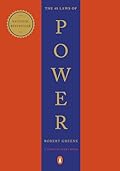
Law 29: “Plan All the Way to the End.”
Greene’s judgment is blunt. The ending is everything. It determines who gets the glory, the money, the prize. Plan all the way to it. Account for consequences, obstacles, and the twists of fortune that can reverse hard work and hand the result to someone else. Plan to the end and you will not be overwhelmed by circumstances. You will also know when to stop. Think far ahead, he says, and you gently guide fortune instead of begging it for favors after the fact.
That is the whole law: a named terminus, a path you pressure-test before you spend the opening, and a stop built into the plan rather than invented when appetite finally fails.
The Tactical Truth
The law works, and this series says so without flinching.
Greene’s paired evidence is almost too clean. Vasco Núñez de Balboa stowed away in a provision chest, seized a colony, crossed the jungles of Panama, and became the first European to stand in the Pacific. Bold opening. Historic discovery. And still a failure by the only score that matters in Greene’s world: he did not own the ending. He had a dream called El Dorado and a habit of improvising through the next crisis. He left doors open for rivals. He shared command with a man who hated him. He marched twice toward Peru without the force to finish. Francisco Pizarro, once his companion, arrested him. Pedrarias tried him. Balboa’s head fell into a basket. Years later Pizarro reached the gold. Balboa’s opening became someone else’s ending.
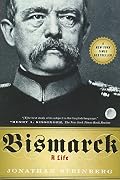
Otto von Bismarck ran the opposite pattern. In the 1860s his end was concrete: a German Empire under Prussian leadership, one political settlement, not conquest as a lifestyle. He fought Denmark to stir Prussian nationalism and recover Schleswig-Holstein. He fought Austria for Prussian independence and refused the temptation to march on Vienna, because destroying Austria was not the end he had named. He fought France to pull the remaining German kingdoms into unity. In 1871 the empire stood. Then came the move almost nobody studies: he stopped. Generals wanted more land. Europe expected more aggression. Bismarck spent the rest of his career defending the settlement he had already won. What looked like mellowing was the final move of the original plan.
Hold the two lives next to each other and the tactical truth gets loud. Boldness without a terminus is incomplete strategy. Entering action with boldness only compounds when the action is aimed at an ending you can still recognize when temptation arrives sounding like progress.
I have watched the Balboa pattern in modern clothes for years. A founder raises the round without defining what “enough” looks like. A leader launches a transformation with no done condition, so every quarter invents a new emergency that feels like momentum. A team ships the first version and never decides what would count as finished, which means they cannot refuse the next feature that rhymes with ambition and is actually drift. The opening gets applause. The missing stop gets billed later, usually to someone else.
The Character Cost
For most laws in this series, this section documents what the practice does to you. Law 29 is different in the same way Law 28 was. Ending-first thinking itself does not corrode character. Greene’s version of it does, in three specific places.
First, his ending is framed as glory-capture. Read the chapter and the danger is always vultures circling your carcass, rivals stealing your prize, other men bathing in the ocean you found. Train that long enough and every collaborator starts to look like a future thief. You become strategically lonely. The plan gets sharper and the relationships get thinner, which is a bad trade if you are trying to build anything that has to outlast a single clever operator.
Second, “gently guide fortune” flatters a control fantasy. Real endings include contingency you cannot script. Practical wisdom accepts that the path will bend. What it refuses to leave vague is the destination. Greene’s language can teach people to confuse a rigid itinerary with foresight. The itinerary breaks on contact with reality. Then they throw out ending clarity with the broken schedule, which is how they end up back in Balboa’s improvisation loop.
Third, clever planning toward a rotten destination still serves rot. Aristotle separated cleverness from practical wisdom for exactly this reason. Cleverness can serve any master. It can map the means to a rotten destination with impressive precision. A clean exit from a corrupt project does not clean the project. If the only question you ask is “how do I make sure I get the prize,” you have trained appetite with a project plan.
There is also a counterfeit that looks like obedience to this law and is actually fear avoiding the start. Good intentions die in endless preparation. People polish the roadmap for months because naming the stop would require crossing the start. Naming the stop only counts when it frees you to move, not when it shelters you from beginning. Law 29 is a discipline for action, not a sanctuary from it.
The ARETE Alternative
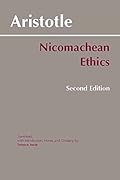
The Greek word for the end a thing aims at is telos. Aristotle opens the Nicomachean Ethics with the claim that every craft, every inquiry, every action aims at some end. If that is true, then a plan with no named end is motion with a press release attached.
The faculty that deliberates about means toward a good end, in concrete circumstances, is phronesis, practical wisdom. That is the correction Law 29 needs, and it fits in two sentences. Name a worthy end before you spend the opening. Then deliberate the path as a servant of that end, not as an engine for whatever opportunity appears next.
In practice the sequence looks like this.
First, write the stop condition in one sentence before the first move. Not the vision paragraph. The done condition. What will exist, who will own it, what will you refuse once it exists. If you cannot say it cleanly, you are not ready to start. You are ready to improvise and call it strategy.
Second, make the aim visible. The Greeks called the mark you aim at skopos. An archer without a mark cannot miss and cannot hit. The same is true of a career move, a product launch, a reorganization. The stop has to be concrete enough that a temptation can fail a test against it. “Grow the company” is not a skopos. “Reach a durable business that no longer depends on my daily heroics, then refuse empire theater” is closer.
Third, separate contingency from terminus. The path can adapt. The end should not keep relocating every time a shiny adjacent win appears. A backup plan that changes how you show up is fear using prudence as the alibi. A flexible path toward a fixed worthy end is phronesis. Learn the difference in your calendar: if every week rewrites the destination, you have a mood, not a strategy.
Fourth, name the three temptations that will look like progress past the mark. Bismarck had them ready: Vienna, more territory, the applause of generals. You have yours: another market, another title, another initiative that keeps you central. If you cannot name the sirens in advance, they will sound like wisdom when they arrive.
Then move. Ending clarity is not a substitute for action. It is what makes full commitment sane. Law 28 without Law 29 is courage pointed at fog. Law 29 without Law 28 is a beautiful map nobody walks.
Ancient Wisdom: Look to the End
Herodotus put the warning in one line: look to the end, no matter what you are considering. Fortune often gives a man a glimpse of happiness and then ruins him. Greene quotes it because it is the whole chapter in miniature. The glimpse is the opening. The ruin is the unplanned aftermath.
Aesop told the same truth with two frogs leaving a dried pool. One sees a deep well and wants to jump in. The other asks the only adult question in the fable: if the water fails, how do we get out? Do nothing without a regard to the consequences. Asking how you get out is ending literacy, not cowardice.
Aristotle makes the moral cut Greene softens. In Book VI he insists that practical wisdom is not mere cleverness. Cleverness hits targets. Wisdom asks whether the target deserves to be hit. A person can be brilliant at arranging means and still destroy a life, a company, or a country because the telos was trash. arete does not grade the elegance of your sequence higher than the worth of your destination.
That is why sophrosyne, self-mastery, belongs in this law even though Greene never names it. Knowing when to stop is not only strategy. It is appetite under government. The generals will always want more. Your ego will always want another lap. The stop is where character becomes visible after competence has already been proven.
The Test
Five questions. Answer them somewhere honest.
Can you name the ending of your current major effort in one sentence that a skeptic would understand?
What would count as done, concretely enough that you could refuse the next attractive expansion?
Name three temptations that will look like progress but are actually past your mark. If you cannot name them, they are already managing you.
Are you planning the end so you can act, or polishing the plan so you do not have to start? Finishing matters more than starting, and endless preparation is still a way to stay at the beginning.
Whose ending are you currently living inside because you never named your own? If your week is organized around someone else’s unfinished ambition, you already know the cost of vague termini.
Final Thoughts
Law 29 is another Greene law this series can hand you nearly intact. Plan all the way to the end. Vague plans become improvisation, improvisation becomes capture, and the people who cannot name a stop get remembered as openings in someone else’s story. The ancients would add one clause and one refusal. The clause: the end must be worthy, or your planning is only cleverness with a calendar. The refusal: the siren of more after the mark has been hit. Bismarck’s real genius was not the wars. It was the stop. Most people can start a fight. Almost nobody can end one on purpose.
Openings are cheap. Endings are character. If you are ready to name the stop and then do the work that earns it, MasteryLab is where we train that discipline.