Ponos (πόνος): Meaning, Definition & Modern Application
POH-nos
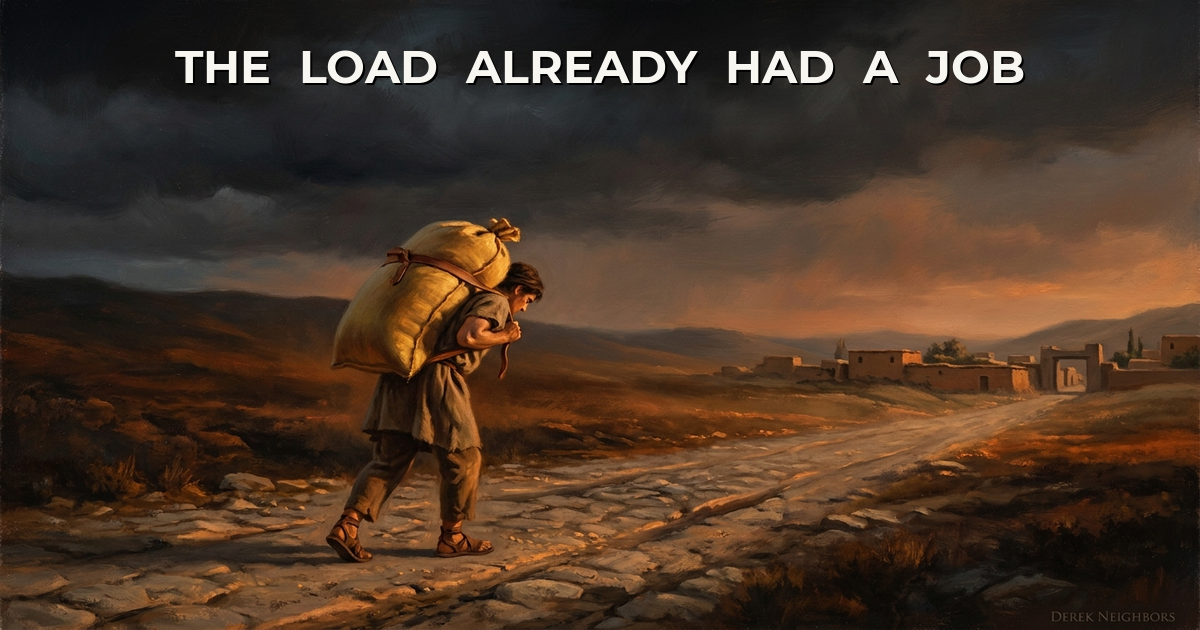
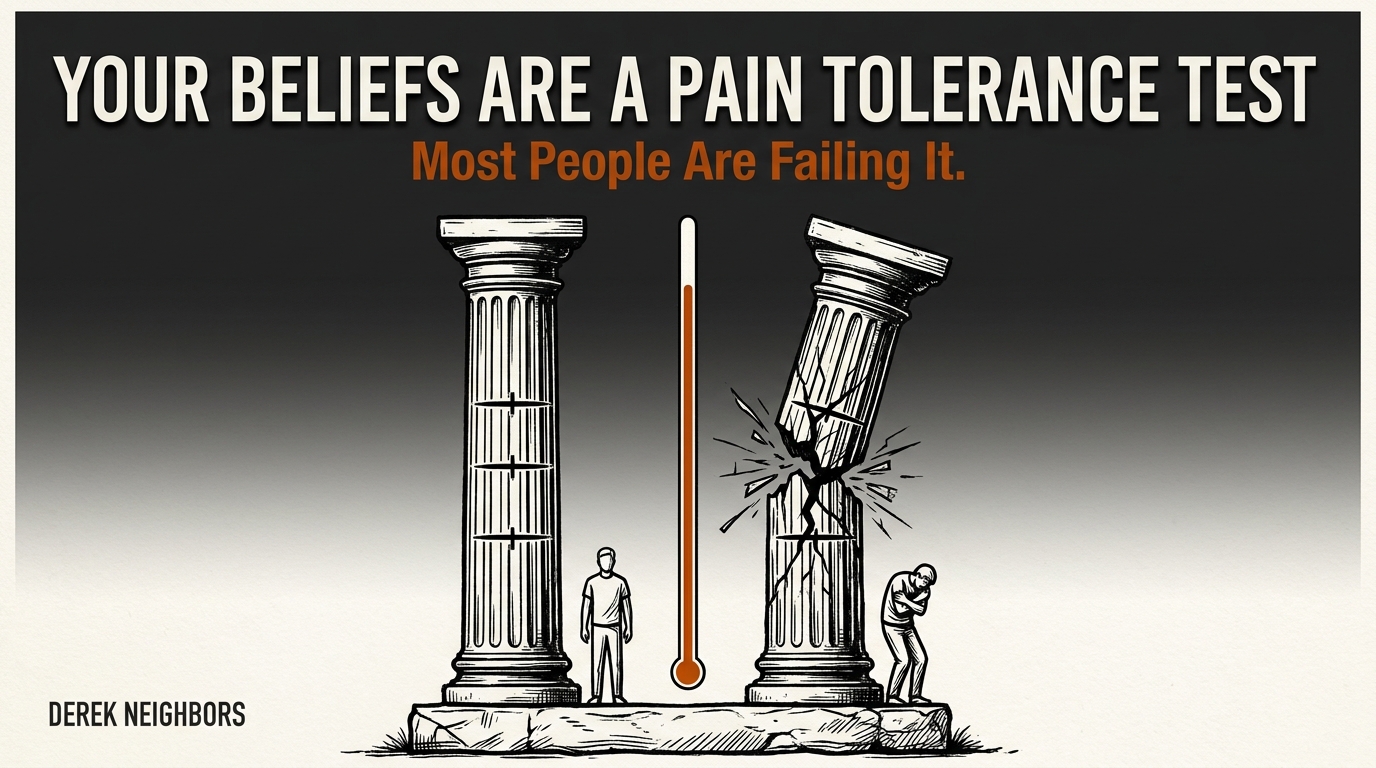
The toil, labor, and productive struggle necessary for achieving anything of worth. In Greek thought, ponos was not mere suffering but purposeful exertion—the price demanded by excellence and the forge through which virtue is shaped.
Etymology
From the Greek ponos, meaning “toil,” “labor,” or “pain from exertion.” Related to ponein (to toil, to work hard). In mythology, Heracles’ twelve labors (ponoi) demonstrated that greatness requires suffering. Hesiod wrote that the gods placed sweat on the path to virtue. The word carries no self-pity; it describes the necessary cost of anything worth achieving, framing struggle as productive rather than pointless.
Deep Analysis
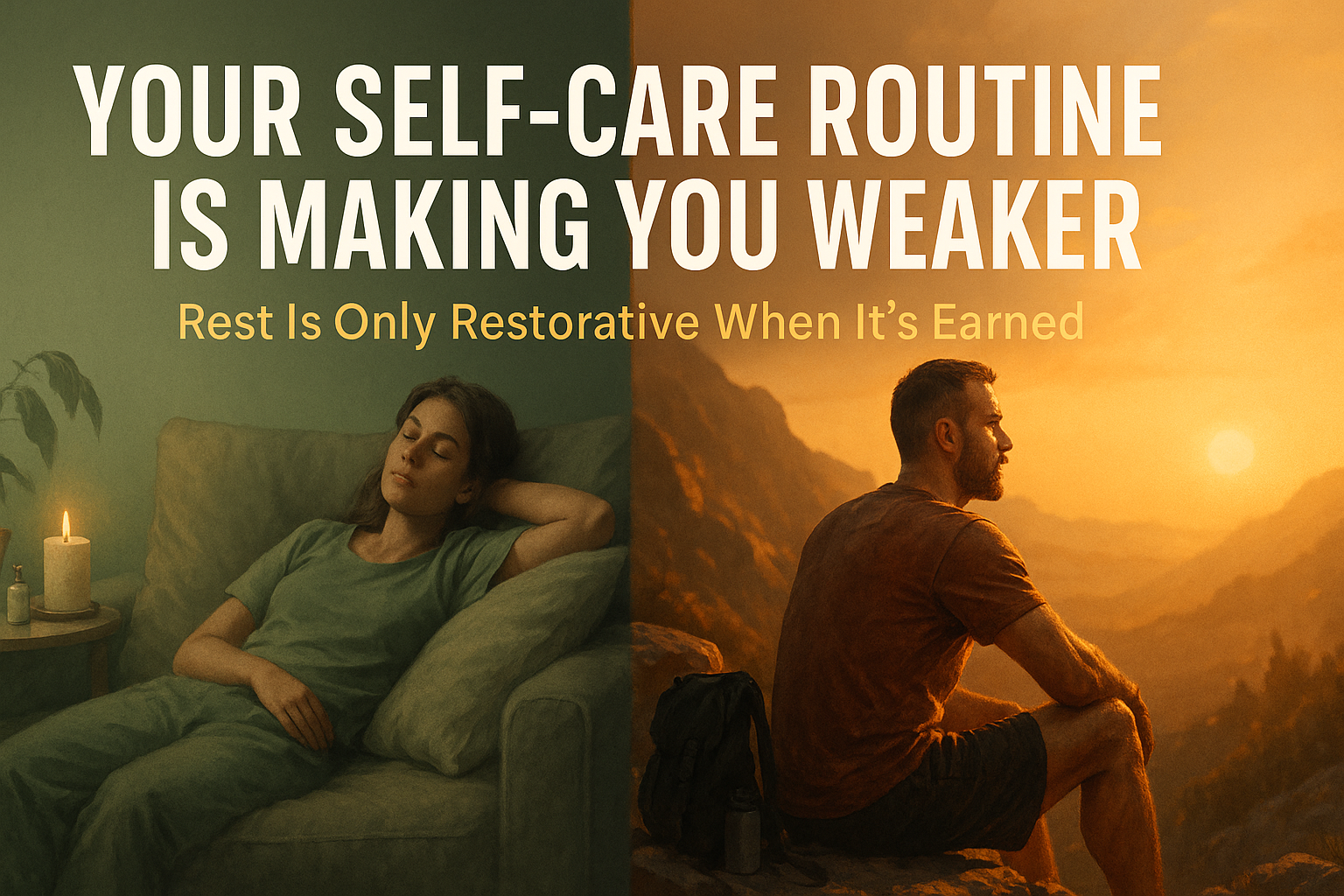
Hesiod, writing in the eighth century BCE, established the foundational Greek understanding of ponos in Works and Days. His claim was stark: the gods placed sweat on the road to arete. There is no path to excellence that does not pass through toil. This was not a complaint. It was a statement of the structure of reality itself. Anything worth having costs effort, and the effort is not a regrettable obstacle between you and the goal. The effort is where the transformation happens. The mythological archetype of ponos is Heracles, whose twelve labors became the Greek template for how suffering in service of purpose produces greatness. The story that frames Heracles’ entire life, however, is not one of the twelve labors but the Choice of Heracles, attributed to the sophist Prodicus and preserved in Xenophon’s Memorabilia. In this story, the young Heracles encounters two women at a crossroads. One, named Vice (or Pleasure), offers him a life of ease, comfort, and immediate gratification. The other, named Virtue, offers him a life of toil, difficulty, and eventual glory. Heracles chooses Virtue. The story’s power lies in its refusal to pretend the choice is easy or that the hard path will feel good while you are on it. Ponos is not rebranded suffering. It is the honest acknowledgment that the path to anything excellent will demand real effort and real discomfort. The Greek distinction between productive and pointless suffering is critical. Not all pain serves a purpose. The person who works eighty hours a week on tasks that do not develop their capabilities or serve their mission is not practicing ponos. They are practicing exhaustion. Ponos is specifically productive toil, effort directed toward an end that develops your capacity or produces something of genuine worth. The test is whether the struggle is building something or merely burning fuel. Karteria, patient endurance, is the companion virtue that sustains ponos over time. Where ponos is the active exertion, karteria is the capacity to keep exerting when the effort extends beyond what you initially expected. Many people can work hard in a sprint. Fewer can maintain productive effort through a marathon. The combination of ponos and karteria is what separates those who achieve something meaningful from those who start strong and fade. Modern comfort optimization is the direct enemy of ponos. Every feature of contemporary life, from same-day delivery to algorithmic entertainment feeds to climate-controlled environments, is designed to reduce friction and discomfort. This is not inherently harmful, but it creates a problem: when you systematically eliminate all discomfort from daily life, you atrophy the capacity to tolerate the discomfort that meaningful work requires. The person who has never voluntarily struggled lacks the trained tolerance for struggle that ponos demands. The result is a form of capability poverty that exists alongside material abundance. Askesis, deliberate training, is the practice through which you prepare yourself for ponos. Askesis builds the capacity. Ponos is where that capacity is applied. The athlete who trains daily in practice is performing askesis. The same athlete competing in the event, pushing through fatigue and pain to perform at their best, is experiencing ponos. The two concepts form a cycle: askesis builds the capacity for ponos, and the experience of ponos reveals what further askesis is needed. The relationship between ponos and meaning is not incidental. Psychological research consistently finds that humans derive more lasting satisfaction from difficult accomplishments than from easy ones. The struggle is not a tax levied on the way to satisfaction. The struggle is a constituent part of the satisfaction itself. Hesiod understood this: the sweat on the road to arete is not a cost to be minimized. It is the process through which the person walking the road is transformed into someone worthy of arriving.
Modern Application
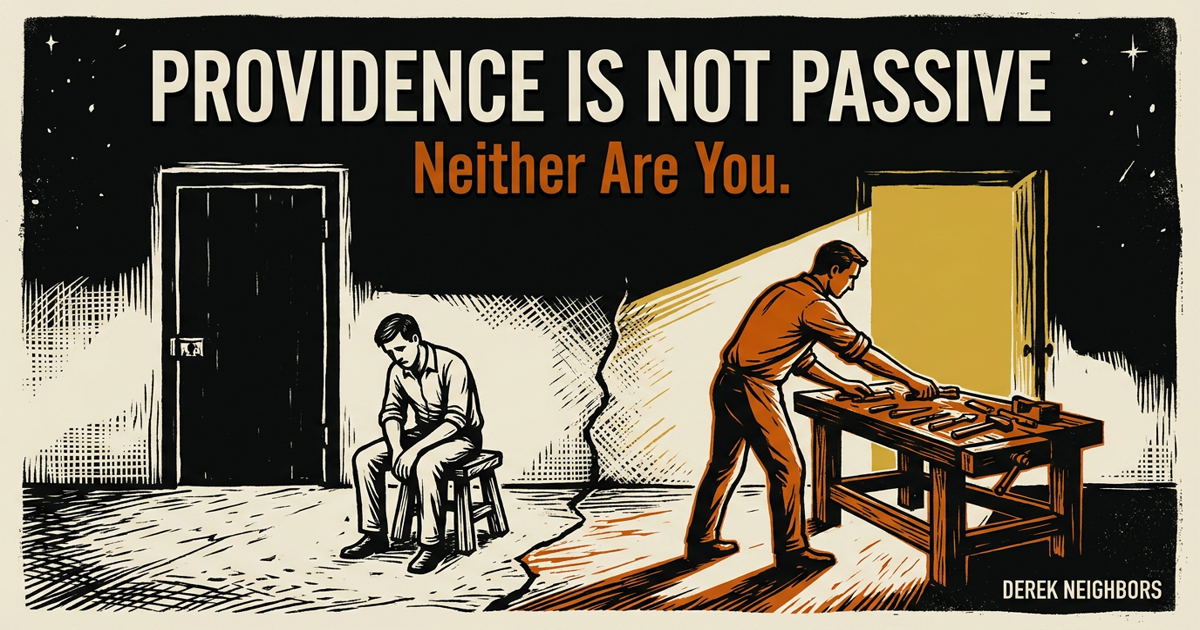
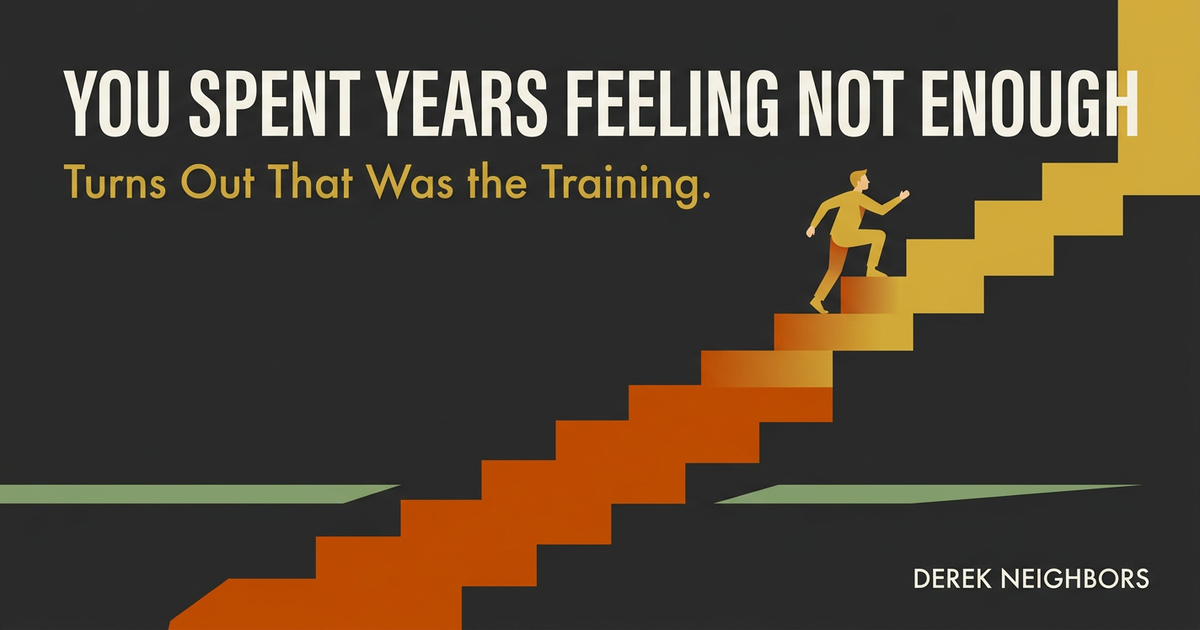
You cannot shortcut your way to mastery. When you embrace necessary struggle rather than avoiding it, you transform obstacles into the very material of your growth. The discomfort you feel in stretching beyond your current limits is not a sign to stop—it is the sensation of becoming.
Historical Examples
The Choice of Heracles, attributed to the sophist Prodicus and preserved by Xenophon, is the mythological foundation of ponos as a Greek value. When the young Heracles stood at the crossroads and chose the path of Virtue over the path of Pleasure, he was choosing a life defined by ponos. The twelve labors that followed were not punishments. They were the proving ground through which Heracles demonstrated that productive toil in service of something worthy is the highest expression of human capability. The myth established a template that the Greeks returned to for centuries: the choice between comfort and excellence is the defining moment of character. Demosthenes’ transformation from a sickly youth with a speech impediment into the greatest orator in Athenian history is a factual embodiment of ponos. Plutarch records that Demosthenes built an underground study where he practiced for months at a time, shaving half his head to eliminate the temptation to go out in public. He practiced speaking while running, while climbing hills, while competing with the noise of the ocean. The toil was enormous, sustained, and specifically directed at building a capacity he lacked. His eventual mastery was not a gift. It was produced through years of productive struggle that most people would find unbearable. Michelangelo spent four years painting the ceiling of the Sistine Chapel, much of that time lying on his back on scaffolding, paint dripping into his eyes, his body in constant pain. In a sonnet he wrote during the project, he described his physical suffering in vivid detail: his beard pointing toward heaven, his chest like a harpy’s, his face a painted floor from the dripping pigment above. The ceiling he produced is one of the greatest artistic achievements in human history. It was born entirely from ponos, from productive toil so extreme that it permanently damaged his eyesight and his posture.
How to Practice Ponos
Select one skill you need to develop and commit to practicing it at the edge of your ability for thirty minutes daily, in the zone where effort is uncomfortable but not overwhelming. Track what you struggle with and what improves. When you hit resistance, notice whether your instinct is to stop, switch, or push through. Cultivate the push-through reflex by setting clear session boundaries (you stop when the time is up, not when the discomfort peaks). Reframe productive struggle as evidence of growth in progress. Share your struggles with a trusted colleague to normalize the reality that worthy achievement demands real toil. Keep a struggle journal where you record the specific difficulties you faced each day and what they taught you. Review it monthly to see how obstacles you once found overwhelming have become manageable through sustained effort. When the work feels pointless, remember Hesiod’s teaching that the gods placed sweat on the path to virtue. The discomfort you feel at the edge of your ability is the sensation of capacity expanding.
Application Examples
A company decides to overhaul its legacy software platform rather than continue patching it. The rebuild will take eighteen months of difficult work: rewriting core systems, migrating data, retraining users, and running parallel systems during transition. The alternative, continuing to patch, is easier in the short term but compounds technical debt that will eventually make the platform unmaintainable.
Ponos in organizations means choosing the difficult work that builds long-term capacity over the easy work that defers the cost. The platform rebuild is toil. It is also the only path to a system that can support the next decade of growth. Choosing the patch is not pragmatism. It is avoidance of the productive struggle the organization needs.
A husband and wife have been avoiding a conversation about their conflicting approaches to parenting for over a year. Each time the topic surfaces, one of them deflects with humor or changes the subject. The unresolved tension is eroding their partnership and confusing their children.
Relational ponos is the productive struggle of addressing what is broken rather than accommodating it. The difficult conversation is the toil. The relationship that emerges on the other side, with shared understanding and explicit agreements, is what the toil produces. Avoiding the struggle does not avoid the pain. It merely converts acute discomfort into chronic erosion.
A competitive rower trains six days a week with sessions that push her to the edge of her physical capacity. Each morning, before the session, she does not want to go. The water is cold, the work is grueling, and the improvements are measured in fractions of seconds. She goes anyway because the incremental gains compound over months into competitive advantage.
Ponos in its original athletic context reveals its essential nature most clearly. The effort does not feel good in the moment. It produces something you cannot get any other way. The fraction-of-a-second improvement earned through a month of brutal training is not available through any shortcut. The toil is the only path to the capacity.
A new department head inherits a team with deep dysfunction: unclear roles, unresolved interpersonal conflicts, and a culture of blame. The easy path is to restructure the org chart and hope new titles solve old problems. The ponos path is to spend months in difficult one-on-one conversations, facilitated conflict resolution sessions, and painful role clarity exercises.
Organizational transformation requires organizational ponos. Restructuring an org chart is activity. Working through the human dysfunction that created the problem is toil. The difference shows up in whether the dysfunction actually changes or merely migrates to a new reporting structure.
Common Misconceptions
Watch someone describe their twelve-hour workday as ponos, and you will see the misconception in action. Ponos is not about quantity of effort. It is about the quality and direction of effort. A person grinding through busywork that builds nothing is not practicing ponos regardless of how exhausted they are at the end. Hesiod said the gods placed sweat on the road to arete, not on the road to nowhere. The toil must serve something. Equally misleading is the idea that ponos glorifies suffering itself. Suffering without purpose is waste. The Greek tradition was precise on this distinction: productive struggle directed toward a worthy end is virtue, while pointless endurance is just endurance. The measure is whether the difficulty built something that did not exist before. Talent and intelligence do not exempt anyone from ponos, either. Hesiod, Prodicus, and the Stoics all argued that natural gifts without effort produce nothing of lasting value. Talent determines your ceiling. Ponos determines whether you reach it.
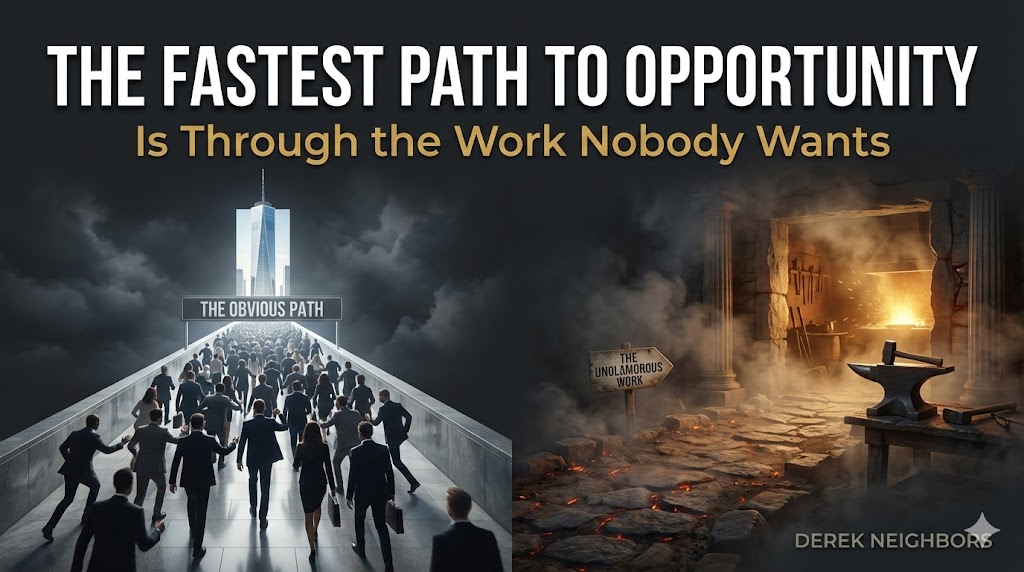
There is a photo of me from 2009 at my desk at 2am, coffee cups stacked three deep, and I remember posting it with genuine pride. In my twenties and thirties, I wore exhaustion as a badge of honor. Long hours, weekend work, the whole mythology of grinding. What I did not realize was that most of that effort was not ponos at all. It was motion without direction, effort without purpose, suffering that did not build anything. The turning point was a project that genuinely required ponos, a year-long organizational transformation that demanded everything I had and produced something I could not have created any other way. The difference between that experience and my years of grinding was the presence of meaning. The work was harder than anything I had done before, but it was hard in a way that developed my capacity rather than depleting it. After that project, I started applying a simple filter to difficult work: is this struggle building something, or is it consuming me? The distinction is not always obvious in the moment, but it becomes clear over time. Productive ponos leaves you tired but expanded. Pointless struggle leaves you tired and diminished. Now I teach this distinction to every team I work with. The goal is not to work harder. The goal is to direct your effort toward the work that matters, which is almost always the work that is hardest to do. The easy tasks on your list are easy because they do not require you to grow. The hard tasks are hard because they demand capabilities you do not yet fully possess. That is where ponos lives, and that is where the transformation happens. One specific practice I have adopted: at the start of each week, I identify the single task I least want to do but know is most important. I do it first, on Monday morning, before the week’s momentum carries me into easier work. This small discipline ensures that my most productive ponos happens at my highest energy, not in the margins when I have nothing left. The pattern compounds. The person who does the hardest thing first, every week, develops a fundamentally different relationship with difficulty than the person who saves it for Friday afternoon.
Frequently Asked Questions
What is ponos in Greek philosophy?
Ponos is the Greek concept of productive toil and labor, the necessary struggle required to achieve anything of worth. In Greek thought, ponos was not pointless suffering but purposeful exertion, the price excellence demands and the forge through which virtue is shaped. Heracles' twelve labors (ponoi) became the mythological archetype for this idea, demonstrating that greatness requires sustained, difficult effort.
What does ponos mean?
Ponos means toil, labor, or pain from exertion. The word describes the productive struggle inherent in worthy achievement. It is connected to Heracles' legendary labors and Hesiod's teaching that the gods placed sweat on the path to virtue. The concept carries no self-pity; ponos frames struggle as the necessary and dignified cost of anything worth achieving.
How do you practice ponos?
You practice ponos by deliberately engaging with productive struggle rather than avoiding it. Work at the edge of your ability, push through discomfort within clear boundaries, and reframe the sensation of difficulty as evidence of growth in progress. Commit to thirty minutes of deliberate practice daily in your weakest skill area, staying in the zone where effort is uncomfortable but not overwhelming.
What is the difference between ponos and karteria?
Ponos is the active toil and productive struggle of pursuing excellence, the effort you invest. Karteria is patient endurance, the capacity to bear prolonged hardship without yielding. Ponos pushes forward; karteria holds steady when the struggle extends beyond what you expected. Both are essential: ponos without karteria burns out in short bursts, while karteria without ponos endures passively without making progress.