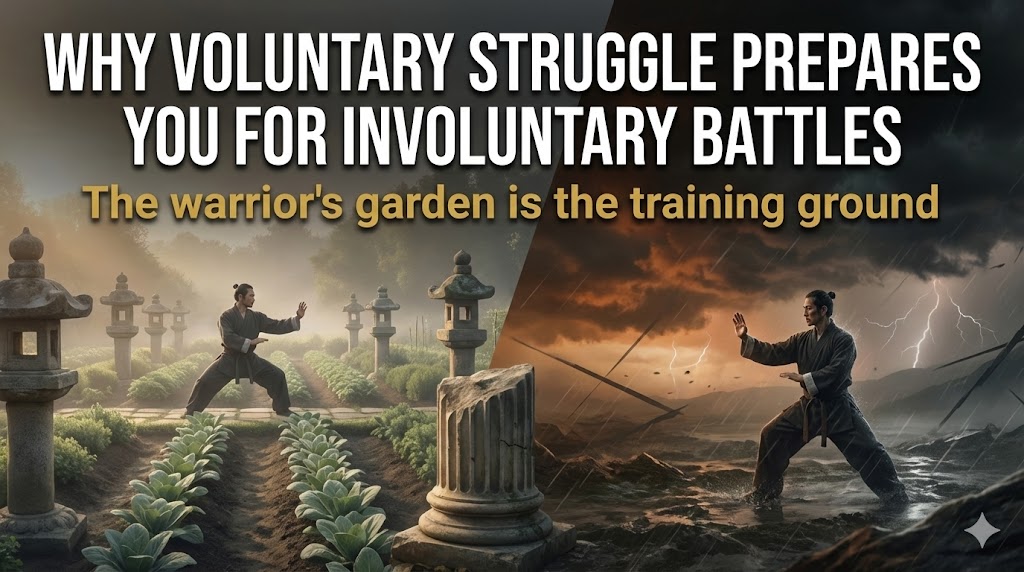
Askesis (ἄσκησις): Meaning, Definition & Modern Application
AS-kay-sis
Disciplined training and practice aimed at self-mastery, originally athletic exercise but extended by Stoics to mean rigorous spiritual conditioning. The deliberate cultivation of virtue through repeated effort and voluntary hardship.
Etymology
From the Greek verb askein, meaning “to exercise” or “to train.” Originally described athletic training regimens. The Cynics and Stoics adopted the word for philosophical training, arguing that virtue requires the same rigorous practice as physical fitness. Askesis is the root of “ascetic,” though the original Greek concept was not about denial for its own sake but about disciplined preparation for the demands of an excellent life.
Modern Application
Your leadership capacity isn't built in moments of inspiration but in the daily disciplines you maintain when no one is watching. Embrace voluntary discomfort—early mornings, difficult conversations, delayed gratification—as training for the moments that will define you. Every time you choose the harder right over the easier wrong, you forge the character that excellence demands.
How to Practice Askesis
Design a personal training regimen for character development. Choose one form of voluntary discomfort to practice daily for thirty days: cold exposure, fasting from a comfort, waking earlier than necessary, or maintaining silence when you want to react. Track the impact on your self-discipline in other areas. Pair physical training with mental training. When you exercise your body, notice how the discipline of pushing through physical discomfort builds your tolerance for emotional discomfort. Expand your regimen quarterly by adding one new discipline while maintaining existing ones. The Stoics treated askesis as essential philosophical practice, not optional supplement. Design your training around the specific weaknesses you know undermine your leadership: if you struggle with patience, practice waiting; if you struggle with honesty, practice voluntary disclosure. Review your regimen monthly and assess whether your disciplines are actually building the capacities you need or have become comfortable routines that no longer challenge you. True askesis keeps you at the edge of your self-mastery, always pushing slightly beyond where you are comfortable.
Frequently Asked Questions
What is askesis in Greek philosophy?
Askesis is the Greek concept of disciplined training aimed at self-mastery. Originally describing athletic exercise, the Stoics extended it to mean rigorous philosophical conditioning, the deliberate cultivation of virtue through repeated effort and voluntary hardship. The Cynics and Stoics argued that virtue requires the same rigorous practice as physical fitness, making askesis the training regimen for the soul.
What does askesis mean?
Askesis means exercise, training, or disciplined practice, from the verb askein (to train). It is the root of the English word ascetic, though the original Greek concept was not about denial for its own sake but about disciplined preparation for the demands of an excellent life. In philosophical usage, it describes the systematic training of character through voluntary discomfort and repeated effort.
How do you practice askesis?
You practice askesis by embracing voluntary discomfort as training for character development. Choose specific daily disciplines that stretch your self-control: early mornings, difficult conversations, delayed gratification. Pair physical training with mental discipline, expanding your regimen progressively. Design your training around your specific leadership weaknesses, and review quarterly whether your disciplines still challenge you or have become comfortable routines.
What is the difference between askesis and ponos?
Askesis is deliberate, structured training aimed at developing specific capacities. Ponos is the broader toil and productive struggle inherent in any worthy pursuit. Askesis is the athlete's training program; ponos is the sweat and pain of the competition itself. Askesis prepares you for ponos by building the capacities you will need when the real struggle arrives.