Metanoia (μετάνοια): Meaning, Definition & Modern Application
meh-TAH-noy-ah
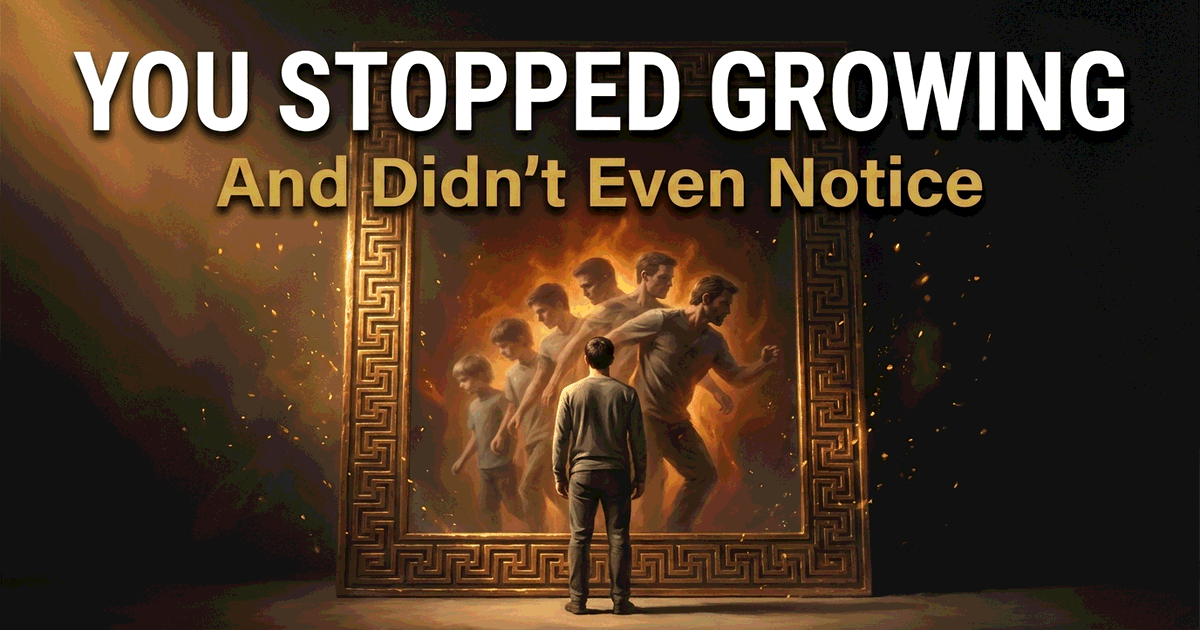
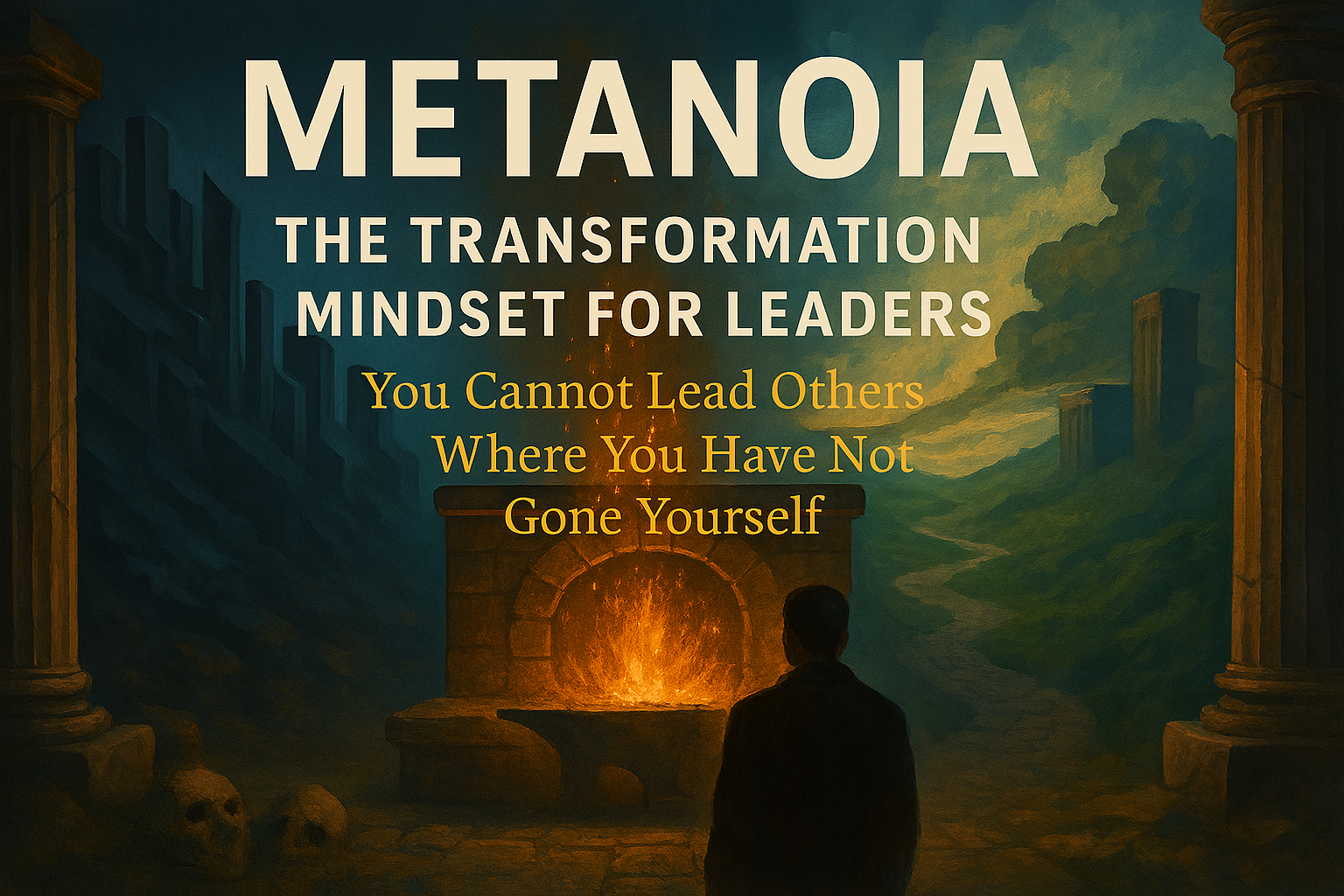
A fundamental transformation of mind and heart—not mere regret, but a complete turning around of one's understanding, perception, and way of being. In ancient Greek thought, it signifies the moment when scales fall from the eyes and one sees reality with new clarity.
Etymology
From meta (after, beyond, change) and nous (mind), literally “change of mind” or “thinking beyond.” In classical Greek, metanoia described a profound shift in perception, not merely regretting a mistake but fundamentally reorienting how you see reality. Early Christian writers adopted the term for spiritual conversion, but the philosophical meaning is broader: any genuine transformation of understanding that changes the direction of your life.
Modern Application
When you recognize that your current path, assumptions, or identity no longer serve your highest purpose, metanoia calls you to turn completely—not to improve the old way, but to embrace a fundamentally new orientation. As a leader, cultivate the courage to undergo genuine transformation rather than superficial adjustment. Your willingness to experience metanoia signals to others that growth requires not just refinement, but sometimes complete reinvention.
How to Practice Metanoia
Identify one fundamental assumption about yourself, your work, or your world that you have held for years. Write it down. Now challenge it directly: what if the opposite were true? Explore what would change if you released this assumption entirely. Practice the discipline of examining your worldview for beliefs that no longer serve you. When you encounter evidence that contradicts your identity or narrative, resist the urge to dismiss it. Sit with the discomfort. True transformation begins in the moments when you allow your certainties to dissolve and rebuild from what remains. Schedule a quarterly “assumption review” where you list the five beliefs most central to your current worldview and subject each one to rigorous questioning. Seek out experiences that challenge your perspective: conversations with people who see the world differently, exposure to unfamiliar domains, and honest engagement with criticism you would normally deflect. Metanoia cannot be manufactured on demand, but you can create the conditions that make it possible by maintaining genuine openness to being fundamentally wrong about something important.
Frequently Asked Questions
What is metanoia in Greek philosophy?
Metanoia is the Greek concept of fundamental transformation of mind, a complete turning around of understanding and perception. It goes beyond regret to describe a genuine reorientation of how you see reality and live your life. Early Christian writers later adopted the term for spiritual conversion, but the philosophical meaning is broader: any profound shift in understanding that fundamentally changes your direction.
What does metanoia mean?
Metanoia literally means "change of mind" or "thinking beyond," from meta (change, beyond) and nous (mind). It describes a profound shift in perception and orientation, not a superficial adjustment but a complete transformation of understanding. The word signifies the moment when scales fall from the eyes and you see reality with entirely new clarity, fundamentally altering the trajectory of your life.
How do you practice metanoia?
You create conditions for metanoia by examining long-held assumptions, sitting with evidence that contradicts your worldview, and cultivating the courage to release beliefs that no longer serve your growth. It requires genuine openness to being wrong about fundamental things. While you cannot force metanoia, you can prepare the ground by regularly questioning your deepest certainties and seeking out perspectives that challenge your current understanding.
What is the difference between metanoia and prohairesis?
Metanoia is the transformative experience of fundamentally changing your mind and orientation. Prohairesis is the ongoing faculty of moral choice and deliberate decision-making. Metanoia is the earthquake that reshapes the landscape; prohairesis is the daily navigation of that landscape through conscious choices. Metanoia is rare and profound; prohairesis is constant and practical. Both are essential to the examined life.