Ethos (ἦθος): Meaning, Definition & Modern Application
EE-thos
The stable character or disposition of a person, formed through repeated action and habit. For Aristotle, ethos represents the moral character that emerges from consistent practice of virtue, distinguishing who you are from what you merely know.
Etymology
From the Greek ethos, meaning “accustomed place” or “habit.” The word originally described the characteristic haunts of animals, then evolved to mean the settled habits and dispositions of people. Aristotle derived the word ethike (ethics) from ethos, arguing that moral character is formed through habitual practice rather than innate endowment. The connection between habit and character is embedded in the word itself: you become what you repeatedly do.
Deep Analysis
Aristotle drew a direct linguistic and conceptual connection between ethos (character) and ethike (ethics), arguing that moral philosophy is fundamentally about the formation of character through habitual practice. The word ethos originally described the characteristic dwelling place or haunt of an animal, the place where it regularly goes and where you expect to find it. Applied to humans, it came to mean the settled dispositions that define where you “live” psychologically: the predictable patterns of response that others can depend on. Your ethos is where people expect to find you morally.
The dual meaning of ethos as both “character” and “persuasive credibility” in Aristotle’s Rhetoric reveals a connection between internal moral formation and external influence. In the Rhetoric, Aristotle identified three modes of persuasion: ethos (the character of the speaker), logos (the logic of the argument), and pathos (the emotional state of the audience). He argued that ethos is the most powerful of the three because audiences trust speakers of good character even when the argument is complex or the evidence ambiguous. Your character is not merely a private moral achievement. It is the foundation of your capacity to influence others.
The formation of ethos through habit is Aristotle’s most practically important ethical claim. You do not become honest by deciding to be honest. You become honest by telling the truth repeatedly, in small situations and large ones, until truthfulness becomes your default response. You do not become courageous by understanding the theory of courage. You become courageous by acting despite fear, again and again, until courageous response is your settled disposition. This process of habituation produces what Aristotle called hexis (stable disposition): the specific trained capacities that, taken together, compose your ethos.
The claim that credentials and titles are not ethos is philosophically important and practically urgent. Modern professional culture frequently treats resume entries, degrees, and institutional affiliations as proxies for character. The person with an impressive resume is assumed to possess the judgment, integrity, and reliability that the resume’s achievements imply. But ethos is formed through repeated action, not through credential accumulation. The person who has achieved impressive things through manipulation or exploitation of others may have an outstanding resume and a deeply compromised character.
Arete (excellence) and ethos are related as aspiration and substrate. Arete is excellence in the exercise of your function. Ethos is the character from which that excellence flows. Without sound ethos, the pursuit of arete produces achievement without character, which is both morally incomplete and practically fragile. The high performer with compromised ethos can maintain their performance only as long as circumstances do not test their character.
The relationship between ethos and logos in persuasion has direct implications for leadership. Leaders who attempt to influence primarily through logical argument often discover that their arguments fail to move people. The reason is that audiences evaluate the speaker’s character before evaluating the speaker’s argument. If the ethos is weak, if the leader is perceived as untrustworthy or self-serving, even the best argument will be discounted. Conversely, leaders with strong ethos can sometimes persuade through character alone, because the audience trusts their judgment even when the specific argument is not fully developed.
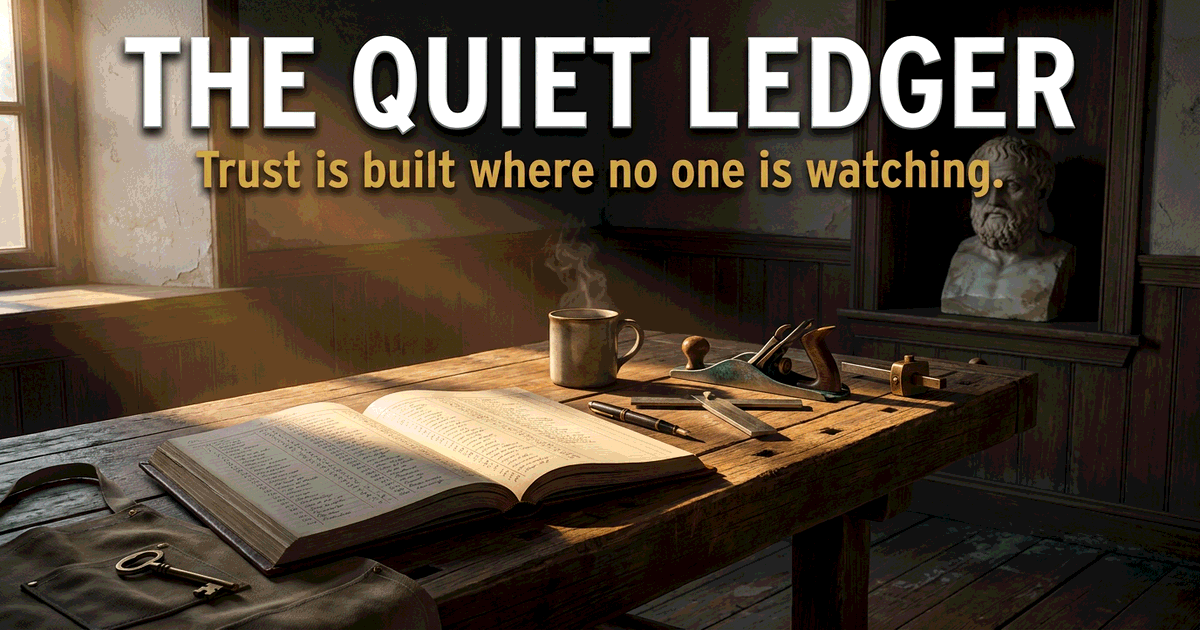
The most challenging aspect of ethos formation is that your private actions are the truest expression of your character. The person who behaves with integrity in public but cuts corners in private is not building ethos. They are building a performance. Ethos is formed through the accumulated weight of every action, observed and unobserved. The small promise kept when no one would notice it was broken builds more ethos than the public gesture of integrity. This is why Aristotle insisted that character is formed through habit rather than intention: it is what you do repeatedly, especially when no one is watching, that determines who you are.
Modern Application
Your character is not revealed in moments of ease but forged through countless small decisions made when no one is watching. Build your ethos deliberately—each choice to act with integrity, each kept promise, each moment of consistency becomes a thread in the fabric of who you are becoming. As a leader, recognize that your team reads your character more clearly than your words.
Historical Examples
Aristotle’s analysis of ethos in the Rhetoric identified three components that make a speaker credible: practical wisdom (phronesis), virtue (arete), and goodwill (eunoia). He argued that deficiency in any of these undermines persuasive credibility regardless of the strength of the logical argument. A speaker who is wise but selfish will not be trusted. A speaker who is virtuous but foolish will not be effective. This tripartite analysis remains the most comprehensive framework for understanding why some leaders are trusted and others are not.
Abraham Lincoln’s public ethos was built through decades of demonstrated consistency between his stated principles and his actions. His debates with Stephen Douglas in 1858 showed an audience a man who would state uncomfortable truths rather than tell the audience what it wanted to hear. By the time he became president, his ethos was strong enough to sustain public trust through the most devastating period in American history. His credibility during the Civil War was not the product of eloquence. It was the product of years of demonstrated character.
The contrast between Marcus Aurelius and his co-emperor Lucius Verus illustrates how character determines the quality of leadership. Both men held the same title and the same formal authority. Marcus Aurelius governed with discipline, self-reflection, and genuine concern for the empire’s welfare. Verus, according to the Historia Augusta, was known for indulgence and delegation of responsibilities. Same position, same formal authority, different ethos, different results. The historical record shows that the empire prospered under Aurelius’s governance and suffered where Verus was responsible.
How to Practice Ethos
Select three character traits you want to embody as a leader and define one concrete daily action for each. For integrity, keep every small promise you make. For discipline, complete your most important task before checking messages. For generosity, offer one piece of genuine help to someone each day without expecting return. Track these actions for thirty days. Your ethos is not built through intention but through the accumulated weight of consistent behavior. At month’s end, ask someone you trust whether they have noticed any shift in how you show up. Pay special attention to how you behave when no one is observing: your private actions are the truest expression of your character. When you catch yourself acting differently in private than in public, that gap reveals where your ethos still needs work. Review your daily conduct weekly and identify patterns of consistency and inconsistency. The character you build in small moments is the character that emerges in the moments that matter most.
Application Examples
A new CEO inherits an organization with a detailed code of conduct and annual ethics training. Despite this infrastructure, the culture is rife with ethical shortcuts: padded expense reports, exaggerated deliverables, and selective truth-telling in leadership meetings. The written standards are aspirational. The actual ethos is defined by the demonstrated behavior of the leadership team.
Organizational ethos is determined by demonstrated behavior, not by written policies. The gap between stated values and actual conduct defines the real ethos, and employees read the conduct, not the posters.
A man describes himself as honest and reliable. His partner disagrees. She points to a pattern of small broken promises: arriving late without acknowledgment, forgetting commitments, and framing his forgetfulness as trivial while holding her to a stricter standard. He believes his ethos is strong because his intentions are good. She experiences his ethos through his actions.
Ethos is what others experience, not what you intend. The gap between self-perception and the perception of those closest to you reveals the actual state of your character.
A manager consistently gives honest feedback, follows through on every commitment, admits when she is wrong, and maintains the same standard in every context. She has never given an inspirational speech about values. Her team has the highest engagement scores in the company because her ethos is visible in every interaction.
The most effective form of leadership communication is demonstrated character. The leader whose ethos is consistent across all contexts communicates values more powerfully through behavior than any articulation could achieve.
A politician campaigns on transparency. After taking office, he holds regular open town halls, publishes his schedule, and voluntarily subjects his finances to independent audit. When a scandal involving another politician creates public cynicism, his constituency trusts him because his ethos has been demonstrated consistently, not merely proclaimed.
Ethos built through consistent demonstrated behavior survives external shocks that destroy trust based on proclamation alone.
Common Misconceptions
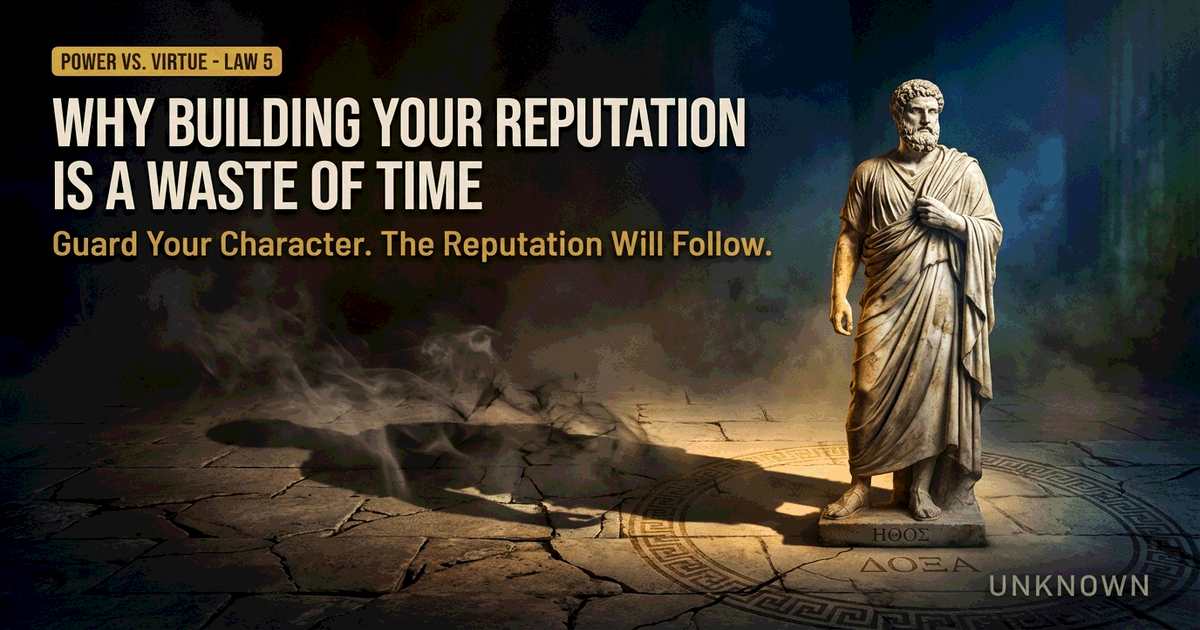
Reputation is what others say about you; ethos is who you actually are. Your reputation is what others believe about you, which can be managed and curated. Your ethos is who you actually are, revealed through habitual actions rather than managed image. The two may align over time, but they are distinct. Another error treats ethos as fixed. Character changes through practice, both constructive and destructive. The honest person at twenty can become dishonest through years of small compromises. The unreliable person at thirty can become dependable through years of kept promises. A third misconception holds that ethos formation is primarily about big decisions. The opposite is true. Your ethos is formed primarily through small, daily, unremarkable choices that no one witnesses. The big decisions reveal your ethos. They do not form it.
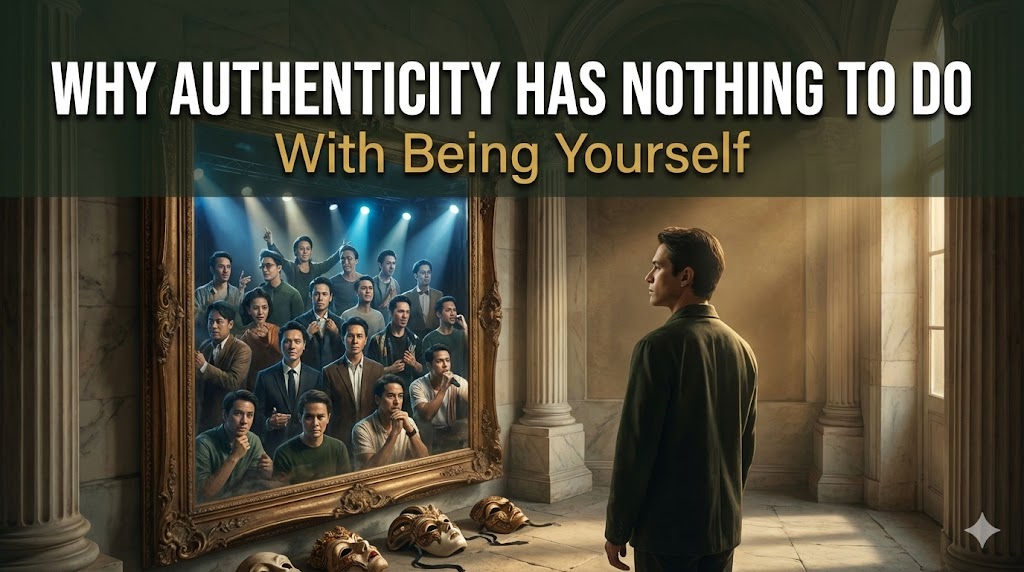
The single most important professional decision I ever made was choosing to be the same person in every context. For years, I maintained separate personas: the polished version for clients, the candid version for my team, the diplomatic version for leadership, and the relaxed version for friends. Each persona was genuinely part of me, optimized for the audience.
The problem with multiple personas is that maintaining them is exhausting and unsustainable. When people from different contexts encounter each other, the discrepancies between personas become visible. A client who sees you interact with your team in a way that contradicts how you interact with them loses trust.
The practice I adopted was radical consistency: I would say the same things, in the same way, to every audience. If I would not say it to my team, I would not say it to a client. This constraint eliminated comfortable partial truths that had been lubricating my professional relationships. It also made every relationship simpler because people could predict how I would behave regardless of context.
The compound effect of this consistency has been the most valuable professional asset I possess. People trust me not because I am impressive but because I am predictable. They know what they will get in any interaction because they have experienced the same person in every interaction. Aristotle was right that ethos is formed through habitual practice. The habit of consistency, once established, produces a kind of character that no amount of strategic impression management can replicate.
Frequently Asked Questions
What is ethos in Greek philosophy?
Ethos is the Greek concept of moral character formed through habitual practice. Aristotle argued that virtuous character develops not from knowledge but from repeated action, making ethos the settled disposition that determines how you respond to situations reliably. He drew a direct linguistic connection between ethos (character) and ethos (habit), emphasizing that who you become is determined by what you repeatedly do.
What does ethos mean?
Ethos originally meant "accustomed place" or "habit," describing the characteristic behaviors of animals. Applied to humans, it came to mean the stable character or disposition formed through consistent practice. Aristotle derived the word ethics (ethike) directly from ethos, arguing that moral philosophy is fundamentally about the formation of character through habitual action rather than the acquisition of theoretical knowledge.
How do you practice ethos?
You build ethos through deliberate, daily actions aligned with the character you want to develop. Each kept promise, each moment of consistency, and each choice made with integrity adds to your character. The key is repetition: virtue becomes habitual through practice, not through understanding alone. Select one character trait you want to strengthen and commit to a specific daily action that exercises it for thirty consecutive days.
What is the difference between ethos and hexis?
Ethos is the broad moral character formed through habits and choices over a lifetime. Hexis is a specific stable disposition or trained capacity acquired through deliberate repetition. Ethos encompasses your whole character; hexis refers to particular settled states within it, like the specific skills of a practiced craftsman. Your ethos is the composite portrait that emerges from all your individual hexeis working together.