Pronoia (πρόνοια): Meaning, Definition & Modern Application
pro-NOY-ah
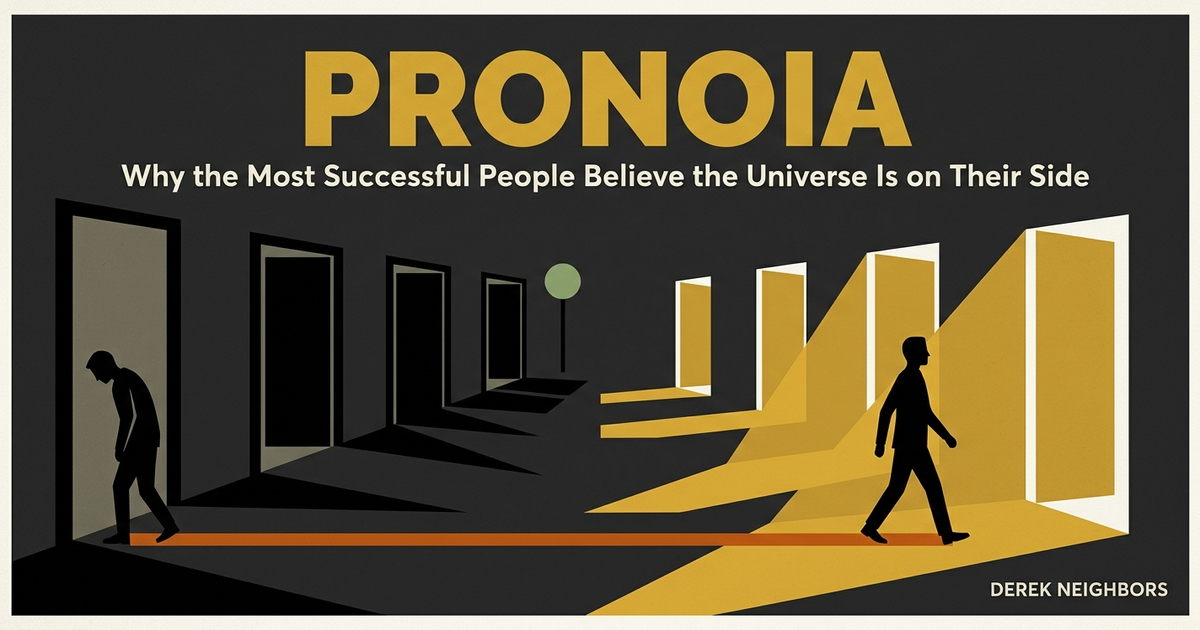
Divine providence or foresight, the belief that reality operates according to a rational order that ultimately works toward good. The opposite of paranoia, pronoia represents trust that the universe is conspiring in your favor.
Etymology
From pro- (before, ahead) and noos/nous (mind, intelligence), literally ‘forethought’ or ‘foresight.’ In everyday Greek it named the practical care taken in advance of an event. The Stoics elevated it into a cosmological term: pronoia became divine providence, the rational forethought of the Logos ordering the cosmos toward the good. Plato had already used it in the Timaeus for the intelligent design behind the world, and the Stoics made it central, arguing that nothing in nature happens without providential reason. The modern coinage ‘pronoia,’ the felt sense that the universe is conspiring in your favor, borrows the word’s optimism while setting aside its strict theology.
Modern Application
Pronoia is the irrational optimism that distinguishes those who build from those who merely survive. When you believe circumstances are working for you rather than against you, you persist longer, see opportunities where others see obstacles, and take action while others wait for permission. This isn't naive positive thinking but a strategic posture: those who expect hostility play defense, while those who expect opportunity play offense.
How to Practice Pronoia
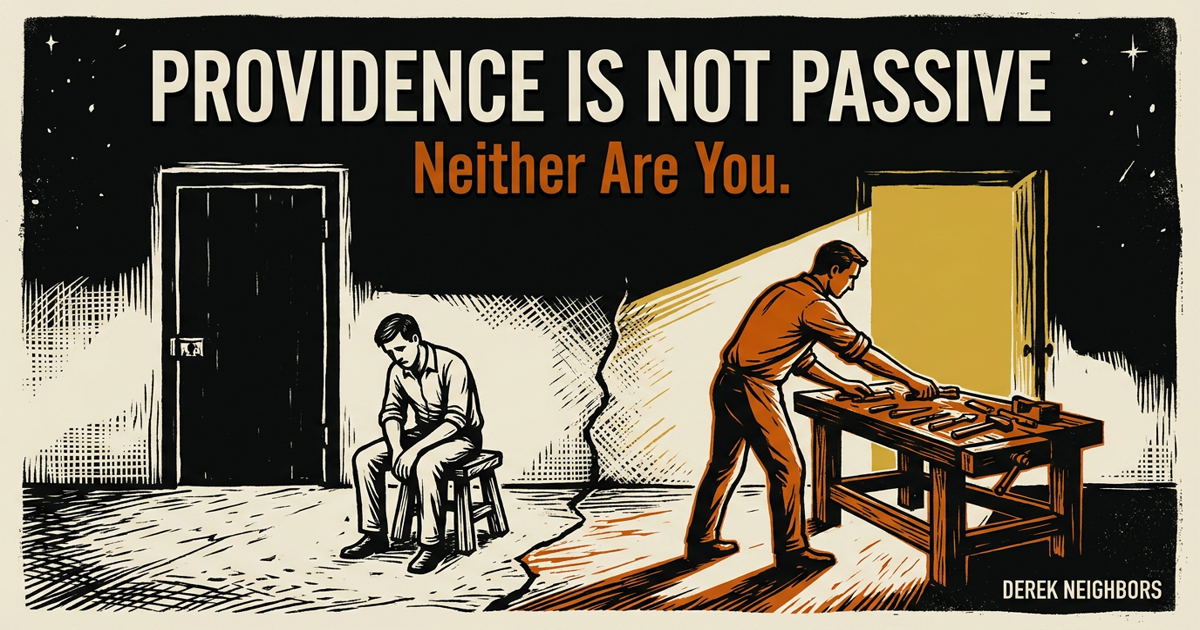
This week, run a daily forethought drill: each morning, name the one situation most likely to test you that day and decide in advance how a person of character would meet it. You are training pronoia as the Stoics meant it, rational preparation rather than wishful thinking. When something goes against you, practice the providence reading: ask what this event makes possible that was not possible before, and look for the opening rather than the insult. Keep a short log of the times you assumed hostility from people or circumstances and were wrong, then review it whenever you catch yourself bracing for the worst. Distinguish the version of pronoia that is mere optimism from the disciplined version that pairs trust in a rational order with your own forethought and effort. The goal is not to believe nothing bad will happen but to meet whatever happens as material a rational universe has handed you to work with. Each evening, recall one thing that first looked like a setback and trace whether it carried any seed of advantage. Over time this trains you to expect opportunity, act earlier than those who expect hostility, and stay in motion while others wait for certainty.
Frequently Asked Questions
What is pronoia in Greek philosophy?
Pronoia is divine providence or foresight, the belief that reality operates according to a rational order that ultimately works toward good. In everyday Greek it named the practical care taken in advance of an event. The Stoics elevated it into a cosmological principle, arguing that the rational forethought of the *Logos* orders the cosmos and that nothing in nature happens without providential reason. Plato had already used the term in the *Timaeus* for the intelligent design behind the world.
What does pronoia mean?
Pronoia comes from *pro-* (before, ahead) and *noos* or *nous* (mind, intelligence), literally meaning forethought or foresight. The word carried two registers in antiquity. In ordinary usage it described sensible preparation, the care you take before an event. In Stoic philosophy it became a technical term for divine providence, the rational order guiding the cosmos toward the good.
Is pronoia the opposite of paranoia?
In its modern coinage, yes. Where paranoia is the conviction that the world is conspiring against you, pronoia is the trust that the universe is conspiring in your favor. The modern usage borrows the ancient word's optimism while setting aside its strict theology. The practical difference shows up in posture. Those who expect hostility play defense, while those who expect opportunity persist longer, see openings where others see obstacles, and act while others wait for permission.
How do you practice pronoia?
You practice pronoia by pairing trust in a rational order with your own forethought, which is what the Stoics meant by the term. Each morning, name the situation most likely to test you that day and decide in advance how a person of character would meet it. When something goes against you, ask what the event makes possible that was not possible before. Keep a log of the times you assumed hostility and were wrong, then review it whenever you catch yourself bracing for the worst. The goal is not to believe nothing bad will happen but to meet whatever happens as material to work with.