Askesis vs Ponos: Key Differences in Greek Philosophy
Askesis and ponos both involve effort and discomfort, but they differ in structure and purpose. Askesis is the disciplined training regimen you design and follow. Ponos is the productive struggle you encounter within that training and beyond it. Askesis is the plan. Ponos is the burn. You need the discipline of askesis to ensure that the struggle of ponos leads somewhere meaningful.
Definitions
Askesis
(ἄσκησις)
AS-kay-sis
Disciplined training and practice aimed at self-mastery, originally athletic exercise but extended by Stoics to mean rigorous spiritual conditioning. The deliberate cultivation of virtue through repeated effort and voluntary hardship.
Ponos
(πόνος)
POH-nos
The toil, labor, and productive struggle necessary for achieving anything of worth. In Greek thought, ponos was not mere suffering but purposeful exertion—the price demanded by excellence and the forge through which virtue is shaped.
Key Differences
| Aspect | Askesis | Ponos |
|---|---|---|
| Structure | Askesis is structured and intentional. It involves planned exercises, routines, and practices designed to develop specific capacities. | Ponos can be structured or unstructured. Productive struggle arises both in planned training and in the unexpected challenges life presents. |
| Agency | Askesis is chosen deliberately. You select your training regimen and commit to it as an act of will. | Ponos can be chosen or imposed. Sometimes you seek out difficulty; other times difficulty finds you. |
| Purpose | Askesis aims at self-mastery and character development through systematic practice. The goal is transformation through discipline. | Ponos aims at growth through effort and toil. The goal is strengthening through the productive application of labor. |
| Emotional Tone | Askesis carries a tone of monastic discipline. It evokes the image of the athlete or philosopher in rigorous daily training. | Ponos carries a tone of honest labor and sweat. It evokes the image of the worker giving full effort to a difficult task. |
Structure
Askesis is structured and intentional. It involves planned exercises, routines, and practices designed to develop specific capacities.
Ponos can be structured or unstructured. Productive struggle arises both in planned training and in the unexpected challenges life presents.
Agency
Askesis is chosen deliberately. You select your training regimen and commit to it as an act of will.
Ponos can be chosen or imposed. Sometimes you seek out difficulty; other times difficulty finds you.
Purpose
Askesis aims at self-mastery and character development through systematic practice. The goal is transformation through discipline.
Ponos aims at growth through effort and toil. The goal is strengthening through the productive application of labor.
Emotional Tone
Askesis carries a tone of monastic discipline. It evokes the image of the athlete or philosopher in rigorous daily training.
Ponos carries a tone of honest labor and sweat. It evokes the image of the worker giving full effort to a difficult task.
When to Apply Each Concept
When to Choose Askesis
Embrace askesis when you need to build a deliberate practice for long-term development. Designing your morning routine, committing to a physical training program, or establishing a regular writing practice all exemplify askesis. It is the virtue of the person who understands that transformation requires consistent, planned effort.
When to Choose Ponos
Embrace ponos when facing the difficulty inherent in meaningful work. When the training gets hard, when the project demands more than you expected, or when growth requires genuine suffering, ponos is the frame that makes struggle productive rather than punishing. It is the virtue of finding meaning and growth in the sweat itself.
Frequently Asked Questions
What is the difference between askesis and ponos?
Askesis is disciplined training, a structured practice aimed at developing virtue and capability. Ponos is productive struggle, the toil and effort that produces growth. Askesis provides the framework; ponos is what you experience within it. A training regimen is askesis. The burning muscles and mental fatigue you feel during that training are ponos.
Is askesis the same as asceticism?
Modern asceticism is derived from askesis but has narrowed in meaning. The original Greek askesis referred broadly to any disciplined training practice, whether physical, mental, or moral. It did not necessarily involve deprivation or self-denial. The Stoics and early Christians later emphasized the self-denial aspects, which gave us the modern sense of asceticism as harsh self-restriction.
How do askesis and ponos work together?
Askesis creates the conditions for productive ponos. Without disciplined structure, struggle is random and often wasted. Without genuine effort, discipline becomes empty routine. The most effective development happens when you design a rigorous practice (askesis) and then engage fully with the difficulty it produces (ponos). Each concept needs the other to produce lasting growth.
Articles Exploring Askesis or Ponos (16)
Your Goals Aren't Too Big. Your Sacrifices Are Too Small.
You don't have an ambition problem. You have a payment problem. Everyone wants the dream. Almost no one wants to pay what it actually costs.

AI Is Making Life Easier. That Might Be the Worst Thing That Ever Happened to Us.
Three miles from anything, my calf seized. No Uber. No shortcut. Just pain and the choice to keep moving. AI is removing that choice from everything. And that might be destroying us.

Comfort Killed More Dreams Than Failure Ever Did
Everyone fears failure. Almost nobody fears comfort. The ancients understood why that's backwards. Comfort doesn't protect dreams. It suffocates them slowly while you're too numb to notice.

"Discipline Is for Losers"? The Obsession You're Jealous Of Started There
The person calling discipline 'for losers' is watching masters and missing the decades of discipline underneath. What looks like obsession is hexis. The discipline came first.

What If Your 'Personal Best' Is Actually Your Personal Belief?
Everyone treats their personal best as an objective measurement. But what if it's actually a prophecy? What if the limit you keep hitting is the limit you keep expecting to hit?

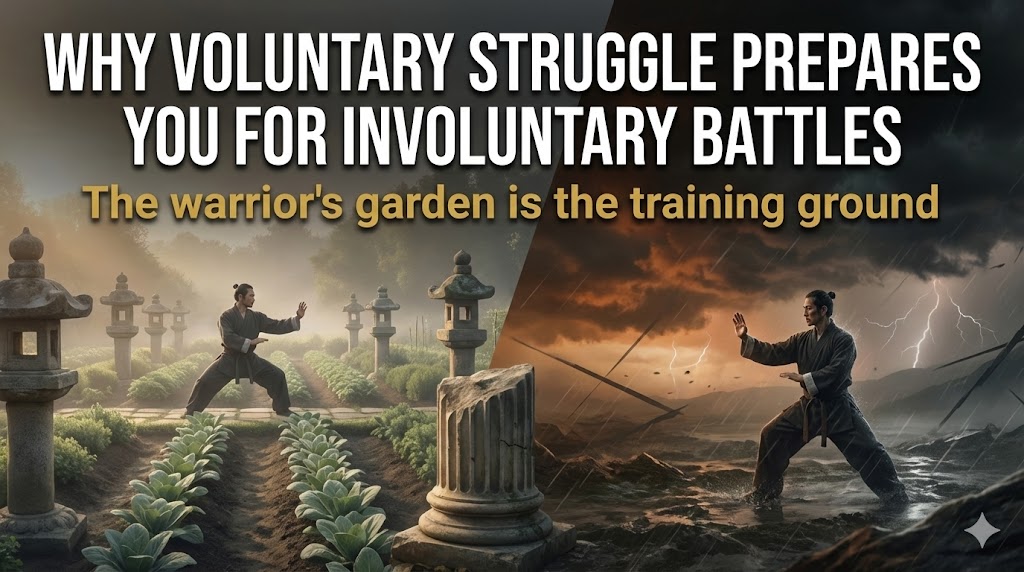
Why Voluntary Struggle Prepares You for Involuntary Battles
The conditions you train in are the conditions you're prepared for. Every voluntary struggle is a deposit against the involuntary battles life doesn't schedule.
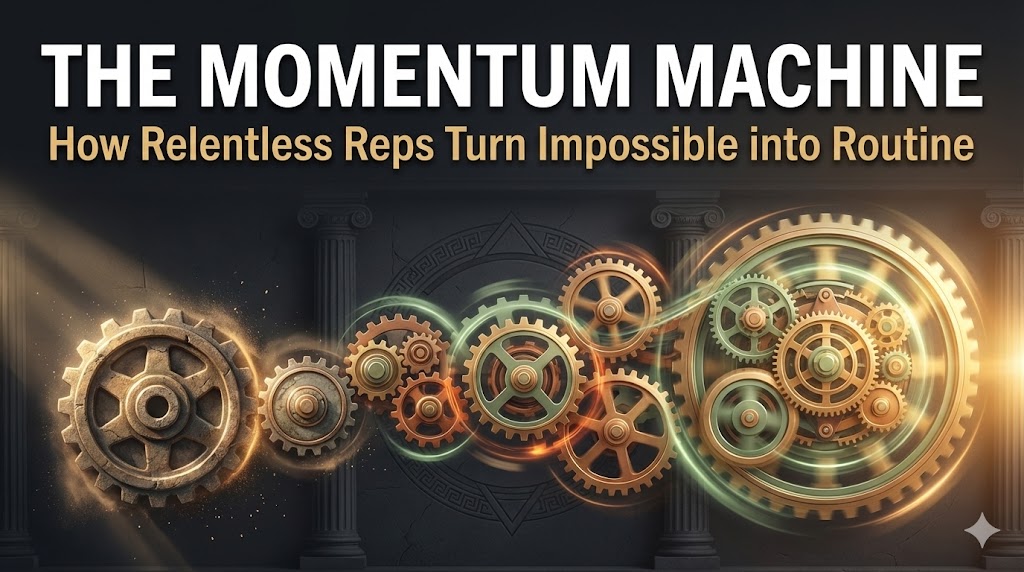
The Momentum Machine: How Relentless Reps Turn Impossible into Routine
The difference between extraordinary achievement and constant restarting isn't talent or luck. It's whether you've built a momentum machine that runs even when motivation dies.
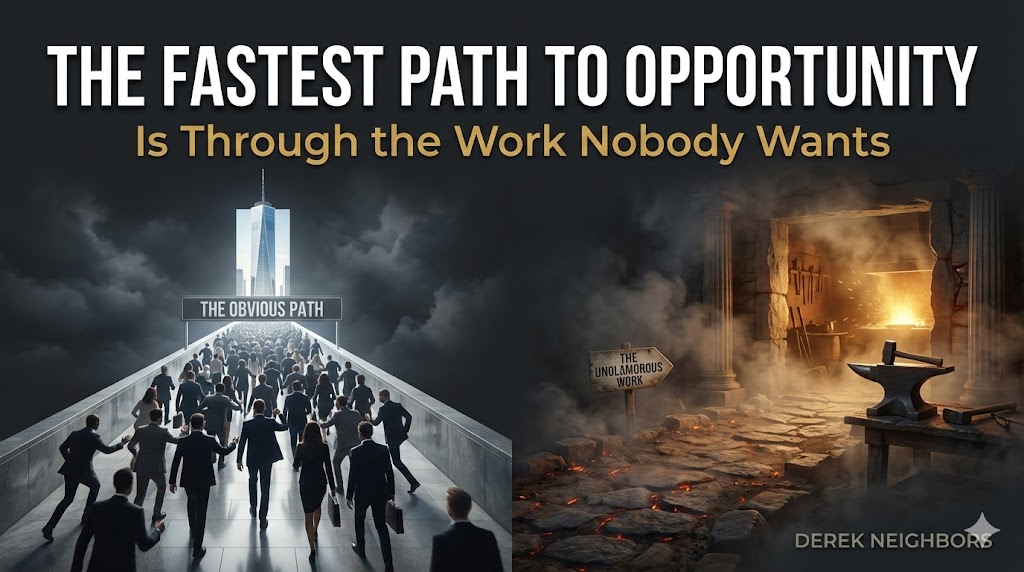
The Fastest Path to Opportunity Is Through the Work Nobody Wants
Everyone's competing for the spotlight. Meanwhile, opportunity waits in the tasks everyone avoids. The dirty work doorway isn't just a path to success. It's the only path that isn't crowded.
Stop Asking Why This Is Happening. Start Asking What It's Teaching.
The ancient Greeks understood something we've forgotten—every difficulty is training when you ask the right question. The shift from 'why me?' to 'what's this teaching?' changes everything.

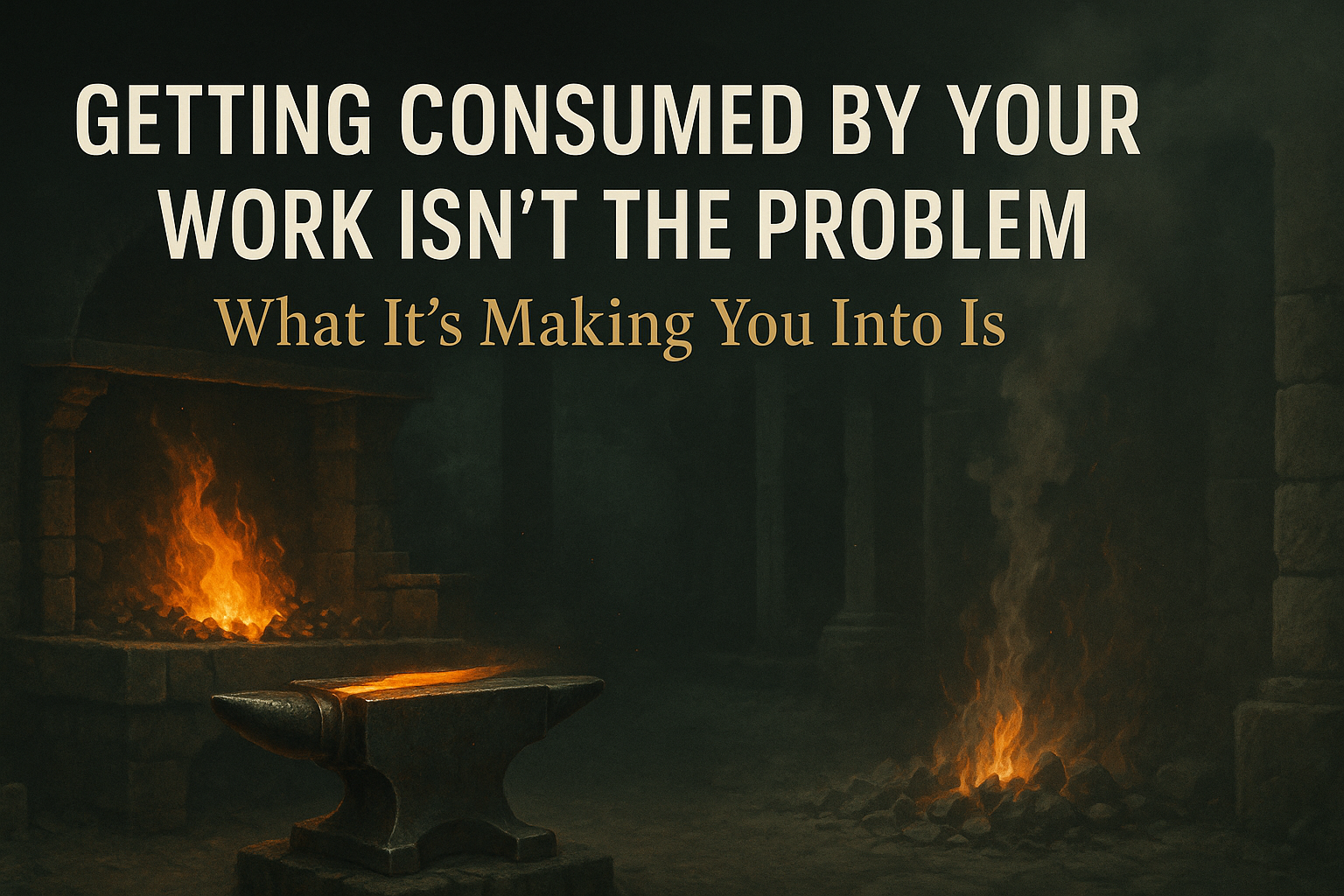
Getting Consumed by Your Work Isn't the Problem. What It's Making You Into Is.
Work-life balance won't save you from being consumed. Everything significant consumes you. The question isn't whether work will consume you, but what you're becoming through that consumption. Choose the fire that forges you.
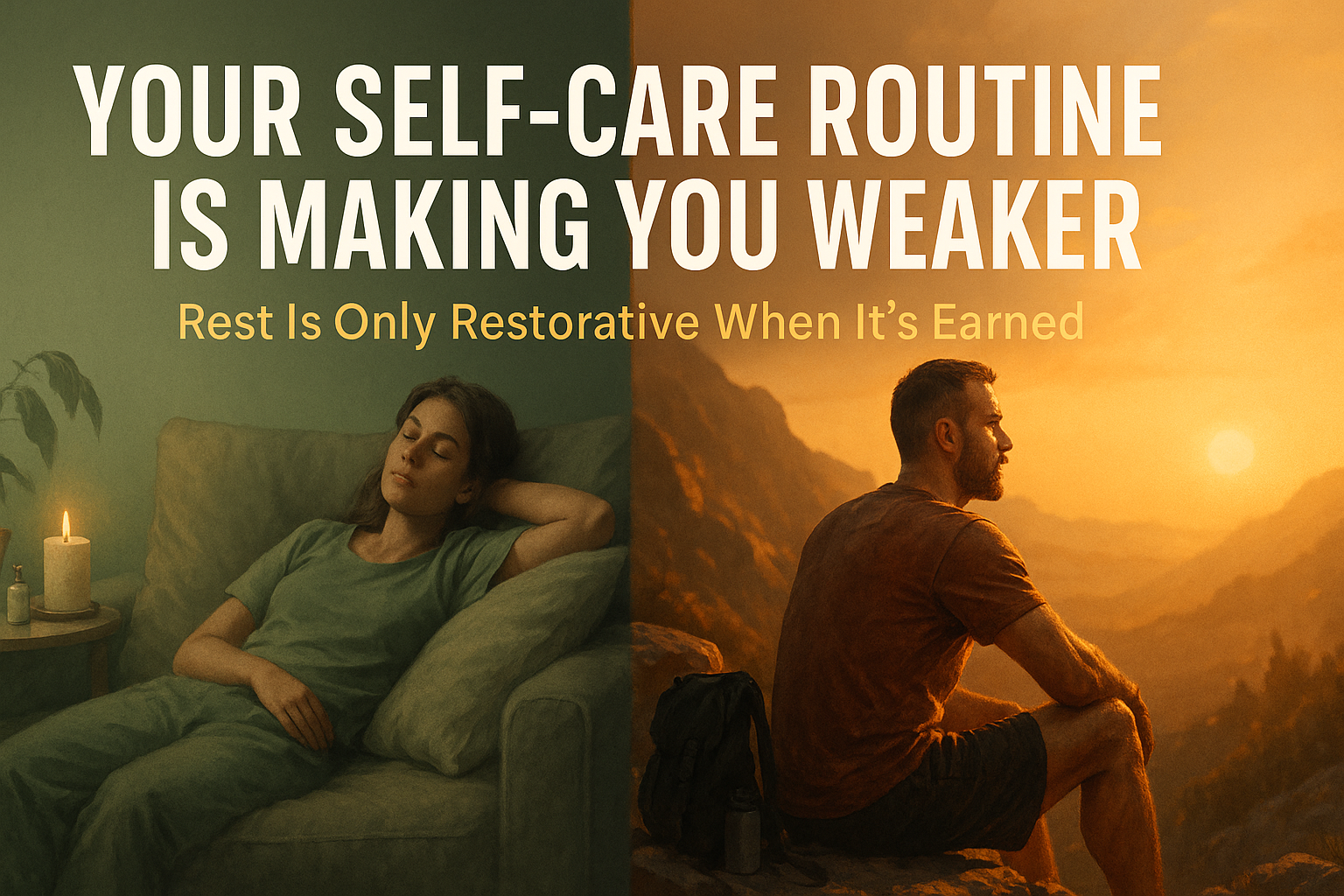
Your Self-Care Routine Is Making You Weaker
Modern self-care culture produces people who need more support to handle less challenge. Rest is only restorative when preceded by genuine exertion. Without the depletion, there's nothing to restore.
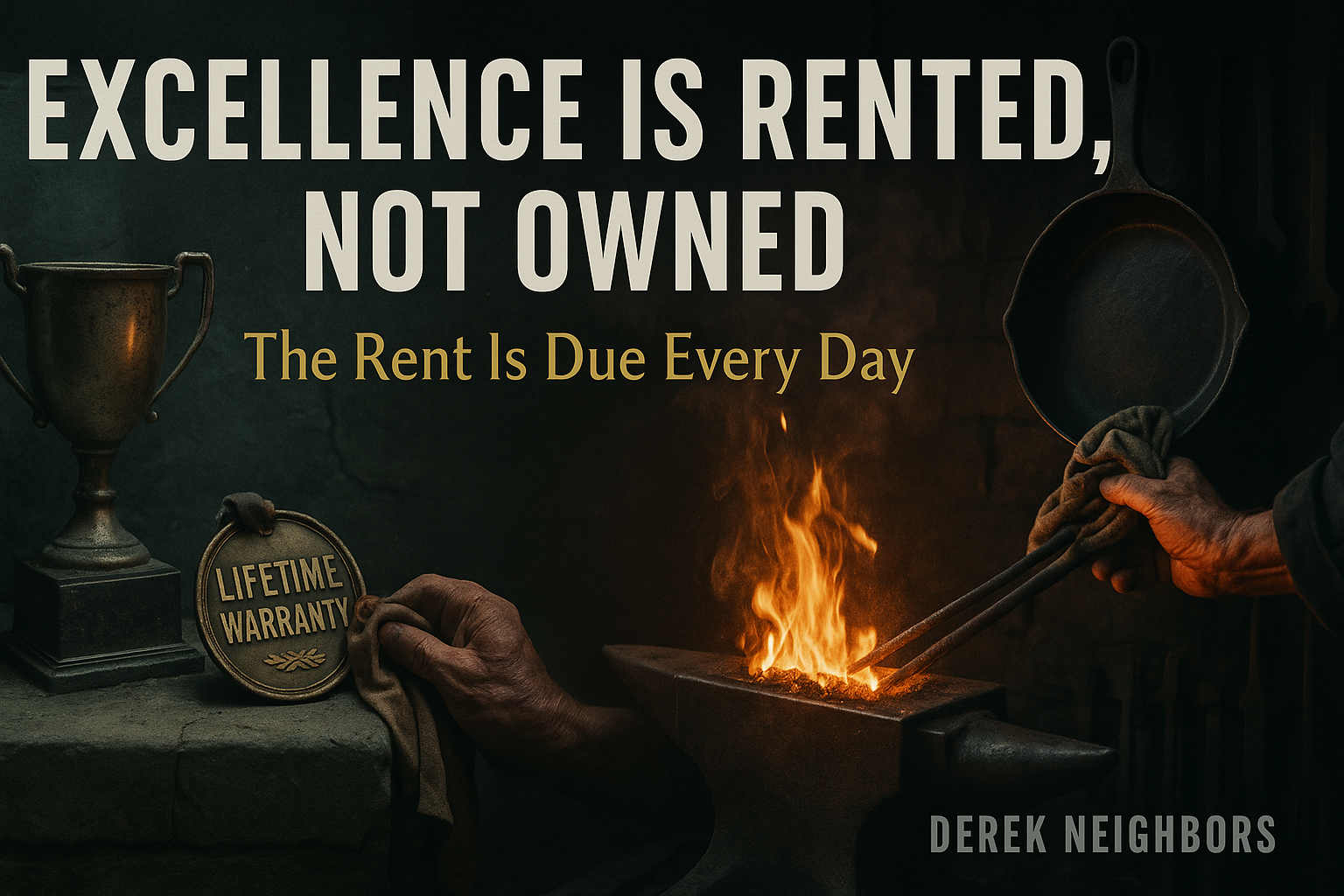
Excellence Is Rented, Not Owned: The Rent Is Due Every Day
Grandma's cast iron pan lasted 60 years with daily care. My 'lifetime warranty' pan died in 18 months with neglect. Excellence isn't owned—it's rented. And the rent is due every single day.
Stop Waiting for Flow - Start Training It Like Every Other Skill
You can spend another year waiting for flow to happen, or you can spend the next 12 weeks training it like the ancient Greeks did, systematically, progressively, relentlessly.

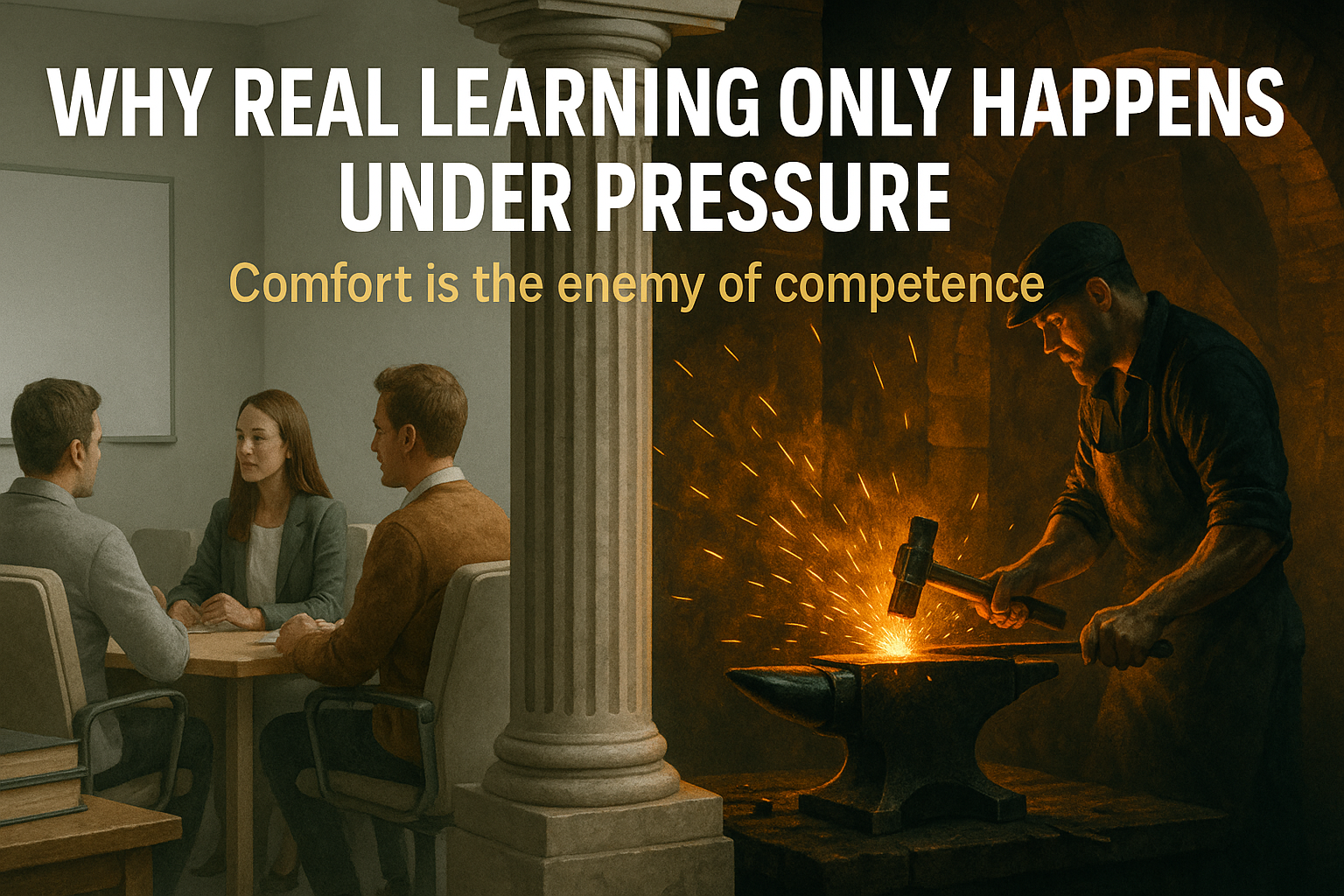
Why Real Learning Only Happens Under Pressure
Real competence emerges when comfort dies and stakes are real. The professionals who thrive in crisis weren't trained in safe environments, they were forged under pressure.
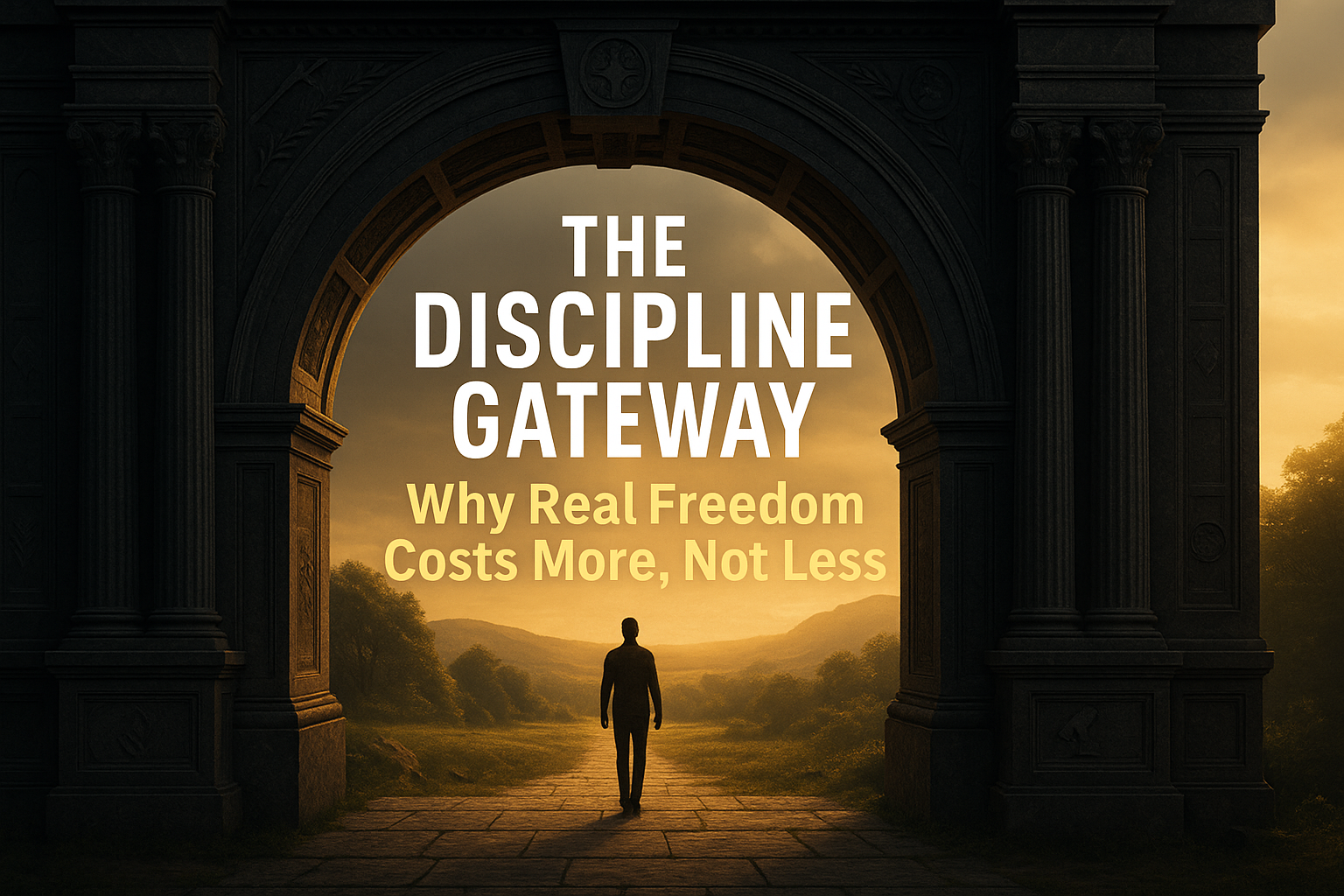
The Discipline Gateway: Why Real Freedom Costs More, Not Less
The brutal truth about freedom: it's not the absence of constraints, it's the wisdom to choose the right ones.
Breaking Through: How Resistance Shapes Your Transformation
Every breakthrough begins with a breakdown. Resistance isn't blocking your transformation, it's forging it.
