Aletheia (ἀλήθεια): Meaning, Definition & Modern Application
ah-LAY-thay-ah
Truth as unconcealment. Not merely accurate statements, but the fundamental orientation toward reality as it actually is, the state of being unhidden.
Etymology
From the Greek a- (not) and lethe (concealment, forgetting). Literally “un-hiddenness” or “un-forgetting.” The river Lethe in Greek mythology caused forgetfulness in the dead. Aletheia reverses this: truth is what has been pulled from concealment into the open. Heidegger later seized on this etymology to argue that truth is fundamentally about disclosure, not correspondence between statements and facts.
Deep Analysis
The etymology of aletheia reveals its philosophical depth more clearly than almost any other Greek term. The word is constructed from the alpha-privative a- (not, un-) and lethe (concealment, forgetting). Truth, for the Greeks, was not a property of statements matching facts. It was the condition of being un-hidden, un-forgotten, brought out of concealment into the open. The mythological river Lethe in the underworld caused the dead to forget their earthly lives. Aletheia reverses this: to know the truth is to pull reality out of the darkness where it hides.
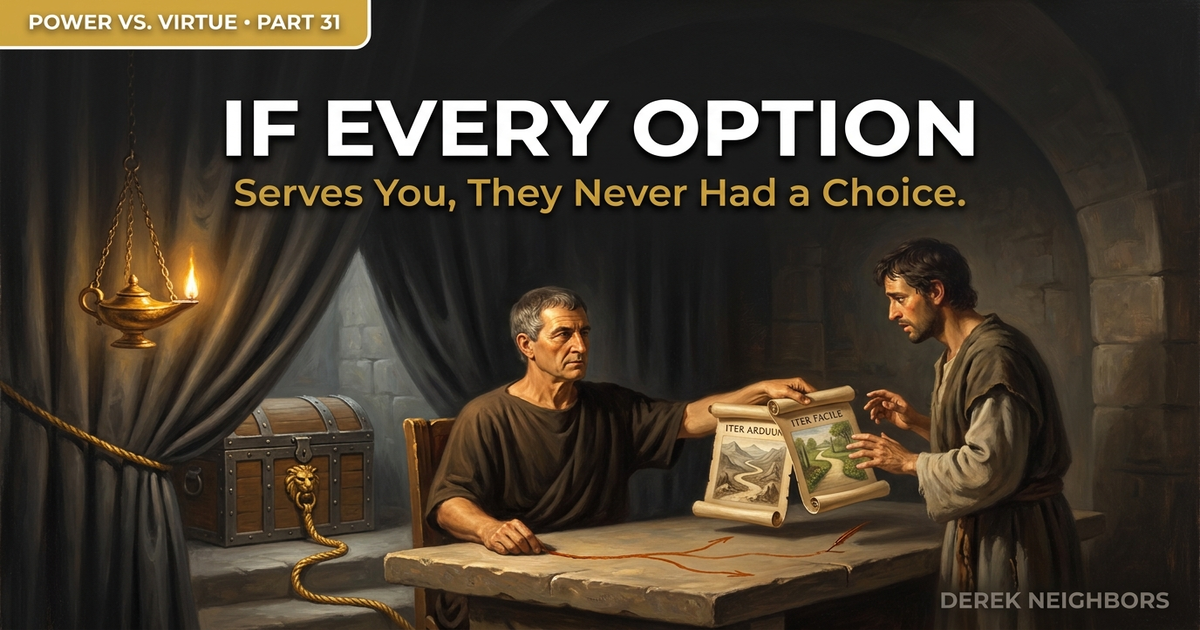
Parmenides drew the first sharp philosophical line between truth and opinion. In his poem On Nature, he described two paths: the Way of Truth and the Way of Doxa (opinion or appearance). The Way of Truth reveals what genuinely is. The Way of Doxa presents what merely seems to be. For Parmenides, most people live entirely on the Way of Doxa, navigating through appearances and assumptions without ever confronting what lies beneath them. The philosophical life begins with the decision to take the other path.
Plato’s Allegory of the Cave in Republic Book VII is the most famous dramatization of the journey toward aletheia. The prisoners chained in the cave mistake shadows on the wall for reality. When one prisoner is freed and turns toward the fire, then toward the mouth of the cave, then toward the sun itself, each stage represents a movement from doxa to episteme, from shadows to the source of light. The journey is painful. The freed prisoner’s eyes hurt. They want to turn back. Other prisoners ridicule them. The movement toward truth is not a comfortable process of adding information. It is a wrenching reorientation of your entire relationship with reality.
Heidegger’s reading of aletheia in the twentieth century pushed the concept further. In Being and Time and subsequent works, Heidegger argued that the Western philosophical tradition had lost the original Greek understanding of truth as unconcealment and replaced it with a correspondence theory: truth as the match between propositions and facts. Heidegger wanted to recover the earlier, richer sense in which truth is an event, something that happens when reality discloses itself to a person who is oriented to receive it. Whether Heidegger’s reading of the Greek sources was historically accurate remains debated. What is undeniable is that his interpretation opened a productive way of thinking about truth as a relationship between a person and reality rather than a property of sentences.
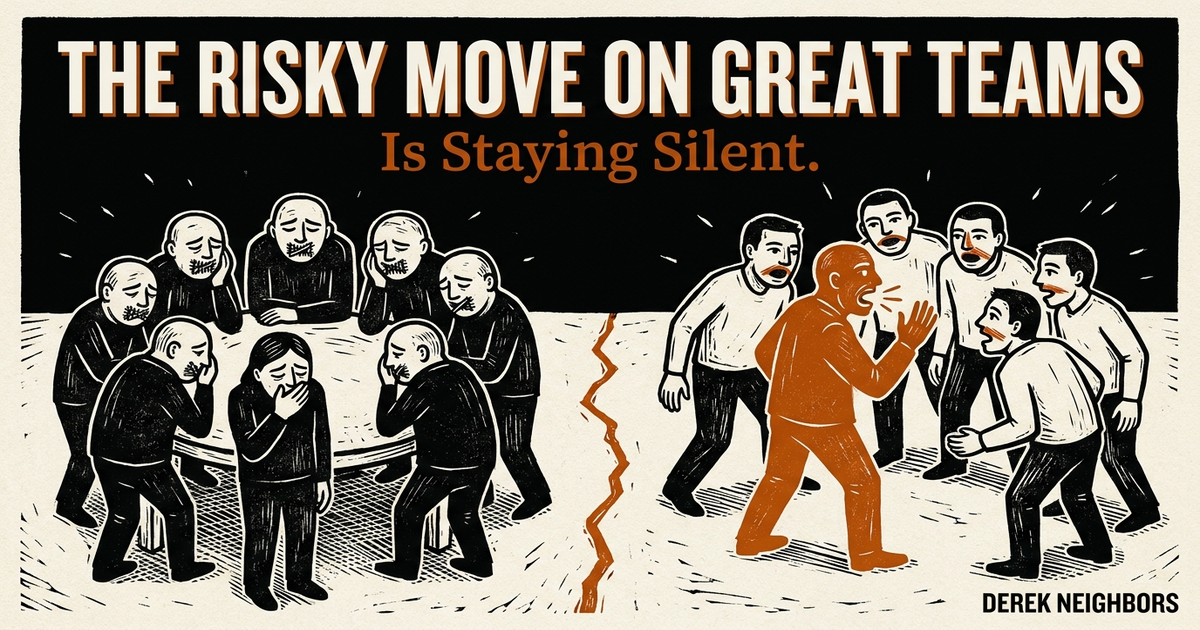
The connection between aletheia and parrhesia (frank speech) is direct. Parrhesia is the social expression of the commitment to aletheia. The parrhesiastes speaks truth to power because they are oriented toward unconcealment rather than comfort. They would rather expose what is hidden, even at personal risk, than allow the comfortable concealment to continue. Organizations that lack parrhesia are organizations where truth is actively concealed, where aletheia is the enemy of the social order rather than its foundation.
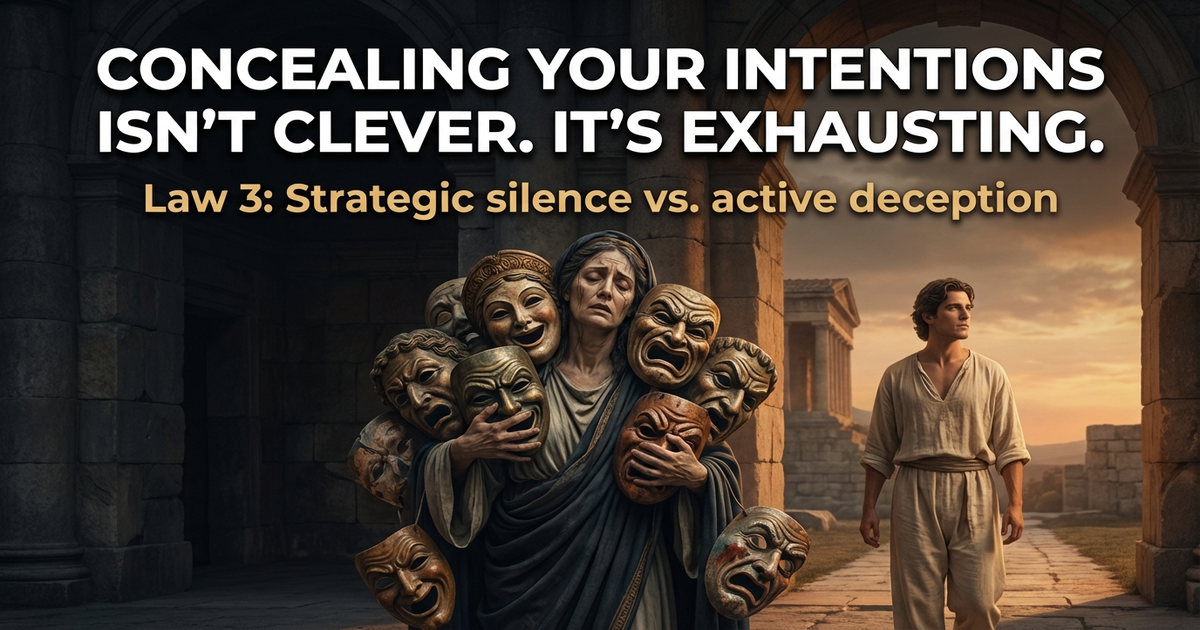
The practical dimension of aletheia in modern life centers on self-deception. The most dangerous form of concealment is not lying to others. It is lying to yourself. Self-deception operates by keeping uncomfortable truths in the region of lethe, hidden from your own awareness through rationalization, avoidance, and selective attention. The person who describes their procrastination as “strategic patience,” their cowardice as “prudence,” or their greed as “ambition” is engaged in self-deception. Each euphemism is an act of concealment that aletheia, as a practice, must reverse.
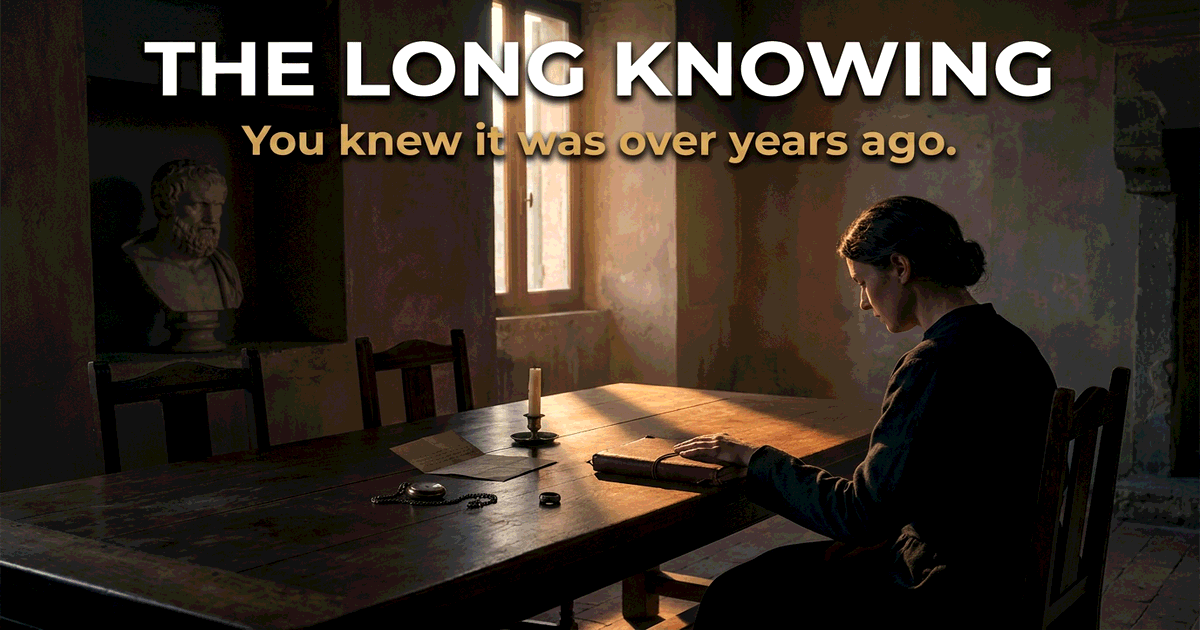
The difficulty of aletheia is that truth does not present itself automatically. It requires effort, courage, and a willingness to be wrong about things you have believed for years. The journey from the cave is not a one-time event. It is a daily practice of questioning assumptions, examining motives, and allowing reality to correct your models. Episteme, systematic knowledge, depends on this practice because you cannot build genuine understanding on a foundation of self-deception. The person who begins with an honest assessment of what they do not know has a better foundation for knowledge than the person who begins with confident assertions built on unexamined assumptions.
Modern Application
You practice aletheia when you orient yourself toward what's real rather than what's comfortable. It shows up in honest self-assessment, in refusing to deceive others or yourself, and in the freedom that comes from having nothing to hide. Living in truth is energetically efficient. Deception is overhead that compounds.
Historical Examples
Socrates’ practice of the elenchus, his method of cross-examination, was a systematic technology for producing aletheia. In dialogues like the Meno, the Euthyphro, and the Republic, Socrates would take a confident interlocutor and, through a series of questions, reveal that their confident beliefs rested on unexamined foundations. The interlocutor typically began certain they knew what justice, courage, or piety meant. By the end of the dialogue, their certainty had dissolved, replaced by the uncomfortable awareness that they did not know what they thought they knew. Socrates called this productive confusion aporia, and he treated it as the necessary precondition for genuine understanding. You cannot move toward truth until you have first recognized that you were living in concealment.
Galileo Galilei’s conflict with the Catholic Church in the seventeenth century dramatized the cost and necessity of aletheia on a civilizational scale. His telescopic observations confirmed the Copernican heliocentric model, contradicting the geocentric framework that the Church had integrated into its theology. The Church’s response, forcing Galileo to recant under threat of torture, was an institutional act of concealment: the truth was visible but intolerable, so it was suppressed. According to tradition, Galileo muttered “Eppur si muove” (“And yet it moves”) after his forced recantation. Whether the anecdote is historical or apocryphal, it captures the essence of aletheia: reality does not change because you refuse to acknowledge it.
Vaclav Havel, the Czech dissident and eventual president, built his entire political philosophy on the concept of “living in truth,” a phrase that maps directly onto aletheia. In his 1978 essay “The Power of the Powerless,” Havel argued that totalitarian systems depend on citizens’ willingness to participate in public lies. The greengrocer who places the party slogan in his window does not believe it. He displays it to avoid trouble. But this small act of concealment, multiplied across millions of citizens, creates the architecture of the lie that sustains the regime. Havel’s prescription was simple and devastating: stop participating in the concealment. Live as though what is true matters more than what is comfortable.
How to Practice Aletheia
Begin with a daily honesty audit. At the end of each day, identify one thing you told yourself that was not entirely true, and one thing you avoided looking at directly. Write both down. Over time, you will notice patterns of self-deception that protect comfort at the expense of growth. Next, practice radical transparency in one relationship: share something you have been withholding. When making decisions, ask “What would I do if I had to explain my reasoning publicly?” This question strips away the rationalizations that conceal your real motives. Extend this practice to your professional life by requesting honest, unfiltered feedback from a colleague each week and receiving it without defensiveness. Keep a running list of truths you have uncovered about yourself and review it monthly. The discipline of living in truth creates compounding returns: each layer of self-deception removed reveals clearer ground for action.
Application Examples
A product team conducts user research that reveals their flagship feature is rarely used and poorly understood by customers. The data contradicts the narrative the company has told investors, press, and itself for two years. The team must decide whether to present the findings honestly or frame them in a way that preserves the existing story.
Organizational truth-telling requires the same courage as personal truth-telling. The temptation to frame uncomfortable data in a flattering light is a form of concealment. Aletheia demands that the data be presented as it is, not as you wish it were, because decisions made on concealed information compound into larger failures.
A professional has been telling herself for three years that she stays in a toxic work environment because she is loyal to her team. During a conversation with a therapist, she recognizes that the actual reason is fear: fear of the job market, fear of starting over, fear of admitting that she chose badly. The narrative of loyalty was concealing the reality of avoidance.
Self-deception operates through narratives that sound virtuous. Loyalty, patience, and commitment can all function as euphemisms for fear when they conceal the actual reason you are staying put. Aletheia is the practice of stripping these narratives down to their real foundations.
A CEO notices declining engagement scores but attributes them to industry-wide trends rather than examining her own leadership style. When a departing senior leader provides a candid exit interview citing the CEO’s micromanagement and unpredictable temper, the CEO must choose between dismissing the feedback as one person’s perspective or treating it as unconcealment of something she has avoided seeing.
Leaders are particularly vulnerable to concealment because their position insulates them from honest feedback. The exit interview is a moment of aletheia, an involuntary disclosure of truth that the organizational structure normally keeps hidden. How the leader responds to that moment determines whether truth can circulate in the organization.
A graduate student realizes midway through a doctoral program that his research hypothesis is wrong. The data points clearly in a different direction. Publishing the null result would be intellectually honest but would delay his degree and disappoint his advisor. Reframing the data to support the original hypothesis is tempting and technically possible.
Academic integrity is aletheia applied to the production of knowledge. The temptation to conceal an inconvenient finding is structurally identical to the cave-dwellers’ resistance to turning toward the light. The short-term cost of honesty is real. The long-term cost of building a career on concealed truth is larger.
Common Misconceptions
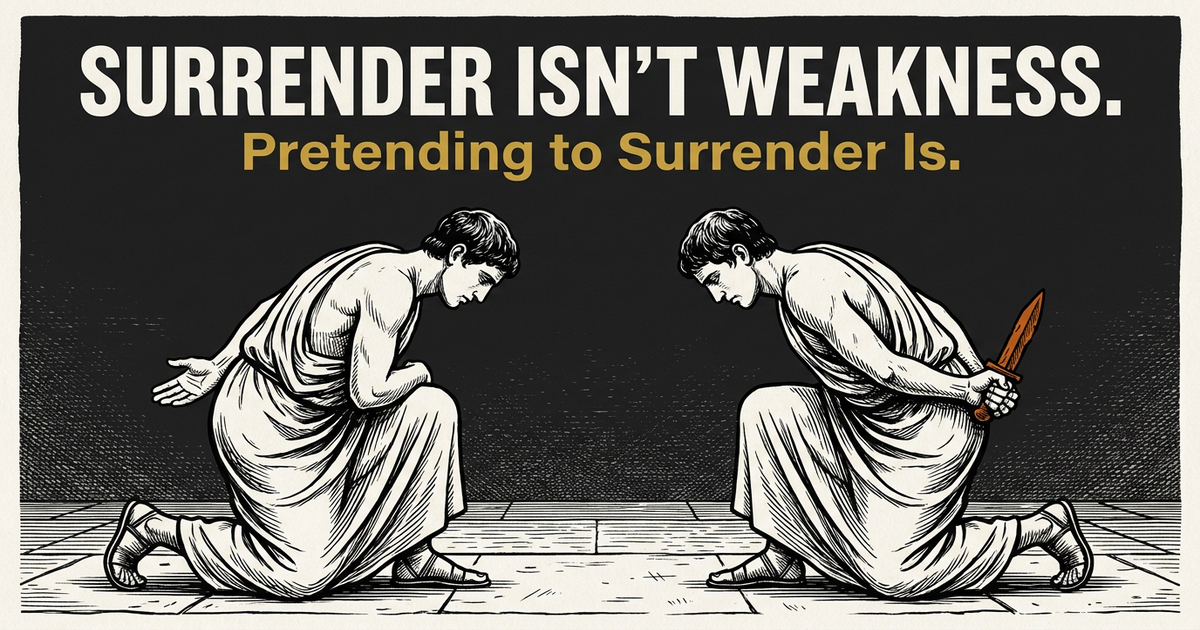
Factual accuracy and aletheia are not the same thing. You can compile perfectly accurate statistics and still conceal the truth by selecting which statistics to present. Aletheia is about orientation, not information. It asks whether you are moving toward reality or away from it, regardless of whether your individual statements pass a fact-check. Another misconception treats truth-telling as aggression, as though unconcealment requires confrontation. The Greeks understood that aletheia is a disposition, not a tactic. You can practice radical honesty with gentleness. What you cannot do is practice it with selectivity. A third error is the assumption that truth is static, something you discover once and then possess. Aletheia is an ongoing process of unconcealment. Reality shifts, your understanding deepens, and truths that were adequate yesterday become incomplete today. The person committed to aletheia accepts that the work is never finished.
I spent the first decade of my career as a skilled concealer. Not a liar. I rarely said things that were factually false. But I was expert at selecting which truths to present and which to leave in shadow. In meetings, I would share the data that supported my position and omit the data that complicated it. In conversations with my team, I would frame setbacks as learning opportunities without acknowledging that some of them were simply failures caused by my poor judgment.
The turning point was a retrospective where a team member said, “We never talk about what actually went wrong. We talk about what we learned.” She was right. Our retrospectives were exercises in concealment dressed as reflection. We were performing the appearance of honesty without practicing the substance of it.
I started an experiment: in every meeting, I would name one thing I had been avoiding or framing favorably. The first few weeks were uncomfortable. I admitted that a project delay was my fault, not the client’s. I shared user research that contradicted our product roadmap. I told my leadership team that a metric I had been reporting as positive was actually stagnant when measured correctly.
The response surprised me. Instead of losing credibility, I gained it. People began bringing me problems earlier because they trusted I would engage with reality rather than spin it. The team’s retrospectives became genuinely useful once someone had modeled what unconcealment actually looks like.
Aletheia, for me, is not a philosophical abstraction. It is a daily discipline of noticing where I am tempted to conceal and choosing disclosure instead. The temptation never goes away. Concealment is always easier in the moment. But the compound cost of concealment is a life built on a foundation you cannot trust, and the compound benefit of truth-telling is relationships and decisions grounded in what is actually real.
Frequently Asked Questions
What is aletheia in Greek philosophy?
Aletheia is the Greek concept of truth understood as unconcealment or disclosure. Rather than truth as correct statements, aletheia points to the process of bringing reality out of hiddenness into the open. It was central to both Plato's and Heidegger's philosophy. Plato's allegory of the cave dramatizes aletheia as the painful process of turning from shadows toward the light of what is genuinely real.
What does aletheia mean?
Aletheia literally means "un-hiddenness" or "un-forgetting," formed from the prefix a- (not) and lethe (concealment). It describes truth as the state of being unhidden, where reality presents itself as it actually is without distortion. The mythological river Lethe caused the dead to forget, and aletheia reverses that forgetting, pulling reality out of concealment and back into awareness.
How do you practice aletheia?
You practice aletheia by orienting yourself toward reality rather than comfortable illusions. This includes honest self-assessment, refusing to deceive yourself or others, and creating transparency in your relationships and decision-making processes. A practical starting point is a daily honesty audit where you identify one thing you avoided looking at directly and examine why you turned away from it.
What is the difference between aletheia and episteme?
Aletheia refers to truth as unconcealment, the process of bringing reality into the open. Episteme refers to systematic, demonstrable knowledge of causes and principles. Aletheia is about orientation toward reality; episteme is about organized understanding of why things are the way they are. You can possess episteme in a narrow domain while still living in deep self-deception about your broader life, which is why the Greeks valued both concepts.