Prosoche (προσοχή): Meaning, Definition & Modern Application
pro-so-KAY
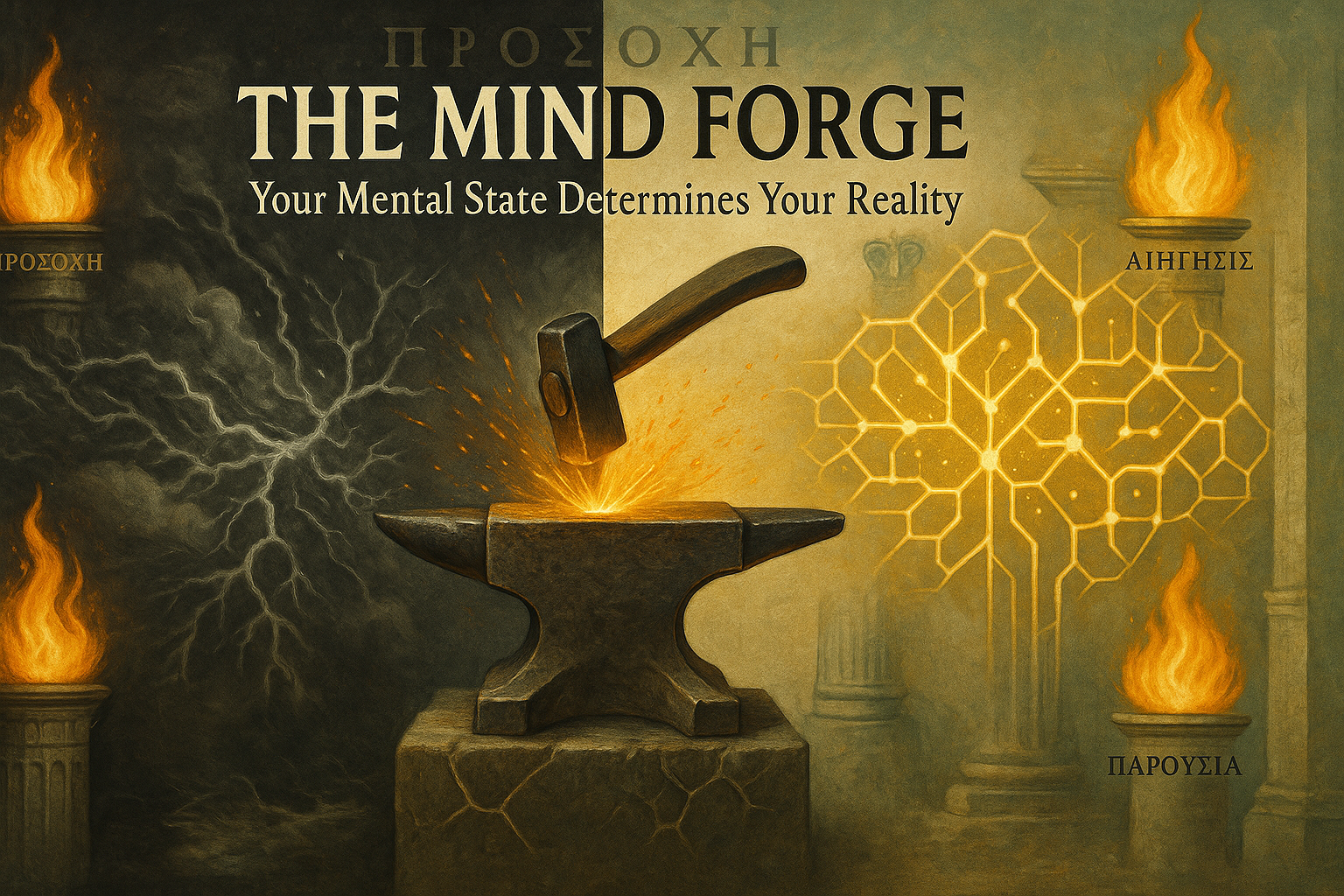
Attention to oneself; the continuous vigilant awareness of one's thoughts, judgments, and impulses that the Stoics considered foundational to philosophical practice. Prosoche is the watchful presence of mind that catches impressions before they become automatic reactions.
Etymology
From pros (toward) and echein (to hold, to have), literally “holding toward” or “turning attention toward.” Epictetus and Marcus Aurelius treated prosoche as the foundational Stoic practice: before you can govern your judgments, you must first notice them. The concept anticipates modern mindfulness but with a sharper ethical edge. Stoic prosoche is not about relaxation or acceptance but about vigilant interception of automatic reactions before they hijack your reason.
Modern Application
You cannot lead others if you remain blind to your own mental processes. Practice prosoche by creating moments of pause before decisions—notice what stories your mind is telling you and whether your reactions serve your values or merely your comfort. This self-attention is not navel-gazing; it is the reconnaissance that makes wise action possible.
How to Practice Prosoche
Set three alarms throughout your day as prosoche checkpoints. At each alarm, pause for sixty seconds and observe: what is my current mental state? What story is my mind telling me? Is my next planned action serving my values or my comfort? Keep a brief log of these observations. Over time, you will develop the capacity to catch automatic reactions before they fire. Practice during conversations by noticing your inner response before you speak. The gap between stimulus and response is where all of your leadership leverage lives. Extend this practice to your most challenging interactions. Before entering any meeting where you anticipate conflict or pressure, take thirty seconds to observe your mental and emotional state. Name what you are feeling without judging it, then choose your response deliberately. Epictetus taught that it is not events themselves that disturb us but our judgments about them. Prosoche is the practice of catching those judgments before they become automatic reactions. Review your checkpoint log weekly to identify recurring patterns in your mental states and the triggers that most reliably derail your attention.
Frequently Asked Questions
What is prosoche in Greek philosophy?
Prosoche is the Stoic practice of self-attention, the continuous vigilant awareness of your own thoughts, judgments, and impulses. Epictetus considered it foundational to philosophical practice because you cannot govern your reactions until you first learn to notice them. Marcus Aurelius practiced prosoche as part of his daily philosophical exercises, observing his own mental processes as a way of maintaining rational control over his responses as emperor.
What does prosoche mean?
Prosoche literally means "holding toward" or "turning attention toward," from pros (toward) and echein (to hold). It describes the disciplined practice of directing awareness inward to observe your mental processes before they become automatic reactions. The concept anticipates modern mindfulness but with a sharper ethical edge: Stoic prosoche is not about relaxation but about vigilant interception of automatic reactions before they hijack reason.
How do you practice prosoche?
You practice prosoche by creating regular checkpoints throughout your day to observe your mental state. Pause before decisions and conversations to notice what stories your mind is telling you. The goal is to develop the capacity to catch automatic reactions before they fire. Set three alarms throughout your day as attention checkpoints and briefly log what you observe about your mental state at each one.
What is the difference between prosoche and sophrosyne?
Prosoche is the practice of self-attention, the active observation of your own mental processes. Sophrosyne is the settled virtue of self-mastery and moderation. Prosoche is the vigilance that enables sophrosyne; you must first see your impulses clearly before you can master them. Without prosoche, you cannot develop sophrosyne because you remain blind to the very impulses that need governing.