Karteria (καρτερία): Meaning, Definition & Modern Application
kar-teh-REE-ah
The virtue of patient endurance and steadfast perseverance in the face of hardship, pain, or prolonged difficulty. Distinguished from mere courage (andreia), karteria emphasizes the capacity to bear what must be borne without yielding or complaint.
Etymology
From karteros, meaning “strong,” “steadfast,” or “enduring.” Related to kratos (power, strength). Socrates was celebrated for his karteria during military campaigns, standing barefoot in snow while others bundled in cloaks. The Stoics elevated the concept to a core virtue, distinguishing it from andreia (active courage) by emphasizing the capacity to withstand over the capacity to charge forward. Karteria is the strength of the wall, not the sword.
Modern Application
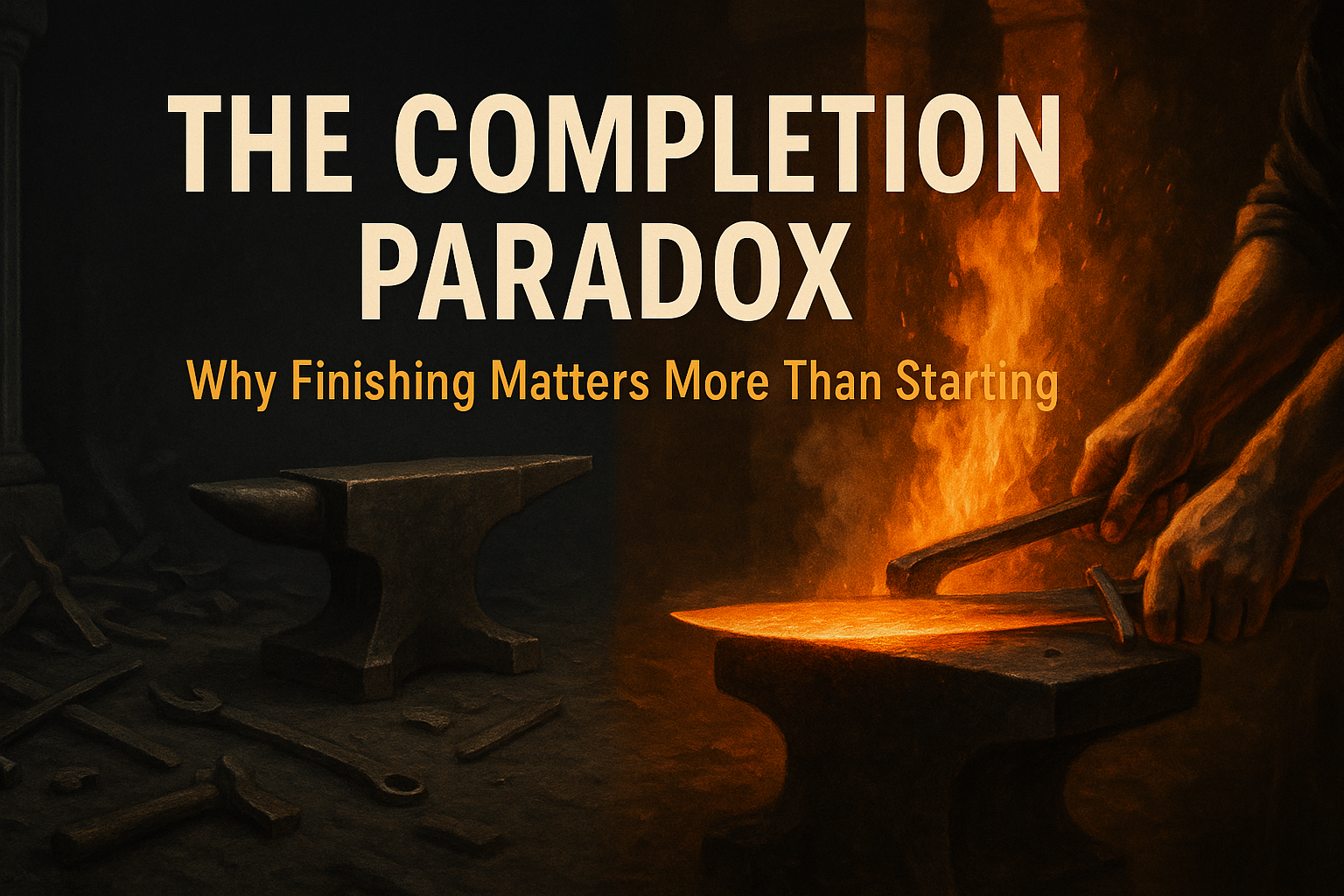
When your leadership journey stretches into months or years of uncertain progress, karteria is what keeps you steady. You cultivate this virtue not through dramatic moments of bravery, but through your daily refusal to abandon your purpose when results are slow and recognition absent. Practice holding your position when everything in you wants to quit—this patient endurance builds the foundation for lasting achievement.
How to Practice Karteria
Identify the long-term commitment in your life where progress feels slowest and most uncertain. This is your karteria training ground. Set a minimum daily action for this commitment that is small enough to sustain on your worst day: one page written, one conversation had, one practice completed. Track your streak. When the urge to abandon arrives, sit with it for twenty-four hours before making any decision. Notice that the urge passes. Build endurance the same way you build physical stamina: through progressive exposure to sustained effort, not through dramatic single performances. Study the story of Socrates standing barefoot in snow during military campaigns while others bundled in cloaks. His karteria was not dramatic heroism but quiet, sustained refusal to yield to discomfort. Apply this principle by choosing one area of prolonged difficulty in your professional life and committing to a minimum viable effort every single day for ninety days. At the end, review how your relationship with sustained difficulty has changed.
Frequently Asked Questions
What is karteria in Greek philosophy?
Karteria is the Greek virtue of patient endurance and steadfast perseverance in the face of prolonged difficulty. The Stoics distinguished it from active courage (andreia), emphasizing the capacity to bear hardship without yielding or complaint over extended periods. Socrates was celebrated for his karteria during military campaigns, standing barefoot in freezing conditions while his fellow soldiers marveled at his composure.
What does karteria mean?
Karteria means steadfast endurance or patient strength, from karteros (strong, enduring). The word is related to kratos (power, strength), reflecting the Greek understanding that endurance is itself a form of power. It describes the capacity to hold your ground through prolonged difficulty, maintaining your commitment when results are slow and recognition absent.
How do you practice karteria?
You practice karteria by maintaining minimum daily actions on your most important long-term commitments, especially when motivation fades. When the urge to quit arrives, sit with it for twenty-four hours before making any decision. Build endurance through progressive, sustained effort rather than dramatic bursts. Track your streak of consecutive days and let the growing number itself become a source of quiet motivation to continue.
What is the difference between karteria and andreia?
Andreia is active courage, the willingness to face danger and take decisive action. Karteria is patient endurance, the capacity to bear prolonged difficulty without yielding. Andreia charges into the storm; karteria stands firm while the storm rages around you for months. Most leadership challenges require more karteria than andreia, because the difficulty usually lies in sustaining effort over long periods rather than making a single bold move.