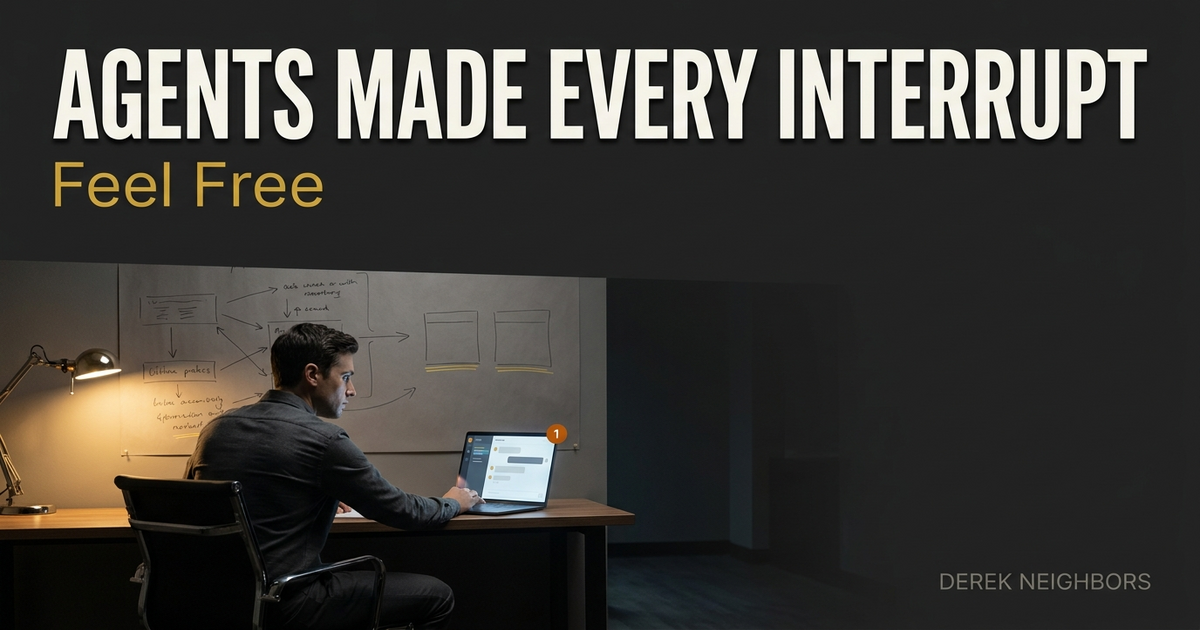
Agents Made Every Interrupt Feel Free
A customer Slack used to get parked. Now it becomes a branch before lunch because starting looks free. Generation hid the bill. The rest of the cost still lands. This is a hypothesis. I want the argument.
Browse all articles in the Tech category. Here you'll find insights, tips, and exploration of topics related to tech.
Explore diverse perspectives on tech through practical advice, thought-provoking analysis, and real-world examples.
A customer Slack used to get parked. Now it becomes a branch before lunch because starting looks free. Generation hid the bill. The rest of the cost still lands. This is a hypothesis. I want the argument.
A ticket used to be the whole job: receive the ask, type the code, argue that you matched it. Cheap code ends that identity before lunch. What remains is deciding whether the thing should exist.
Working with organizations on AI adoption feels like deja vu. The same resistance patterns I saw during the waterfall-to-agile transformation. What made agile successful wasn't better processes, it was establishing clear values. AI transformation needs the same thing.
Culture doesn't just eat strategy for breakfast. Culture will devour your AI transformation, shit out the bones, and ask for seconds.
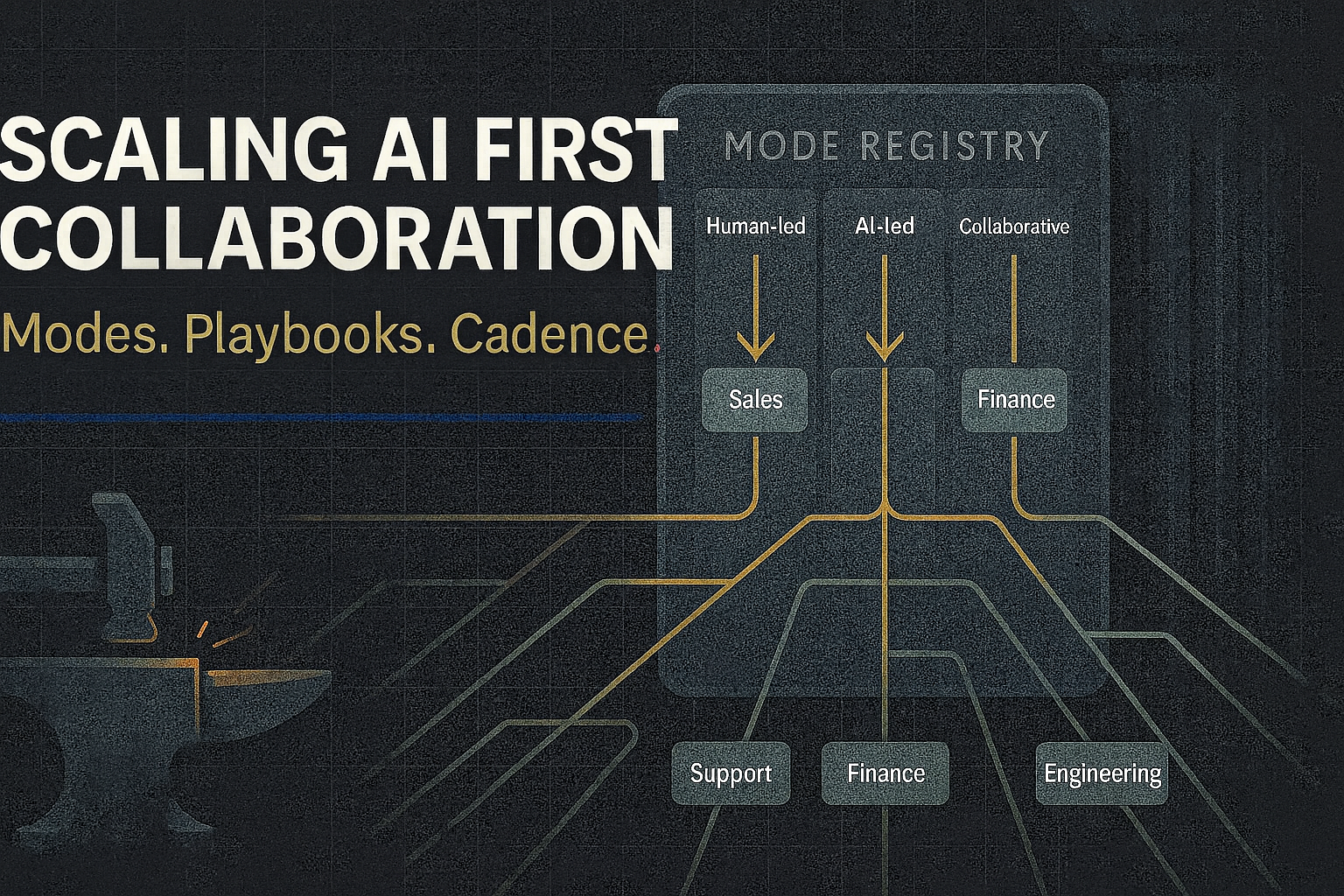
Scaling AI First isn't 'more tools for more teams.' It's mode discipline, runnable playbooks, and iteration systems that make capability compound across functions.
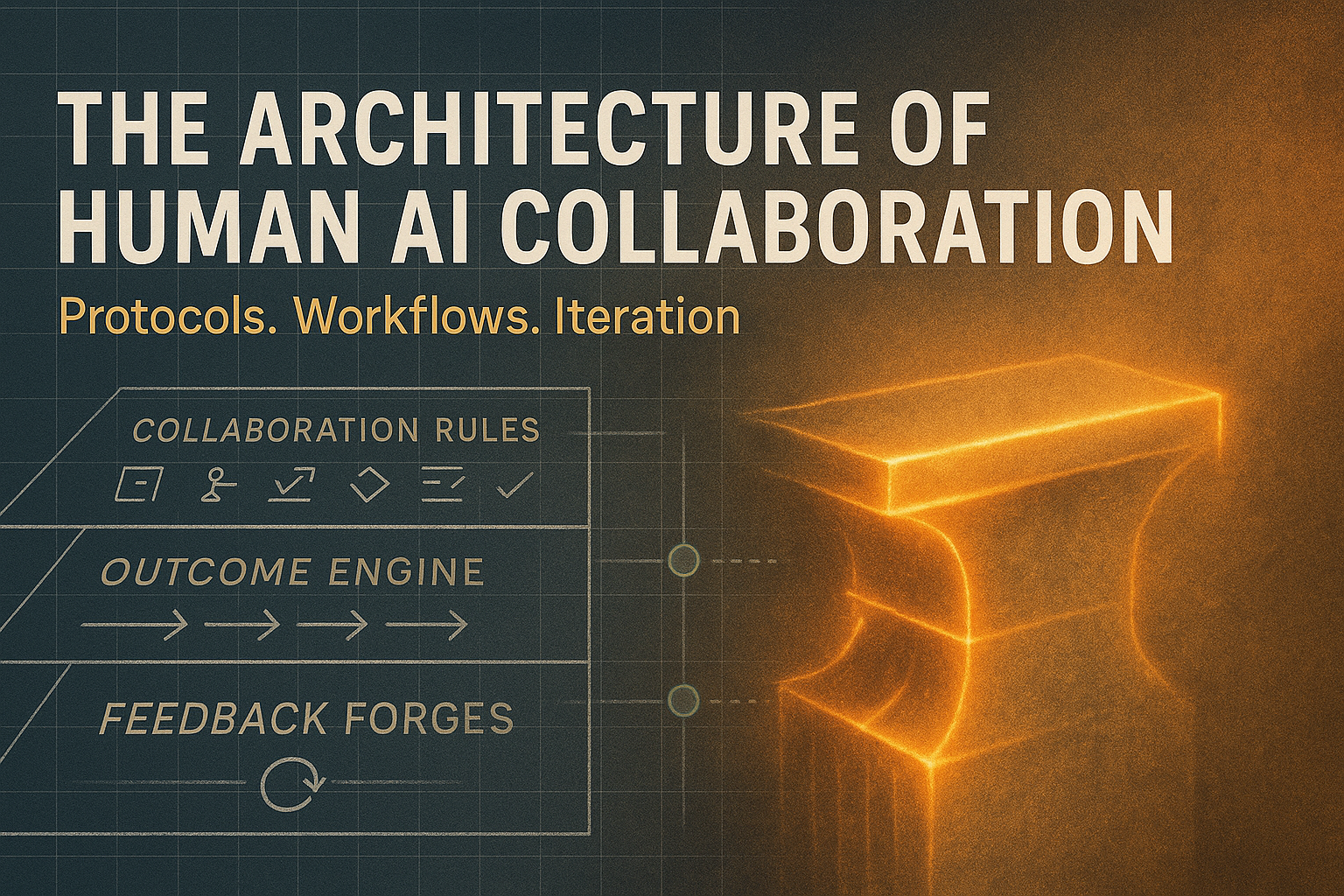
Most leaders add AI tools to human workflows. The breakthrough is designing collaboration architecture where human judgment and AI capability compound each other from the ground up.
The real AI revolution isn't about the technology. It's about who you become when you stop fighting it and start forging yourself in its fire.
The fundamental mindset architecture that separates AI leaders from AI laggards. Three core shifts with practical implementation frameworks grounded in ancient wisdom.
When smart engineers choose the safety of understanding over the risk of adaptation, they're not avoiding debt, they're accumulating it. The compound cost of caution might be the riskiest strategy of all.
Most people consume information like they eat at a buffet, grabbing everything that looks appealing without considering nutrition or purpose. Then they wonder why their thinking is sluggish and their decisions are poor. Greatness requires intentional information architecture.
The future belongs to leaders who can build teams that don't just use AI tools, but think AI-first. This requires a fundamental transformation in how we hire, develop, and structure technical teams.
Just as literacy transformed society, AI fluency is becoming the fundamental skill that separates those who thrive from those who struggle in the modern workplace. It's not about coding, it's about thinking.
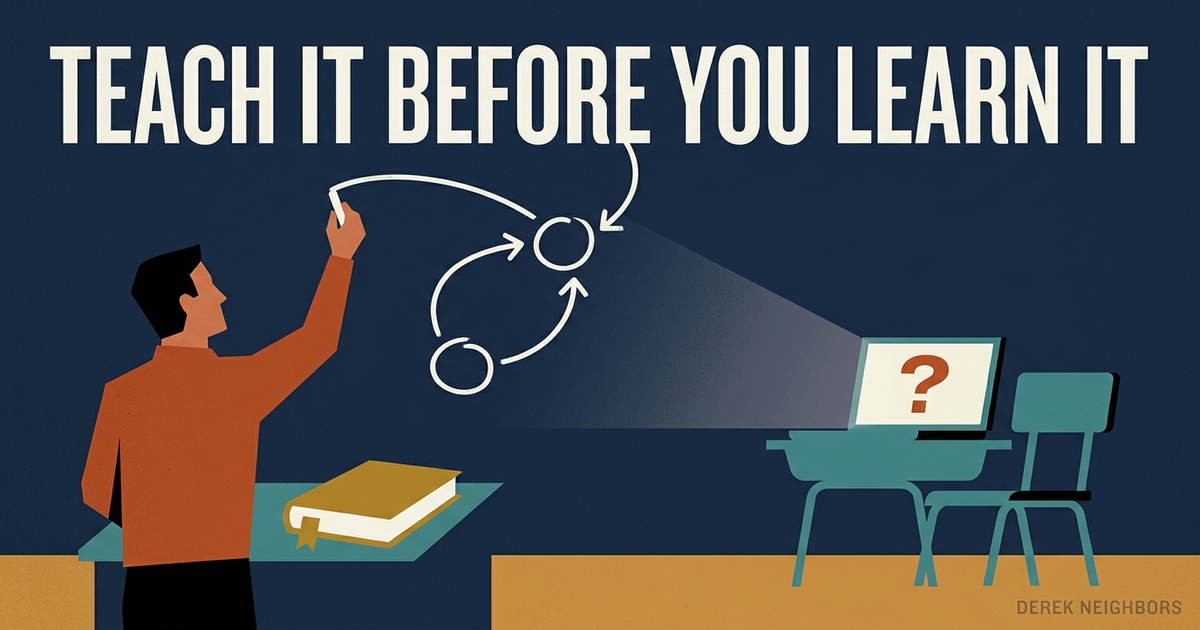
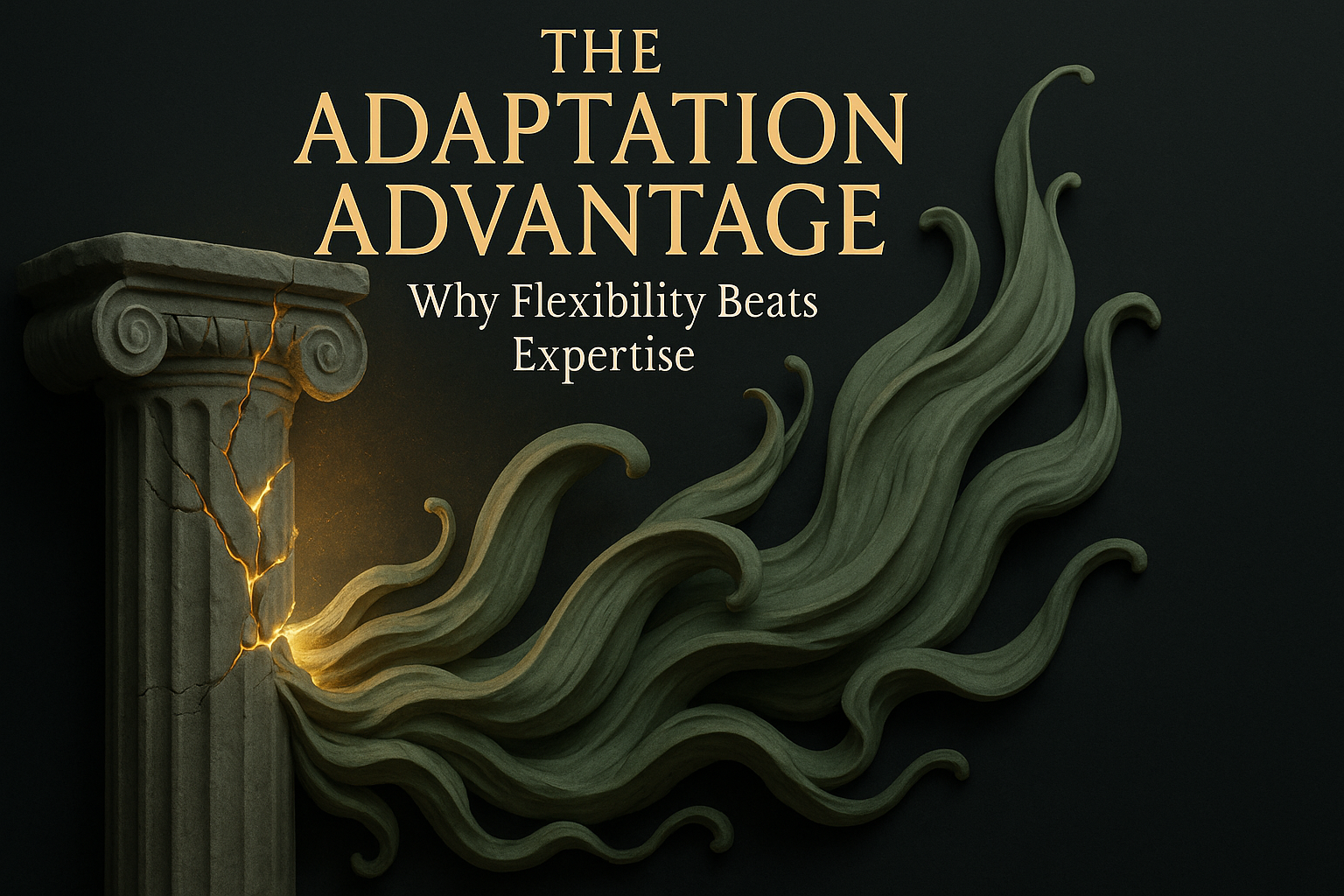
In the AI age, your expertise might be your biggest liability. Here's why flexibility beats depth, and how to build your adaptation advantage before it's too late.
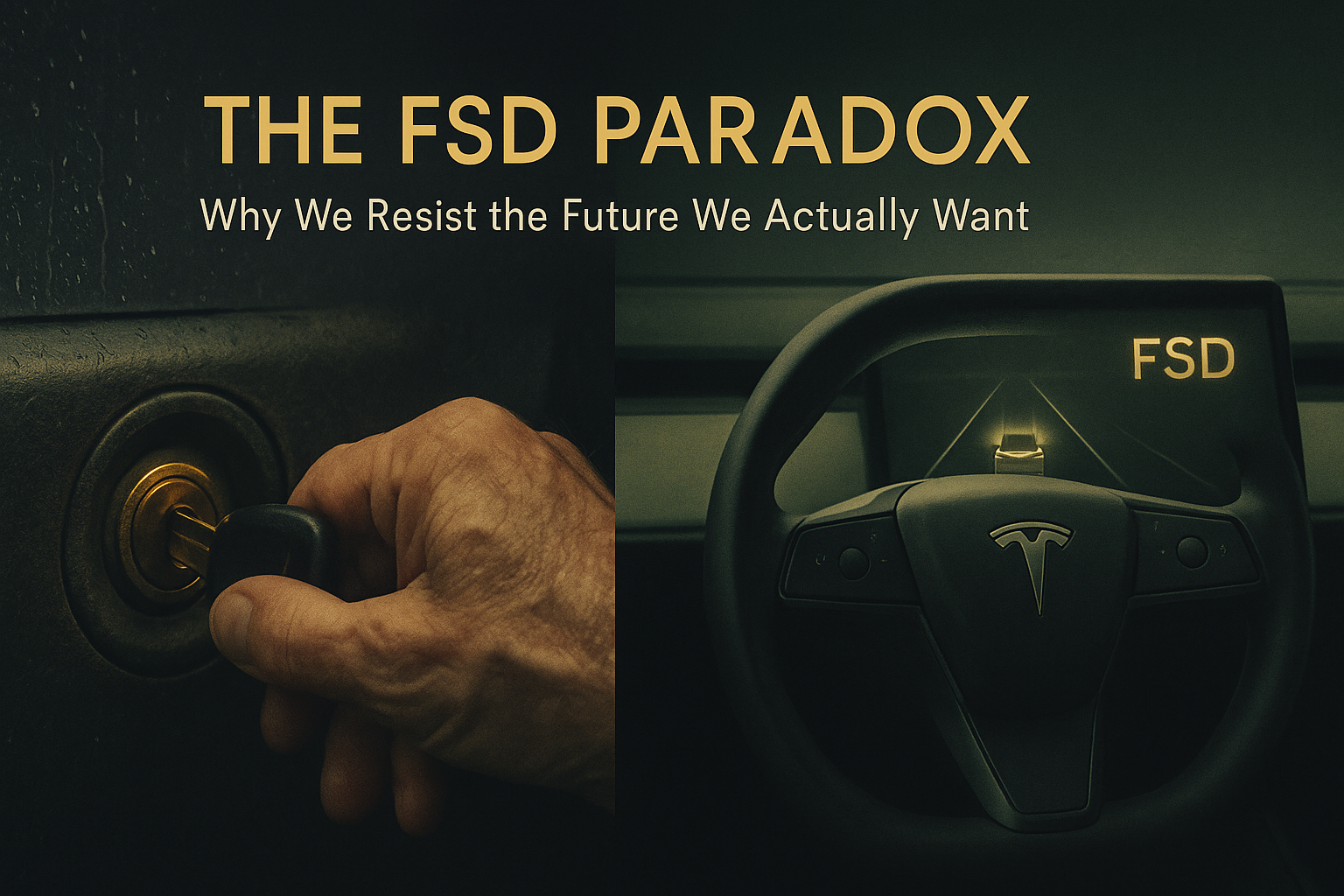
I'm a motorsports enthusiast who loves manual transmissions. So why do I hate driving rental cars now? The rental car experience taught me something uncomfortable about human nature, and why we resist the very technologies that would improve our lives.
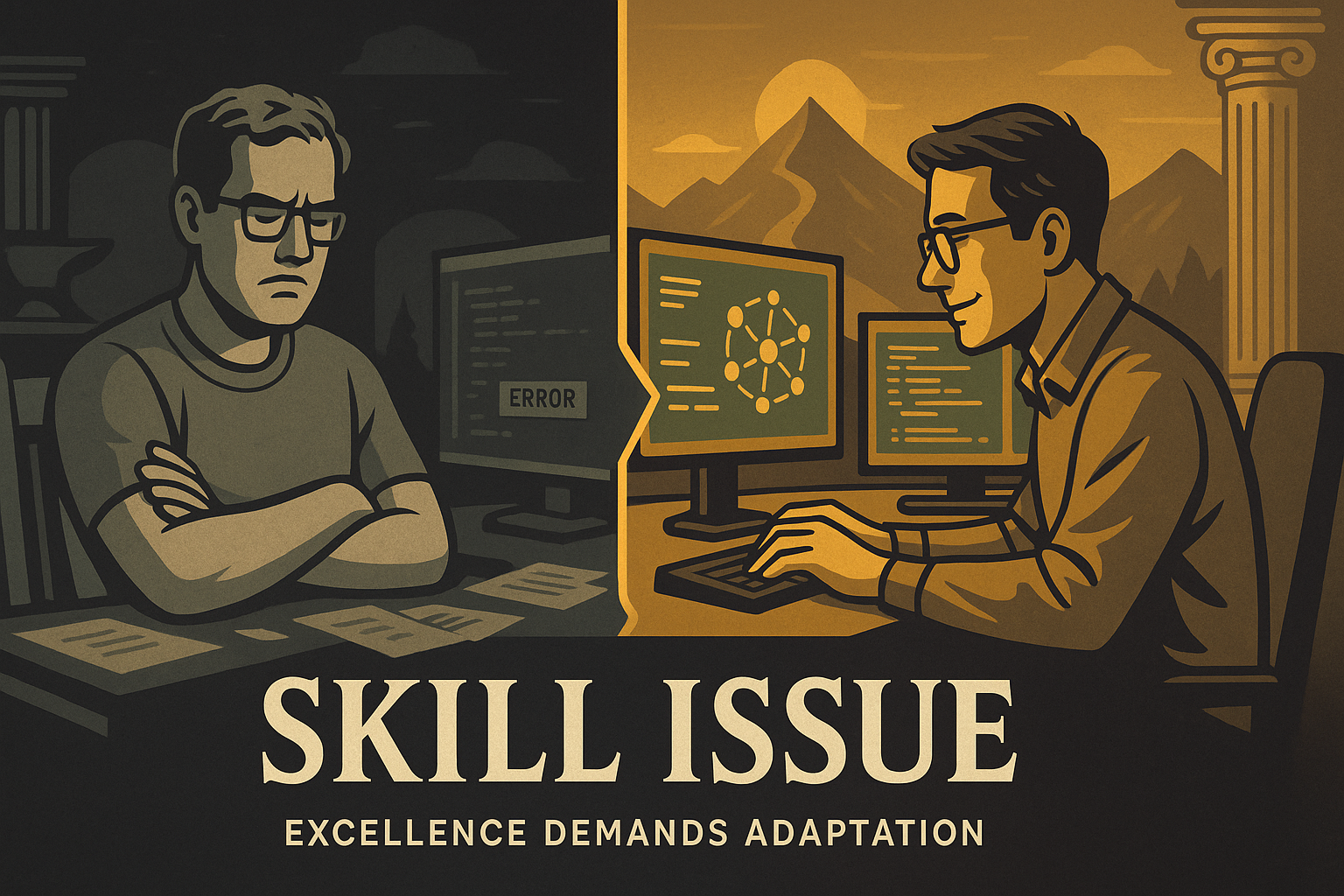
When you see others achieving 4-minute miles with new tools while you're stuck at 8 minutes making excuses, you don't have a tool problem, you have a skill issue.
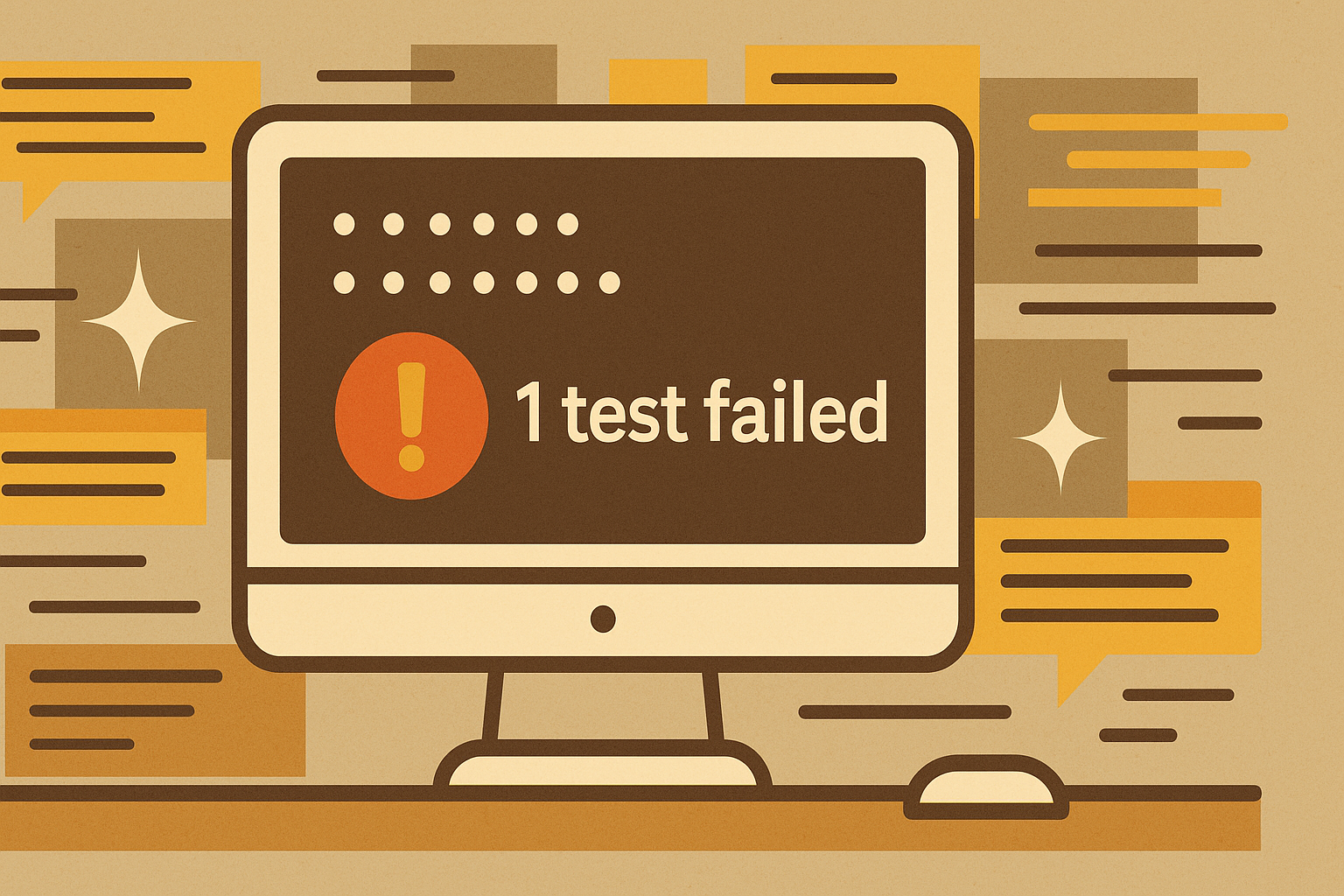
Clean test output isn't just about aesthetics, it's about developer productivity, debugging efficiency, and maintaining code quality. When your test suite runs quietly and only speaks up when something's wrong, you can focus on what matters: building great software.
Everyone's racing to build Model Context Protocols, but they're solving the wrong problem. You're not building for operators—you're building for agents that interpret, decide, and act.
You're in the file. You see the broken code. If you walk past it without fixing it, you're not just part of the problem, you are the problem.
Your test looks fine. The records match. But sometimes it passes, sometimes it fails. Uncover the hidden gotchas of comparing ActiveRecord Relations in Rails tests.
AI isn't a code monkey. Treat it like a thinking partner, not a servant. Here's how to navigate AI-assisted development without micromanaging.
Discover how AI-driven, adaptive learning is reshaping education. Parents no longer have to wait for change—they can take charge today.
Tech debt isn't just about cleanup—it's about discipline. If a team is still making the same mistakes, they're not solving the problem, just hitting reset.
Cleaning up old messes is meaningless if you're still making new ones. The best teams don't ask for permission to fix tech debt—they stop creating it in the first place.
The biggest AI problem right now? A lack of imagination. The chatbot era was training wheels—it's time to take them off. If AI isn't rewiring how you think, you're not using it enough.
Most developers spend years learning these lessons the hard way. You don't have to. Master these principles now and take control of your dev career.
AI isn't coming. It's here. The teams that master AI-native development now will define the future of product delivery. Learn how to navigate this shift and accelerate your team.
Struggling with imposter syndrome as a new software engineer? Learn why you're more ready than you think, and how to build confidence through action and learning.
Dive into the world of private class methods in Ruby. Understand their purpose, implementation, and when they're the right choice for your code.
Struggling to decide between concerns and service objects in Rails? This guide dives into the pros and cons of each approach, helping you choose the right tool for clean, scalable, and testable code.
Discover how ChatGPT is changing the landscape of education and tutoring, while understanding the unique value that human tutors bring to the learning experience.
As ChatGPT reshapes the digital landscape, learn how to evolve your SEO and marketing strategies to stay ahead of the curve and maintain your competitive edge.
Master the art of legacy code refactoring with a practical five-step approach that helps you modernize your codebase while maintaining stability and reliability.
Product managers need to be proficient in three key areas: technical skills, data analysis, and empathy for customers. Neglecting any one of these areas can lead to difficulties in successfully managing a product. However, a well-rounded product manager who excels in all three areas can drive success by delivering innovative products that meet customer needs, are technically sound, and supported by data-driven decision-making.
Discover practical solutions for maintaining a balanced schedule by effectively syncing your work and personal calendars.
Discover how to recognize and fix common code smells, making your code more maintainable, efficient, and easier to understand.
Explore the advantages and challenges of both live and recorded product demos, and learn when to use each approach effectively.
MailChimp knocked it out of the park with stunning Christmas gift.
The future we want has to be created by us. Creating the Arizona we want.
Looking to build your connectivity on Linked In? Increase your followers on Twitter or Friends on Facebook? Chances are you already communicate with a lot of people via e-mail, but you haven't taken the time to connect with them elsewhere.
If you read a lot of digital content, you should share a lot. The problem is that you probably read in spurts. If you shared in spurts, you would probably annoy your friends. Buffer helps fix that problem.
Clay Shirky enlightens us in Cognitive Surplus that, the organization of sharing has many forms and that those forms have varying output values. He gives us a way we can identify four essential points on the spectrum
Sometimes when Getting Things Done, you need a little more power in your inbox than the default. Boomerang for GMail is the extra horsepower you need.
Going to cross-functional teams for product delivery is always interesting, but DevOps seems to be particularly loaded in it's meaning. How to tell if your DevOps relationship is failing you?
Talking to science educators about collaboration. How can we better organize and enact polity that leads to greater innovation.
Be the best parent you can. Prepare your children for the future.
In a blog post, Mark Turner has responded to the claim that Ruby is just a bunch of tools by stating that it is actually about making developers happy. I believe that the Ruby community is too focused on creating tools and lacks creativity and true innovation. Regional Ruby events have become more about showcasing tools and less about sharing cutting-edge ideas.
I have always liked Unix because of it's mentality that lots of small tools chained together could be more than an opaque larger tool. In this instance. I mean Rubyists are a bunch of Tools not of the useful kind. Maybe Zed is right an Rails is a Ghetto.
If you are listening. A lot of people are talking about a "new norm", a "reset" or a "shift". Largely this discussion is around economics and growing concerns of debt. In reality it is about a lot more than that.
Why do we keep doing 1950 economic development? Capital first, then innovation and then people. Yet, companies wanting to be here say that it's lack of skilled people that keeps them out. What are we doing to invest in people? Keep and attract the best and brightest?
Desert Code Camp has opened it's call for suggestions. This is a great FREE event that brings together technologists of all kinds together at a single location to learn (while feeding them breakfast and lunch) new technologies, improve on existing technology or share your favorite technology. There has been a good dynamic languages track in addition to a strong Microsoft track. There has been a track for kids (Gangplank Jr) and even sessions on sales or running a business.
I see a lot of new technology. Not very often am I impressed. Microsoft has a winner on their hands with Kinect. I completely ignored it at launch. Gangplank even had Kinect setup at the Chandler Block Party with tons of kids playing it. It looked stupid to me. The Wii had already won my heart.