Pursuing Excellence in Leadership & Life

Exploring arete (excellence) and eudaimonia (flourishing), ancient Greek wisdom for modern leadership, technology innovation, and intentional personal development.

Building Excellence Through Experience

30+ years as a serial entrepreneur, technology leader, and community builder

5+
Companies Founded
Serial entrepreneur building innovative products
100+
Teams Led
High-performing engineering and product teams
30+
Years Experience
Technology leadership and angel investing

The Philosophy of Arete & Eudaimonia

Arete (ἀρετή) represents excellence, not perfection, but the continuous pursuit of being your best self. Eudaimonia (εὐδαιμονία) is the flourishing life that results from this pursuit. Together, they form a philosophy of intentional growth, authentic leadership, and meaningful contribution.

Arete: Excellence as Practice

Excellence comes from consistent effort, learning from failure, and continuous improvement. It's about becoming who you're capable of being, not achieving perfection.

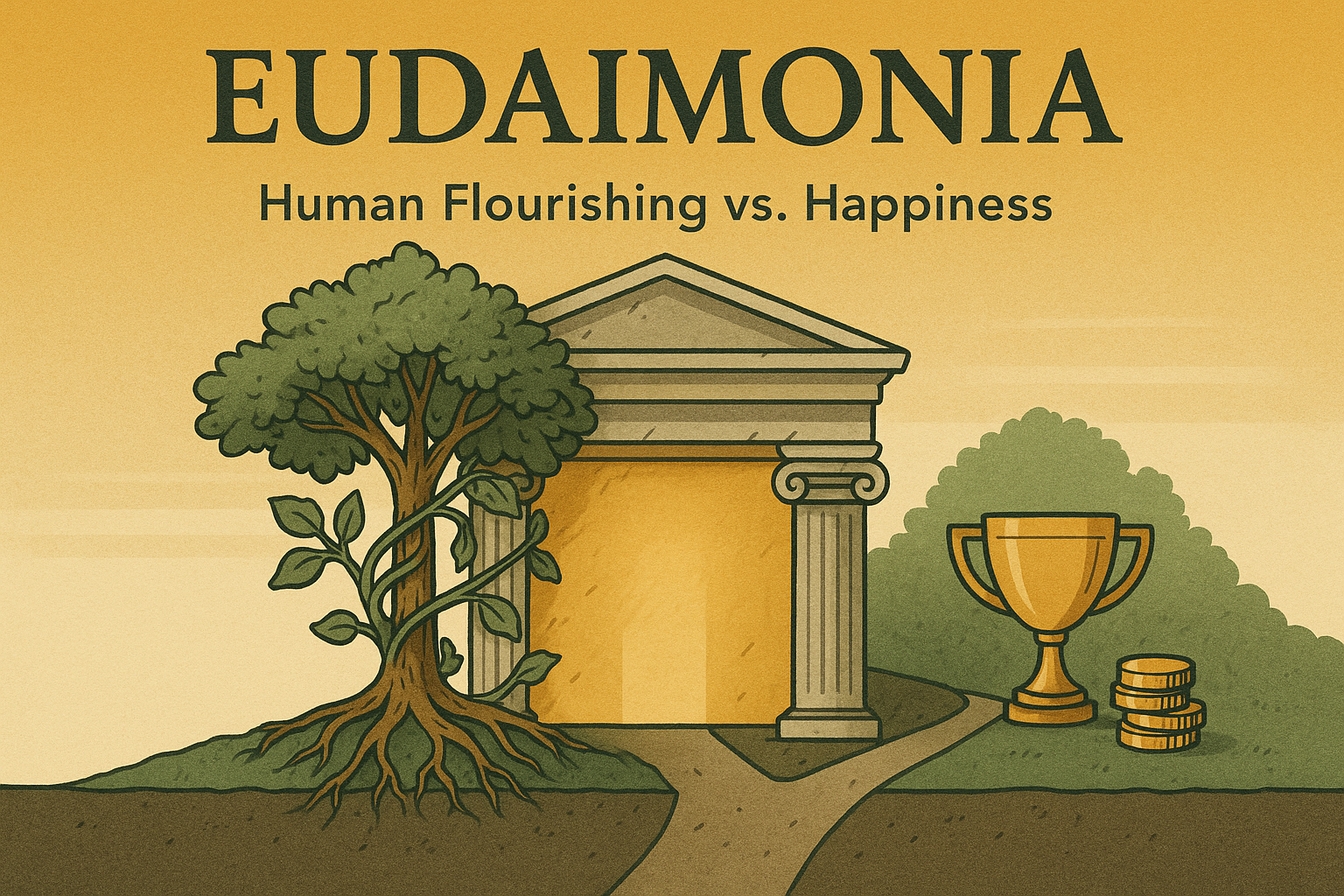
Eudaimonia: The Flourishing Life

True fulfillment comes not from pleasure or success, but from living according to your highest values and contributing meaningfully to something greater than yourself.

Featured Insights

Practical wisdom for leaders, entrepreneurs, and anyone pursuing excellence

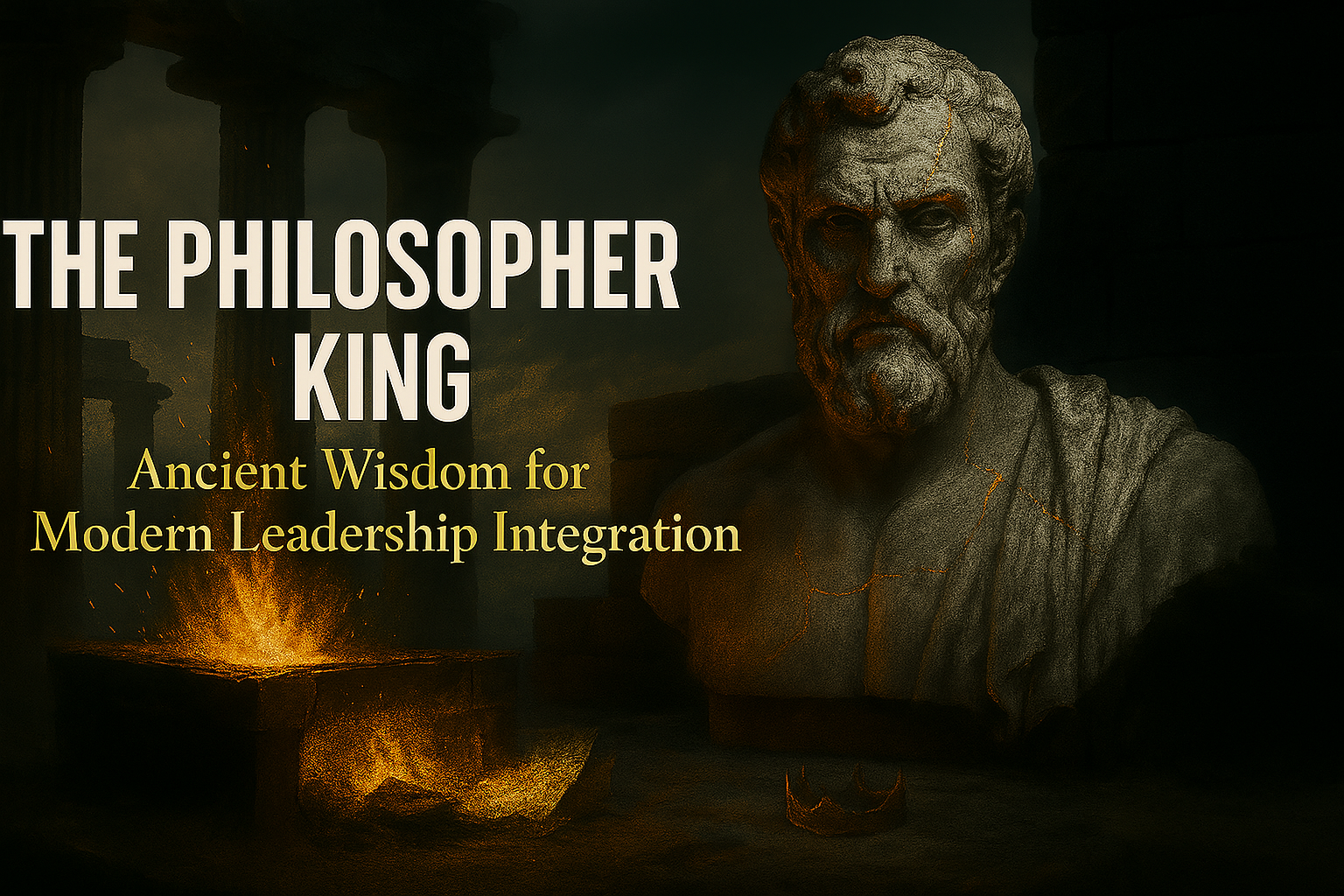
The Philosopher King: Ancient Wisdom for Modern Leadership Integration

The Philosopher King: Ancient Wisdom for Modern Leadership Integration

Plato's most radical leadership idea wasn't about power or position, it was about character. The philosopher king represents the ultimate integration of wisdom, excellence, courage, and transformation. Here's how to stop managing systems and start transforming people.
Leadership Growth
Creating Environments for Excellence: The SPACE Model

Creating Environments for Excellence: The SPACE Model

Excellence isn't just about individual character, it's about creating environments where excellence becomes natural, inevitable, and sustainable for everyone. Here's how leaders architect the conditions for human flourishing.

Leadership Excellence
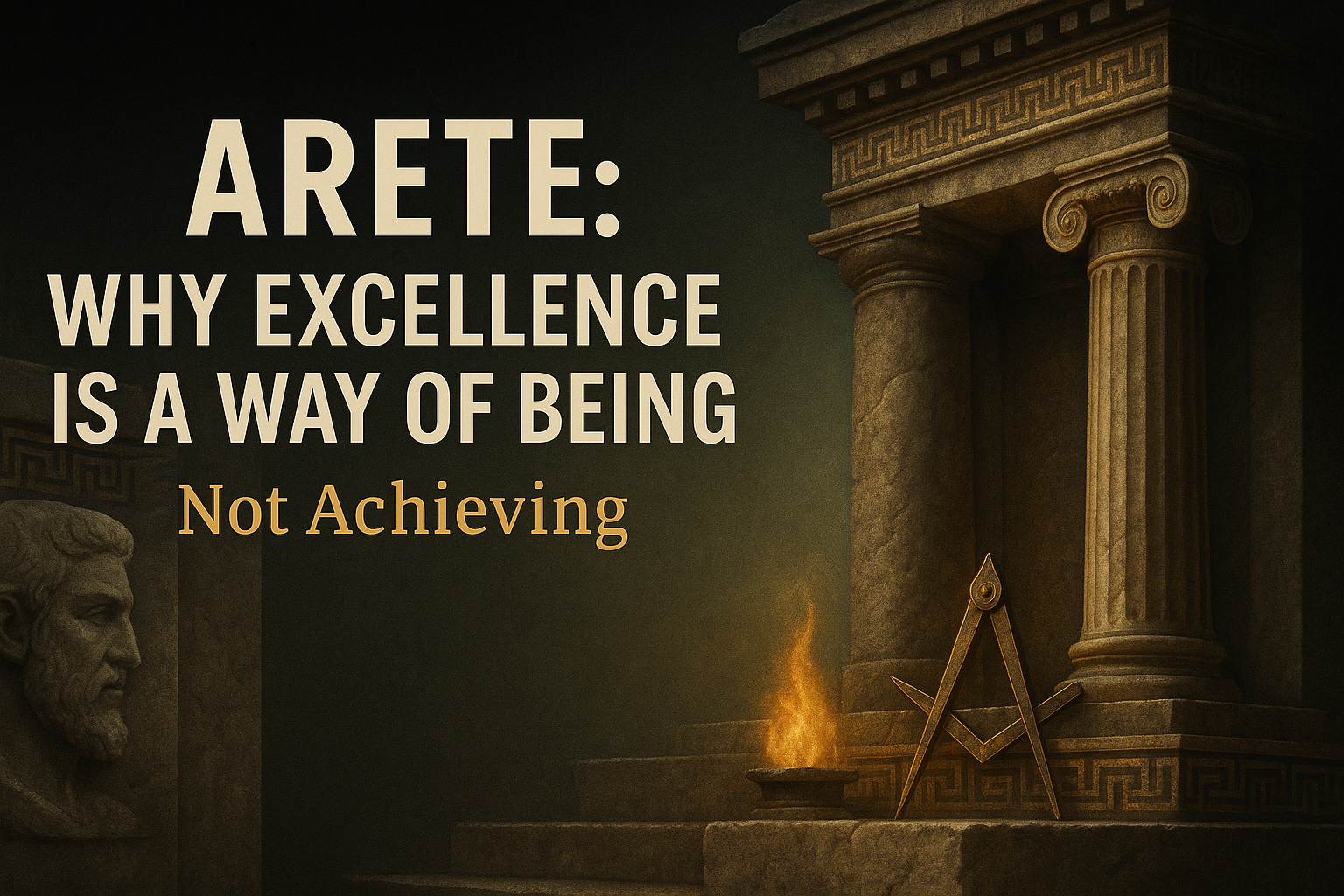
Arete: Why Excellence is a Way of Being, Not Achieving

Arete: Why Excellence is a Way of Being, Not Achieving

The Greeks understood something we've forgotten: excellence isn't something you achieve, it's something you become. This fundamental shift changes everything about how you approach work, leadership, and life.

Philosophy Leadership

Tools for Excellence

Practical resources to help you pursue arete in your leadership and life

MasteryLab

Transform who you are, not just what you achieve. Systematic development of the four dimensions of arete through AI-enhanced reflection, peer accountability, and philosophical practice.

Begin Your Journey

Excellence Community

Join our Discord community for daily arete audits, peer accountability, and weekly challenges. Practice excellence together.

Join Community

Leadership Consulting

Work directly with me to build excellent teams, develop leadership capabilities, and create high-performing organizations.

Get in Touch

Join the Excellence Journey

Get weekly insights on leadership, personal development, and the pursuit of arete. No spam, just practical wisdom for your journey toward excellence.

Join 1,000+ leaders pursuing excellence

Latest Thoughts

Recent insights on leadership, technology, and personal growth

Mastery

Going Full-Time Can Kill the Part of the Work You Loved

In the early months you did the work for nothing and tried strange things just to see what happened. Then it became the job, and every hour had to pay. Aristotle split activity into two kinds: the kind that is complete while you do it, and the kind that only counts when it is finished. A paycheck moves your whole craft into the second kind. The research on expected rewards says what happens next, and the fix is a part of the work that nobody pays for.

Going Full-Time Can Kill the Part of the Work You Loved
Forge Philosophy

Your Pleasures Are Too Small, So You Keep Scrolling

We treat the phone at midnight as a problem of wanting too much. Aristippus, the student of Socrates who argued with Diogenes over a bowl of lentils, would call it the opposite. Most of us settle for pleasures so small we can't put them down. The bigger ones, like freedom, ease with anyone, and hard things done well, cost something up front, and that is why so few people go after them.

Your Pleasures Are Too Small, So You Keep Scrolling
Leadership

Hand Off the Work at 85 Percent and Let Them Finish It

Leaders who want their people to grow usually hand them a blank page, then rewrite whatever comes back. Or they hand over a finished plan and wonder why nobody owns it. The better handoff sounds wrong at first: do most of the work yourself, show your reasoning, and leave the last 15 percent, the part with the real decisions, for them to finish. Then lower the number every time.

Hand Off the Work at 85 Percent and Let Them Finish It
Forge

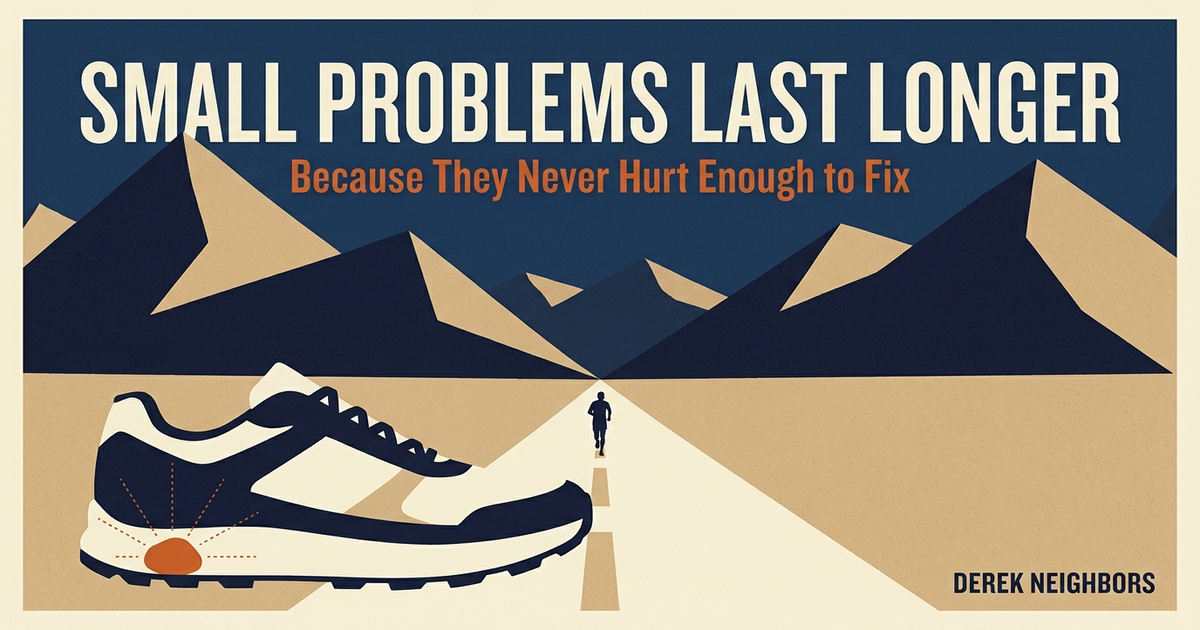
Small Problems Last Longer Because They Never Hurt Enough to Fix

An outage gets fixed in a day. A check that fails one run in ten can live for two years. Psychologists call it the region-beta paradox: pain decides what gets fixed, and small problems never hurt enough. For years the excuse was that fixing them cost more than living with them. Agents took most of that cost away.

Small Problems Last Longer Because They Never Hurt Enough to Fix
Mastery

Write Your Answer Before You Ask the AI

In a 2026 study, 240 teachers in training got advice from an AI that was set up to be wrong half the time. The ones who wrote their own answer before reading the AI got the hard cases right 54 percent of the time. The ones who asked first got 37 percent and copied the bad advice almost twice as often. Keep the model in every decision. Change what happens in the first five minutes.

Write Your Answer Before You Ask the AI