Pursuing Excellence in Leadership & Life

Exploring arete (excellence) and eudaimonia (flourishing), ancient Greek wisdom for modern leadership, technology innovation, and intentional personal development.

Building Excellence Through Experience

30+ years as a serial entrepreneur, technology leader, and community builder

5+
Companies Founded
Serial entrepreneur building innovative products
100+
Teams Led
High-performing engineering and product teams
30+
Years Experience
Technology leadership and angel investing

The Philosophy of Arete & Eudaimonia

Arete (ἀρετή) represents excellence, not perfection, but the continuous pursuit of being your best self. Eudaimonia (εὐδαιμονία) is the flourishing life that results from this pursuit. Together, they form a philosophy of intentional growth, authentic leadership, and meaningful contribution.

Arete: Excellence as Practice

Excellence comes from consistent effort, learning from failure, and continuous improvement. It's about becoming who you're capable of being, not achieving perfection.

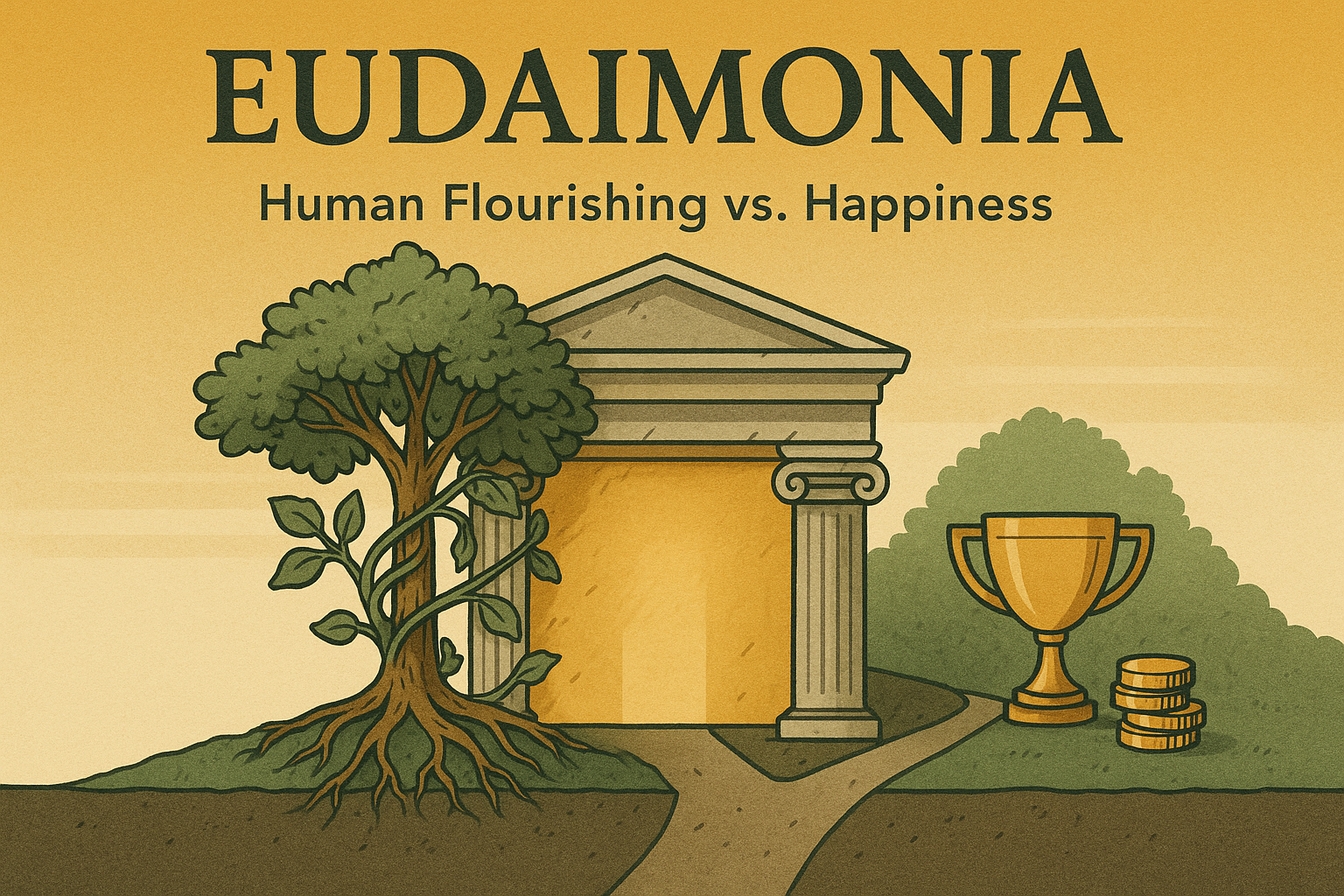
Eudaimonia: The Flourishing Life

True fulfillment comes not from pleasure or success, but from living according to your highest values and contributing meaningfully to something greater than yourself.

Featured Insights

Practical wisdom for leaders, entrepreneurs, and anyone pursuing excellence

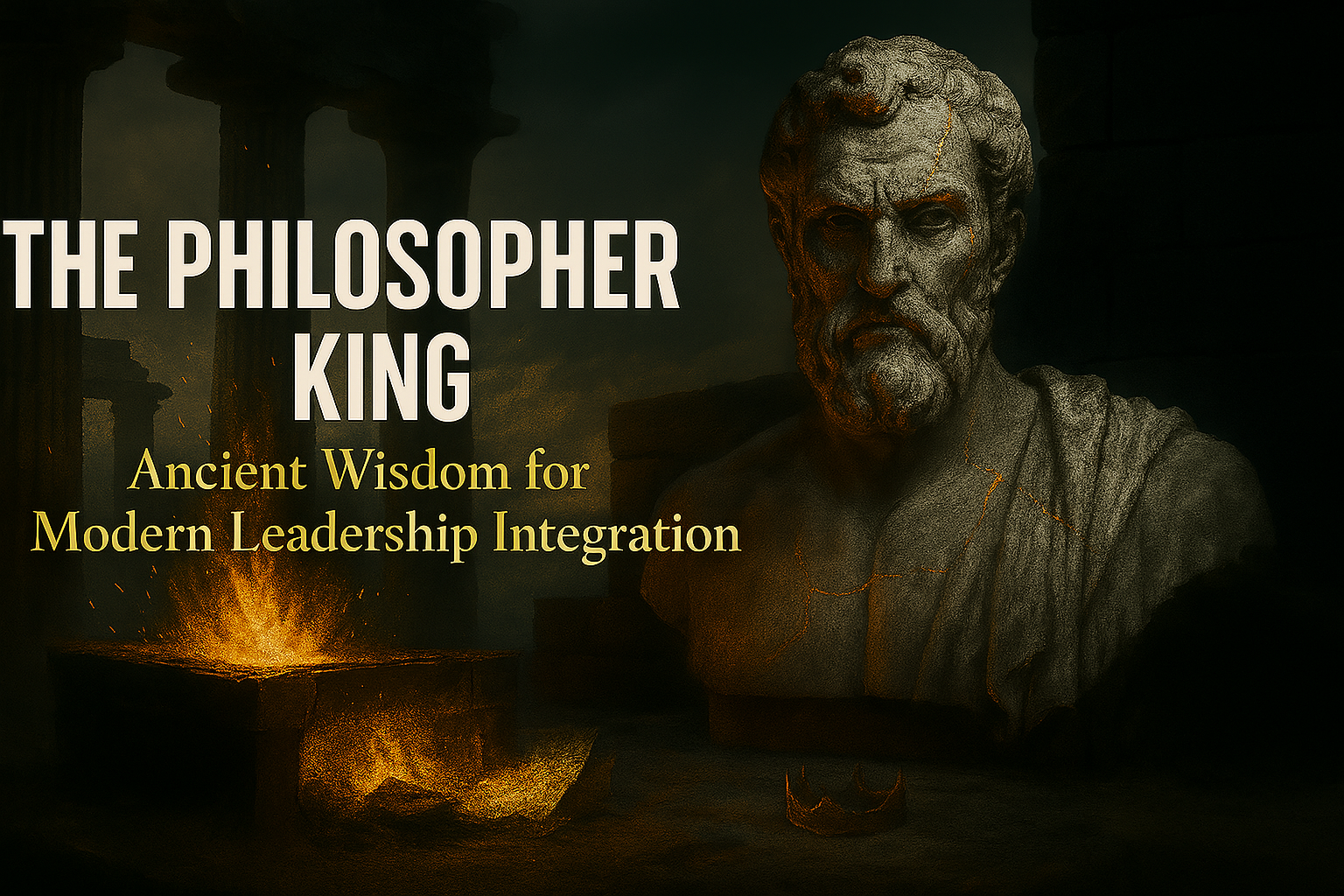
The Philosopher King: Ancient Wisdom for Modern Leadership Integration

The Philosopher King: Ancient Wisdom for Modern Leadership Integration

Plato's most radical leadership idea wasn't about power or position, it was about character. The philosopher king represents the ultimate integration of wisdom, excellence, courage, and transformation. Here's how to stop managing systems and start transforming people.
Leadership Growth
Creating Environments for Excellence: The SPACE Model

Creating Environments for Excellence: The SPACE Model

Excellence isn't just about individual character, it's about creating environments where excellence becomes natural, inevitable, and sustainable for everyone. Here's how leaders architect the conditions for human flourishing.

Leadership Excellence
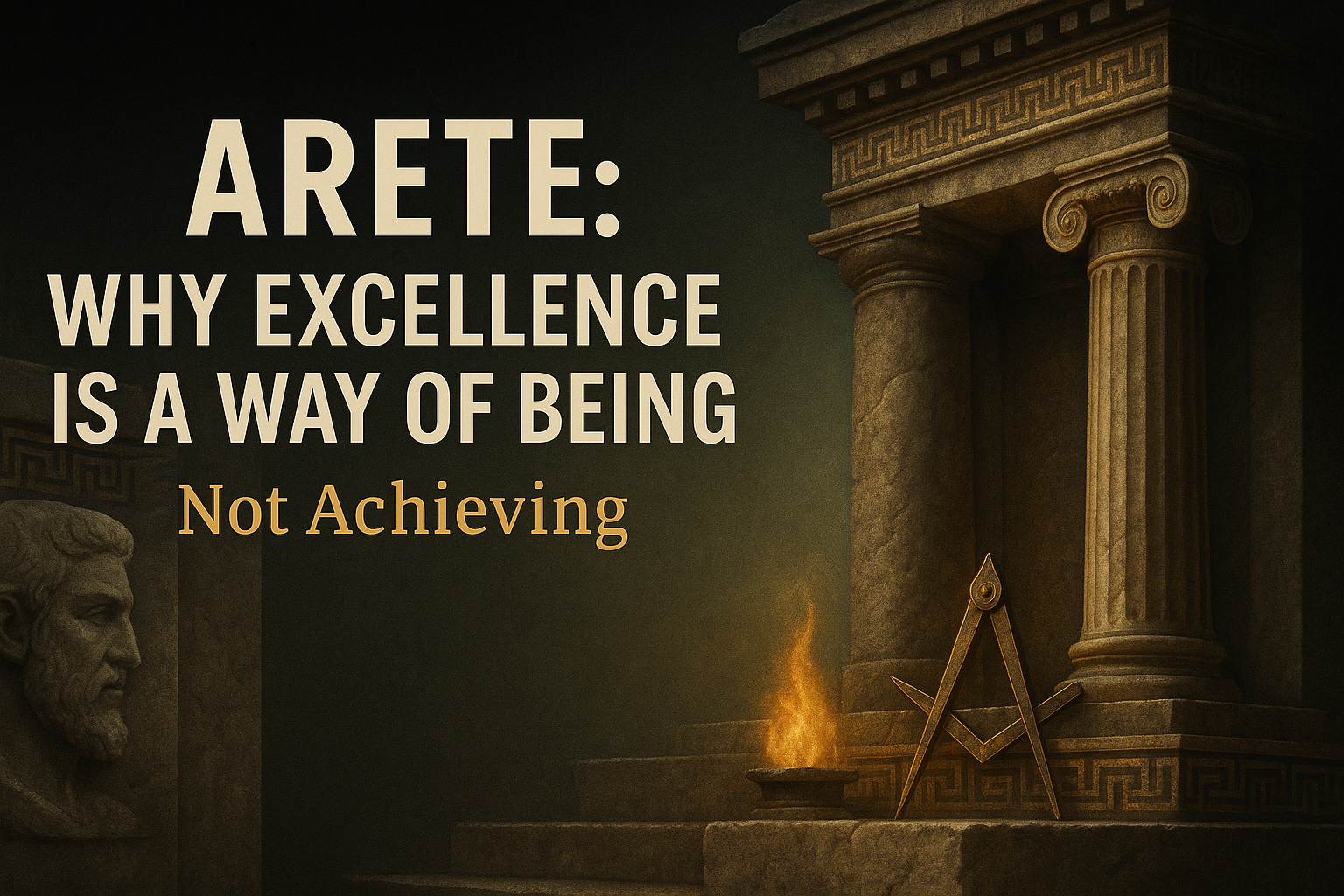
Arete: Why Excellence is a Way of Being, Not Achieving

Arete: Why Excellence is a Way of Being, Not Achieving

The Greeks understood something we've forgotten: excellence isn't something you achieve, it's something you become. This fundamental shift changes everything about how you approach work, leadership, and life.

Philosophy Leadership

Tools for Excellence

Practical resources to help you pursue arete in your leadership and life

MasteryLab

Transform who you are, not just what you achieve. Systematic development of the four dimensions of arete through AI-enhanced reflection, peer accountability, and philosophical practice.

Begin Your Journey

Excellence Community

Join our Discord community for daily arete audits, peer accountability, and weekly challenges. Practice excellence together.

Join Community

Leadership Consulting

Work directly with me to build excellent teams, develop leadership capabilities, and create high-performing organizations.

Get in Touch

Join the Excellence Journey

Get weekly insights on leadership, personal development, and the pursuit of arete. No spam, just practical wisdom for your journey toward excellence.

Join 1,000+ leaders pursuing excellence

Latest Thoughts

Recent insights on leadership, technology, and personal growth

Mastery Craft

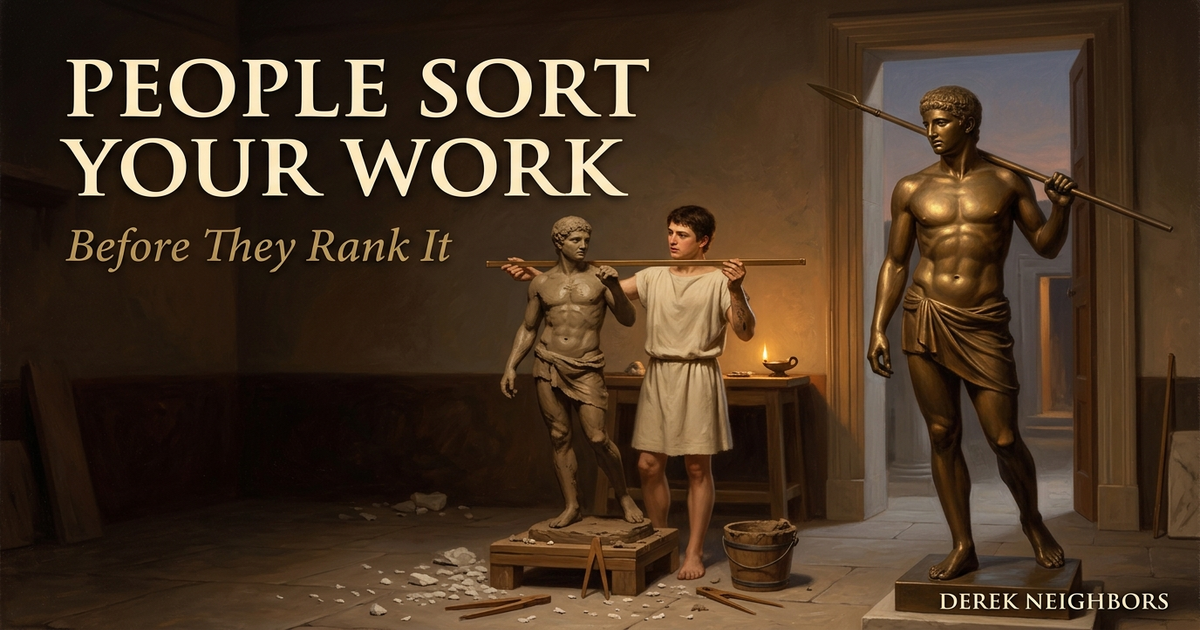
People Sort Your Work Before They Rank It

People decide what your work is before they decide whether it is good. A new framework gets filed next to Rails, a new manager next to the last one, and then each gets ranked on the measures that shelf already uses. Polykleitos wrote the measures for Greek sculpture down and cast them in bronze, and Lysippos trained on them before he changed them. The honest way to get new work taken seriously is to pick up the rod the best are measured by and hold your work against theirs.

People Sort Your Work Before They Rank It
Leadership

The Problem Your Team Won't Name Is Eating Every Other Meeting

Most leadership teams carry one problem the whole room knows about and has stopped raising: the strategy that is not working, the leader nobody trusts, the person everyone works around. Chris Argyris called these undiscussables. They do not stay in their box. Every topic that touches the forbidden one gets bent around it, and then the team agrees never to mention that it is forbidden. The leader is usually the topic or the reason it is off limits, so the leader has to name it first and thank whoever speaks second.

The Problem Your Team Won't Name Is Eating Every Other Meeting
Forge

The Clarity a Crisis Gives You Wears Off Fast

A crisis sorts your life in an afternoon. You know who you call, what you would give up, and which meetings never mattered. That list is the most accurate one you will ever get, and it starts fading the week things calm down, because the same recovery that heals you also flattens the lesson. Most people call the fading getting back to normal. The forge move is to write the list down while it still hurts, turn each line into a decision with a date, and rerun the audit on purpose before the next shake does it for you.

The Clarity a Crisis Gives You Wears Off Fast
Leadership

Your Best People Won't Drop Anything Until You Tell Them To

Leaders announce new priorities in public and almost never end old work out loud. Conscientious people treat every commitment as a promise, so they keep all of it until someone with authority tells them to stop. The people you trust most end up carrying the most dead weight, while the people who quietly drop things look fine. Frameworks and new hires sort the list without shortening it. The fix is a trade at the moment you add something, Drucker's restart question on everything already running, and permission to stop spoken out loud by the leader who takes the heat for it.

Your Best People Won't Drop Anything Until You Tell Them To
Philosophy Craft

Wonder Needs a Schedule, Not a Free Afternoon

When people want more room to think, they ask for a free afternoon, and the free afternoon fills up with feeds, errands, and a podcast on the walk. C.S. Lewis wanted the opposite: a fixed day with set hours for the desk, a walk taken alone, tea alone with a book, and talk after dinner. His rule was that some pleasures share your attention well and some fight over it. Wonder, which Plato and Aristotle both called the start of philosophy, shows up when your attention is open and nothing is pushing into it. You get that on a schedule.

Wonder Needs a Schedule, Not a Free Afternoon